Manufacturing environments often face excessive heat, poor airflow, and rising cooling costs that can directly affect worker comfort and operational efficiency. When indoor temperatures become difficult to control, employees may experience heat stress, productivity can decline, and production processes may become less consistent.
This article explores how evaporative cooling helps factories create a more comfortable and efficient working environment. You’ll learn how the technology works, why it is well suited for industrial spaces, how it compares with traditional air conditioning, and what factors to consider when selecting the right cooling solution for your facility.
What Makes Manufacturing Factories Challenging to Cool
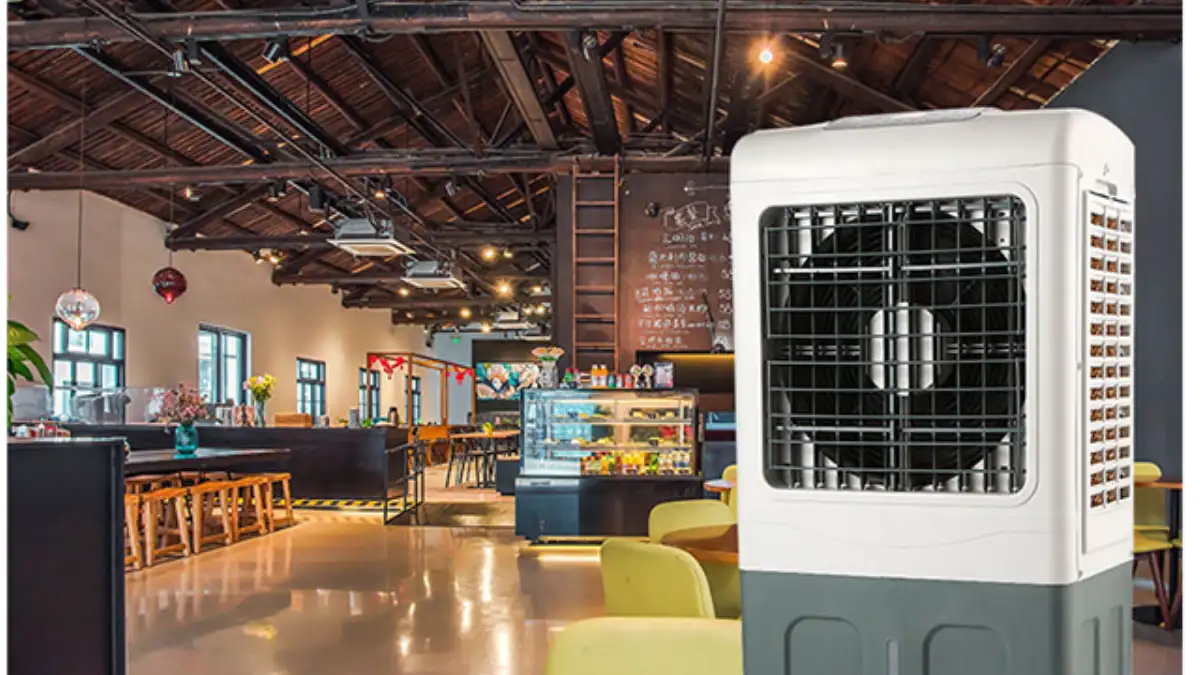
Factories create continuous thermal pressure that standard cooling systems cannot handle effectively. Large open layouts, high ceilings, and heat-intensive equipment make airflow unpredictable and create hot zones. Understanding these challenges helps facility managers identify why conventional cooling often fails and where improvements are necessary.
High Internal Heat and Large-Scale Spaces
Factories produce continuous heat from machinery, and large open areas make uniform cooling difficult. Hot air tends to rise, leaving lower work zones warmer than desired.
| Industrial Challenge | Facility Impact | Cooling Difficulty |
|---|---|---|
| Machine Heat | Increases ambient temperature and accelerates worker fatigue | Localized heat is difficult to remove with conventional systems |
| Large Spaces | Creates uneven temperature distribution across working zones | Requires higher airflow capacity and energy input |
| Heat Stratification | Hot air accumulates near the roof while lower areas remain warm | Reduces overall cooling efficiency and airflow balance |
You can learn more about Why Evaporative Coolers Are Ideal for Large Industrial Spaces.
Airflow Disruption and Ventilation Pressure
Air movement in manufacturing environments is dynamic and often uncontrollable. Frequent door openings, exhaust systems, and external air inflow disrupt stable cooling. These factors reduce the effectiveness of closed-loop systems and create mixed temperature zones.
- Uncontrolled air exchange: Loading docks and access points bring in hot outdoor air, counteracting cooling efforts.
- Negative pressure effect: Exhaust systems draw air out, inadvertently pulling unconditioned air inside through gaps.
- Unstable airflow paths: Irregular circulation creates inconsistent temperature zones across workstations.
Consequently, even powerful traditional AC systems fail to maintain a uniform temperature in these conditions.
Dust, Fumes, and Continuous Operation Stress
Industrial processes release airborne particles and emissions that directly affect both equipment and cooling systems. Continuous operation adds thermal stress, reducing system performance over time.
- Airborne particles: Dust, fibers, and oil mist accumulate on equipment and filters, limiting airflow.
- Process emissions: Welding fumes, chemical vapors, and residues worsen indoor air quality.
- Sustained thermal load: Extended production shifts keep machinery running at high temperature, reducing cooling stability.
As a result, cooling becomes a structural challenge, not just a matter of temperature control. Factories require solutions that can handle heat, airflow variability, and environmental contaminants simultaneously.
What Is Evaporative Cooling and How Does It Work
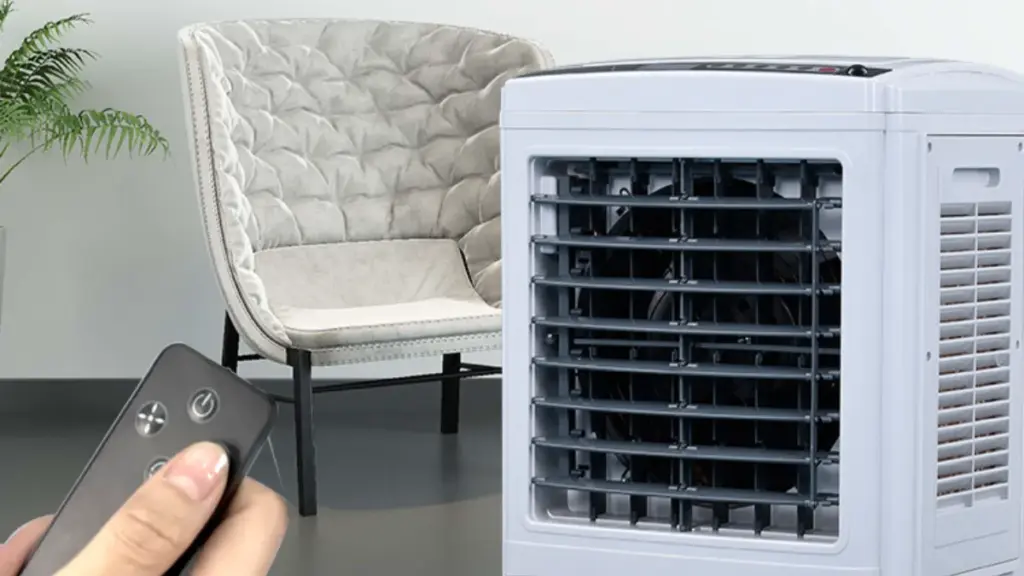
Evaporative cooling lowers air temperature by using the natural process of water evaporation. Instead of relying on refrigerants and compressors, it draws air through water-saturated media, which absorbs heat and releases cooler air into the facility. This method provides continuous, energy-efficient cooling and works particularly well in large, open industrial spaces. Understanding both the science and the system design is essential for optimizing its performance in factories.
You may be interested in: What is an Evaporative Air Cooler?
The Science of Evaporative Cooling
Evaporative cooling is grounded in a simple physical principle: water absorbs heat when it changes from liquid to vapor. As air passes through wet media, it loses heat naturally without mechanical compression.
- Latent heat absorption: Water requires energy to evaporate, and it draws this energy from the surrounding air, lowering temperature.
- Natural cooling process: Warm air becomes cooler as it loses heat to the water, creating a refreshing airflow.
- Optimal conditions: Dry, hot environments enhance cooling efficiency, as air can absorb more moisture.
Consequently, factories with large heat loads and high ceilings benefit from this method, which can reduce hotspots and maintain stable temperatures across work areas.
System Structure and Working Process
Industrial evaporative cooling systems rely on continuous airflow and water evaporation to operate in large factory environments. Their design supports stable cooling in high-heat production areas.
- Core components: Fan system, water pump, and evaporative media
- Airflow process: Warm air passes through wet media → evaporation reduces temperature → cooled air enters workspace
- Ventilation effect: Continuous air exchange reduces heat accumulation
| Component | Function | Industrial Advantage |
|---|---|---|
| Fan System | Air circulation | Uniform airflow in large spaces |
| Water Pump | Water supply to media | Stable evaporation process |
| Evaporative Media | Heat transfer via evaporation | No refrigerant required |
Direct vs Indirect Cooling Systems
Evaporative cooling systems differ mainly in how they manage moisture, which affects where they can be applied in industrial environments.
- Direct cooling: High cooling efficiency, adds humidity
- Indirect cooling: No humidity increase, suitable for sensitive processes
- Hybrid systems: Balance cooling strength and humidity control
For a deeper explanation of How Humid Climates Affect Evaporative Coolers, we have covered it in a separate article.
| System Type | Cooling Effect | Application |
|---|---|---|
| Direct | Strong cooling | Warehouses, general production |
| Indirect | Moderate cooling | Electronics, clean processes |
| Hybrid | Balanced control | Mixed industrial zones |
Boost Your Margins with Factory-Direct Air Coolers
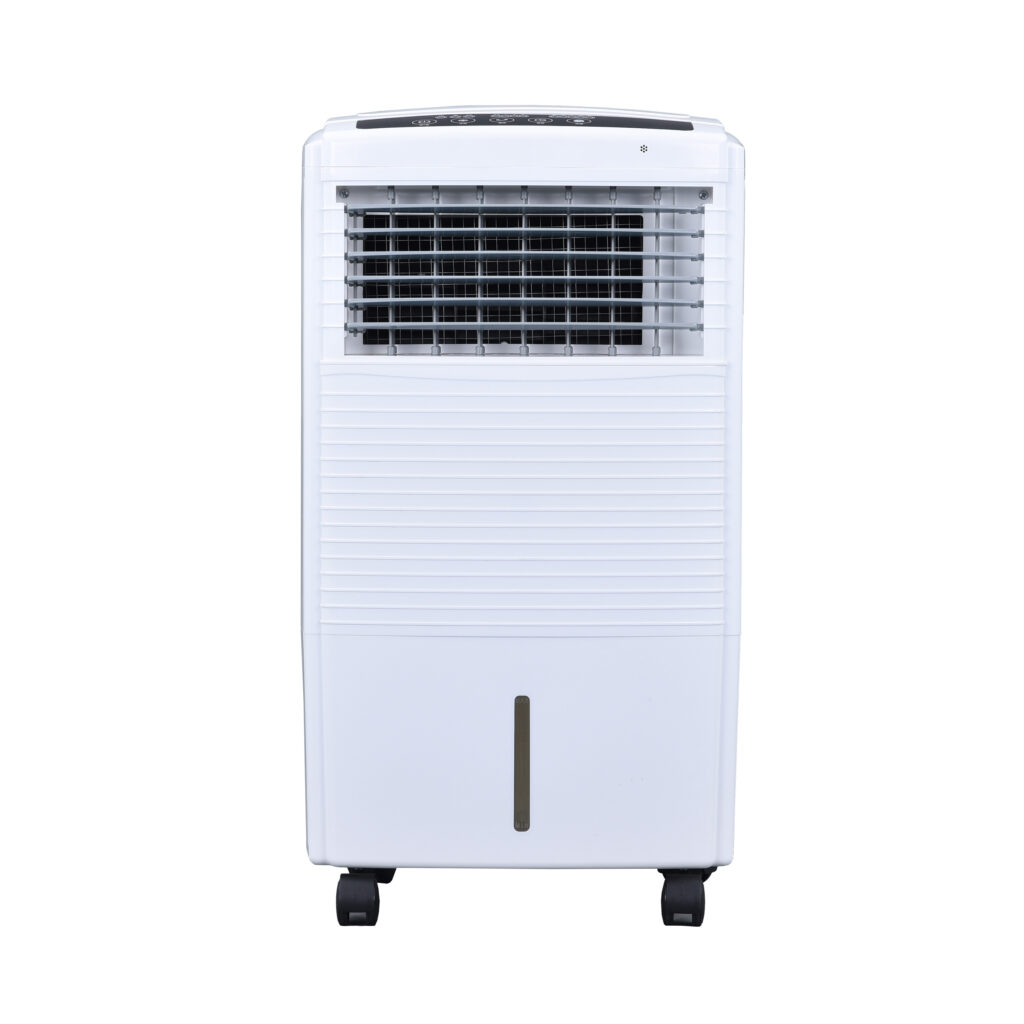
Why Evaporative Cooling Is Ideal for Manufacturing Factories
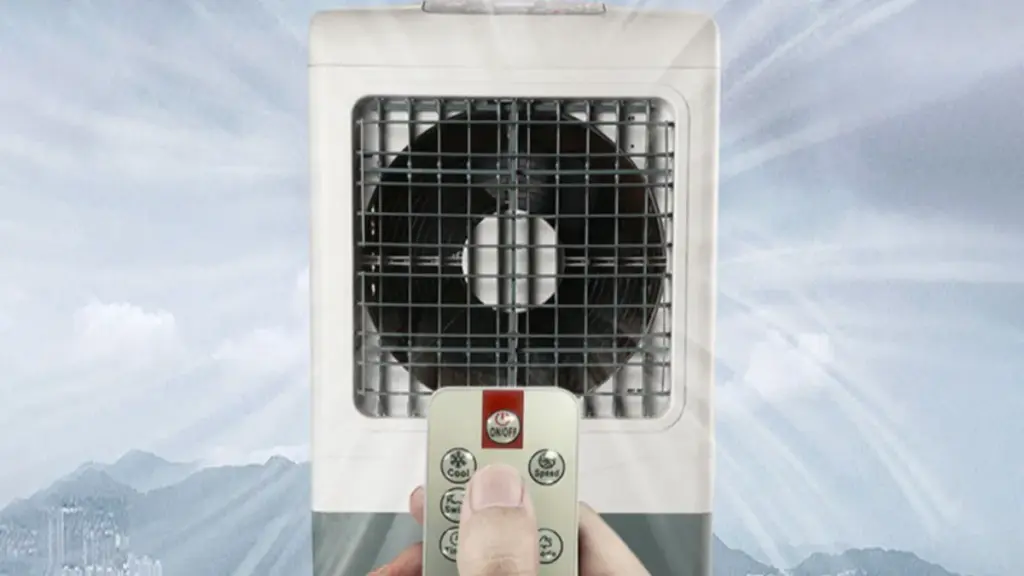
Evaporative cooling fits well with industrial environments that require continuous heat removal, low operating cost, and stable airflow. It supports production efficiency without complex mechanical systems.
Managing Industrial Heat Loads Effectively
Factories often experience uneven heat distribution due to machinery layout and continuous operation. Cooling systems must respond to localized heat zones instead of applying uniform temperature control across the entire facility.
Localized airflow is often used to target machines and production lines with higher heat output. At the same time, continuous air exchange helps reduce heat buildup in concentrated areas, improving overall thermal balance across the workspace. As a result, temperature variation across the production floor becomes more stable and predictable.
Improving Worker Productivity and Safety
Thermal conditions directly affect human performance in manufacturing environments, especially during long shifts and repetitive tasks. A stable and comfortable environment helps maintain both physical endurance and cognitive performance.
- Heat stress reduction: Lower ambient temperature helps workers maintain endurance.
- Focus improvement: Comfortable conditions support better concentration and fewer errors.
- Risk reduction: Lower fatigue levels help reduce workplace incidents.
Energy Efficiency and Operational Cost Reduction
Energy consumption is one of the largest operational cost drivers in industrial cooling, particularly in large-scale facilities with continuous operation requirements.
Unlike conventional systems, evaporative cooling does not rely on compressor-based refrigeration cycles. Instead, it uses fans and water circulation to maintain airflow and cooling performance. This significantly reduces electricity demand and improves long-term operating efficiency.
Evaporative Cooling vs Air Conditioning for Manufacturing Factories
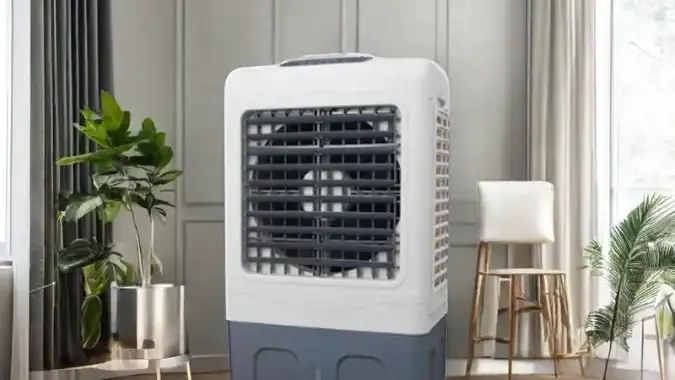
Manufacturing facilities often face high heat loads and varying operational conditions. Selecting the right cooling system is critical, as it affects energy costs, worker comfort, and overall production efficiency. Both evaporative cooling and traditional air conditioning have strengths, but their suitability varies depending on facility structure and process requirements.
If you want to understand this in more detail, you can also read our guide on Compare the Difference Between Air Cooler and Air Conditioner.
Comparing Performance and Operational Impact
Evaporative cooling and air conditioning differ significantly in how they handle energy, airflow, and industrial suitability. A clear comparison helps facilities make informed decisions.
| Aspect | Evaporative Cooling | Air Conditioning |
|---|---|---|
| Energy Usage | Up to 70–75% lower power consumption | High power demand from compressors |
| Airflow & Air Quality | Fresh air supply with continuous ventilation | Mainly recirculates indoor air |
| Industrial Suitability | Large, open factories and warehouses | Sealed spaces, labs, and cleanrooms |
Practical Considerations for Industrial Facilities
When choosing between these systems, managers must consider more than just cooling power. Evaporative cooling supports continuous ventilation and adapts easily to large production areas, helping reduce hot spots and improve worker comfort. Air conditioning delivers precise temperature control, but high energy costs and limited fresh air circulation may restrict its industrial applicability. In some facilities, hybrid solutions combine both approaches to optimize performance across different zones.
Best Practices for Installing Evaporative Cooling in Factories
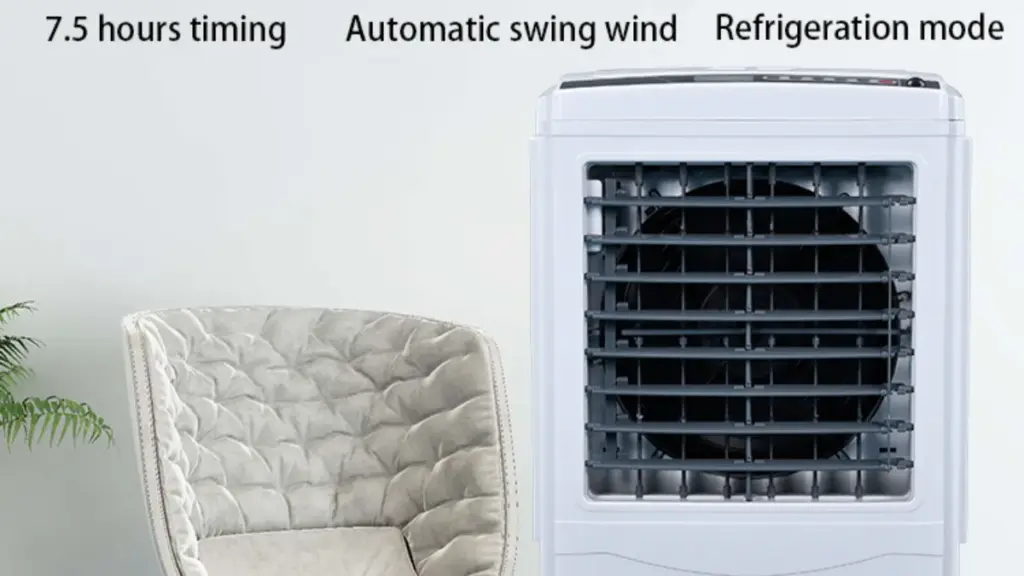
Proper installation determines whether an evaporative cooling system delivers stable performance or uneven airflow results. In manufacturing environments, cooling efficiency depends on how well the system matches building layout, heat distribution, and airflow behavior. A structured engineering approach helps maintain stable temperature control and reduces energy waste caused by poor air circulation.
Facility Assessment and Heat Mapping
Before installation, the factory must be treated as a thermal system, not just a physical space. Heat is uneven in manufacturing environments, so cooling design must follow real production activity rather than floor area alone.
Engineers analyze how heat spreads across machinery zones, worker positions, and ventilation paths. This helps identify where cooling is most needed and prevents overcooling low-impact areas.
- Heat source mapping: Identify major heat emitters such as ovens, motors, and production lines to define total thermal load.
- Workload zoning: Focus on operator-heavy areas where heat stress directly affects productivity.
- Thermal coverage planning: Match cooling capacity with heat intensity zones to avoid uneven temperature distribution.
This ensures the system is designed based on real industrial conditions, not static building layouts.
Airflow Design and Unit Placement Strategy
Airflow design is the key factor that determines evaporative cooling performance in large factories. Even a high-capacity system will underperform if air movement is blocked or poorly directed.
Cooling air must pass through work zones before exiting the building. At the same time, pressure balance between supply and exhaust must remain stable to avoid hot air return and humidity buildup.
| Principle | Purpose | Benefit |
|---|---|---|
| Directional Airflow | Guide air movement | Better cooling coverage |
| Pressure Balance | Control air exchange | Stable indoor conditions |
| Zone Coverage | Distribute airflow evenly | Fewer hot spots |
Maintenance and System Integration
Long-term performance depends on system stability, not just installation quality. In industrial environments, airflow efficiency decreases over time due to dust buildup, water quality issues, and continuous operation.
To maintain stable output, evaporative cooling must work as part of a coordinated ventilation system rather than an isolated unit.
- Water quality control: Prevent mineral buildup that reduces evaporation efficiency.
- Ventilation coordination: Synchronize cooling units with exhaust systems for stable air exchange.
- Performance monitoring: Track airflow and temperature changes to detect early efficiency loss.
This ensures consistent performance even under continuous industrial workloads.
How to Choose the Right Industrial Evaporative Cooler
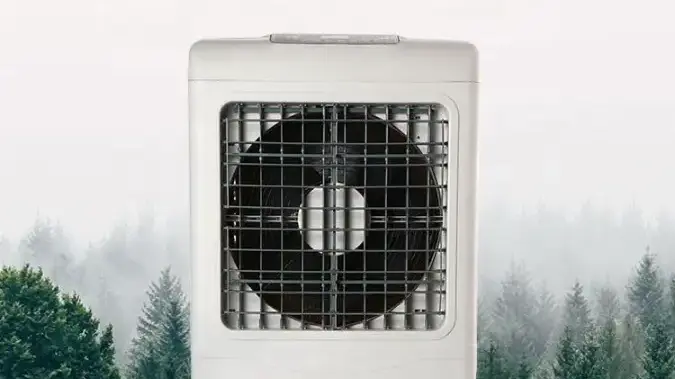
Selecting the right evaporative cooling system requires matching airflow capacity, system design, and durability with real industrial operating conditions. Instead of focusing on a single specification, engineers should evaluate how each factor affects long-term performance, energy efficiency, and maintenance cost.
Key Selection Criteria for Industrial Evaporative Cooling
The following table summarizes the main decision factors for selecting an industrial evaporative cooling system in manufacturing environments.
| Selection Factor | Key Consideration | Impact on Factory Performance |
|---|---|---|
| Airflow Capacity (CFM) | Match output with facility volume and required air changes | Maintains stable cooling performance |
| System Type | Choose direct, indirect, or hybrid based on operating conditions | Affects cooling efficiency and humidity control |
| Durability | Evaluate resistance to dust, heat, and continuous operation | Influences equipment lifespan |
| Compliance | Verify certifications such as SAA and other safety standards | Supports safe and compliant operation |
| Maintenance Design | Check accessibility of key service components | Reduces downtime and service costs |
Frequently Asked Questions
How does factory layout affect evaporative cooling performance and productivity?
Factory layout is a critical factor for evaporative cooling. An effective layout ensures unobstructed airflow from cooling units to exhaust points, allowing cool air to sweep through workstations and remove process heat. Poor layouts with partitions, tall racking, or dense machinery create blockages, leading to stagnant hot zones, poor air change rates, and trapped humidity. This directly reduces cooling efficiency and can negatively impact productivity by increasing heat stress and error rates.
Can evaporative cooling systems operate alongside existing ventilation systems?
Yes, evaporative cooling systems are designed to integrate with and enhance existing ventilation. Evaporative coolers add large volumes of fresh, cooled air into a space. For the system to be effective, this air must be able to move through the building and exit. Existing ventilation fans provide the necessary exhaust path, removing the warm, humid air that the cooled air displaces, which prevents humidity buildup and maintains consistent airflow.
What factors should be considered when scaling evaporative cooling across multiple factory zones?
When scaling across multiple zones, you must consider several factors. First, characterize the heat load in each zone to determine its specific airflow (CFM) requirement. Second, design a cohesive airflow plan for the entire facility, ensuring air moves from supply to exhaust without short-circuiting between zones. Third, implement a centralized water treatment strategy to manage water quality and prevent scale buildup across all units. Finally, use integrated controls to manage temperature and airflow in each zone based on its unique operational needs.
How often should industrial evaporative cooling systems be maintained to ensure stable productivity?
To maintain stable productivity, industrial evaporative cooling systems require a structured maintenance schedule. This includes a full service before and after the cooling season. During operation, inspections and cleaning should occur every one to four months, depending on the facility’s air quality and water hardness. Frequent checks of pads, filters, and water distribution prevent performance degradation and unplanned downtime during peak production periods.
What is the recommended cooling strategy for large-scale production floors?
A recommended strategy uses a layered approach. It begins with reducing heat gain from the building itself using reflective roofing and proper insulation. Next, engineered air movement, often with High Volume Low Speed (HVLS) fans, destratifies hot air. Finally, an appropriately sized industrial cooling system, such as evaporative cooling in dry climates or a chilled-water system for heavy heat loads, is used to actively cool the space. The entire strategy is managed with zoned controls and a consistent maintenance program.
Final Thoughts
Evaporative cooling plays a key role in improving productivity in modern manufacturing factories, It helps control heat loads, stabilize working conditions, and reduce long-term energy consumption in large-scale production environments, supporting more efficient and consistent operations.
At Yika-China, we provide industrial evaporative cooling systems for factories, warehouses, and commercial projects. With OEM capability and certified manufacturing standards, we support customized solutions for different facility needs, helping clients improve airflow design and cooling performance.