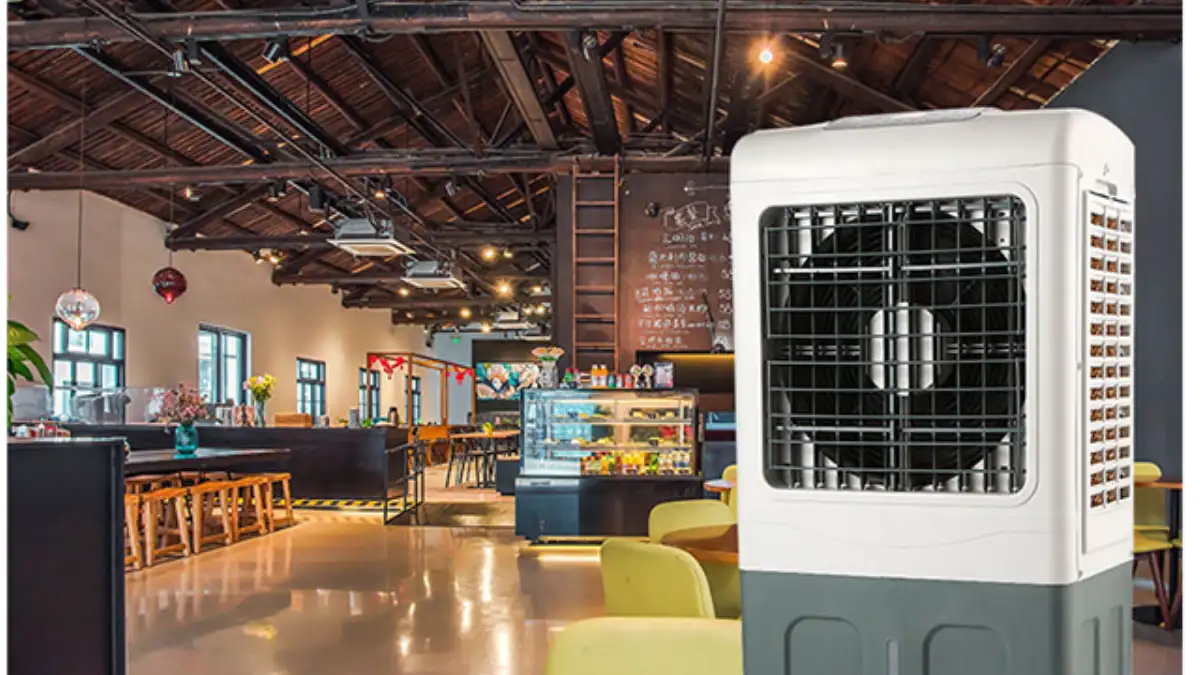
Industrial facilities often struggle with high indoor temperatures, rising energy costs, and uneven airflow, affecting worker comfort and production efficiency. Using an industrial evaporative cooler provides a reliable solution to cool large spaces efficiently without excessive operational costs, making it an ideal choice for factories and warehouses.
This article explains how evaporative coolers optimize airflow, reduce energy consumption, and maintain consistent temperatures across warehouses, factories, and production plants. Facility managers will gain actionable insights to select, implement, and maximize cooling performance for industrial environments.
Why Industrial Facilities Have Unique Cooling Challenges
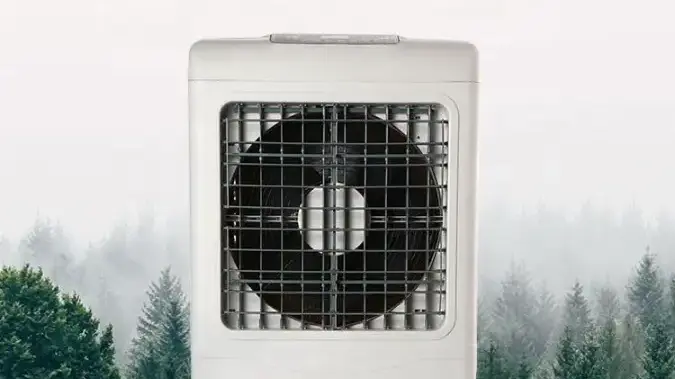
Cooling industrial spaces is more complex than cooling offices or retail buildings. Large heat loads, expansive floor areas, and operational demands create unique challenges. Facility managers need solutions that maintain comfort, ensure productivity, and control costs effectively.
High Heat Loads from Industrial Processes
Industrial operations generate continuous and concentrated heat, creating hotspots and raising overall cooling demand. Recognizing these sources helps select systems that maintain safe and productive conditions.
- Ovens and Furnaces: Thermal equipment emits substantial heat into surrounding areas, challenging conventional AC.
- Motors and Machinery: Heavy-duty motors generate heat during operation, adding to the facility’s thermal load.
- Production Lines: Continuous workflows combine multiple heat sources, including equipment, lighting, and human activity, requiring persistent temperature control.
Cooling systems must adapt airflow and distribution to maintain uniform temperatures across the workspace.
Large Building Volumes and Ventilation Demands
Industrial facilities often have high ceilings, open layouts, and multiple entrances. Warm air rises in tall spaces, causing temperature stratification. Open layouts demand careful airflow planning to reach all work zones. Frequent door openings at loading docks introduce heat and humidity, complicating climate control. Without proper ventilation and strategic placement of cooling units, conventional AC may leave large areas uncomfortable or unsafe.
Operational Risks Beyond Temperature Control
Ineffective cooling affects more than comfort—it impacts safety, productivity, and reliability. Excessive heat increases risk of heat stress, reduces concentration, and slows output. Some processes require precise temperature control; failing to meet standards can result in defects or compliance issues. Equipment may overheat, causing downtime and costly maintenance. Proper cooling technology mitigates these risks while supporting consistent performance and long-term savings.
How Evaporative Cooling Technology Works in Large-Scale Environments
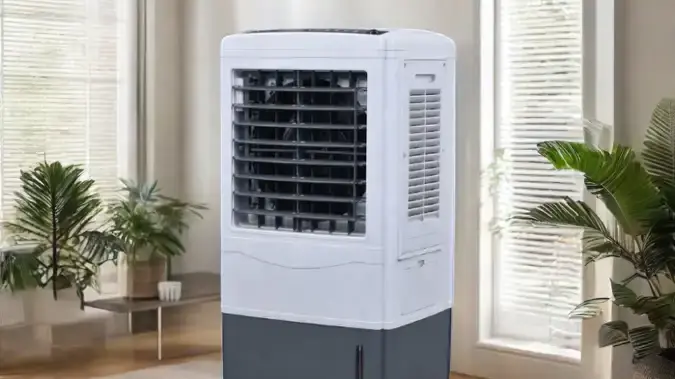
Evaporative cooling lowers air temperature naturally, without a refrigeration cycle. By combining water evaporation and airflow, industrial facilities can cool large spaces efficiently while providing a continuous supply of fresh air. This method is especially effective for warehouses, factories, and workshops where conventional air conditioning struggles with scale and energy costs.
The Science Behind Evaporative Cooling
Evaporative cooling uses the heat-absorbing property of water. As warm outdoor air passes through water-saturated cooling media, part of the water evaporates, removing heat from the air. The cooled air then enters the facility, creating a comfortable environment without compressors or refrigerants. This simple process reduces energy demand while maintaining effective cooling in hot, dry climates.
Direct, Indirect, and Two-Stage Cooling Systems
Facilities can choose different evaporative cooling technologies depending on environmental and operational needs:
- Direct Evaporative Cooling: Air passes through wet cooling pads. Ideal for hot, dry warehouses and workshops.
- Indirect Evaporative Cooling: Air is cooled via a heat exchanger without added humidity, suitable for humidity-sensitive areas.
- Two-Stage Cooling: Combines indirect and direct cooling for greater temperature reduction while controlling moisture.
These options let facility managers balance cooling capacity, humidity control, and energy efficiency.
Why Large Industrial Spaces Benefit from High-Airflow Cooling
Large industrial buildings need more than temperature reduction—they require consistent airflow to cover wide areas. Industrial evaporative coolers deliver high volumes of cooled air, pushing warmer air toward exhaust points. This ensures uniform temperatures across workstations, prevents hotspots near machinery, and supports worker comfort. Compared to conventional AC, evaporative cooling provides efficient, cost-effective cooling for warehouses, factories, and other large industrial spaces.
Your OEM Partner for Air Coolers
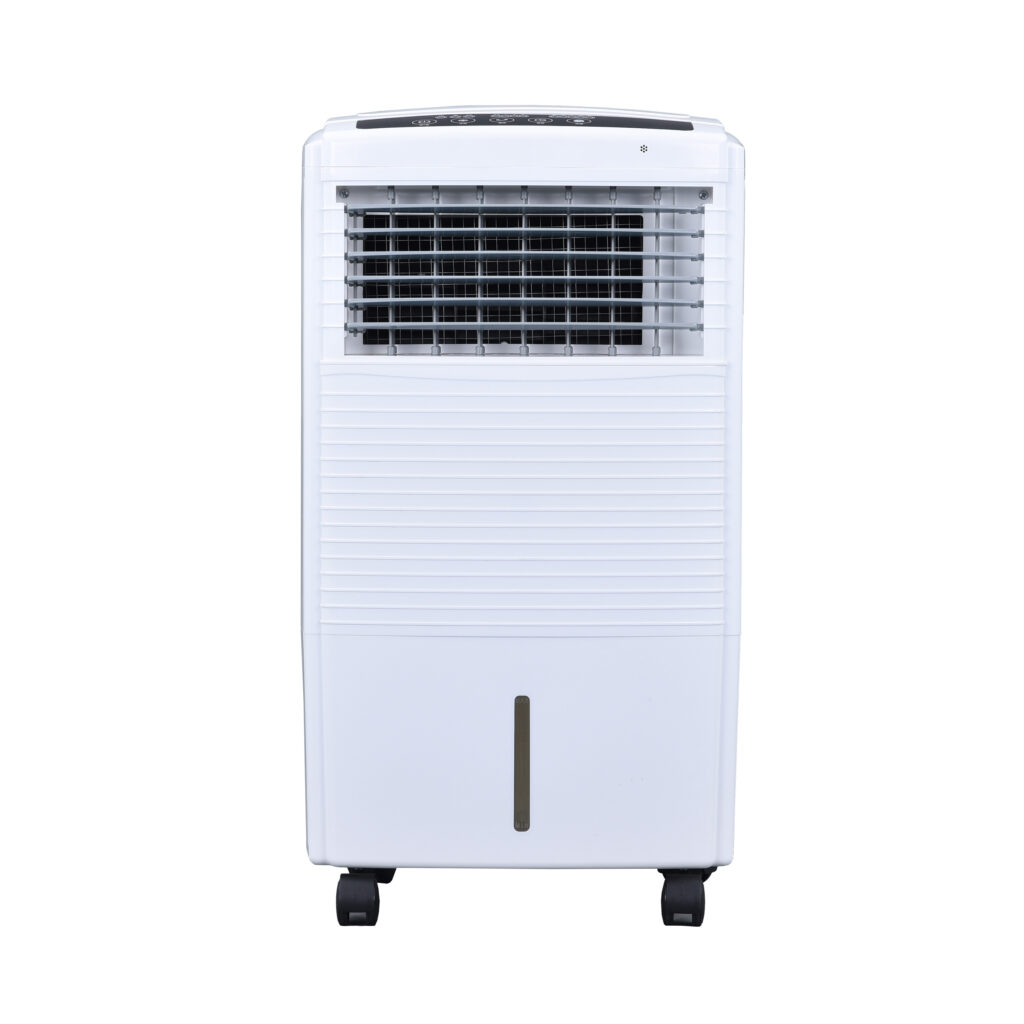
Why Evaporative Coolers Are More Efficient Than Air Conditioning Systems
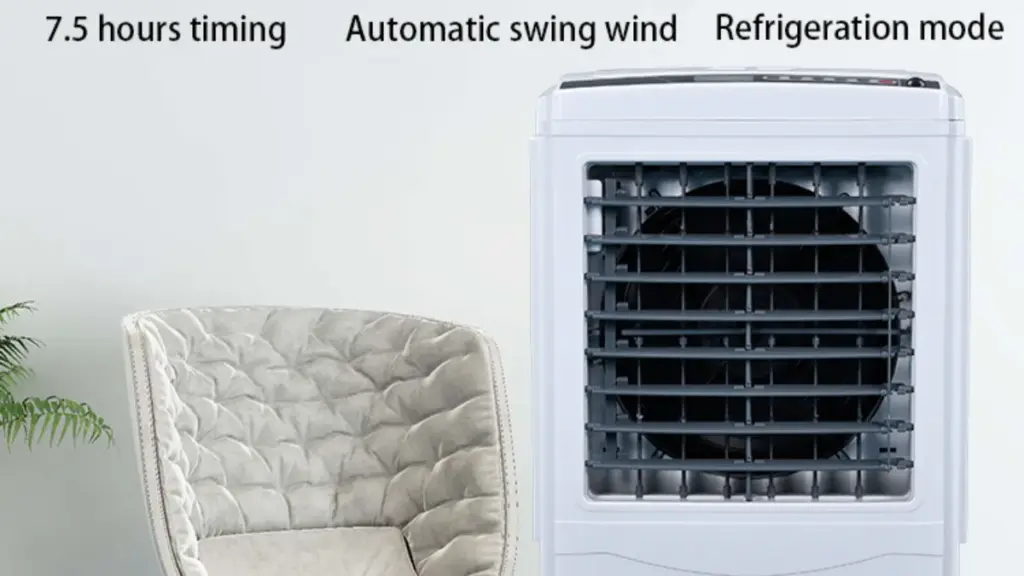
Industrial cooling decisions are often driven by operating costs, energy consumption, and long-term reliability. While traditional air conditioning performs well in enclosed commercial environments, large industrial facilities have very different requirements. Comparing the two technologies highlights why industrial evaporative coolers are often the more practical choice for warehouses, factories, and production plants.
| Factor | Evaporative Cooler | Traditional Air Conditioning |
|---|---|---|
| Cooling Method | Water evaporation | Refrigeration cycle |
| Energy Consumption | Typically 80–90% lower | High compressor power demand |
| Fresh Air Supply | Continuous outdoor air | Mostly recirculated indoor air |
| Ventilation Function | Built-in cooling and ventilation | Usually requires separate ventilation |
| Maintenance Complexity | Simple mechanical structure | Complex refrigeration components |
| Environmental Impact | No refrigerants required | Uses refrigerants and more electricity |
Lower Energy Consumption Through Simpler Cooling Principles
The biggest efficiency advantage comes from the cooling process itself. Unlike air conditioning systems that rely on compressors and refrigerants, evaporative coolers primarily use fans and water pumps. As a result, power consumption remains significantly lower, particularly in facilities that operate for long hours or around the clock.
Integrated Cooling and Ventilation Benefits
Industrial environments often require both cooling and continuous airflow. Evaporative coolers address these needs simultaneously by introducing fresh outdoor air while exhausting warmer indoor air. In many facilities, air exchange rates can reach 20–40 ACH, helping improve air circulation without installing separate ventilation equipment.
Long-Term Cost and Sustainability Advantages
Lower electricity demand directly reduces operating expenses, but the benefits extend further. Simpler equipment designs generally require less maintenance and experience fewer mechanical failures over time. In addition, refrigerant-free operation supports sustainability goals by reducing both energy consumption and environmental impact.
How to Maximize Evaporative Cooler Efficiency in Industrial Spaces
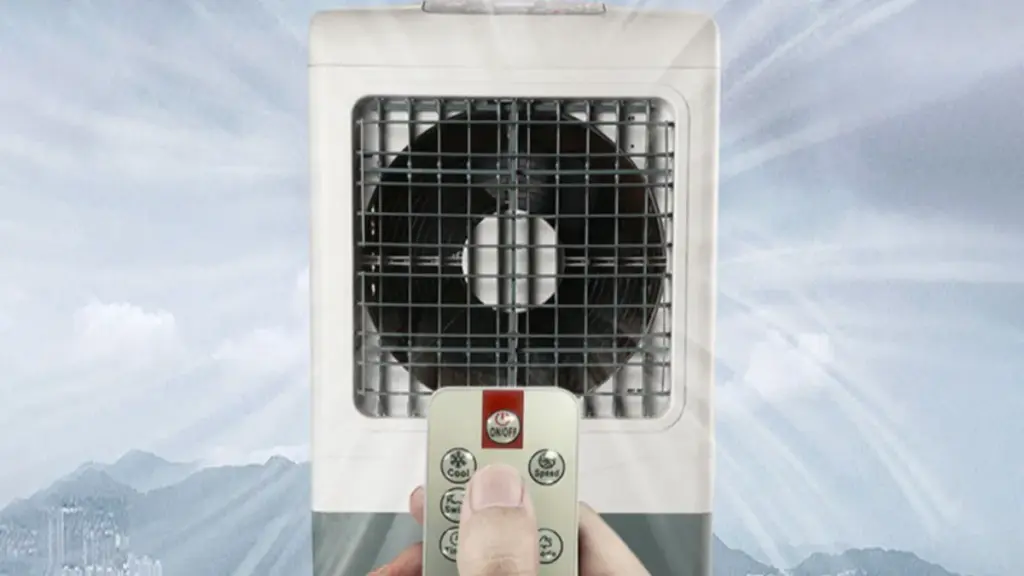
Even a well-designed evaporative cooling system cannot perform at its best without proper planning and operation. Its efficiency depends on environmental conditions, airflow design, system sizing, and maintenance discipline. When these factors are properly controlled, industrial facilities can achieve stable cooling performance while reducing long-term operating costs and energy waste.
Understand the Factors That Affect Cooling Performance
Several external conditions directly influence how effectively an evaporative cooler can lower air temperature. Evaluating these variables before installation helps avoid performance loss and ensures more stable cooling results across different operating conditions.
| Factor | Impact on Performance |
|---|---|
| Climate Conditions | Hot and dry environments increase evaporation efficiency, while cooler or humid climates reduce cooling capacity. |
| Relative Humidity | High humidity slows evaporation, which directly limits temperature reduction potential. |
| Airflow Design | Poor air circulation leads to stagnant zones, reducing overall cooling uniformity in large spaces. |
| Water Quality | Hard water and mineral buildup reduce pad efficiency and increase maintenance frequency. |
These conditions should not be treated separately. In real industrial environments, they interact with each other. For example, high humidity combined with poor airflow can significantly reduce cooling effectiveness even if the system is correctly sized.
If you want to understand this in more detail, you can also read our guide on What Factors Affect Air Cooler Cooling Performance?
Optimize System Sizing and Air Distribution
Proper system sizing is one of the most critical factors in achieving stable cooling performance. If the system is too small, it cannot handle the facility’s heat load. If it is too large, it may increase humidity without delivering proportional cooling benefits.
Airflow calculation should always be based on building volume, internal heat generation, and the required air changes per hour (ACH). This ensures the system matches real operational demand rather than theoretical estimates.
Equally important is airflow direction. Cooling units should not simply “fill” a space with air. Instead, they should guide airflow toward occupied zones such as production lines, assembly stations, and worker areas. In large industrial buildings, multiple units often perform better than a single centralized system because they reduce temperature imbalance and eliminate hot spots.
Improve Efficiency Through Controls and Maintenance
Even when system design is correct, long-term performance depends heavily on operational control and maintenance routines. Without proper management, cooling efficiency gradually decreases over time.
Modern evaporative cooling systems often use variable-speed fans and automated controls to adjust airflow based on temperature and humidity changes. When integrated with a Building Management System (BMS), the cooling output can automatically match real-time facility demand, avoiding unnecessary energy use.
Maintenance is equally important for system stability. Key practices include:
- Cooling Pads: Regular cleaning to prevent clogging and maintain evaporation efficiency
- Water System: Inspection of pumps and distribution lines to ensure uniform water flow
- Mineral Control: Removal of scale buildup to prevent airflow restriction
- Seasonal Operation: Proper startup and shutdown procedures to protect components from corrosion and wear
When these practices are applied consistently, the system maintains stable airflow, reliable cooling output, and longer equipment lifespan.
How to Select the Right Industrial Cooling Solution
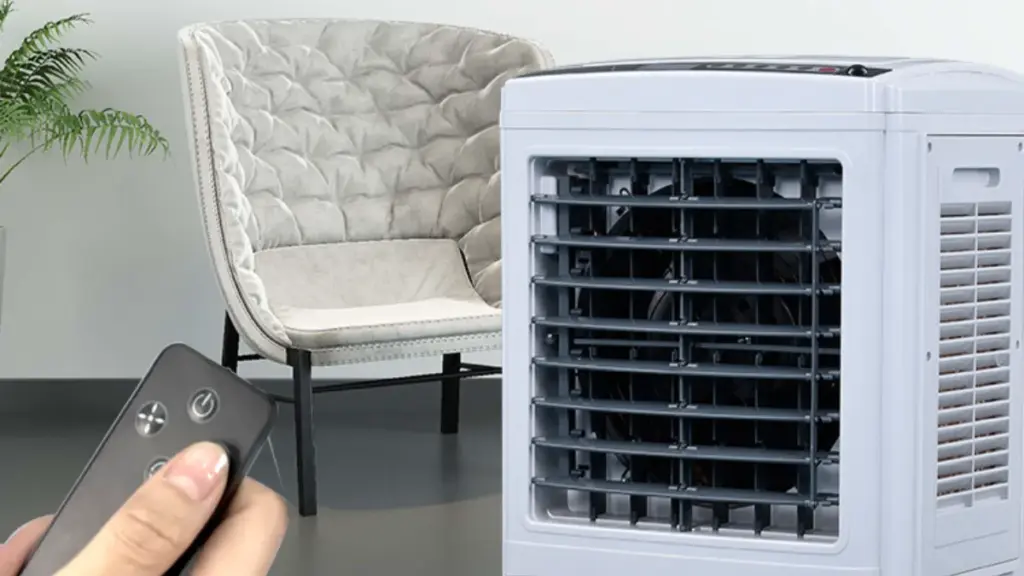
Choosing an appropriate cooling system for an industrial facility involves more than simply picking a unit. Facility managers must evaluate heat loads, building characteristics, climate conditions, and operational needs to ensure reliable performance and energy efficiency. A structured evaluation helps identify the solution that balances cooling capacity, cost, and long-term sustainability.
Before deciding, it is important to understand the facility’s thermal demands, airflow requirements, and environmental constraints. Careful analysis ensures that the system can maintain safe working conditions, protect equipment, and improve overall operational efficiency.
| Evaluation Step | Key Questions | Why It Matters |
|---|---|---|
| Assess Heat Load | What is the total heat generated by machinery, processes, and lighting? | Determines the cooling capacity required and informs proper unit sizing. |
| Review Climate Conditions | What are peak dry-bulb and wet-bulb temperatures and seasonal humidity levels? | Affects evaporative cooling efficiency and guides the selection of supplemental cooling or dehumidification. |
| Analyze Building Characteristics | What is the facility’s ceiling height, layout, and airflow pattern? | Ensures air distribution can reach all occupied and high-heat areas evenly, preventing hotspots. |
| Determine Operational Requirements | What is the required number of air changes per hour (ACH) and occupancy levels? | Helps define unit placement, airflow volume, and ventilation strategy for safety and comfort. |
| Evaluate Water and Energy Resources | Is there sufficient water supply and energy availability for continuous operation? | Critical for ensuring evaporative cooling systems operate efficiently without interruptions or excessive costs. |
By following this structured approach, facility managers can select a cooling solution that matches the facility’s heat load, adapts to environmental conditions, and supports operational efficiency. Proper evaluation also helps prevent oversizing, reduces energy waste, and ensures long-term reliability of the cooling system.
Frequently Asked Questions
Can evaporative coolers be a full replacement for HVAC systems in factories?
Evaporative coolers can replace HVAC systems in some factories, but only under specific conditions: hot, dry climates and in buildings that can accommodate large volumes of fresh-air ventilation. They are not a universal replacement for facilities that require precise humidity control, strict temperature regulation, or dehumidification. For many industrial settings, a hybrid system that uses evaporative cooling for general spaces and traditional HVAC for critical zones is the most effective approach.
How do I determine how many evaporative coolers are needed for an industrial space?
To determine the number of coolers, first calculate the total required airflow in Cubic Feet per Minute (CFM). Find the volume of the space (length × width × height), multiply it by the target air changes per hour (typically 20-40 for industrial areas), and divide by 60. Then, divide this total required CFM by the CFM rating of a single cooler unit and round up. Proper exhaust is also critical, with a general rule of providing 2 square feet of opening for every 1,000 CFM of supply air.
What installation layout works best for large industrial cooling coverage?
The optimal layout depends on the facility’s structure. For large, open high-bay buildings, roof-mounted units with ductwork provide uniform distribution. In long, narrow production halls, a crossflow layout with coolers on one wall and exhaust on the opposite side is highly effective. Facilities with distinct hot spots benefit from a zonal layout, where dedicated coolers target specific high-heat areas. In all cases, a clear and balanced airflow path from supply to exhaust is essential for performance.
Are evaporative coolers suitable for high-temperature production environments?
Yes, evaporative coolers are well-suited for many high-temperature production environments, especially in hot and dry climates. They perform best in large, open spaces with significant internal heat loads, such as foundries, welding shops, and plastics manufacturing, where they can reduce air temperature by 15–40°F. They are not suitable for processes that cannot tolerate increased humidity or for facilities located in consistently humid regions.
What should I consider when upgrading from traditional cooling to evaporative systems?
When upgrading, first confirm your climate is suitable—evaporative coolers are most efficient in hot, dry areas. Next, evaluate your building’s infrastructure, as these systems require a 100% fresh air supply and adequate exhaust paths to function correctly. You must also determine if your production process can tolerate the moderate increase in humidity that direct evaporative systems produce. Finally, plan for different maintenance needs, including regular pad cleaning, water management, and seasonal servicing.
Final Thoughts
Industrial cooling is not only about lowering temperature. It is about controlling energy cost, airflow stability, and operational reliability across large and complex environments. In most factories, warehouses, and logistics centers, evaporative cooling provides a practical balance between performance and efficiency, especially in hot and dry climates where traditional air conditioning systems often become expensive and difficult to scale.
For companies looking to improve long-term cooling performance while reducing operational costs, working with an experienced supplier is essential. Yika-China provides customized industrial evaporative cooling solutions, including air coolers designed for large-scale applications, helping facilities achieve stable airflow, lower energy consumption, and more efficient workspace cooling.