Industrial and commercial operations in Australia face strict safety and efficiency demands. SAA certified evaporative air coolers are designed to comply with Australian electrical safety standards while supporting reliable performance, regulatory compliance, and reduced operational risks.
This guide covers SAA certification requirements, key factors for evaluating SAA certified evaporative air coolers, and the role certified systems play in improving workplace safety, energy efficiency, and overall operational performance.
Understanding SAA Certification for Evaporative Air Coolers
SAA certification defines the safety baseline for electrical equipment used in Australia and New Zealand. It ensures that air coolers meet strict requirements for electrical safety, EMC performance, and structural reliability before entering the market. For procurement teams and engineers, understanding this certification helps avoid compliance risks and ensures proper product selection.
What SAA Certification Is
SAA certification (SAA Approval or SAA Mark) is an official electrical safety recognition used in Australia and New Zealand. It confirms that an air cooler has passed standardized testing based on local AS/NZS regulations.
The evaluation focuses on several critical safety areas:
- Electrical Safety: Prevents risks such as electric shock, overheating, and fire under normal and fault conditions.
- Moisture Protection: Ensures water-based cooling systems do not allow liquid to reach electrical components.
- EMC Performance: Reduces electromagnetic interference with nearby devices such as communication or control systems.
- Marking Accuracy: Confirms correct labeling, including voltage, model details, safety warnings, and certification number.
Unlike energy labels, SAA certification does not measure efficiency. Its core purpose is to guarantee safe operation and regulatory compliance in the Australian electrical environment.
Who Needs SAA Certification
SAA certification requirements depend on the application scenario, but it is most critical in commercial and industrial environments where electrical loads are higher and equipment runs continuously.
Commercial and industrial users
Factories, warehouses, logistics centers, and large office buildings must prioritize SAA certified air coolers. These environments face continuous operation, higher power demand, and stricter workplace safety requirements. Without certification, equipment may face restricted access to the market or compliance risks during inspections.
Residential users
For household applications, SAA certification is not always legally required. However, it is still highly recommended. Devices such as evaporative air coolers combine water and electricity, so certified products provide an additional layer of safety and reliability.
Why SAA Certification Matters in the Australian Market
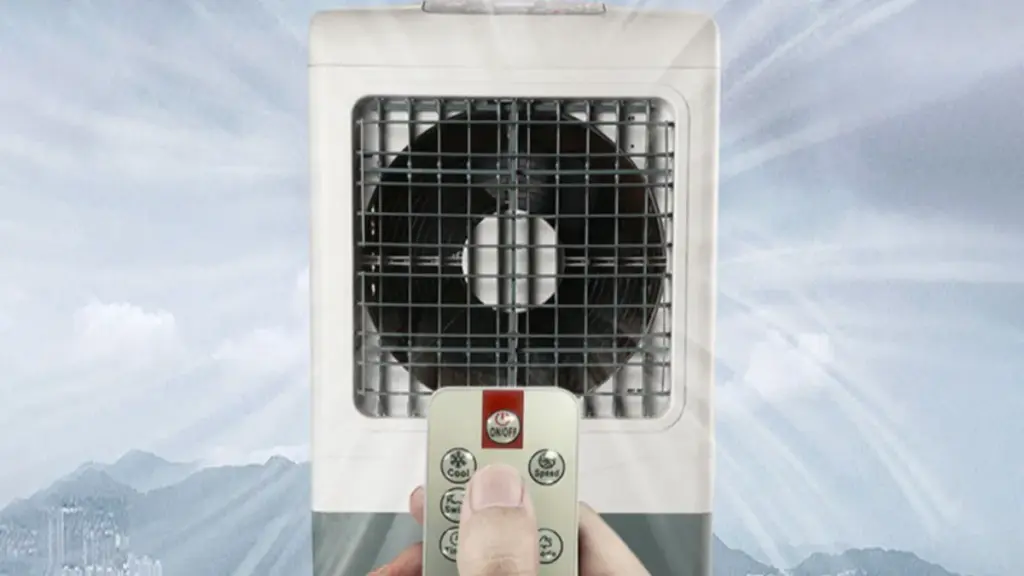
Understanding the significance of SAA certification is essential for businesses operating in Australia. Beyond regulatory compliance, it influences market access, operational safety, and brand reputation. Air coolers without certification may face sale restrictions, higher liability, and lower acceptance among commercial clients.
If you are evaluating suppliers, you may also find our article on Best Air Cooler Brands & Manufacturers useful.
Legal Compliance and Retail Access
Many air coolers are classified as prescribed electrical equipment under the Electrical Equipment Safety System (EESS). Obtaining SAA certification proves compliance with AS/NZS safety standards. Retailers and distributors often require certification before listing products. Non-compliant units may be banned from sale, restricted during shipment, or subject to inspections, fines, or recalls, creating operational and legal risks for businesses.
Mitigating Safety Risks and Liability
- Hazard Reduction: High-power commercial air coolers pose risks such as electric shock, overheating, or fire. Certification ensures these hazards are minimized.
- Documented Compliance: SAA certification provides official evidence for insurers, regulators, and stakeholders, demonstrating that safety measures are in place.
- Risk Management: Businesses can show due diligence in case of incidents or recalls, reducing potential legal and operational exposure.
Building Commercial Trust and Brand Credibility
SAA certified air coolers enhance brand credibility by signaling commitment to safety and performance. Certification supports participation in commercial tenders, government contracts, and industrial projects that require proof of compliance. It also strengthens marketing claims about reliability, regulatory adherence, and safety in B2B channels.
Scale Your Business with OEM Evaporative Air Coolers
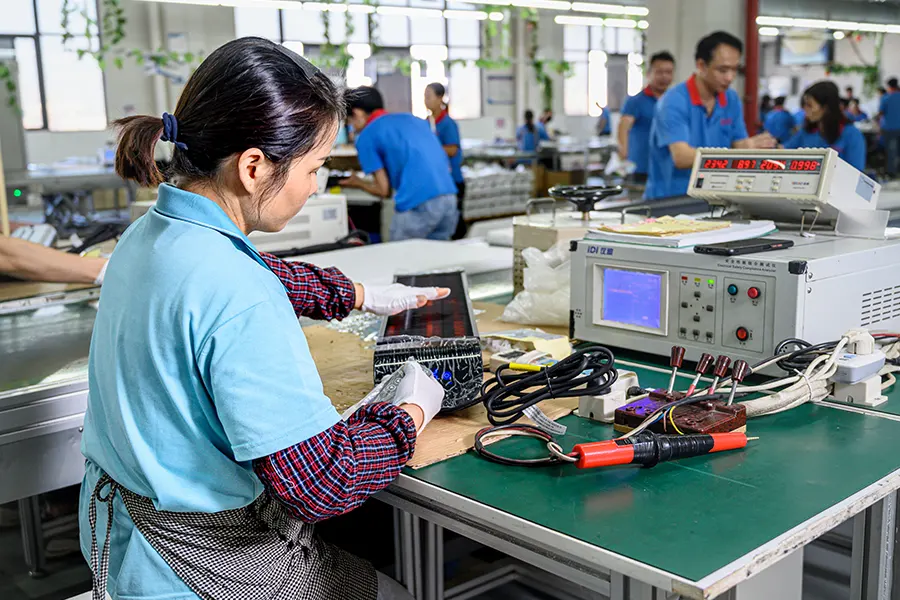
How SAA Certified Evaporative Air Coolers Support Reliable Cooling Performance
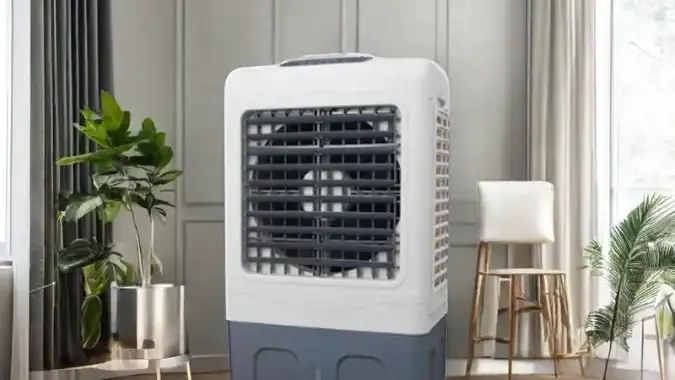
Reliability is a top priority for industrial and commercial cooling systems. SAA certification ensures that air coolers are rigorously tested for consistent performance, electrical safety, and mechanical durability under real-world conditions. Certified units help facilities maintain continuous operation, prevent equipment failure, and reduce maintenance challenges.
Ensuring Electrical and Mechanical Safety
SAA certified air coolers comply with AS/NZS 60335 standards, which guarantees that critical components such as motors, wiring, and fans operate safely. Thermal and mechanical integrity tests confirm that the equipment can withstand continuous operation without overheating or structural failure. As a result, facilities can rely on these units for extended periods, minimizing safety risks and downtime.
Validating Cooling Capacity and Grid Compatibility
Manufacturers of SAA certified air coolers perform standardized tests to verify airflow, cooling output, and operational stability under typical Australian conditions. Additionally, EMC testing ensures that the units do not interfere with nearby electronic devices, while tolerance checks for voltage fluctuations and grid disturbances confirm stable operation. These validations guarantee that cooling performance remains reliable in commercial environments where consistent airflow and temperature control are essential.
Integrating Quality Management for Durability
Many SAA certified air coolers are produced under ISO 9001 quality management systems, which maintain consistent production standards, traceable components, and reliable durability. This approach ensures that each unit performs consistently over its lifecycle. Moreover, structured quality management supports easier maintenance, faster troubleshooting, and predictable service intervals, helping businesses optimize operational efficiency and protect their investment.
Key Benefits of SAA Certified Evaporative Air Coolers for Commercial and Industrial Users
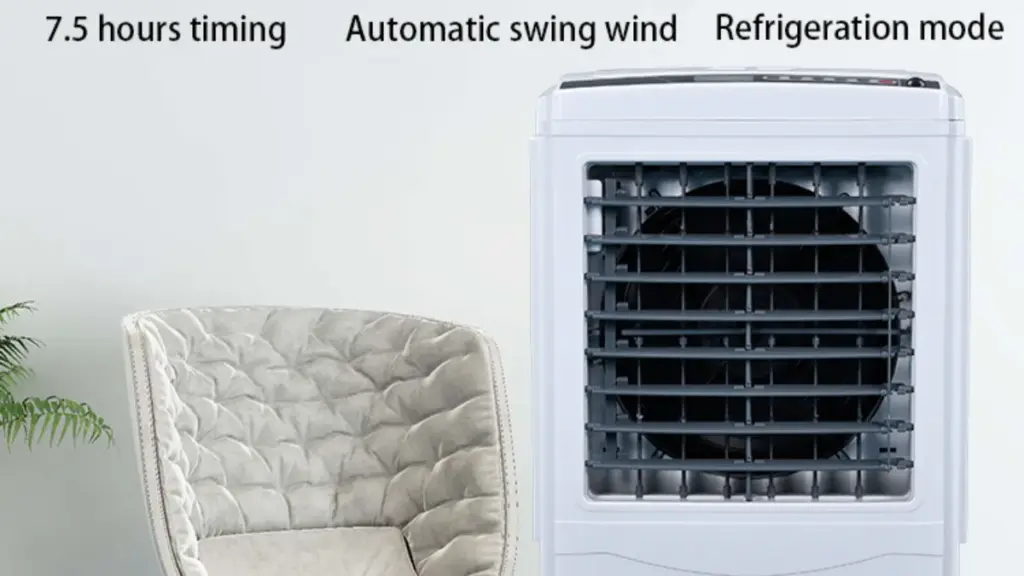
SAA certified air coolers deliver more than regulatory compliance. In industrial and commercial settings, they enhance workplace safety, reduce energy costs, and ensure reliable, long-term cooling performance. These benefits are especially valuable in facilities with continuous, high-load operation.
Safety and Compliance
Certified air coolers improve workplace safety by ensuring electrical and mechanical components meet rigorous standards. In industrial environments, even minor safety gaps can create serious risks. SAA certification reduces these hazards and helps facilities comply with Australian Work Health and Safety (WHS) regulations.
Additionally, certified units simplify procurement for government and commercial projects requiring verified safety credentials. Facilities can deploy air coolers with fewer compliance barriers and lower operational risk during inspections.
Energy Efficiency and Cost Savings
Energy costs are a major operational concern in industrial cooling. SAA certified evaporative air coolers offer an energy-efficient alternative to traditional AC systems, particularly in large spaces such as warehouses or workshops.
Unlike compressor-based systems, evaporative cooling reduces electricity demand, allowing stable cooling without overloading electrical infrastructure. Key benefits include:
- Reduced Energy Use: Up to 75% lower electricity consumption than conventional AC.
- High Airflow: Strong circulation for large industrial areas.
- Lower Operating Costs: Shorter payback period on the initial investment.
These advantages make certified units ideal for businesses focused on long-term efficiency.
Productivity, Air Quality, and Sustainability
Cooling quality directly affects worker productivity and indoor environmental comfort. Stable temperatures help reduce heat stress and maintain focus during intensive operations.
Evaporative systems continuously introduce fresh air, improving indoor air quality and reducing dust, odors, and airborne particles. They also operate without harmful refrigerants, supporting sustainability goals.
- Worker Comfort: Reduces heat stress and improves concentration.
- Air Quality Improvement: Fresh airflow dilutes contaminants and maintains a healthier workspace.
- Environmental Sustainability: Refrigerant-free operation lowers carbon footprint and supports ESG initiatives.
By combining comfort, air quality, and eco-friendly operation, SAA certified air coolers enhance both operational efficiency and sustainability.
How to Choose the Right SAA Certified Evaporative Air Cooler for Your Project
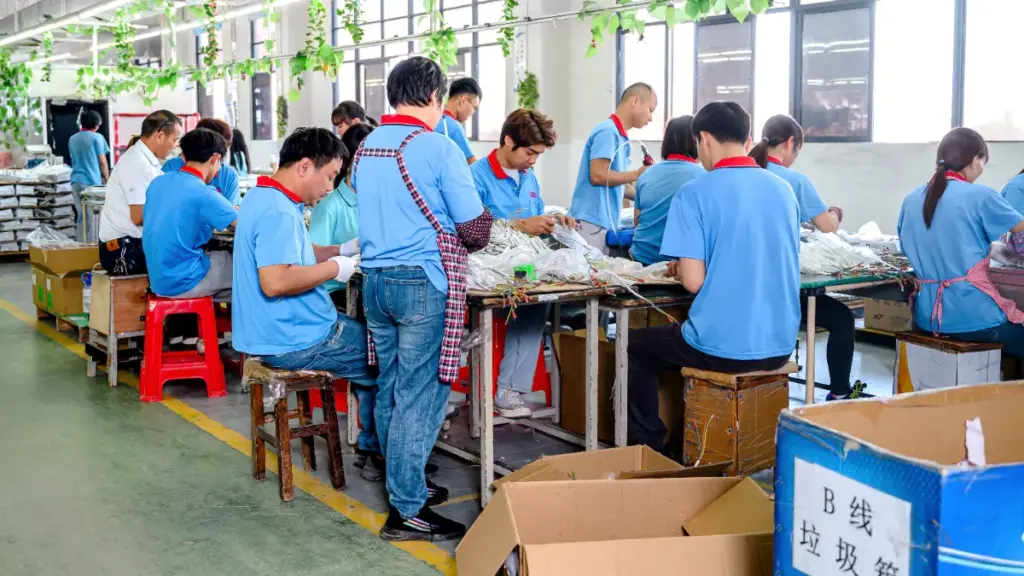
Selecting the right SAA certified air cooler requires more than comparing product specifications. It involves understanding compliance status, cooling demand, and long-term operational needs. A structured evaluation helps ensure the system delivers stable performance while meeting Australian safety requirements.
The following framework provides a clear and practical decision-making guide for industrial and commercial projects.
Selection Framework for SAA Certified Air Coolers
| Step | Key Action | Description |
|---|---|---|
| 1. Verify Certification | Check compliance documents | Confirm the SAA mark, approval number, and AS/NZS coverage match the exact product model. |
| 2. Define Requirements | Assess cooling demand | Calculate space volume, heat load, and required air changes per hour (ACH) for stable cooling performance. |
| 3. Evaluate Specifications | Compare technical data | Review airflow (CFM), power consumption (kW), noise level (dB), and water tank capacity to match operational needs. |
| 4. Match Application | Select suitable environment | Choose models based on usage scenarios such as warehouses, offices, retail spaces, or semi-open outdoor areas. |
| 5. Plan Lifecycle Support | Prepare long-term operation | Ensure maintenance planning, spare parts availability, and proper installation support for long-term reliability. |
Why Choosing the Right OEM Manufacturer Matters for SAA Products

Selecting a reliable OEM partner is essential for the success of SAA certified air coolers. The right manufacturer directly affects certification outcomes, production quality, and timely market delivery. For businesses and procurement teams, understanding these factors helps minimize risks and maintain consistent product performance.
Impact on Certification Feasibility
A skilled OEM ensures that every unit meets regulatory standards and provides accurate technical documentation for certification. Manufacturers with experience in SAA compliance anticipate common pitfalls, reducing the likelihood of certification failures. Choosing the right partner helps prevent costly delays and ensures smoother approval under AS/NZS requirements.
Ensuring Production Consistency
Production consistency is critical for maintaining certified quality. OEMs that implement ISO 9001 quality management systems prevent variations in components or assembly processes. This consistency ensures that every unit leaving the factory aligns with SAA certification standards, lowering the risk of product recalls, retailer disputes, or compliance issues during audits.
To better understand the full system, see our breakdown of How Does Yika Ensure the Best Quality.
Reducing Time-to-Market and Mitigating Risks
Experienced OEMs accelerate market readiness by streamlining testing, documentation, and packaging processes. They help businesses minimize compliance errors, avoid shipment delays, and reduce exposure to regulatory penalties. Partnering with capable manufacturers ensures that projects stay on schedule and certified products reach the market reliably.
Final Thoughts
Operating in Australia with non-compliant cooling equipment can lead to serious commercial, legal, and reputational risks. SAA certified air coolers provide a clear pathway to meet Australian safety requirements while ensuring stable performance in demanding industrial and commercial environments.
At Yika, we support global partners with certified manufacturing capabilities backed by ISO45001, ISO9001, ISO14001, and Sedex Supplier Plus membership. With a strong R&D team focused on continuous innovation, we deliver reliable SAA certified evaporative air cooler solutions that help businesses improve efficiency, maintain compliance, and build long-term operational confidence in the Australian market. Contact us to cooperate with reliable OEM partner.
Frequently Asked Questions
Is SAA certification mandatory for all air coolers in Australia by 2026?
SAA certification itself is not a direct legal mandate for every air cooler. However, all mains-powered air coolers sold in Australia must comply with national electrical safety and EMC standards. In practice, obtaining SAA-type certification and using the RCM mark is the standard industry method to prove this compliance, making it a commercial necessity for market access.
Can an overseas factory supply SAA-certified air coolers under a private label?
Yes. An overseas manufacturer can produce SAA-certified air coolers for an Australian private-label brand. This works as long as the certification is correctly structured—either held by the factory or the brand owner—and the Australian brand registers as the local ‘Responsible Supplier,’ ensuring the product, certificate, and markings align.
Does SAA certification for an air cooler need to be renewed?
Yes, SAA certification requires maintenance. The certificates typically have an expiry date and must be renewed. Additionally, the certification is tied to a specific product design. If any significant modifications are made to safety-critical components, electrical ratings, or construction, the certification must be re-evaluated and potentially updated to remain valid.
What key documents should an importer request for an SAA-certified air cooler?
An importer should request a full compliance file. This includes the official SAA Certificate of Approval for the specific model, complete electrical safety and EMC test reports from an accredited lab, a technical file with schematics and user manuals, and evidence of the manufacturer’s quality control system, such as an ISO 9001 certificate.
How do product modifications affect an air cooler’s SAA certification?
Product modifications can invalidate an SAA certificate. Any changes to critical safety components, electrical ratings, internal wiring, or the physical enclosure require a formal review by the certification body. Depending on the change, this may lead to limited re-testing or require a completely new certification before the modified product can be sold in Australia.