Skip to content

Restaurant patio heaters decide how many weeks a year your outdoor tables actually earn. A terrace that empties at the first cold snap is revenue walking out the door, and a heater program bought without thinking through fuel type, coverage, and mounting height wastes both the capex and the season it was meant to rescue.
This guide compares electric, propane, and natural gas patio heaters, gives a clear verdict on the electric vs. gas question for commercial use, and walks through the specs hospitality buyers should verify before ordering: wattage and coverage, enclosure protection for outdoor mounting, safety features, and how to match each heater type to the exact space you are heating.
Benefits of Outdoor Patio Heaters for Restaurants and Hotels
Outdoor patio heaters help restaurants and hotels extend seasonal operations, improve guest comfort, and make better use of outdoor seating areas.
- Extend Outdoor Dining Seasons: Patio heaters allow restaurants to keep outdoor seating areas operational during cooler spring and autumn evenings, turning otherwise unused tables into additional revenue opportunities without expanding indoor space.
- Improve Guest Comfort and Seating Capacity: Comfortable outdoor temperatures encourage guests to stay longer, order more, and return. Patio heating can also reduce indoor crowding during peak hours by making more outdoor seats available.
- Enhance the Outdoor Guest Experience: Hotels can use patio heaters to make poolside loungers, spa terraces, garden bars, and outdoor breakfast areas more comfortable across a longer part of the year.
- Reduce Heating Waste with Zoned Coverage: Infrared heaters warm people and nearby surfaces directly rather than relying on heated air. Strategically placed heaters can focus warmth on occupied seating zones instead of heating the entire outdoor area.

Types of Outdoor Patio Heaters
Restaurants can choose among three main types of outdoor patio heaters based on available utilities, seating layouts, and operating requirements.
Electric Patio Heaters
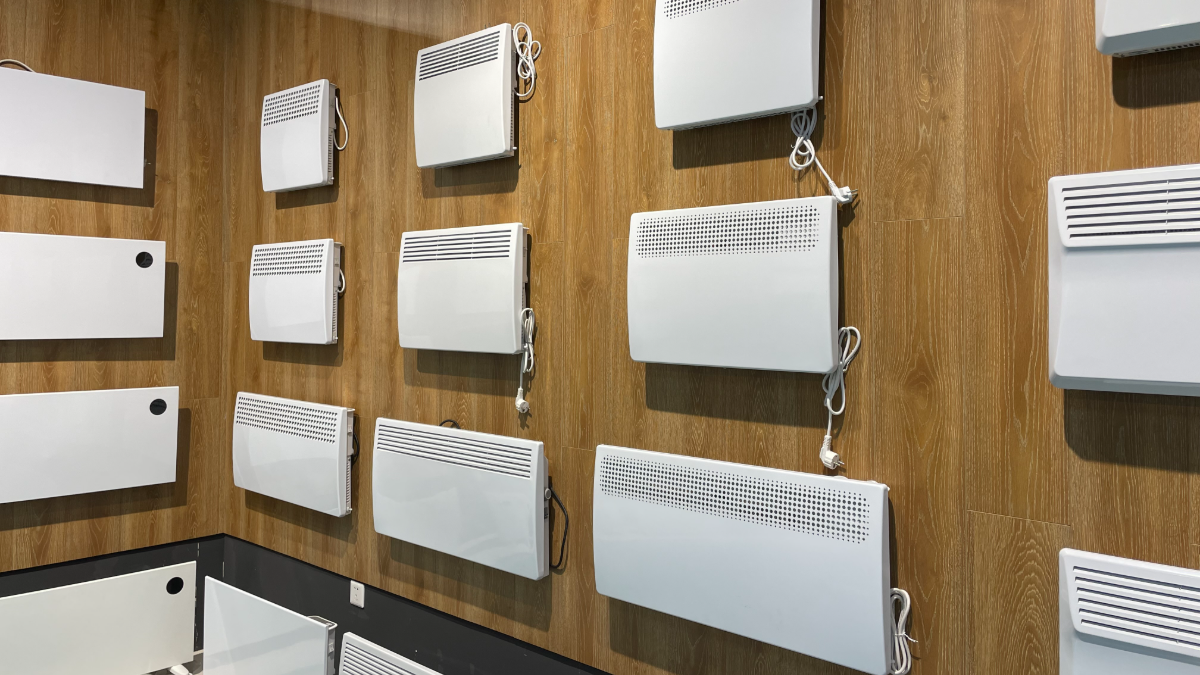
Electric patio heaters suit restaurants that need flexible installation and simple daily operation. Many commercial models use infrared elements, such as quartz or carbon fiber, to provide targeted warmth without burning fuel on-site. This also removes the need for gas cylinder storage and replacement.
Common designs include:
- Wall-Mounted Heaters: Save floor space and provide warmth along walls and outdoor seating areas.
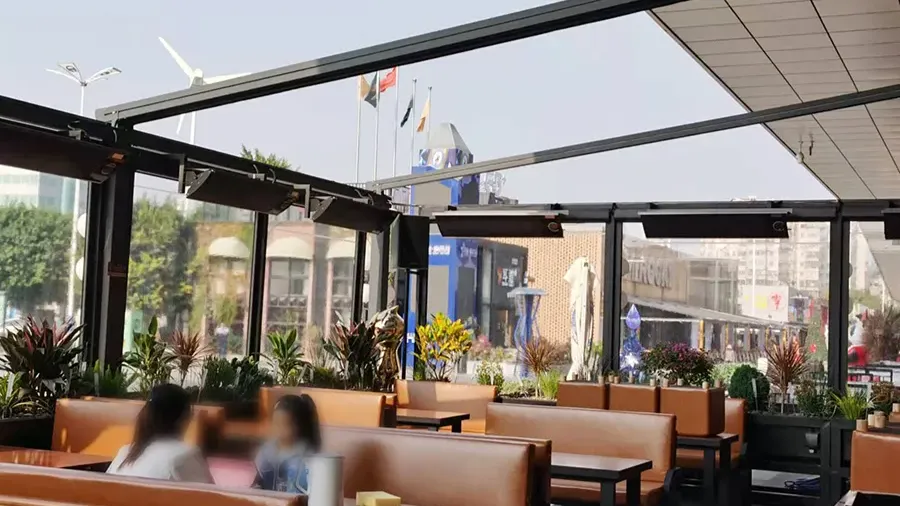
- Ceiling-Mounted Heaters: Fit covered terraces and keep the area beneath tables clear.
- Freestanding Heaters: Allow staff to adjust heater positions when seating layouts change.
- Tabletop Heaters: Provide localized warmth for smaller seating areas.
Electrical capacity also affects product selection. Many portable models in North America use 120 V circuits and draw around 1.2–1.5 kW, while commercial units designed for 230 V or 240 V supplies can offer higher output. Restaurants should check circuit capacity and installation requirements before adding multiple heaters.
Propane Patio Heaters
Propane patio heaters typically feature a freestanding design with a central burner and an overhead reflector. They use portable gas cylinders, so restaurants can position them without installing permanent gas lines or electrical connections.
This mobility makes them suitable for temporary terraces, outdoor events, and venues with limited utility access. However, operators must arrange cylinder storage, fuel replacement, and regular leak checks. Staff should also maintain the required clearance from umbrellas, awnings, furniture, and other combustible materials. Wind can reduce their effective heating range, making placement especially important on exposed terraces.
Natural Gas Patio Heaters
Natural gas patio heaters connect directly to a building’s gas supply, eliminating the need for portable cylinders during service. They work well in venues with existing gas connections and permanent outdoor seating arrangements.
Installation requires a qualified gas professional to assess the site, connect the supply line, and complete safety checks. Local permits and building requirements may also apply. Unlike portable propane units, natural gas heaters usually remain in fixed positions, and relocating them may require additional pipework.
For this reason, they often suit permanent rooftops, hotel terraces, and poolside areas with stable layouts. Restaurants that frequently rearrange outdoor seating may prefer a more flexible heating system.
Find the Right Patio Heating Solution for Your Venue
Electric vs. Gas Patio Heaters: Which Is Better for Commercial Use?
The better option depends on site conditions, energy costs, and daily operations, rather than heating technology alone.
| Comparison Factor | Electric Patio Heaters | Propane / Natural Gas Heaters |
|---|---|---|
| Heating Performance | Infrared models direct radiant heat toward specific seating areas. | Heat distribution depends on burner design, reflector type, and installation. |
| Wind Conditions | Radiant heat can maintain localized warmth in light airflow, depending on the heater type. | Wind can reduce heating comfort and affect burner performance on some models. |
| Installation | Requires suitable electrical circuits, outdoor-rated wiring, and secure mounting. | Requires a gas connection and professional installation, or cylinder storage and handling arrangements. |
| Running Costs | Depend on electricity rates, power consumption, and operating hours. | Depend on local fuel prices, consumption, deliveries, and maintenance. |
| Maintenance | Requires element and reflector cleaning, plus checks of mounts and electrical connections. | May require burner, ignition, hose, regulator, and gas connection inspections. |
| Safety and Compliance | No on-site fuel combustion or open flame; electrical safety and clearance requirements still apply. | Requires safe fuel handling, proper ventilation where applicable, and compliance with local gas safety codes. |
Heating Performance and Coverage
Actual heating comfort depends on heater output, mounting position, and outdoor conditions, not wattage alone.
Electric infrared heaters direct warmth toward specific seating zones, making them suitable for terraces with fixed tables or defined dining areas. However, mounting height, beam angle, and wind exposure all affect coverage. Gas heaters provide heat around the unit, with performance depending on burner and reflector design. They can suit scattered seating where electrical connections are difficult to install, although strong wind may reduce their effective heating range.
Restaurants should compare manufacturer coverage recommendations with their seating layouts before deciding how many units to install.
Installation Requirements and Operating Costs
Installation requirements often determine which system fits a venue. Electric heaters need sufficient circuit capacity, outdoor-rated wiring, and suitable mounting points. An electrician should check the existing supply before the restaurant installs multiple units.
Gas systems require different arrangements. Natural gas heaters need professional gas connections and may require permits, while propane models need safe cylinder storage and regular fuel replacement.
Operating costs depend on local energy prices and actual usage. Restaurants should consider four factors:
- Energy Prices: Compare local electricity and gas rates.
- Energy Consumption: Check each heater’s rated power or fuel use.
- Operating Hours: Estimate daily and seasonal usage.
- Zone Control: Switch off unused heating areas to reduce unnecessary consumption.
Electric systems allow operators to control individual heating zones, while gas may be more practical where suitable infrastructure already exists. For further cost-saving insights, see our guides on the difference between gas and electric heaters and how commercial electric heaters reduce operating costs.
Maintenance, Safety, and Environmental Considerations
Electric heaters mainly require regular cleaning and checks of elements, reflectors, mounts, and electrical connections. Gas models need additional burner, ignition, hose, and regulator inspections. Propane users must also train staff to handle cylinders safely.
Safety requirements vary by installation. Electric heaters have no open flame or on-site combustion, but operators must follow electrical safety rules and maintain proper clearance from combustible materials. Gas heaters require safe fuel storage and adequate ventilation. In semi-enclosed spaces, restaurants must also consider carbon monoxide risks and local restrictions.
Environmental impact matters as well. Electric heaters produce no direct combustion emissions, although their overall carbon footprint depends on the local power supply. Gas heaters release combustion emissions during use. Restaurants with sustainability targets should consider these differences alongside installation and operating costs.
For venues with sufficient electrical capacity, electric patio heaters can simplify daily operation. Gas remains a practical alternative where existing infrastructure makes installation easier.
What Should You Consider When Choosing Commercial Electric Patio Heaters?
Power requirements, installation conditions, and operating controls all affect how well electric heaters perform in commercial outdoor spaces.
Heating Power and Coverage Area
Match heater output to the available electrical supply and seating layout. Many North American plug-in models operate at 120 V with 1.2–1.5 kW output, while models for 230 V or 240 V markets may offer 2–3 kW or more. Check circuit capacity before connecting multiple units.
Higher wattage does not always mean better coverage. Actual heating performance also depends on mounting height, beam angle, and outdoor conditions. When planning multiple heating zones, consider:
- Mounting Height: Check the recommended installation height to ensure heat reaches the seating area.
- Coverage Area: Ask suppliers for coverage estimates at specific mounting heights.
- Heater Placement: Use several appropriately sized units to provide more even warmth across separate seating zones.
Installation Environment and IP Rating
Outdoor exposure determines the protection your heater needs. Covered terraces face different conditions from open rooftops or poolside areas. Check the IP rating to assess protection against dust and water. The second digit indicates water resistance, so choose a rating suited to the actual installation environment.
Coastal locations require additional protection because salt air can corrode metal housings and mounting hardware. Ask manufacturers about corrosion-resistant materials and finishes. Also confirm the required clearance from ceilings, awnings, umbrellas, and other combustible materials before finalizing heater positions.
Safety Features and Operating Costs
Safety requirements vary by heater design. Freestanding models should have tip-over protection, while overheat protection helps reduce operating risks. For wall- and ceiling-mounted units, check mounting stability, electrical protection, and required clearances. In busy dining areas, also consider the risk of accidental contact with hot surfaces.
Operating costs depend on power consumption, daily usage, and local electricity rates. You can estimate energy use with this formula:
Energy Consumption (kWh) = Power (kW) × Operating Hours
For example, a 2 kW heater running for five hours consumes 10 kWh. To manage usage across multiple seating zones, look for:
- Independent Controls: Switch off heaters in unoccupied areas.
- Timers: Set operating periods around restaurant service hours.
- Thermostats: Adjust heating based on temperature needs.
These features help restaurants manage energy use without heating every outdoor area throughout service.
How to Choose the Right Electric Patio Heater for Your Restaurant or Hotel?
A practical selection process starts with the venue layout, then compares heating performance and checks long-term installation and maintenance needs.
Match Heater Types to Your Outdoor Space
Start with a floor plan and identify where guests sit, how each area is covered, and whether the layout changes with the season. Different outdoor spaces call for different heater arrangements. The following examples can help narrow down suitable options.
| Outdoor Space | Main Consideration | Suitable Heater Arrangement |
|---|---|---|
| Covered Terrace | Even heat across fixed dining tables | Wall- or ceiling-mounted infrared heaters |
| Open Sidewalk Seating | Wind exposure and changing table layouts | Directional heaters positioned near occupied seating zones |
| Rooftop or Pool Deck | Weather exposure and permanent outdoor use | Fixed outdoor-rated heaters on suitable structures |
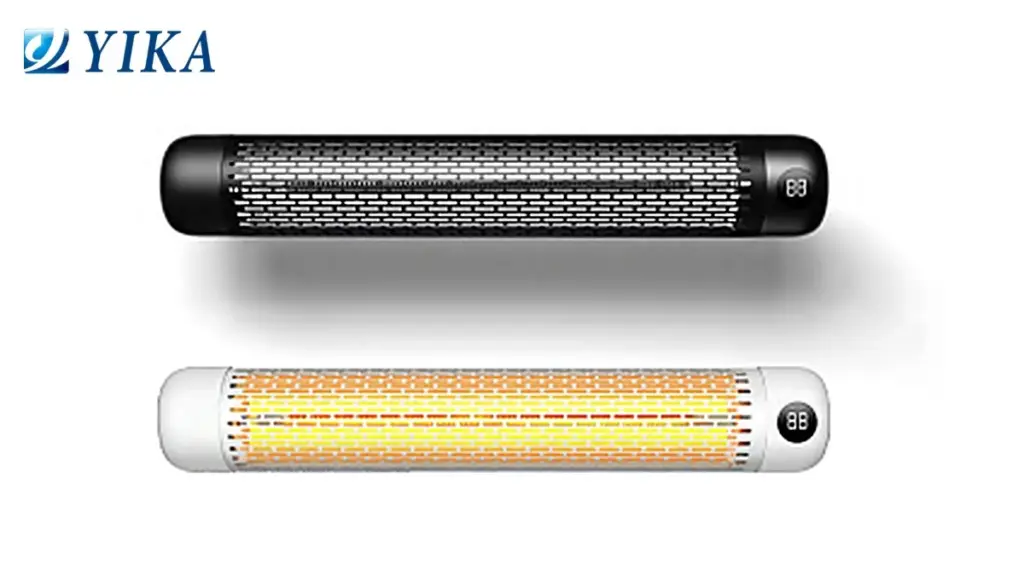
| Pergola Dining | Available mounting space and overhead structure | Slim heaters mounted between or beneath structural beams |
| Entrance and Queue Areas | Short waiting times and focused coverage | Directional overhead or wall-mounted heaters |
Compare Heating Performance and Energy Efficiency
Once you have matched the installation style to the space, compare how different heaters deliver warmth. Infrared wavelength affects how heat reaches people and nearby surfaces. Shortwave infrared can provide strong, direct radiant heat, which may suit exposed seating areas. Medium-wave models offer a different heat profile and may work well in covered spaces where guests sit for longer periods.
The heating element also matters. Carbon fiber elements, for example, are used in some infrared heaters and can affect warm-up behavior, light output, and service life. However, these features vary by model. Compare the manufacturer’s performance data and operating specifications rather than choosing by element material alone. For more detail, see our carbon fiber infrared heater guide.
Consider Installation Flexibility and Maintenance Requirements
Think about how the venue may change over time. Fixed heaters provide stable coverage and keep floor space clear, making them suitable for permanent terraces and hotel dining areas. Freestanding models offer more flexibility for restaurants that rearrange tables, host outdoor events, or change seating layouts between seasons.
After narrowing down the options, check the supplier’s long-term support. Ask whether replacement elements, reflectors, and other common spare parts are available, and confirm the recommended maintenance schedule. Also check the warranty terms and expected parts supply time. Reliable after-sales support helps reduce downtime and keeps your electric patio heaters in service throughout the operating season.
Recommended Electric Patio Heaters
Electric patio heaters come in different designs to suit various outdoor layouts and heating requirements. The following product series cover wall-mounted, ceiling-mounted, and freestanding configurations, with different power ratings, weather protection levels, and control options. Each is suited to a different type of commercial outdoor space.
THC Darklight
- Configuration: Wall or ceiling mounted
- Power Options: 1,200 / 1,800 / 2,400 / 3,000 W
- Ingress Protection: IP44
- Controls: Remote control, WiFi app (Alexa / Google), 5–45 °C thermostat, and 24-hour timer
- Best For: Covered terraces and pergolas
QHA / QHB Carbon Fiber
- Configuration: Wall-mounted, ceiling-mounted, or adjustable tripod stand
- Power Options: 1,200–3,200 W (1,500 W on 120 V)
- Ingress Protection: IP65
- Controls: Remote control, optional WiFi and body sensor, thermostat, and weekly timer
- Best For: Open, windy sidewalk and rooftop seating
QHD Freestanding Tower
- Configuration: Floor-standing with touch control
- Power Options: 1,500 / 2,000 W
- Ingress Protection: Not stated in the catalog
- Controls: Touch screen, 4 heat levels, and 24-hour timer
- Best For: Reconfigurable layouts and seasonal setups
For commercial buyers, the choice depends on more than heating power. Mounting options, exposure to rain and dust, available electrical supply, and control requirements should all be considered before selecting a model.
Final Thoughts
A suitable electric patio heater setup depends on the site’s power supply, outdoor exposure, and seating layout. Fuel type, mounting options, wattage, and ingress protection all affect how well the system performs in commercial spaces. Before placing an order, verify circuit capacity and check the heater’s IP rating against the expected exposure to rain, dust, and wind.
Start with a site assessment: measure each outdoor zone, note its roof coverage and wind exposure, and mark the main seating areas. YIKA can use this information to recommend an electric patio heater layout, including unit positions, power ratings, and mounting heights for each zone. Contact the YIKA team to discuss your project requirements.
Frequently Asked Questions
What Type of Patio Heater Is Best for Restaurants?
For most restaurants, electric infrared heaters in wall-, ceiling-mounted, or freestanding formats are the best fit: they warm guests directly, need no fuel handling on the dining floor, and switch per zone as tables fill. Gas units make sense mainly where no power reaches the seating area.
Are Electric Patio Heaters Better Than Gas Heaters?
For commercial hospitality, usually yes: no cylinders or combustion near guests, zone-level switching that cuts runtime, simpler maintenance, and easier compliance in semi-enclosed spaces. Gas retains the advantage only on unpowered or fully open sites where portability outweighs everything else.
How Many Watts Does a Commercial Patio Heater Need?
Typical electric units run 1.2–1.5 kW on 120 V North American circuits and 2–3 kW on 230 V supplies. Plan overlapping comfort zones from several right-sized units rather than one high-wattage heater, and confirm circuit capacity with an electrician before ordering.
Are Electric Infrared Heaters Suitable for Open Outdoor Spaces?
Yes, when they are specified for the exposure: shortwave elements hold their warming effect in moving air, enclosures must match the site’s moisture and dust conditions, and mounting height must follow the coverage figures. Ask the supplier for coverage data and IP test reports before buying.
What IP Rating Is Suitable for Outdoor Electric Heaters?
It depends on exposure: an IP code’s two digits rate protection against solids and against water, and an open deck demands more than a covered terrace. Require the supplier to state each model’s specific rating and provide its IP test report rather than accepting a generic weatherproof claim.