Many people choose bedroom heaters based only on price or appearance, but this often leads to uneven heating, poor sleep quality, or unnecessary energy waste. In some cases, wrong sizing or high noise levels can even make night use uncomfortable and unsafe.
This guide helps you choose the right electric bedroom heater by focusing on key decision factors such as heating power, noise level, safety, energy efficiency, and heater type. You will learn how to match a heater to your room conditions and daily sleep needs for stable, safe, and efficient use.
Determine the Right Heating Power for Bedroom Size
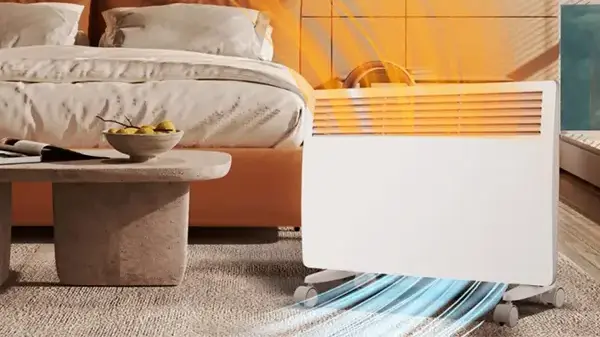
Heating power is the base of bedroom comfort. If the wattage is too low, the room stays cold and unstable. If it is too high, the heater wastes energy and creates uncomfortable temperature swings during sleep. Correct sizing ensures steady warmth with better efficiency.
Calculate Wattage Based on Room Area
A simple rule helps estimate the right heating capacity: 10W per square foot. This provides a practical starting point for most bedroom layouts.
- Small bedroom (5–10 m²): 500–1000W
- Medium bedroom (10–20 m²): 1000–1500W
- Large bedroom (20–30 m²): 1500–2500W
This baseline supports stable heating without forcing the heater to run at maximum power all the time. It also reduces unnecessary energy consumption and improves temperature consistency during sleep.
Adjust for Insulation and Climate Conditions
Room conditions directly affect real heating demand, so wattage must be adjusted beyond simple room size calculations.
- Poor insulation: Increases heat loss through windows, doors, and external walls
- High ceiling height: Requires more energy to maintain stable temperature at sleeping level
- Cold climate conditions: Increase nighttime heat demand significantly
In real applications, a poorly insulated bedroom may require 20–30% more heating capacity than a well-sealed space. Therefore, insulation quality is just as important as room size when selecting a heater.
Avoid Oversized or Undersized Heating Risks
Incorrect heater sizing often leads to long-term performance issues that affect comfort, efficiency, and equipment lifespan.
- Oversized heater: Causes short cycling, unstable temperature swings, and energy waste
- Undersized heater: Runs continuously but cannot reach the required comfort level
A properly matched heater maintains stable output and reduces mechanical stress on internal components. This helps improve energy efficiency, reduce noise fluctuations, and extend system lifespan.
Evaluate Noise Level for Sleep Comfort
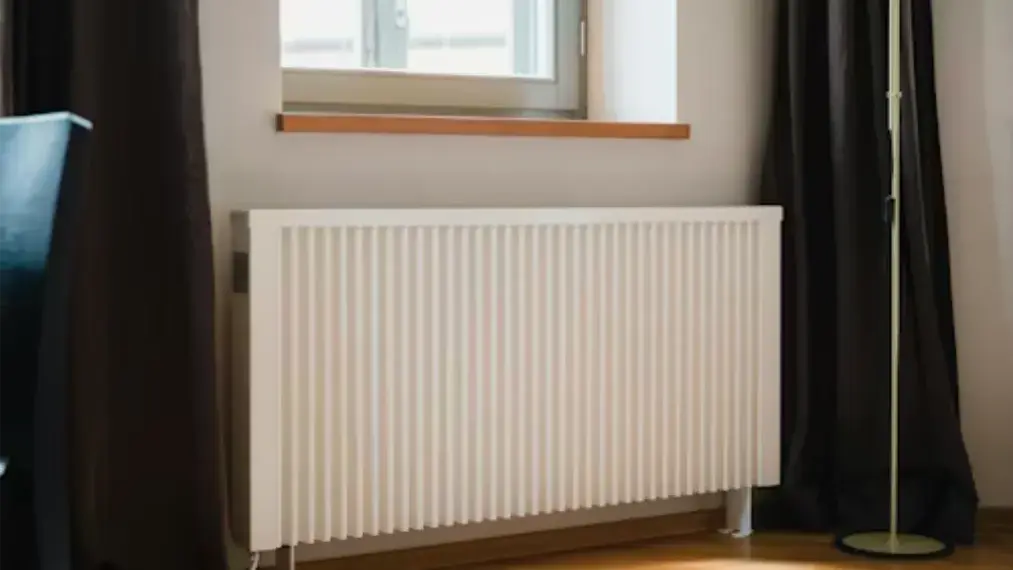
Noise level plays a critical role in bedroom comfort, yet it is often underestimated when selecting a heater. Even low and constant sound can interrupt deep sleep cycles and reduce overall rest quality. For this reason, acoustic performance should be evaluated as carefully as heating output.
Understand Safe Bedroom Noise Thresholds
A quiet bedroom typically stays within 25–30 dBA, which supports deep and uninterrupted sleep. For electric heaters, anything under 40 dBA is generally acceptable for overnight use, while levels above this may disturb light sleepers. The World Health Organization also recommends keeping night-time noise as low as possible to protect long-term sleep quality.
Compare Heater Technologies by Noise Output
Different heating technologies produce different acoustic profiles. Understanding this difference helps match the heater to your sleep sensitivity and room environment.
| Heater Type | Noise Level | Suitability for Bedroom Use |
|---|---|---|
| Oil-filled radiators | Near silent | Best for overnight sleep |
| Ceramic heaters | Low to moderate | Balanced performance |
| Infrared heaters | Silent (no fan) | Good for targeted heating |
| Fan heaters | High noise | Not ideal for bedrooms |
Oil-filled radiators are often preferred for sleep use because they operate without fans. Ceramic heaters can also work well if they include low-noise or night modes. In contrast, fan heaters usually generate continuous airflow noise, which may disrupt sensitive sleepers.
Identify Sleep Disruption Sources at Night
Sleep disruption does not come only from fan noise. Small mechanical sounds can also affect sleep quality, especially in quiet environments. Common sources include thermostat clicking during cycling, sudden fan speed changes, and airflow turbulence in high-power mode. These irregular sounds are often more noticeable at night and can interrupt deep sleep cycles.
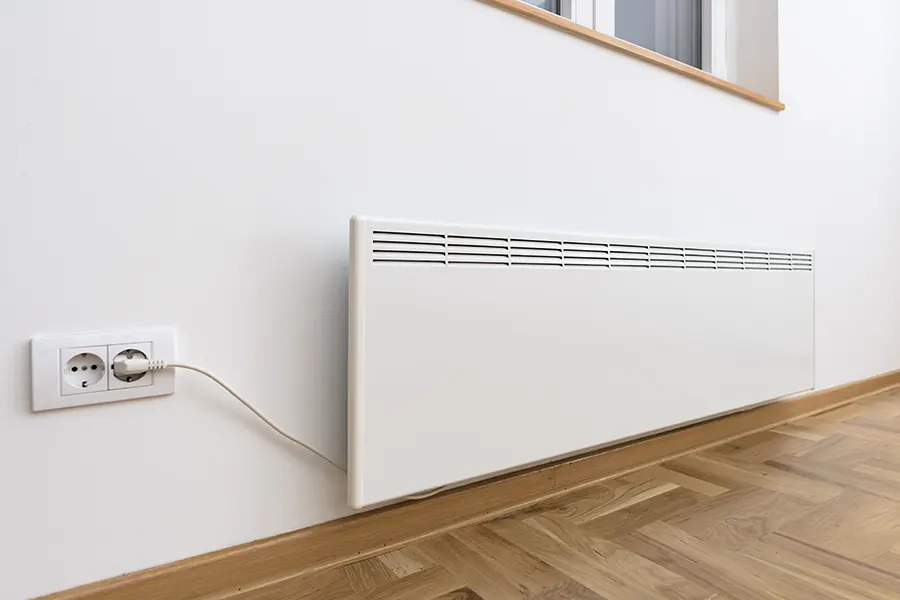
Source Premium, Quiet Bedroom Heating Solutions
Check Essential Safety and Protection Systems
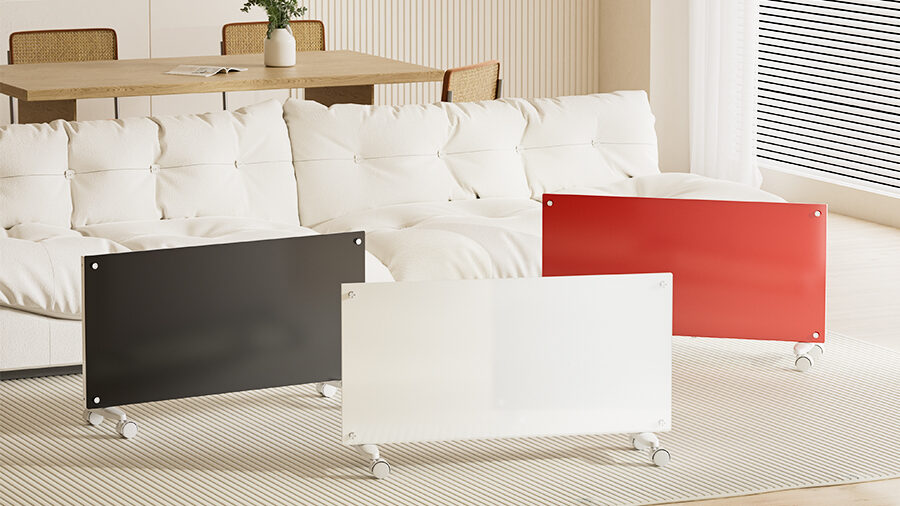
Safety is one of the most important factors for bedroom heaters, especially because they often run for long hours during sleep. A reliable unit must include multiple layers of protection to reduce fire risk, overheating issues, and accidental hazards.
Required Safety Certifications for Bedroom Use
Before choosing a heater, always check for internationally recognized safety certifications. These standards confirm that the product has passed strict electrical and fire-resistance testing.
- UL certification
- ETL certification
- CSA certification
These certifications ensure the heater meets essential safety requirements for residential use. They also indicate better build quality and lower risk of electrical failure during long operating hours.
Automatic Shutoff and Overheat Protection
A safe bedroom heater must include built-in protection systems that respond immediately to abnormal conditions. These functions help prevent accidents when the heater runs unattended at night.
- Tip-over switch: Cuts power immediately if the heater is knocked over
- Overheat protection: Stops operation when internal temperature exceeds safe limits
- Thermal cutoff system: Prevents long-term damage from sustained overheating
Together, these mechanisms create a multi-layer safety system. They are essential for overnight use, especially in homes with children, pets, or soft flooring materials like carpets.
Safe Placement and Fire Prevention Rules
Even the safest heater can become risky if it is placed incorrectly. Proper positioning is a key part of fire prevention and stable performance.
- Keep at least 3 feet (1 meter) distance from curtains, bedding, and furniture
- Avoid placing the heater in narrow walkways or high-traffic areas
- Plug directly into a wall outlet and avoid extension cords
Good placement also improves airflow around the unit. This not only reduces fire risk but also helps the heater operate more efficiently and maintain stable heat distribution across the room.
Improve Energy Efficiency and Reduce Operating Cost
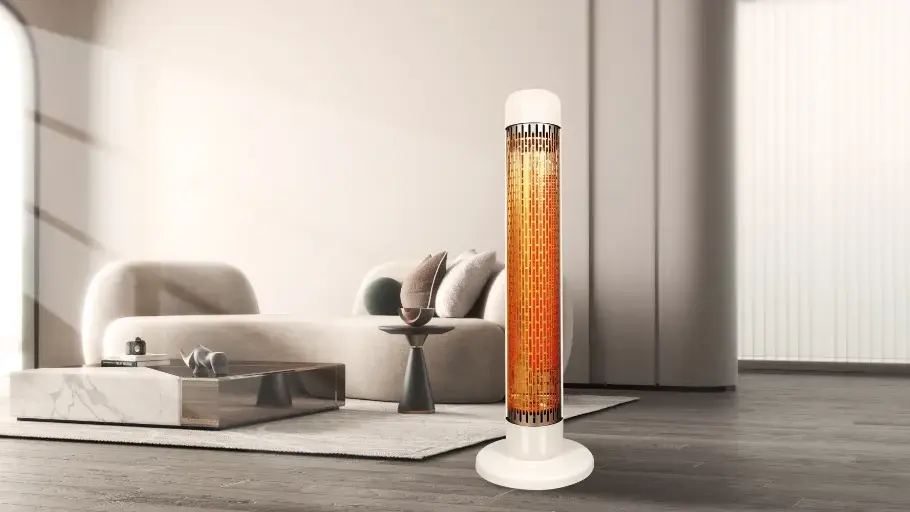
Energy efficiency directly affects long-term electricity cost, especially during cold seasons when heaters run for extended hours. A well-optimized setup not only reduces power consumption but also improves temperature stability and overall comfort.
How Wattage Impacts Electricity Consumption
Electric heaters convert almost all electricity into heat, so efficiency depends mainly on wattage size and operating time, not conversion loss.
Key factors that influence real electricity cost include:
- Wattage level: Higher wattage consumes more power per hour
- Running time: Longer operation increases total energy usage
- Room insulation: Poor insulation leads to continuous heat loss and higher consumption
A properly sized heater is essential because it avoids constant full-power operation. When the unit matches the room size correctly, it cycles more efficiently and reduces unnecessary energy waste while maintaining stable comfort.
Thermostat and Eco Mode Functionality
Modern electric heaters improve efficiency through intelligent control systems that adjust output based on real-time conditions. These features help maintain comfort without continuous manual adjustment.
- Thermostat control: Automatically maintains a stable temperature by cycling power on and off
- Eco mode: Reduces energy output once the target temperature is reached
- Timer function: Limits operating time to avoid unnecessary overnight energy use
Together, these functions prevent overheating and reduce power waste. More importantly, they stabilize indoor temperature, which improves both sleep comfort and long-term energy efficiency.
Insulation and Room Efficiency Factors
Energy efficiency is not only determined by the heater itself. The thermal condition of the room plays an equally important role in total energy consumption.
- Window sealing: Reduces heat loss through gaps and improves heat retention
- Thermal curtains: Help trap warm air inside the room during the night
- Door insulation: Prevents cold air infiltration and stabilizes indoor temperature
When insulation is improved, the heater does not need to work as hard to maintain comfort. As a result, even a lower-wattage unit can perform effectively, reducing both energy cost and system load over time.y space.
Choose the Right Heater Type and Installation Setup
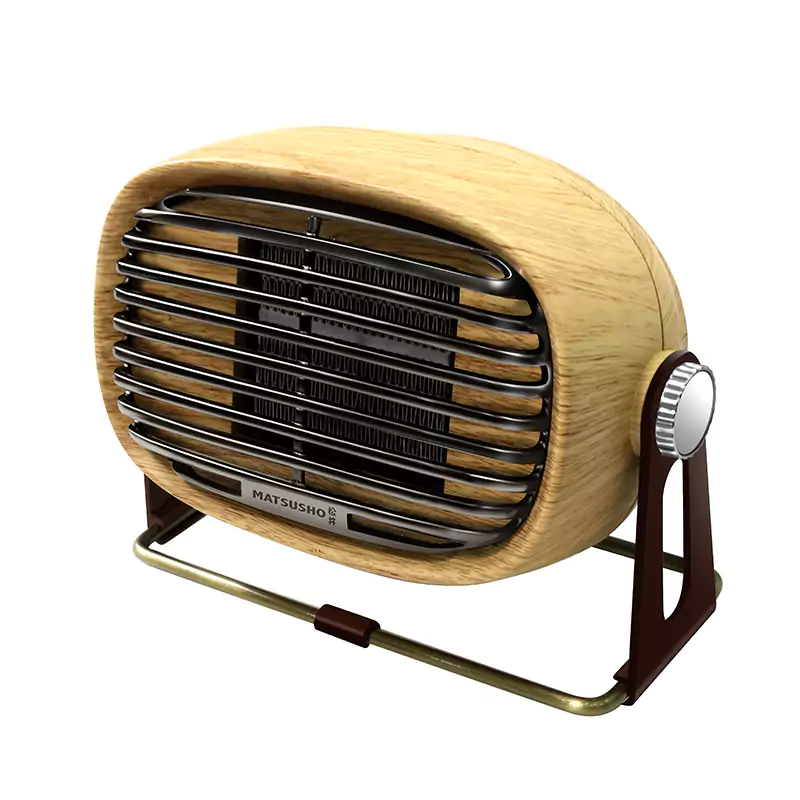
Different heater types and installation methods directly affect sleep comfort, safety, and heating efficiency. Choosing the right combination helps match the heater to both room conditions and personal sleep habits.
Oil, Ceramic, and Infrared Heater Comparison
Each heating technology works in a different way, so their performance varies in terms of speed, noise, and heat distribution. Understanding these differences helps you avoid mismatched choices.
- Oil-filled radiators: Provide silent and steady heat, making them ideal for overnight use and light sleepers
- Ceramic heaters: Heat up quickly and offer balanced performance, but they produce moderate fan noise
- Infrared heaters: Deliver direct warmth to objects and people, suitable for targeted heating instead of full-room use
For most bedrooms, oil-filled and ceramic heaters offer the best balance between comfort, efficiency, and usability. Oil models are better for all-night stability, while ceramic units are more suitable for quick heating before sleep.
Correct Placement for Safe Heat Distribution
Proper placement is essential for both heating performance and safety. Even a high-quality heater can perform poorly if airflow is blocked or heat is not distributed evenly.
- Do not block airflow with furniture or curtains, as this reduces heating efficiency
- Avoid pointing the heater directly at the bed for long periods to prevent discomfort and dryness
- Place the unit in an open circulation area to support even heat distribution across the room
Good placement improves both thermal balance and energy efficiency. It also reduces overheating risks and helps maintain a more stable indoor environment throughout the night.
Space Design and Convenience Features
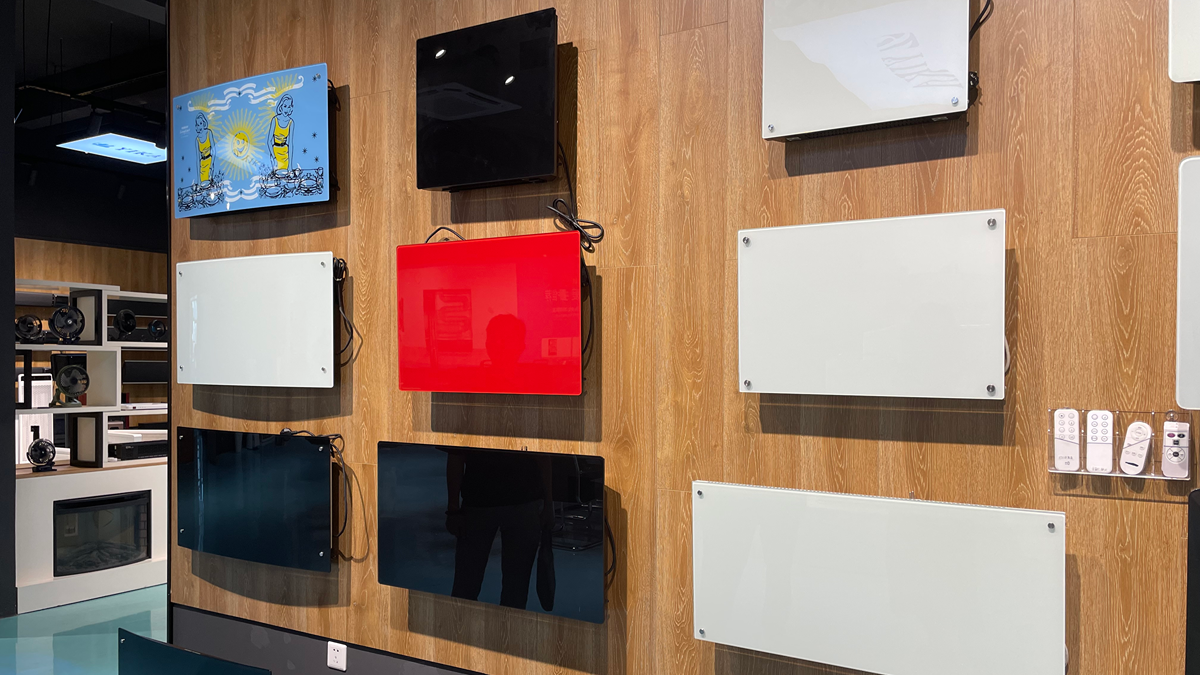
Modern bedroom heaters are designed to improve usability while saving space in compact environments. Compact structures fit easily into small bedrooms, while wall-mounted designs reduce floor occupation and improve safety. Remote controls and timers further improve convenience by allowing users to adjust settings without leaving the bed. These features help maintain stable comfort with less manual operation.
Final Selection Checklist
Before buying, quickly check all key factors together to ensure safe and efficient bedroom use.
Match Heater Type to Sleep Habits
- Light sleepers prefer oil-filled heaters for silent operation
- Fast heating users benefit from ceramic heaters
- Targeted heating works best with infrared models
Balance Safety, Noise, and Efficiency
- Safety: Ensures protection from overheating, tipping, and electrical faults
- Noise level: Must stay below 40 dBA to maintain sleep comfort
- Energy efficiency: Reduces long-term electricity cost while maintaining stable heating performance
Final Pre-Purchase Checklist
| Factor | Requirement |
|---|---|
| Power | Correct wattage for room size |
| Noise | Under 40 dBA |
| Safety | UL / ETL / CSA certified |
| Control | Stable thermostat or eco mode |
| Space | Safe clearance from furniture |
Frequently Asked Questions
Which type of heater is the quietest for a light sleeper?
Fanless radiant or infrared panels and oil-filled radiators are the quietest choices because they lack moving parts and generate zero fan noise. If you prefer a fan-forced option, choose low-noise ceramic models engineered to operate below 45 dBA, which easily blend into standard background noise.
Which room heater is best for asthma patients?
Asthma patients benefit most from infrared panels or fanless ceramic convection heaters. These models provide consistent warmth without using fans that circulate dust, mold, and pet dander around the bedroom. Always avoid unvented combustion heaters that release respiratory irritants like nitrogen dioxide.
Will an electric heater dry out the air and cause a dry throat?
Electric heaters warm the existing air without adding moisture, which drops the relative humidity and frequently causes dry throats overnight. Radiant and oil-filled models dry the air less aggressively than forced-air heaters. Pairing your heater with a portable humidifier and keeping the room between 40-50% humidity provides the best relief.
Final Thoughts
Choosing the ideal bedroom electric heater is not only about heating output, but about balancing comfort, safety, noise control, and energy efficiency in real use conditions. When these factors match the room environment properly, the heater supports stable sleep and daily comfort instead of becoming a source of risk or inefficiency.
For long-term performance and reliable overnight use, selecting well-designed bedroom electric heaters from Yika can help ensure consistent temperature control, safer operation, and improved energy efficiency across different bedroom setups. Consult us for turnkey solutions for your project!