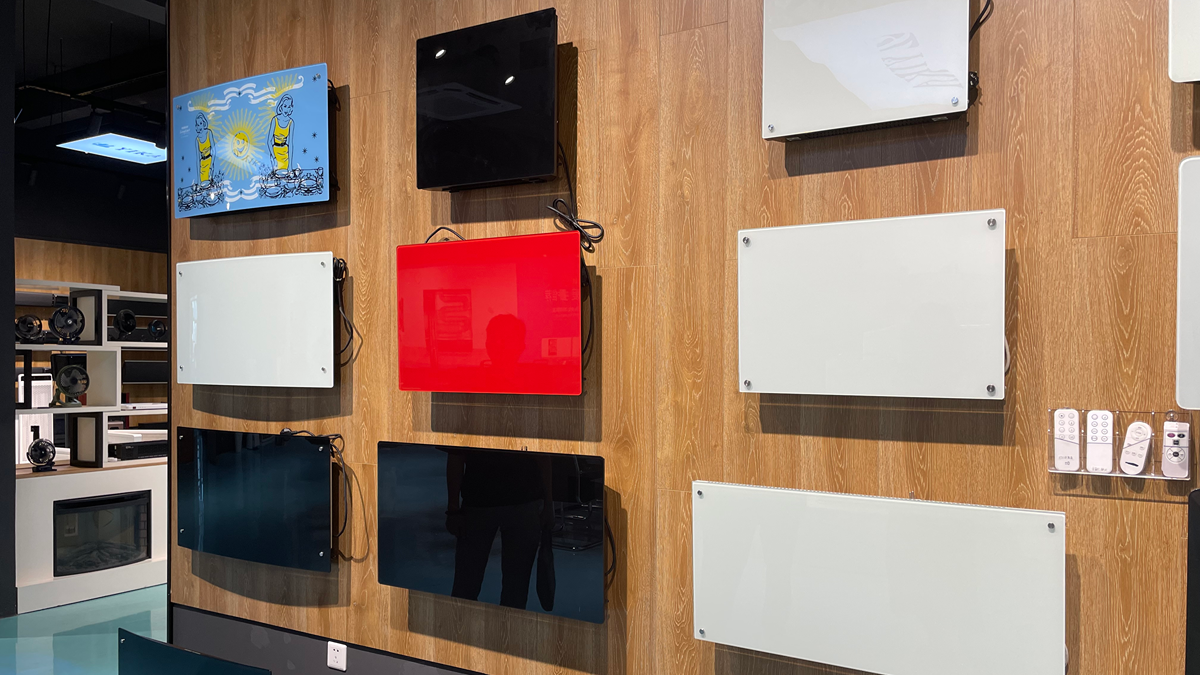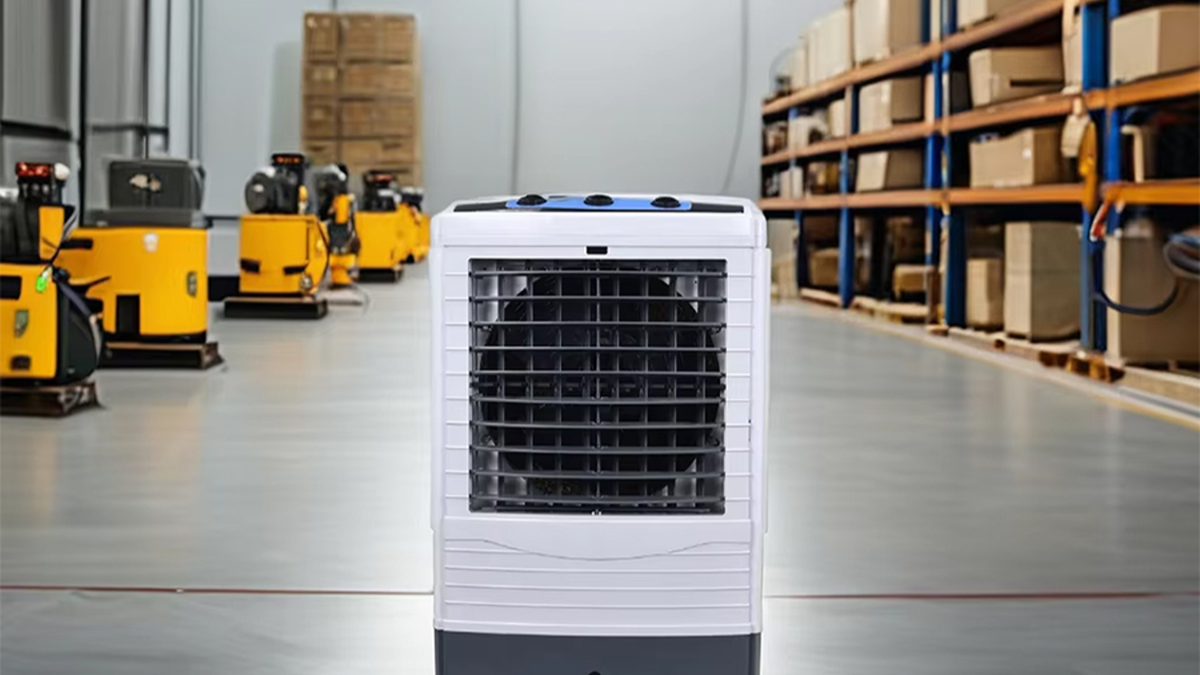
Different types of electric heaters perform differently in real heating environments. A heater that works well for steady room heating may not be the right fit for a workspace that needs fast, targeted warmth. Differences in heat distribution, heating speed, installation, noise, and operating time can affect comfort, energy use, and overall product performance.
For distributors, commercial buyers, and OEM customers, the key is to match the heater type with the application rather than judge products by wattage alone. This guide helps you identify the different types of heaters, understand where each type works best, and avoid common mismatches when sourcing heaters for residential, commercial, or industrial use.
What Are the Main Types of Electric Heaters?
Electric heaters vary in heating performance and design, so each type fits different room sizes, comfort needs, installation conditions, and operating environments.
Electric heaters can be grouped into several types of electric heaters based on how they transfer heat, how they are installed, and where they are used. The main types include:
- Convection heaters – Warm the surrounding air through natural air circulation and provide relatively even room heating.
- Infrared heaters – Use radiant heat to warm people, objects, and surfaces directly, making them suitable for targeted heating.
- Fan heaters – Use a fan to move heated air around the room and provide fast heat distribution.
- Radiant and halogen heaters – Deliver direct radiant heat with a fast response, often for localized heating.
- Ceramic and PTC heaters – Use ceramic heating elements or PTC technology, commonly found in compact and fan-assisted heaters.
- Multifunctional electric heaters – Combine heating modes or additional functions such as temperature control, timers, or fan-assisted heating.
- Portable and wall-mounted heaters – Describe installation and placement rather than a separate heating technology. A convection heater, infrared heater, or other model can be designed as a portable or wall-mounted unit.
- Commercial and industrial electric heaters – Are designed for larger spaces, longer operating periods, higher heat demands, or more demanding working environments.
These categories can overlap. For example, a wall mounted space heater may use convection technology, while a ceramic heater may also be a fan heater. The heating method, heater technology, installation type, and intended application should therefore be considered together.
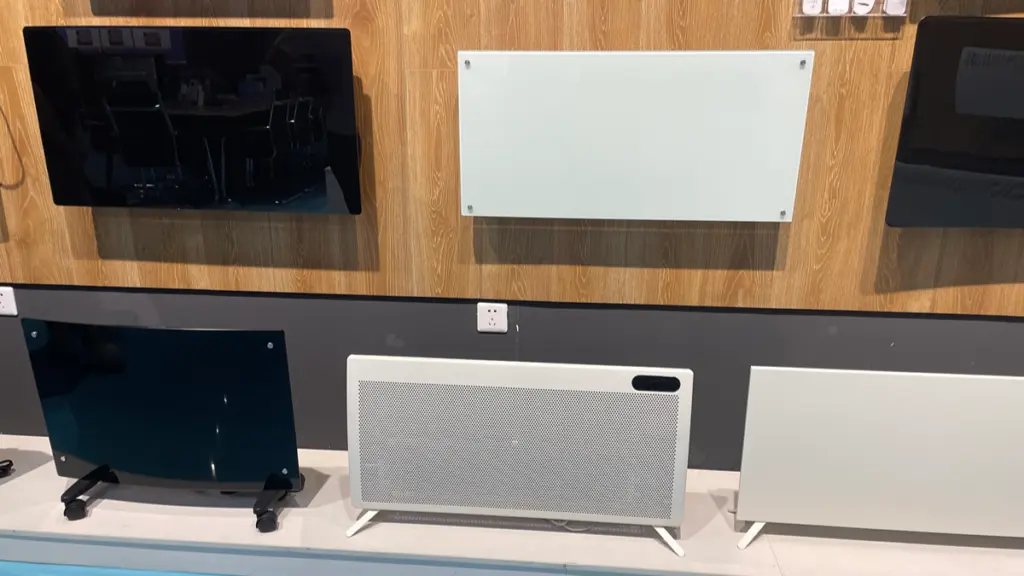
Convection Heaters for Even and Continuous Room Heating
Convection heating suits enclosed spaces that need stable warmth over time, especially when quiet operation and relatively even temperature distribution matter.
Working Principle
A convection heater warms the air around its heating element. Cooler air enters the heater, becomes warmer, and rises into the room, creating natural air circulation without a fan.
Pros of Convection Heaters
- Even and steady heating: Natural air circulation helps distribute warmth throughout an enclosed room and maintain a relatively stable temperature.
- Quiet operation: Without a fan, convection heaters produce very little operating noise and do not create strong airflow.
- Flexible installation: Freestanding and wall-mounted designs can adapt to different room layouts while supporting different space and installation requirements.
Cons of Convection Heaters
- Slower heating response: Natural air circulation takes time to raise the overall room temperature, so the heater may not provide immediate warmth after startup.
- Performance depends on room conditions: Poor insulation, high ceilings, frequent air exchange, and significant heat loss can reduce heating effectiveness.
- Less suitable for targeted heating: Convection heating works better for continuous room heating than for spaces that need fast or highly localized warmth.
Applications
Convection heaters are particularly suitable for enclosed spaces that require quiet, continuous heating:
- Residential rooms: Bedrooms, living rooms, and other enclosed areas where users need stable warmth over longer periods.
- Offices and meeting rooms: Quiet operation helps maintain comfort without adding fan noise or strong airflow.
- Hotels and guest rooms: Freestanding and wall-mounted designs can adapt to different room layouts and installation requirements.
- Small retail and commercial spaces: Convection heating can help maintain a comfortable indoor temperature throughout business hours.
- Other enclosed spaces: Areas with stable occupancy and relatively low air exchange can benefit from continuous room heating.
For manufacturers and distributors, convection heaters can also support different product configurations. Power ratings, thermostats, timers, controls, mounting options, and exterior designs can be adapted to meet the requirements of different markets and applications.
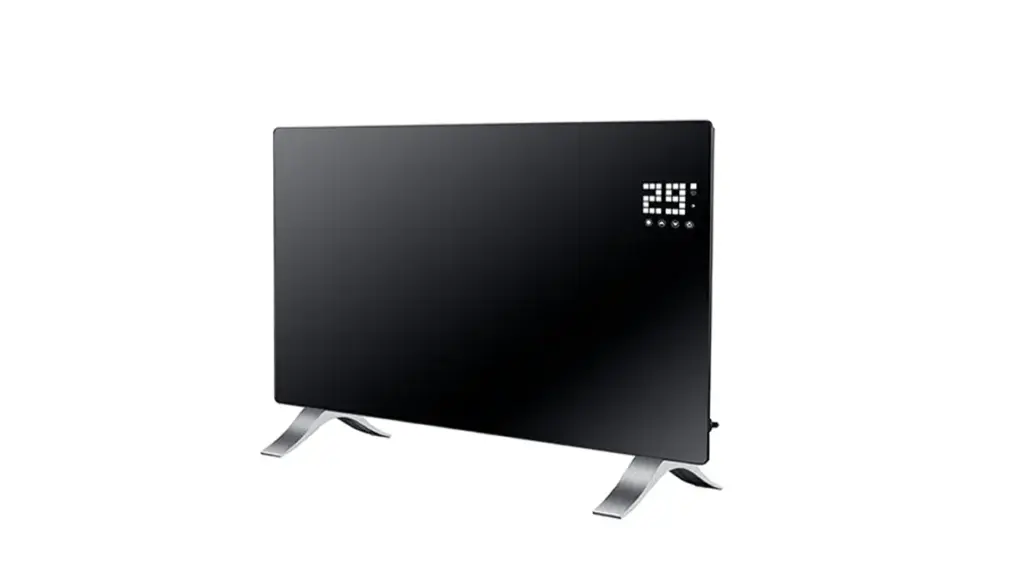
Maximize Productivity With Reliable Industrial Heating
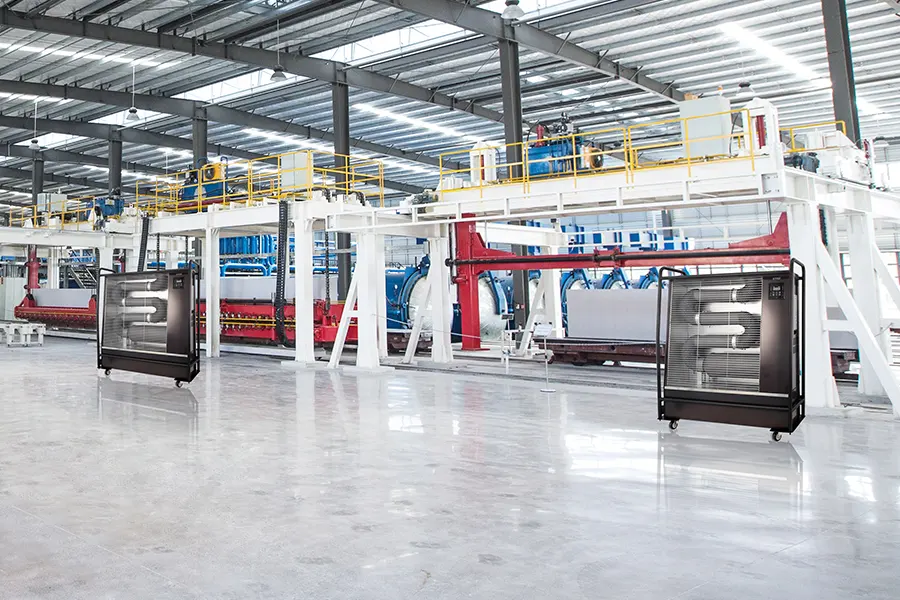
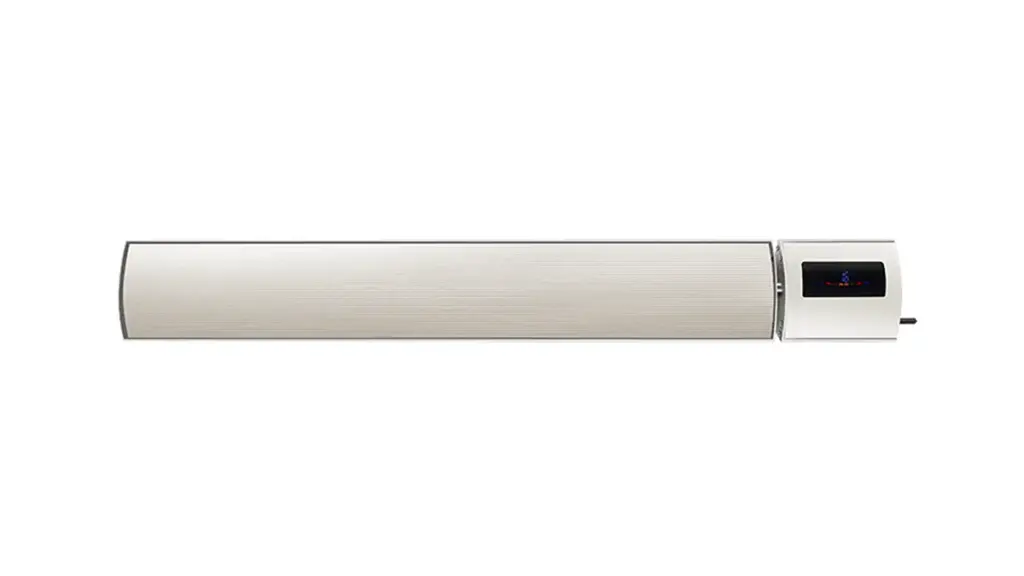
Infrared Heaters for Direct and Targeted Heating
Infrared heating works well when users need fast, localized warmth, especially in spaces where heating the entire air volume is not necessary.
Working Principle
An electric infrared heater uses radiant energy to transfer heat directly to people, objects, floors, walls, or other surfaces within its effective range. Unlike convection heating, it does not rely mainly on heating and circulating the surrounding air.
Pros of Infrared Heaters
- Fast perceived warmth: Infrared heating can make people and surfaces feel warm quickly after the heater starts operating.
- Targeted heating: Heat can be directed toward specific areas, helping provide comfort without heating the entire space to the same temperature.
- Quiet operation: Infrared heaters do not require a fan, so they produce very little operating noise and create minimal air movement.
- Suitable for challenging spaces: Radiant heating can remain effective where high ceilings, air movement, or partial openness make conventional air heating less efficient.
Cons of Infrared Heaters
- Limited coverage: Areas outside the effective radiation range may receive less direct heat, making infrared heating less suitable for uniform whole-room heating.
- Placement affects performance: Heating direction, installation height, distance, and the position of users or objects can significantly influence the heating effect.
- Less suitable for large enclosed spaces: Multiple units or careful positioning may be required when the application needs broader and more consistent heat distribution.
Applications
Infrared heaters are best suited to applications where heating needs to reach specific people, work areas, or occupied zones rather than the entire space:
- Targeted residential heating: Living rooms, balconies, and specific seating areas where users need direct warmth.
- Workstations and individual work areas: Offices, workshops, and other spaces where localized heating can improve comfort without heating the entire area.
- Restaurants and hospitality spaces: Dining areas, reception zones, and covered outdoor areas that need direct warmth for guests or staff.
- Semi-outdoor spaces: Covered terraces, patios, balconies, and other partially open areas where heating the surrounding air may be less effective.
- Commercial and public areas: Waiting areas, entrances, and other occupied zones where fast, localized heating is preferred.
For manufacturers and distributors, infrared heaters can also be developed with different power ratings, heating elements, mounting methods, controls, and housing designs to meet specific market and application requirements.
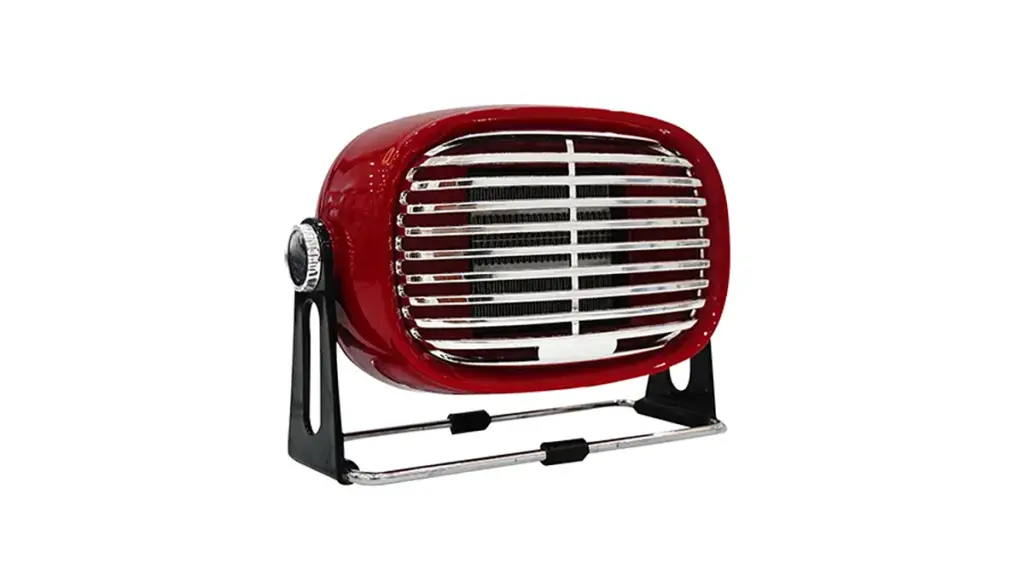
Fan Heaters for Fast Heating and Air Circulation
Fan heaters are useful when a space needs a quick temperature response, particularly in smaller areas where fast warm-air circulation is more important than silent operation.
Working Principle
A fan heater combines an electric heating element with a fan. The heating element warms the air, while the fan pushes the heated air into the surrounding space for faster heat distribution.
Pros of Fan Heaters
- Fast heating response: Forced air circulation distributes warm air quickly, helping raise the perceived temperature soon after startup.
- Compact and portable design: Many fan heaters are easy to move between rooms or position close to the area that needs additional warmth.
- Adjustable heating and airflow: Some models offer multiple heat settings, fan speeds, thermostatic controls, or adjustable airflow direction for more flexible operation.
Cons of Fan Heaters
- Operating noise: The built-in fan creates more noise than convection or infrared heaters, which may be less suitable for noise-sensitive environments.
- Continuous airflow: Moving warm air can feel uncomfortable when it blows directly toward the body, especially during extended use.
- Limited whole-room performance in larger spaces: Small fan heaters may struggle to provide even heating in large rooms or areas with significant heat loss.
Applications
Fan heaters are particularly suitable for smaller spaces or applications that require rapid supplementary heating:
- Bedrooms and bathrooms: Compact heating can provide quick warmth during short periods of use.
- Small offices and work areas: Fan heaters can provide additional heat for individual rooms or occupied zones.
- Small retail and commercial spaces: Suitable for localized heating where users need a quick temperature response.
- Temporary or supplementary heating: Useful when additional warmth is needed alongside an existing heating system.
- Other small enclosed spaces: Suitable for areas where fast warm-air circulation is more important than completely silent operation.
For manufacturers and distributors, fan heaters can also be developed with different power levels, fan speeds, controls, heating elements, housing designs, and safety features to meet specific market requirements.
Convection vs. Infrared vs. Fan Heaters: Key Differences
The three heater types differ in heating principle, response speed, heat distribution, airflow, noise, coverage, installation, cost, and typical heating performance.
| Comparison Factor | Convection Heater | Infrared Heater | Fan Heater |
|---|---|---|---|
| Heating principle | Natural convection | Radiant heat | Forced convection |
| Heating response | Moderate | Very fast perceived warmth | Fast |
| Heat distribution | Relatively even | Targeted and directional | Rapid through airflow |
| Air movement | Natural air movement | Minimal | Strong forced airflow |
| Noise level | Very low | Very low | Moderate to high |
| Heating coverage | Whole-room heating | Localized heating zone | Small to medium areas |
| Installation options | Freestanding or wall-mounted | Wall, ceiling, or freestanding | Mainly portable |
| Typical cost | Low to moderate | Moderate to high | Low to moderate |
| Main limitation | Slower heat-up | Limited direct coverage | Noise and airflow |
Other Types of Electric Heaters You Should Know
Beyond convection, infrared, and fan heaters, other electric heater types use different heating elements or combine multiple functions to meet specific design and application requirements.
Radiant and Halogen Heaters
Radiant heaters transfer heat directly through electromagnetic radiation instead of primarily heating the surrounding air. Halogen heaters use halogen heating elements to produce rapid radiant heat and are often designed for directional or localized heating.
These heaters can suit residential rooms, balconies, patios, restaurants, and other spaces where users need direct warmth with a fast heating response.
Ceramic and PTC Heaters
Ceramic and PTC generally describe the heating element or heating technology, rather than a completely separate heater design. These heating elements provide fast heat transfer, while PTC elements increase electrical resistance as their temperature rises.
These technologies are commonly used in compact and fan-assisted heaters. PTC heating elements can support stable temperature control and integrate with safety functions such as overheat protection and automatic shutoff.
Multifunctional Electric Heaters
Multifunctional electric heaters combine heating with additional operating modes or user-oriented features. Depending on the design, a unit may include adjustable heat levels, thermostatic control, timers, fan-assisted heating, or other functions.
For distributors and OEM buyers, these designs can provide greater product flexibility and differentiation across different markets, price points, and application requirements.
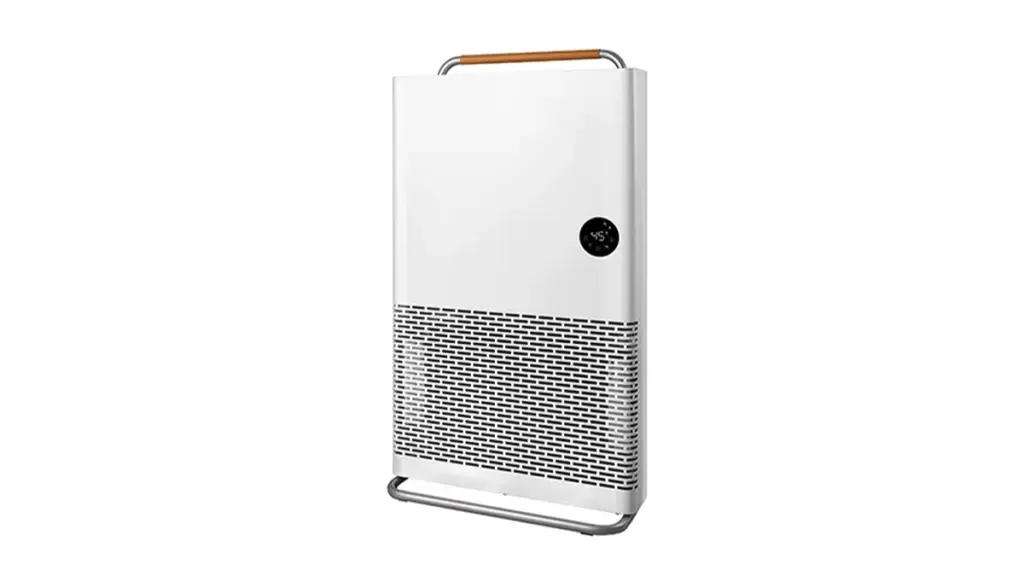
How to Choose the Right Type of Electric Heater
The right electric heater type depends on the heating requirement, space conditions, installation method, and operating environment. Buyers should evaluate the following factors before confirming a product or sourcing specification.
1. Heating Area and Heat Output
Start with the size and characteristics of the space. Larger rooms, high ceilings, poor insulation, frequently opened doors, and high air leakage can increase heat loss and require greater heat output.
A simple watts-per-square-meter calculation may not provide an accurate result. Climate, insulation, room height, windows, air exchange, and the desired indoor temperature can all affect the required heating capacity.
2. Heating Speed and Heating Pattern
Consider whether the application needs gradual whole-room heating, fast warm-up, or targeted heat. The heating method should match how and where users need warmth.
- Convection heater: Suitable for steady and relatively even room heating.
- Infrared heater: Suitable for targeted and directional heating.
- Fan heater: Suitable for fast heating and forced air circulation.
- Multifunctional heater: Suitable for applications that require different heating modes or operating functions.
3. Installation and Available Space
Installation affects both product performance and practical usability. Portable models provide greater flexibility, while a wall mounted space heater can save floor space and maintain a fixed heating position.
Check the available wall and floor space, power supply, mounting requirements, clearance around the heater, and intended installation position before confirming the product design.
4. Noise, Comfort and Operating Time
Noise becomes more important when a heater operates for many hours in bedrooms, offices, hotels, and other quiet environments. Fan heaters generate airflow and mechanical noise, while convection and infrared heaters generally provide quieter operation.
For extended operating periods, also consider temperature stability, airflow comfort, thermostat control, timer functions, and overall power consumption.
5. Safety, Controls and Certification
Safety requirements depend on both the product design and the target market. Common functions include overheat protection, tip-over protection, thermostatic control, timers, and automatic shut-off.
For international distribution, buyers should confirm the electrical requirements and applicable safety standards before production. Voltage, frequency, plug configuration, labeling, testing, and compliance documentation should all match the target market.
Electric Heater Types for Commercial and Industrial Applications
Commercial and industrial heating requires the right balance of heat output, coverage, installation, operating environment, controls, and safety. The most suitable heater type depends on the space and heating pattern.
Commercial Electric Heaters for Offices and Public Spaces
For commercial spaces such as offices, hotels, retail stores, restaurants, and schools, buyers should consider:
- Heating coverage: Whole-room heating or targeted heating for specific occupied areas.
- Noise level: Important for offices, hotels, classrooms, and other quiet environments.
- Installation: Portable, wall-mounted, or ceiling-mounted options depending on available space.
- Operating time: Longer operating periods require reliable temperature control and safety functions.
- Appearance and controls: Product design, thermostats, timers, and user-friendly controls can affect the suitability of a commercial electric heater.
Convection heaters are generally suitable for enclosed commercial spaces that need steady and relatively even heating, while infrared heaters work well for targeted heating in restaurants, reception areas, terraces, and similar spaces. Fan heaters can suit smaller areas that need rapid heat.
Industrial Electric Heaters for Large or Demanding Areas
For warehouses, workshops, factories, garages, production areas, and other demanding environments, buyers should focus on:
- Heat output and coverage: Large spaces and high heat loss may require higher-capacity heating.
- Operating environment: Dust, ventilation, humidity, high ceilings, and frequent door opening can affect heater selection.
- Installation requirements: Fixed wall or ceiling installation may provide better coverage in large spaces.
- Operating hours and durability: Long operating periods require reliable components, controls, and safety protection.
- Control and safety: Thermostatic control, overheat protection, automatic shutoff, and other safety functions may be important.
For most large enclosed areas, industrial space heaters using convection or forced-air heating can provide broad heat distribution. Infrared heaters are more suitable when the application requires direct heating of specific work areas, people, or equipment rather than heating the entire air volume.
For OEM and bulk buyers, the final heater type should match the actual application, installation conditions, required capacity, and target-market requirements rather than simply choosing the highest-power model.
Final Thoughts
Different types of electric heaters serve different heating requirements. Convection heaters suit steady room heating, infrared heaters provide targeted warmth, and fan heaters deliver fast heat through forced airflow. Other technologies, such as radiant, halogen, ceramic, PTC, and multifunctional designs, offer additional options for specific applications.
For commercial and industrial buyers, the right choice depends on heat output, heating coverage, installation, operating conditions, safety, certification, and product configuration. Yika provides OEM/ODM electric heating solutions for different markets and applications, supporting product customization and bulk production. Contact Yika to discuss the right heater configuration for your requirements.
Frequently Asked Questions
What are the main types of electric heaters?
The main types of electric heaters include convection heaters, infrared heaters, fan heaters, radiant and halogen heaters, ceramic and PTC heaters, and multifunctional electric heaters. These types differ mainly in how they transfer heat, how quickly they provide warmth, and where they work best.
Which type of electric heater is best for a large room?
The best heater depends on room size, heat loss, ceiling height, insulation, and the required heating pattern. For large enclosed spaces, a sufficiently powered convection or forced-air heater can provide broader heat distribution. Infrared heaters work better when the goal is to heat specific occupied areas rather than the entire room.
What is the difference between a convection heater and an infrared heater?
A convection heater mainly warms and circulates the surrounding air, making it suitable for steady room heating. An infrared heater transfers radiant heat directly to people and objects, making it more suitable for targeted or directional heating.
Are ceramic heaters the same as fan heaters?
Not exactly. Ceramic generally refers to the heating element or PTC ceramic technology, while a fan heater describes a product that uses a fan to distribute heated air. A ceramic heater can therefore use a fan and operate as a type of forced-convection heater.
Which electric heater is best for commercial spaces?
The right commercial electric heater depends on the space and heating requirement. Convection heaters are suitable for enclosed areas that need steady background heating, while infrared heaters work well for targeted heating in areas such as restaurants, reception zones, and semi-outdoor spaces. Fan heaters can suit smaller areas that require rapid heating.
What type of electric heater is suitable for industrial spaces?
An industrial space heater should match the space size, heat loss, ceiling height, operating environment, and required heating coverage. Convection or forced-air heaters can suit large enclosed areas that need broad heat distribution, while infrared heaters can provide targeted heating for specific work areas.