Выбор неправильной технологии двигателя может увеличить эксплуатационные расходы еще долгое время после установки воздухоохладителя.. Многие предприятия сравнивают мощность воздушного потока и закупочную цену, но не замечают, как двигатель влияет на энергопотребление., уровень шума, требования к техническому обслуживанию, и общая эффективность охлаждения при ежедневной работе.
Для коммерческих покупателей, настоящая задача – найти наилучший баланс между производительностью, эксплуатационные расходы, и долгосрочная ценность. Понимание того, как воздухоохладители постоянного и переменного тока работают при различных рабочих нагрузках и средах применения, помогает предприятиям принимать более уверенные решения о покупке., снизить затраты на жизненный цикл, и выбрать решение для охлаждения, которое лучше соответствует их эксплуатационным целям.
Что такое воздухоохладители постоянного и переменного тока?
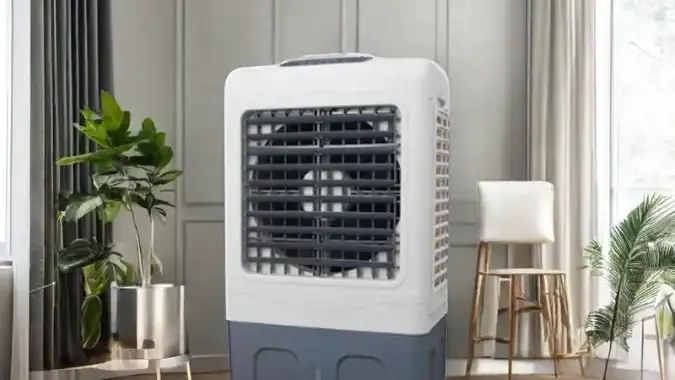
Оба Воздушные охладители постоянного тока и Воздушные охладители переменного тока использовать тот же процесс испарительного охлаждения. Теплый воздух проходит через влажные охлаждающие подставки, где вода поглощает тепло, прежде чем более холодный воздух поступит в помещение. Основное отличие заключается не в самом методе охлаждения., но двигательная система, которая управляет воздушным потоком.
Для коммерческих пользователей, технология двигателя влияет не только на создание воздушного потока. Это влияет на энергопотребление, контроль скорости, рабочий шум, и долгосрочные затраты на владение. Понимание этих различий помогает предприятиям выбрать воздухоохладитель, соответствующий их операционной среде и бюджету..
Как работают воздухоохладители переменного тока
В воздухоохладителях переменного тока используются двигатели переменного тока, подключенные непосредственно к электрической сети.. Их простая структура, проверенная надежность, и более низкая стоимость производства делают их распространенным выбором для коммерческого и промышленного охлаждения..
Большинство систем переменного тока работают с фиксированными или ограниченными настройками скорости.. Они лучше всего работают в приложениях, требующих стабильного воздушного потока в течение длительного времени., например, склады, семинары, и производственные мощности.
Как работают воздухоохладители постоянного тока
Воздушные охладители постоянного тока использовать двигатели постоянного тока, управляемые электронными системами привода. В отличие от традиционных двигателей с фиксированной скоростью, Двигатели постоянного тока могут более точно регулировать воздушный поток в зависимости от потребности в охлаждении..
Такая гибкость помогает сократить ненужное потребление энергии в периоды низкого спроса, сохраняя при этом комфортный воздушный поток, когда требования к охлаждению возрастают.. Как результат, Воздухоохладители постоянного тока становятся все более популярными в энергосберегающих коммерческих проектах..
Основная разница между системами двигателей постоянного и переменного тока
| Коэффициент сравнения | Воздушный охладитель постоянного тока | Воздушный охладитель переменного тока |
|---|---|---|
| Контроль скорости | Работа с переменной скоростью | Фиксированные или ограниченные настройки скорости |
| Энергоэффективность | Выше при различных нагрузках | Стабильно, но в целом ниже |
| Уровень шума | Обычно тише на низких скоростях | Обычно выше во время работы |
| Первоначальная стоимость | Выше | Ниже |
| Лучшее соответствие | Энергоэффективные коммерческие проекты | Бюджетные приложения с высоким расходом воздуха |
Ни одна из технологий не является универсально лучшей. Правильный выбор зависит от часов работы., затраты на электроэнергию, требования к воздушному потоку, и долгосрочные бизнес-цели. Для многих коммерческих покупателей, оценка общей стоимости владения часто дает более четкий ответ, чем сравнение только закупочных цен..
Как двигатели постоянного и переменного тока влияют на производительность воздухоохладителя
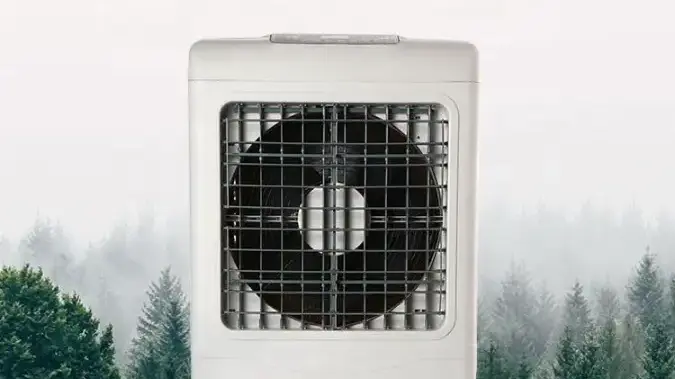
Технология двигателя влияет на то, как воздухоохладитель реагирует на спрос, управляет воздушным потоком, и преобразует энергию в мощность охлаждения. Эти различия напрямую влияют на реальный мир. производительность в коммерческих средах, особенно в переменных условиях эксплуатации.
Сравнение производительности воздухоохладителей постоянного и переменного тока
| Фактор производительности | Воздушные охладители постоянного тока | Воздушные охладители переменного тока |
|---|---|---|
| Контроль воздушного потока | Плавная регулировка скорости для плавного и точного воздушного потока. | Фиксированные или ограниченные уровни скорости с меньшей гибкостью |
| Ответ нагрузки | Адаптация в режиме реального времени к изменяющейся потребности в охлаждении | Пошаговая реакция с предустановленными рабочими уровнями |
| Стабильность охлаждения | Поддерживает стабильную производительность в переменных условиях | Стабильность в условиях постоянной нагрузки, менее гибкий при изменении |
| Энергоэффективность | Более высокий КПД при частичных и переменных нагрузках | Более эффективен при полной нагрузке, менее эффективен при частичной нагрузке |
| Шум & Комфорт | Более тихая работа на переменных скоростях, лучше для комфорта в помещении | Повышенный уровень шума при работе на высоких скоростях. |
| Профиль обслуживания | Меньший механический износ благодаря бесщеточной конструкции двигателя. | Простая конструкция, но более высокий механический износ с течением времени |
Двигатели постоянного тока лучше работают в условиях нестабильного спроса., в то время как двигатели переменного тока больше подходят для стабильного, приложения с постоянной нагрузкой. Правильный выбор зависит от реальных условий эксплуатации, а не только от технических характеристик..
Переход на энергоэффективные решения для воздушного охлаждения постоянного тока
Ознакомьтесь с решениями для воздушного охлаждения постоянного тока →
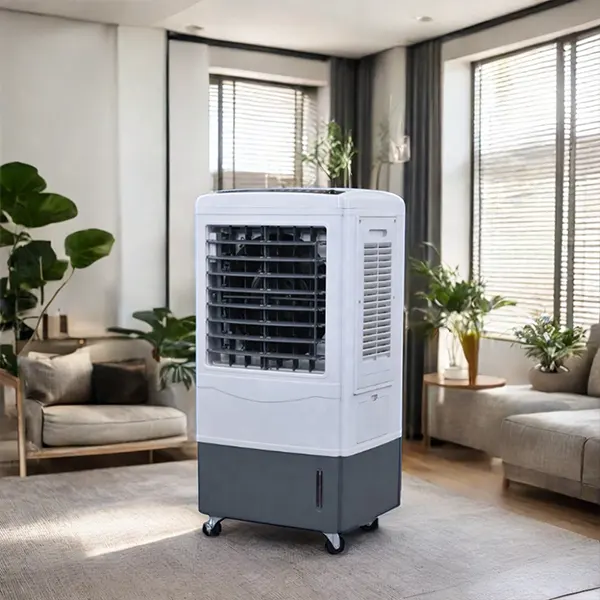
Какие коммерческие приложения получают наибольшую выгоду от воздухоохладителей постоянного тока
Коммерческие воздухоохладители постоянного тока лучше всего работать в средах, где энергоэффективность, контроль шума, и переменная потребность в охлаждении являются важными факторами.
В отличие от систем с фиксированной скоростью, Технология постоянного тока позволяет регулировать воздушный поток в зависимости от реальных условий эксплуатации., повышение комфорта и экономической эффективности.
| Сценарий применения | Почему подходят воздушные охладители постоянного тока | Ценность бизнеса |
|---|---|---|
| Розничная торговля & Гостеприимство | Переменная занятость требует адаптивной мощности охлаждения. | Повышает комфорт клиентов и одновременно снижает затраты на электроэнергию в часы пик. |
| Офисы & Коммерческие здания | Длительное время работы при частичной нагрузке на охлаждение | Снижение потребления электроэнергии и улучшение условий труда |
| Солнечная & Автономные системы | Совместимость с постоянным током снижает потери при преобразовании энергии | Более высокая эффективность системы и лучшее использование возобновляемых источников энергии |
Возможно, вас заинтересует: Плюсы & Минусы испарительного воздухоохладителя
Когда воздухоохладители переменного тока все еще используются в промышленных проектах
Хотя воздухоохладители постоянного тока широко предпочтительны из-за энергоэффективности и гибкого управления., Воздушные охладители переменного тока по-прежнему играют практическую роль в средах со стабильными рабочими нагрузками и чувствительными к затратам требованиями к развертыванию..
| Тип условия | Почему используются системы переменного тока |
|---|---|
| Высокая потребность в воздушном потоке | Обеспечивает стабильный непрерывный поток воздуха в больших промышленных помещениях. |
| Бюджетные проекты | Меньшие первоначальные инвестиции поддерживают крупномасштабное развертывание |
| Стабильная работа под нагрузкой | Работает эффективно, когда потребность в охлаждении остается постоянной |
В этих случаях, Воздухоохладители переменного тока выбираются главным образом из соображений экономической эффективности и стабильной работы., в то время как системы постоянного тока остаются более гибким вариантом для сред с переменной нагрузкой.
Как выбрать правильный воздухоохладитель для вашего бизнеса
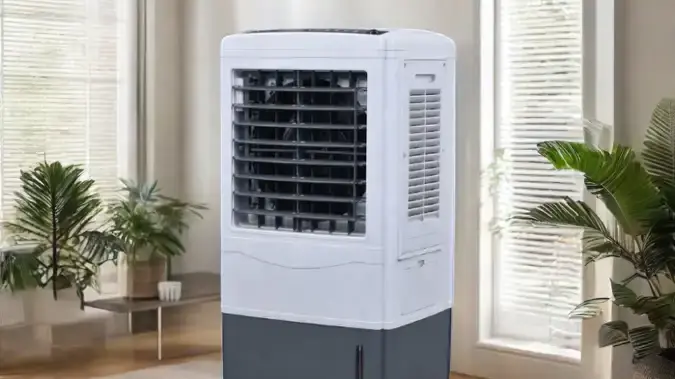
Выбор между воздушными охладителями постоянного и переменного тока должен выходить за рамки базовых характеристик.. Главное — понять, как система работает в реальных условиях эксплуатации., включая схемы ежедневного использования, спрос на энергию, и требования к долгосрочному техническому обслуживанию.
Структурированный процесс отбора помогает предприятиям избежать краткосрочных решений, которые со временем могут привести к увеличению эксплуатационных расходов..
Оцените свою операционную среду
Рабочая среда определяет, какая система охлаждения обеспечивает лучшую долгосрочную отдачу.. Вместо того, чтобы сосредотачиваться только на функциях продукта, предприятия должны сначала понять, как система будет использоваться на практике.
- Размер объекта: Большие помещения требуют более сильного и стабильного воздушного потока..
- Часы работы: Более длительное ежедневное использование повышает важность энергоэффективности..
- Изменение нагрузки: Изменение спроса поддерживает производительность с переменной скоростью.
- Чувствительность к шуму: Внутренние коммерческие помещения требуют более тихой работы..
Когда потребность в охлаждении колеблется в течение дня, Воздушные охладители постоянного тока часто обеспечивают лучшую адаптируемость и контроль энергопотребления..
Сравните общую стоимость владения
Цена покупки представляет собой лишь небольшую часть общей суммы инвестиций.. Долгосрочные эксплуатационные расходы часто оказывают большее влияние на общую прибыльность..
| Фактор стоимости | Ключевой фокус оценки |
|---|---|
| Потребление энергии | Сколько электроэнергии требуется при ежедневной работе |
| Частота технического обслуживания | Как часто требуется обслуживание и чистка |
| Срок службы | Ожидаемый срок службы при непрерывной эксплуатации |
| Гибкость системы | Способность адаптироваться к будущим изменениям рабочей нагрузки |
Анализ полной стоимости часто показывает, что самая низкая цена покупки не всегда обеспечивает наилучшую долгосрочную выгоду..
Возможно, вас заинтересует: Как правильно выбрать испарительный воздухоохладитель
Рассмотрите возможность настройки и будущего расширения
Потребности в коммерческом охлаждении редко остаются неизменными. Бизнес расширяется, изменение макетов, и энергетические стратегии меняются с течением времени.
Вместо того, чтобы выбирать только по текущему спросу, важно оценить, сможет ли система поддерживать будущие требования.
- Опции двигателя: Поддержка конфигураций переменного и постоянного тока.
- Интеграция управления: Совместимость с системами управления зданием.
- Дизайн воздушного потока: Регулируемая мощность для различных применений.
- OEM-возможности: Гибкость брендинга и частных торговых марок.
- Энергетическая стратегия соответствует: Совместимость с солнечными планами или планами повышения эффективности.
Сотрудничество с опытным OEM-производителем помогает гарантировать, что система сможет масштабироваться в соответствии с будущими потребностями бизнеса, а не станет ограничением..
Заключительные мысли
Выбор между воздухоохладителями постоянного и переменного тока зависит от реальных условий эксплуатации, а не только от уровня технологии.. DC air coolers are ideal for variable-load environments, while AC air coolers remain practical for stable, high-airflow applications.
Четкое понимание этих различий помогает предприятиям сократить долгосрочные эксплуатационные расходы и выбрать систему, которая лучше соответствует их операционной стратегии.. Для индивидуальных коммерческих решений по охлаждению, Поставь это в Китай фокусируется на системах воздушного охлаждения постоянного тока, предложение Поддержка OEM/ODM для различных промышленных и коммерческих требований.
Часто задаваемые вопросы
Можно ли использовать воздухоохладители постоянного тока для 24/7 промышленная эксплуатация?
Да. Воздушные охладители постоянного тока могут поддерживать 24/7 промышленная эксплуатация при правильной настройке, поскольку их управление переменной скоростью снижает нагрузку на двигатель в условиях частичной нагрузки и помогает поддерживать стабильную производительность в течение длительных рабочих циклов..
Требуют ли воздухоохладители переменного тока большего обслуживания, чем модели постоянного тока??
Не обязательно. Воздушные охладители переменного тока имеют более простую механическую конструкцию., в то время как модели постоянного тока используют бесщеточные двигатели, которые уменьшают механический износ, но полагаются на большее количество электронных компонентов., сделать потребности в обслуживании разными, а не строго выше или ниже.
Как энергетическая инфраструктура влияет на выбор между воздухоохладителями постоянного и переменного тока?
Воздухоохладители переменного тока подключаются непосредственно к стандартным электросетям, и их легче использовать в обычных установках., в то время как системы постоянного тока могут требовать преобразования энергии или лучше подходят для сред с солнечной энергией и оптимизированной энергией..
Какие факторы установки следует учитывать при выборе между системами постоянного и переменного тока?
Ключевые факторы установки включают доступность электропитания., схема вентиляции, требования к шуму, и будет ли система работать в условиях стабильной или переменной нагрузки, поскольку они напрямую влияют на общую производительность и пригодность системы..
Как оценить долгосрочную окупаемость инвестиций в системы воздушного охлаждения постоянного и переменного тока??
Долгосрочная рентабельность инвестиций должна учитывать не только стоимость покупки, но и потребление энергии., ежедневное время работы, требования к техническому обслуживанию, и ожидаемый срок службы в реальных условиях эксплуатации, поскольку эти факторы определяют общую стоимость жизненного цикла.