Evaporative air cooler cooling performance depends on multiple factors, including airflow, evaporative media efficiency, water distribution, and ambient climate. Poor cooling results are often caused by mismatches between these elements rather than limitations of the equipment itself.
This article examines the key engineering factors that influence cooling performance, включая эффективность испарительных сред, fan and airflow design, стабильность системы водоснабжения, и условия окружающей среды. It provides a practical framework for evaluating system performance and understanding how different design elements contribute to stable, energy-efficient cooling.
How Evaporative Air Cooler Cooling Performance Works
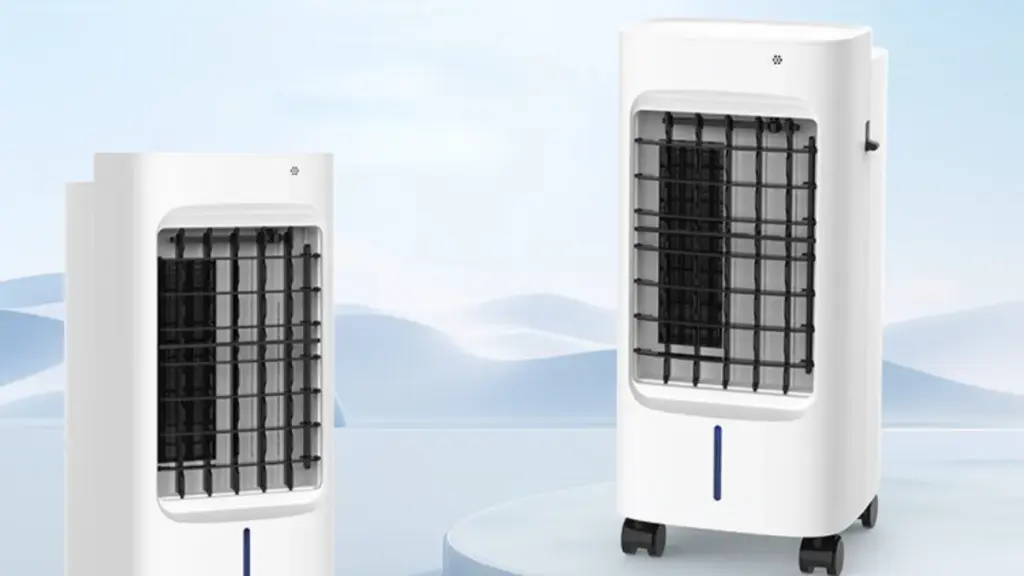
Производительность воздухоохладителя зависит от непрерывного взаимодействия движения воздуха, испарение воды, и теплообмен. Вместо того, чтобы полагаться на механическое охлаждение, система снижает температуру, используя воздушный поток для ускорения естественного испарения внутри контролируемой конструкции..
Эффективность охлаждения развивается в три взаимосвязанных этапа.:
- Ступень воздухозаборника: Система втягивает теплый окружающий воздух в агрегат, чтобы инициировать теплообмен.
- Стадия испарения: Воздух проходит через влажную охлаждающую среду, где тепло передается воде во время испарения.
- Этап доставки воздуха: Система вентиляторов обеспечивает охлаждение, кондиционированный влагой воздух в целевое пространство
Теплый воздух становится охлажденным на выходе только тогда, когда эти ступени работают в балансе.. Любой дисбаланс объема воздушного потока, водонасыщенность, или вентиляция снижает общую эффективность снижения температуры.
Факторы контроля поведения и производительности системы
| Системный элемент | Функция | Влияние на производительность |
|---|---|---|
| Структура воздушного потока | Контролирует объем воздуха, проходящего через охлаждающую среду. | Определяет зону охлаждения и постоянство распределения воздушного потока. |
| Испарительный интерфейс | Облегчает теплообмен между воздушным потоком и водяной пленкой. | Влияет на максимально достижимое снижение температуры |
| Циркуляция воды | Поддерживает равномерное смачивание по всей поверхности охлаждающей среды. | Поддерживает стабильную и постоянную производительность испарения. |
| Воздухообмен | Удаляет влажный воздух и подает свежий окружающий воздух. | Предотвращает насыщение влажностью и поддерживает эффективность охлаждения. |
Эффективность охлаждения зависит от того, насколько хорошо система поддерживает постоянный воздухообмен.. Когда поток воздуха ослабевает или влажность. накапливается, испарение замедляется, и разница температур между приточным и вытяжным воздухом становится значительно меньше.
Возможно, вас заинтересует: Объяснение охлаждения: Как работает воздухоохладитель?
Материал и качество испарительной охлаждающей подставки
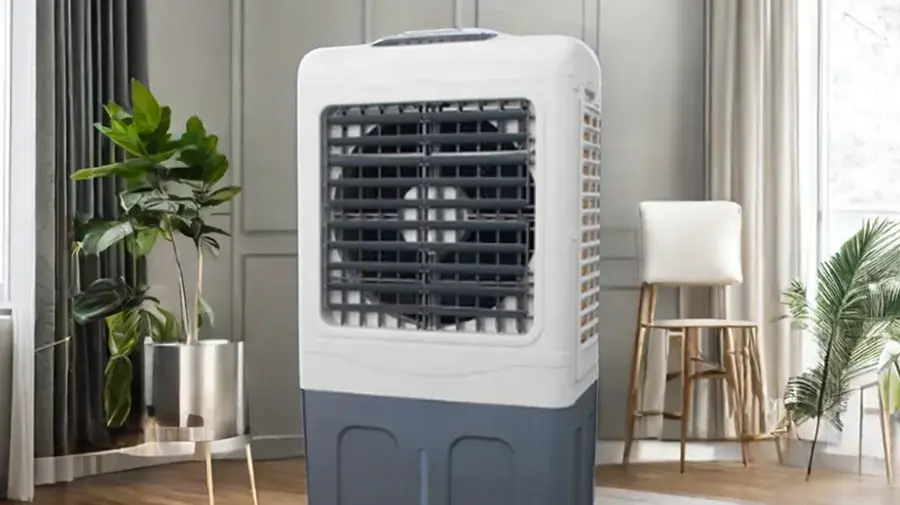
Конструкция охлаждающей подставки напрямую определяет, насколько эффективно воздухоохладитель передает тепло от воздуха к воде.. Различия в структуре материала, плотность волокна, и сопротивление воздушному потоку создают значительные различия в производительности между системами., особенно при непрерывной промышленной эксплуатации.
Высокопроизводительные испарительные среды должны обеспечивать баланс двух основных требований.:
- Водопоглощающая способность: Поддерживает стабильное и непрерывное испарение.
- Контроль сопротивления воздушного потока: Обеспечивает прохождение воздуха без чрезмерной потери давления.
Сравнение охлаждающей среды в реальных условиях применения
| Материал охлаждающей подставки | Эффективность охлаждения | Долговечность | Требования к техническому обслуживанию | Типичное применение |
|---|---|---|---|---|
| Целлюлозная подушка | Высокий | От среднего до высокого | Середина | Промышленные и коммерческие системы охлаждения |
| Пластиковые носители | От среднего до высокого | Высокий | Низкий | Среды с высокой влажностью или тяжелыми условиями эксплуатации |
| Осиновое волокно | Середина | Низкий | Высокий | Бюджетные или временные приложения для охлаждения |
Целлюлозный материал остается наиболее широко распространенным вариантом в современных системах, поскольку его поперечно-рифленая структура улучшает контакт воздуха с водой, не создавая чрезмерных потерь давления.. Этот баланс имеет решающее значение для поддержания стабильной мощности охлаждения при непрерывной работе..
Ключевые инженерные параметры, влияющие на производительность колодок
- Контроль плотности волокна: Более высокая плотность увеличивает удержание воды, но может увеличить сопротивление воздушному потоку при чрезмерном сжатии.
- Конструкция геометрии флейты: Оптимизирует компромисс между площадью поверхности испарения и перепадом давления.
- Слой обработки поверхности: Повышает устойчивость к росту микробов и минеральному отложению.
- Структурная стабильность: Предотвращает деформацию и неравномерное смачивание при длительном насыщении
Влияние качества воды на долгосрочную производительность
Состояние воды напрямую влияет на то, как долго охлаждающая среда сможет сохранять эффективность.. Даже высококачественные колодки разрушаются быстрее, если вода не контролируется должным образом.:
- Минеральный эффект масштабирования: Уменьшает открытые каналы воздушного потока и ограничивает площадь поверхности испарения.
- Риск биологического роста: Ускоряет деградацию материала и снижает гигиеническую стабильность.
- Химический дисбаланс: Со временем ослабляет связь волокон в структурах на основе целлюлозы.
Последовательное управление водой продлевает срок службы колодок и обеспечивает стабильную мощность охлаждения., особенно в условиях высокой нагрузки или постоянного использования.
Boost Profits with Factory-Direct Evaporative Air Coolers
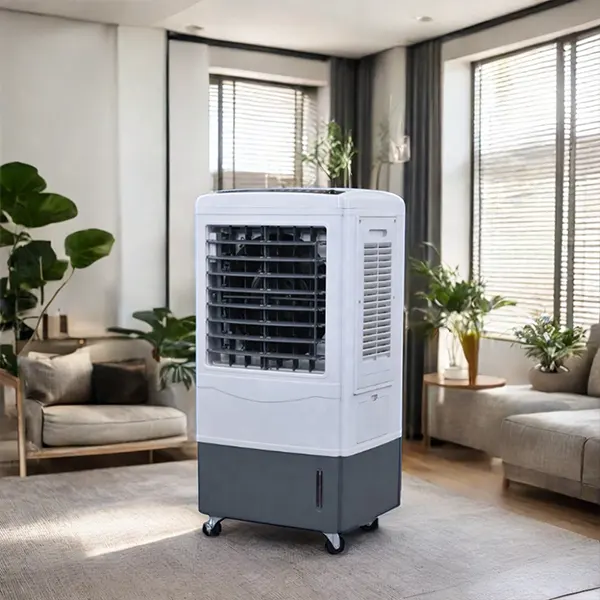
Система воздушного потока и конструкция вентилятора
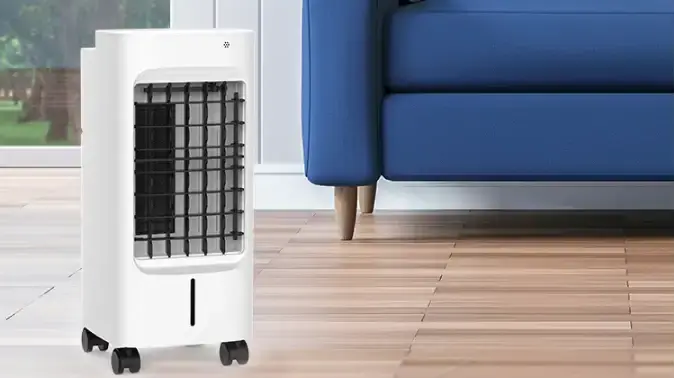
Производительность воздушного потока напрямую определяет, насколько эффективно охлажденный воздух достигает целевого пространства.. Даже если эффективность испарения стабильна, недостаточное движение воздуха или плохое согласование давления значительно снизят практическую эффективность охлаждения..
Конструкция воздушного потока в основном контролируется двумя техническими параметрами.:
- Объем воздушного потока (CFM): Определяет общее количество воздуха, подаваемого в единицу времени.
- Статическое давление (ммH₂O): Определяет способность системы преодолевать сопротивление охлаждающей среды и воздуховодов.
Эти две ценности должны работать в балансе. Высокий поток воздуха без поддержки давления не может проходить через плотную среду., в то время как высокое давление без достаточного объема снижает зону охлаждения.
Выбор типа вентилятора и подбор системы
| Тип вентилятора | Основное преимущество | Основное ограничение | Типичное применение |
|---|---|---|---|
| Осевой вентилятор | Большой объем воздушного потока при низком энергопотреблении | Ограниченная способность преодолевать сопротивление воздушного потока. | Открытые пространства и системы охлаждения с низким сопротивлением |
| Центробежный вентилятор | Поддерживает стабильный поток воздуха при более высоком статическом давлении | Более высокое энергопотребление и большее пространство для установки | Канальные системы и пути воздушного потока с высоким сопротивлением |
| Поперечный вентилятор | Обеспечивает равномерное распределение воздушного потока по выходному отверстию. | Более низкая максимальная производительность воздушного потока | Компактные устройства, требующие постоянного покрытия воздушного потока |
Правильный выбор вентилятора имеет решающее значение, поскольку сопротивление системы меняется в зависимости от плотности охлаждающей среды., загрузка фильтра, и конструкция пути воздушного потока. Несоответствие между типом вентилятора и кривой сопротивления приводит к нестабильному потоку воздуха и уменьшению зоны охлаждения..
Возможно, вас заинтересует: Все, что вам нужно знать о вентиляторе воздушного кулера
Ключевые инженерные факторы, влияющие на эффективность воздушного потока
- Оптимизация размера рабочего колеса: Крыльчатки большего размера снижают требования к скорости вращения., что помогает снизить шум и повысить энергоэффективность
- Конструкция геометрии лезвия: Контролирует направление воздушного потока и уменьшает турбулентность внутри камеры.
- Выбор технологии двигателя: ЕС-двигатели повышают эффективность и позволяют точно регулировать скорость при переменной нагрузке.
- Конструкция пути воздушного потока: Гладкие внутренние каналы снижают сопротивление и предотвращают потери энергии из-за турбулентности.
Когда конструкция воздушного потока не сбалансирована должным образом, система может продолжать работать на полную мощность, но не сможет обеспечить эффективное распределение воздуха., особенно в больших или затрудненных пространствах.
Эффективность системы водоснабжения и производительность насосов
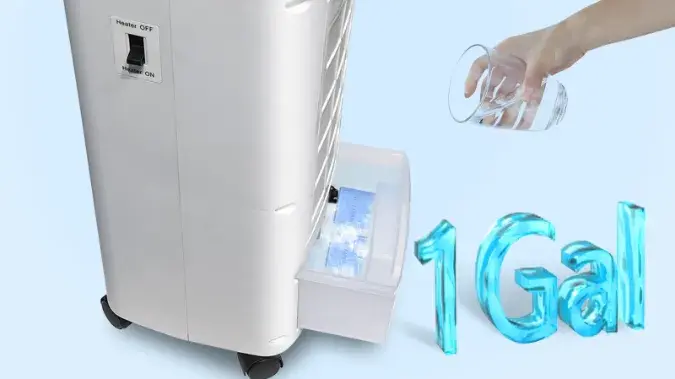
Водяная система напрямую контролирует стабильность испарительного охлаждения, регулируя равномерность поступления воды в охлаждающую среду.. Когда поток воды становится нестабильным, эффективность испарения сразу падает, приводит к неравномерной мощности охлаждения и снижению надежности системы..
Стабильная производительность зависит от постоянной координации между циркуляцией, распределение, и функции хранения.
Архитектура основной системы водоснабжения
- Насосная система: Обеспечивает непрерывную циркуляцию воды через контур.
- Дистрибьюторская сеть: Равномерно распределяет воду по поверхности охлаждающей среды.
- Резервуар для хранения: Поддерживает достаточный объем воды для бесперебойной работы
- Фильтрационная установка: Уменьшает примеси, которые могут блокировать или повредить внутренние каналы
Эти компоненты работают как замкнутый контур.. Если одна часть становится нестабильной, весь процесс охлаждения теряет последовательность.
Ключевые факторы контроля производительности
- Контроль стабильности потока: Поддерживает постоянное смачивание, чтобы избежать сухих зон на охлаждающей среде.
- Распределительный баланс: Предотвращает неравномерное насыщение, которое уменьшает эффективную площадь испарения.
- Контроль проникновения воздуха: Устраняет захваченный воздух, который снижает эффективность насоса и нарушает поток
- Проектирование мощности: Обеспечивает достаточный объем воды для длительных эксплуатационных циклов без перерывов.
Каждый фактор напрямую влияет на то, насколько равномерно работает охлаждающая среда в условиях постоянной нагрузки..
Распространенные проблемы с производительностью системы
- Непостоянная производительность насоса, что снижает стабильность циркуляции.
- Неравномерное смачивание охлаждающих подставок
- Минеральные отложения, блокирующие внутренние водные каналы
- Образование воздушной пробки в циркуляционном контуре
Эти проблемы обычно развиваются постепенно и часто проявляются в виде снижения эффективности охлаждения до того, как произойдет механический отказ..
Правильная компоновка системы также имеет решающее значение.. Если воздух скапливается возле насоса или внутри контура циркуляции, снижает гидравлическую устойчивость и увеличивает механическое напряжение. Через некоторое время, это приводит к снижению эффективности и увеличению частоты технического обслуживания..
Условия окружающей среды, влияющие на эффективность охлаждения
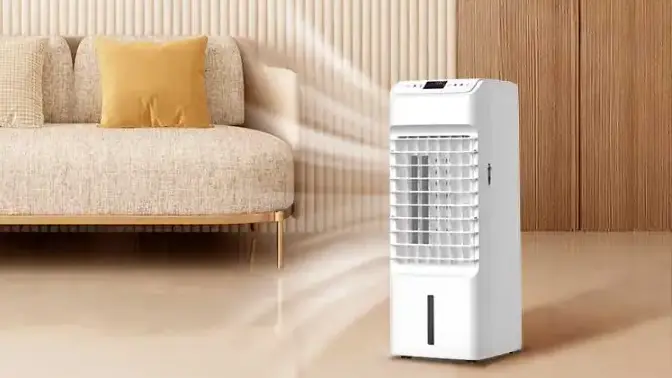
Эффективность испарительного охлаждения напрямую ограничивается условиями окружающей среды.. В отличие от холодильных систем, которые самостоятельно генерируют охлаждение, воздухоохладители зависят от способности воздуха поглощать влагу и поддерживать непрерывное испарение..
Как результат, Факторы окружающей среды определяют реальные рабочие границы производительности системы.
Ключевые факторы экологической эффективности
- Уровень влажности: Контролирует, сколько дополнительной влаги может поглотить воздух до достижения насыщения.
- Температура окружающей среды: Влияет на потенциальную разницу температур, возникающую в результате испарения.
- Движение воздуха: Поддерживает непрерывный обмен между влажными и сухими слоями воздуха.
- Качество воздуха: Влияет на долговременную стабильность воздушного потока, воздействуя на накопление пыли на охлаждающей среде.
Эти факторы не работают независимо. Вместо, они взаимодействуют, чтобы определить, насколько быстро испарение может продолжаться в реальных условиях эксплуатации..
Модель поведения экологических показателей
| Environmental Condition | Ожидаемая эффективность охлаждения | Влияние на эффективность охлаждения |
|---|---|---|
| Hot and Dry Environment | Высокий | Низкая влажность способствует быстрому испарению и более сильному поглощению тепла.. |
| Жаркая и влажная среда | Low to Moderate | Насыщенный влагой воздух ограничивает испарение., снижение охлаждающего эффекта. |
| Mild and Dry Environment | Стабильный | Сбалансированная температура и влажность обеспечивают стабильную эффективность охлаждения.. |
| Poorly Ventilated Space | Низкий | Влажность скапливается в помещении, замедление испарения и снижение эффективности охлаждения. |
В реальных приложениях, вентиляция играет решающую роль в поддержании эффективности испарения.. Когда воздухообмен недостаточен, влага быстро накапливается внутри помещения. Когда воздух достигает почти насыщенного состояния, испарение резко замедляется, и мощность охлаждения падает, даже если система продолжает работать на полную мощность.
Product Design, Usage Habits, and Maintenance
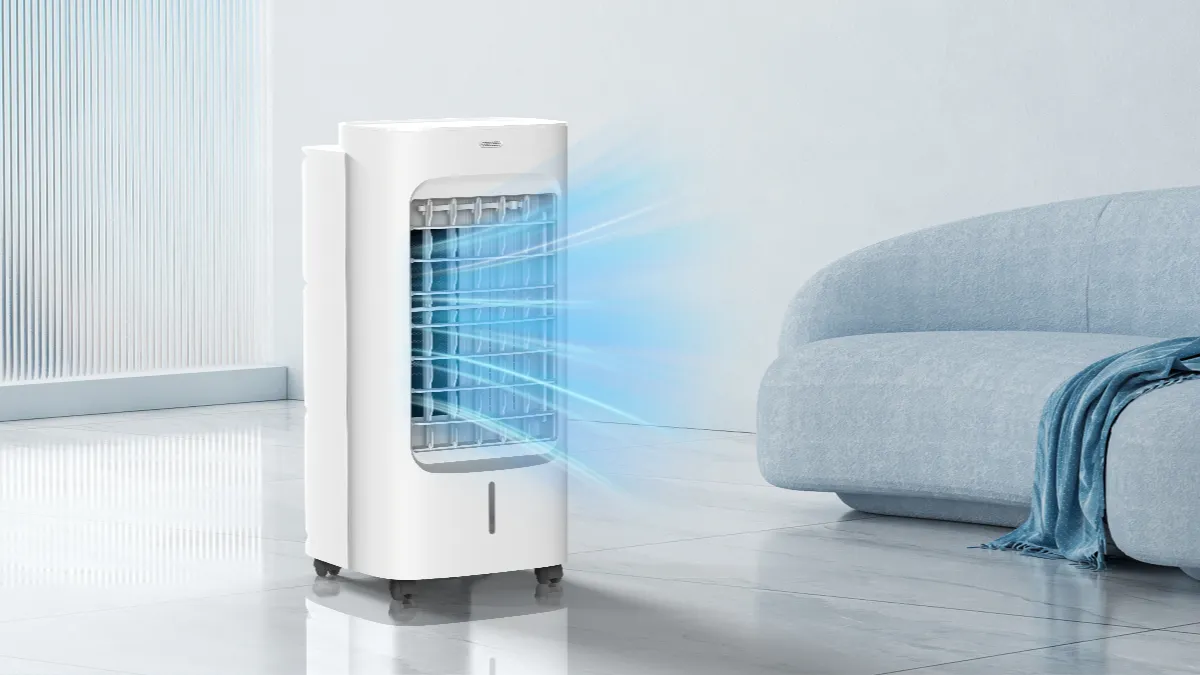
Производительность воздухоохладителя не определяется единой спецификацией.. Вместо, это зависит от того, как спроектирована структура, user operation, и методы технического обслуживания со временем работают вместе. Даже хорошо спроектированные системы потеряют эффективность, если эти три элемента не будут согласованы должным образом..
Долгосрочная стабильность производительности зависит от баланса на уровне системы, а не от силы изолированных компонентов..
Ограничения производительности, связанные с дизайном
- Airflow geometry design: Контролирует сопротивление внутри воздушного канала и влияет на общую эффективность доставки.
- Расположение внутренних компонентов: Влияет на распределение давления и баланс воздушного потока в системе.
- System sizing strategy: Обеспечивает соответствие холодопроизводительности реальным требованиям к окружающей среде и пространству.
- Проектирование доступности услуг: Определяет, насколько легко можно очищать и обслуживать ключевые компоненты.
Проектные решения определяют верхний предел производительности системы.. Once installed, эти ограничения нелегко изменить.
Эксплуатационные факторы, влияющие на эффективность системы
- Условия вентиляции во время использования: Плохой воздухообмен снижает эффективность испарения.
- Unit placement strategy: Неправильное расположение приводит к рециркуляции воздуха и накоплению тепла.
- Управление водным хозяйством: Нестабильная подача воды снижает постоянную насыщенность подушечек
- Поведение регулирования скорости: Отсутствие регулировки воздушного потока увеличивает потребление энергии без увеличения производительности.
Эксплуатационные характеристики определяют, какая часть проектной производительности фактически достигается в реальных условиях..
Влияние обслуживания на стабильность системы
| Задача обслуживания | Рекомендуемая частота | Влияние на производительность |
|---|---|---|
| Очистка охлаждающей подставки | Каждые 2–4 недели | Поддерживает воздушный поток и эффективность испарения, предотвращая накопление пыли и накипи.. |
| Очистка резервуара для воды | Еженедельно | Уменьшает загрязнение и накопление минералов в системе циркуляции воды.. |
| Проверка насоса | Ежемесячно | Помогает поддерживать стабильный поток воды и предотвращает перебои в охлаждении.. |
| Очистка воздушного фильтра | Каждые 2–3 недели | Сохраняет объем воздушного потока и снижает сопротивление в системе подачи воздуха.. |
Без правильное обслуживание, сопротивление воздушному потоку увеличивается, и распределение воды становится нестабильным. Через некоторое время, это приводит к заметному падению эффективности системы, часто превышающий 30% в долгосрочной эксплуатации.
Устойчивая производительность зависит от поддержания воздушного потока, циркуляция воды, и теплообмен в балансе на протяжении всего жизненного цикла продукта.
Заключительные мысли
Воздушный охладитель Эффективность охлаждения зависит от согласованного взаимодействия охлаждающих сред., конструкция воздушного потока, циркуляция воды, и условия окружающей среды. Ни один компонент не определяет конечный результат. Вместо, Баланс системы определяет, насколько эффективно устройство работает в реальных операционных условиях..
Дополнительные технические характеристики и OEM-решения, Поставь это в Китай предоставляет подробные данные о продукте и техническую поддержку, которая поможет вам выбрать подходящую систему для вашего применения..
Часто задаваемые вопросы
Как рассчитать правильный размер воздухоохладителя для моего помещения??
Как правильно подобрать воздухоохладитель, вам необходимо определить необходимый поток воздуха для вашей комнаты, измеряется в кубических футах в минуту (CFM) или кубических метров в час (м³/ч). Самый точный метод предполагает расчет объема помещения. (Длина х Ширина х Высота) и применение воздухообмена в час (АЧ) цель, обычно 20–30 для жилых помещений. Более простое эмпирическое правило для стандартного 10-футового потолка:: CFM ≈ (Площадь помещения в квадратных футах × 10) ÷ 2. Всегда регулируйте высоту для высоких потолков., прямое воздействие солнца, или жаркий климат, и когда сомневаешься, выберите модель немного большего размера.
Как часто следует заменять охлаждающие подставки для стабильной работы?
Частота замены охлаждающей подставки зависит от ее типа., качество воды, и интенсивность использования. В качестве общего руководства, стандартные подушечки из осиновой шерсти следует заменять ежегодно в начале сезона охлаждения.. Целлюлоза высшего качества (соты) или синтетические подушечки могут прослужить 2–3 года при умеренном использовании и хорошем качестве воды.. В средах с жесткой водой, высокая пыль, или непрерывная работа, колодки, возможно, придется заменять каждый сезон или даже чаще, чтобы сохранить эффективность.
Какую роль качество воды играет в эффективности охлаждения??
Качество воды имеет решающее значение для эффективности и долговечности воздухоохладителя.. Жесткая вода с высоким содержанием минералов (высокий TDS) приводит к образованию накипи и накипи на охлаждающих подставках. Эти отложения закупоривают поры подушечки., ограничивая как поток воздуха, так и способность подушки впитывать воду, что существенно снижает эффективность охлаждения. Плохое качество воды также ускоряет коррозию и требует более частой очистки и замены колодок для поддержания стабильных характеристик..
Всегда ли более дорогие воздухоохладители более эффективны??
Нет, более высокая цена не гарантирует более высокую эффективность. Реальная эффективность воздухоохладителя зависит от его конструкции., качество колодки, вентиляторная техника, и правильный размер для пространства и климата. В то время как дорогие модели могут предлагать более прочные материалы или расширенные функции, такие как двигатели с регулируемой скоростью., хорошо продуманный, Устройство среднего класса правильного размера превзойдет по производительности модель премиум-класса, но не соответствующую ему модель.. Ключом является соответствие мощности воздушного потока и технологии охладителя вашим конкретным условиям окружающей среды..
Как обеспечить постоянное охлаждение в промышленных условиях??
Поддержание стабильного промышленного охлаждения зависит от структурированной программы профилактического обслуживания.. Ключевые практики включают в себя: регулярная очистка или замена воздушных фильтров и охлаждающих подставок во избежание засорения; управление качеством воды с помощью систем слива для контроля накопления минералов; обеспечение беспрепятственного потока воздуха вокруг впускного и выпускного отверстия агрегата; и выполнение плановых проверок вентиляторов, насосы, и системы распределения воды. Калиброванные элементы управления и надлежащая вентиляция для удаления влажного воздуха также необходимы для стабильной работы..