Langkau ke kandungan

An electric fireplace vs. wood fireplace comparison involves more than flame appearance. Prestasi pemanasan, keperluan pemasangan, operating costs, maintenance and environmental impact all affect which option suits a particular home. For homeowners planning a renovation, replacing an old fireplace or adding supplemental heat, these differences can influence both upfront expenses and long-term use.
This guide compares the advantages and disadvantages of electric and wood-burning fireplaces, explains their installation and running costs, and examines whether an existing wood fireplace can be converted with an electric insert. It also outlines the key factors homeowners should consider before investing in either type.
Electric vs Wood Fireplaces: Perbezaan Utama
Electric and wood-burning fireplaces differ in how they produce heat and create a flame effect. The former use electricity for heating and simulated flames, while the latter rely on fuel combustion and a chimney system. These differences affect installation, operating costs, maintenance and where each type can be used.
| Aspek | Electric fireplace | Wood-burning fireplace |
|---|---|---|
| nyala api | LED effect, adjustable brightness and color | Real combustion |
| Heat output | Fan or infrared element, 750–1,500 W US / 1,000–2,000 W EU | Firebox radiant heat, part of it lost to the flue |
| Kecekapan | Essentially all input heat stays in the room | Open hearths reach single digits to about 15% (US DOE) |
| Venting | tiada | Chimney or flue required |
| Pemasangan | Near any outlet; wall, ceruk, insert or stove format | Masonry or zero-clearance build with code inspection |
| Penyelenggaraan | Dusting and vent checks | Ash removal, annual chimney sweep, creosote inspection |
| Emissions | None at point of use | Particulates, CO and smoke |
The main distinction is the balance between convenience and traditional fire experience. Electric fireplaces offer flexible installation, adjustable flame effects and minimal maintenance. Wood-burning fireplaces provide real flames and radiant heat but require fuel storage, proper ventilation and regular chimney cleaning. The following sections examine the advantages and limitations of each type in more detail.
Perapian elektrik: Pros and Cons
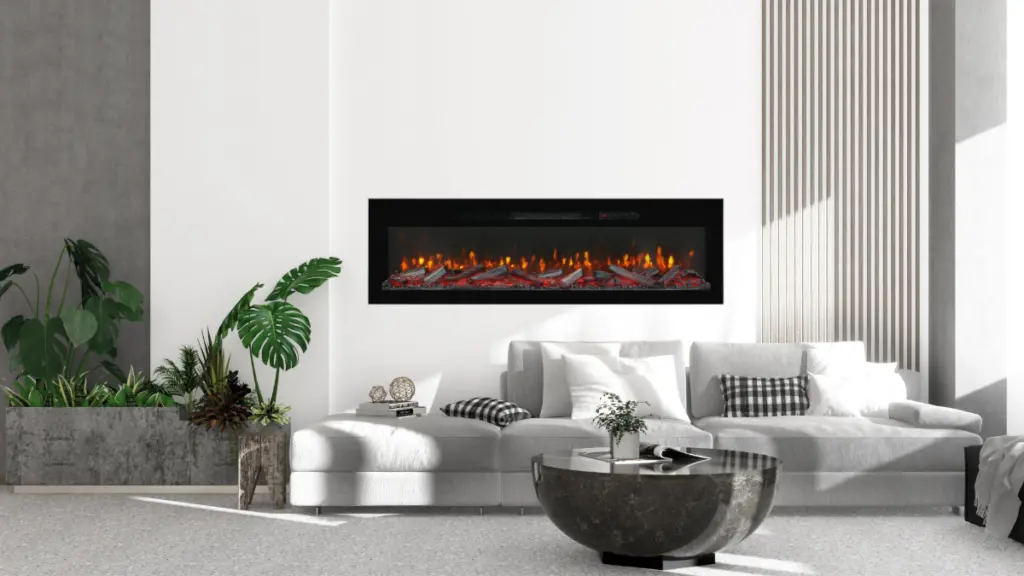
Perapian elektrik use electrical heating elements and simulated flame effects instead of burning wood or other fuels. They are available in several formats, termasuk dinding yang dipasang, ceruk, freestanding and insert models. Their installation flexibility and low maintenance make them suitable for many modern homes, although heating capacity and dependence on electricity are important considerations.
For a closer look at their working principles, available designs and key features, meneroka kami Perapian elektrik 101: Gambaran keseluruhan
Advantages of Electric Fireplaces
1. Flexible Installation
Electric fireplaces do not require chimneys, flues or gas connections. Wall-mounted models can be installed on suitable wall surfaces, while recessed units fit into wall cavities and inserts can be placed inside existing fireplace openings. This flexibility makes electric fireplaces suitable for apartments, renovated homes and rooms without traditional fireplace infrastructure.
2. Easy Operation and Temperature Control
Most electric fireplaces offer simple controls through a remote control, touchscreen or built-in panel. Users can adjust heating settings, flame brightness and color effects independently on many models. The flame display can also operate without the heater, allowing homeowners to enjoy the fireplace’s visual effect throughout the year.
3. Low Maintenance Requirements
Electric fireplaces do not produce ash, soot or creosote during operation. They do not require firewood storage or routine chimney sweeping. Regular maintenance generally involves cleaning the glass and exterior surfaces, removing dust and keeping air intake and exhaust vents unobstructed.
4. No Direct Indoor Combustion Emissions
Electric fireplaces do not burn fuel inside the home, so they produce no combustion smoke, carbon monoxide or particulate emissions during normal operation. This makes them suitable for indoor environments where ventilation for a combustion appliance is unavailable or undesirable. Their overall environmental impact still depends partly on how the electricity is generated.
Disadvantages of Electric Fireplaces
1. Kebergantungan kepada Elektrik
Electric fireplaces require a reliable power supply to operate their heating and flame functions. During a power outage, most models cannot provide heat or display flame effects. This can be a limitation in areas with frequent electrical interruptions.
2. Limited Heating Capacity
Most residential electric fireplaces are designed for supplemental zone heating rather than replacing a home’s central heating system. Their heating performance depends on wattage, saiz bilik, insulation and ambient temperature. Larger or poorly insulated spaces may require additional heating equipment.
3. Simulated Flame Appearance
Although modern LED technology creates increasingly realistic flame effects, electric fireplaces cannot fully reproduce the movement, sound, smell and radiant experience of a real wood fire. Buyers who prioritize traditional fireplace ambiance may prefer a wood-burning model.
4. Operating Costs Depend on Electricity Rates
Electric fireplaces convert nearly all the electricity they consume into heat within the room, but this does not automatically make them cheaper to operate. Running costs depend on heater wattage, daily operating hours and local electricity prices. Frequent use at higher heating settings can increase household electricity bills.
Explore YIKA Electric Fireplaces

Wood-Burning Fireplaces: Pros and Cons
Wood-burning fireplaces use firewood to produce heat through combustion. They are common in traditional homes, cabins and properties with existing chimney systems. Real flames and independence from electricity make them appealing, but installation, fuel preparation and regular maintenance require more effort than electric alternatives.
Advantages of Wood-Burning Fireplaces
1. Authentic Flame and Traditional Ambiance
Wood-burning fireplaces produce real flames, crackling sounds and glowing embers that simulated effects cannot fully replicate. Their natural appearance creates a traditional atmosphere, making them a popular feature in rustic homes, country houses and classic living spaces.
2. Heat Without Dependence on Electricity
A wood-burning fireplace generates heat without relying on the electrical grid. This can be useful during power outages, particularly in areas with unreliable electricity. Walau bagaimanapun, heating performance depends on fireplace design, firewood quality and chimney draft. Open-hearth models may lose considerable heat through the flue.
3. Access to Locally Sourced Fuel
In areas with abundant firewood supplies, wood can be an accessible heating fuel. Homeowners with private timber supplies or affordable local suppliers may reduce their reliance on electricity. Properly seasoned hardwood also tends to burn longer and provide more consistent heat than many softwoods.
4. Traditional Architectural Appeal
Brick and stone fireplaces can serve as permanent architectural features in living rooms. Their natural materials complement traditional, rustic and farmhouse interiors, while a built-in fireplace creates a distinctive focal point.
Disadvantages of Wood-Burning Fireplaces
1. Complex Installation Requirements
Wood-burning fireplaces require a suitable firebox, chimney or approved flue, hearth protection and proper clearance from combustible materials. New installations may involve structural work, professional construction and building inspections, making them difficult to add to homes without existing chimney infrastructure.
2. Regular Cleaning and Maintenance
Burning wood produces ash, soot and creosote that accumulate in the firebox and chimney. Homeowners must remove ash regularly and arrange professional chimney inspections and cleaning. Creosote buildup is particularly hazardous because it can increase the risk of chimney fires.
3. Firewood Storage and Preparation
Wood fireplaces require a steady supply of dry, seasoned firewood. Logs need proper storage to prevent moisture damage. Purchasing, transporting, splitting and stacking firewood also take time and effort, while requiring additional storage space.
4. Smoke Emissions and Local Burning Restrictions
Wood combustion releases particulate matter, carbon monoxide and other pollutants. Damp wood and poor combustion can increase smoke emissions and affect air quality. Some local authorities restrict wood burning during high-pollution periods or limit new solid-fuel installations. Homeowners should check local regulations before installing or using a wood-burning fireplace.
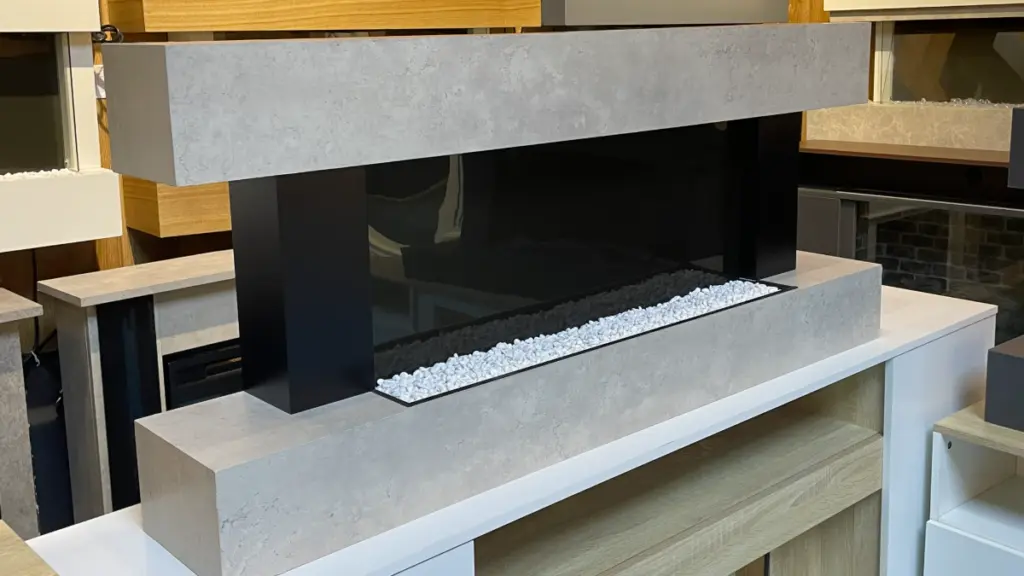
Electric vs. Wood Fireplaces: Perbandingan Kos
The total cost of an electric or wood-burning fireplace depends on the initial investment, installation requirements and ongoing energy expenses. Comparing these costs helps homeowners estimate the budget for both installation and regular use.
Initial Purchase and Installation Costs
Electric fireplaces generally have lower upfront costs because they do not require a chimney or flue. Plug-in and freestanding models usually need little preparation, while wall-mounted and recessed units may involve electrical work or wall modifications. The final price also varies by size, kapasiti pemanasan, design and features.
Wood-burning fireplaces typically require a larger initial investment, particularly for new installations. Costs may include the firebox, chimney, serombong, fire-resistant hearth, materials and professional labor. Walau bagaimanapun, homes with an existing fireplace and a suitable chimney may avoid some construction expenses. Repairs or upgrades to the existing structure can still increase the total cost.
Kos Operasi
Operating costs depend on local electricity rates, firewood prices, heating requirements and how often the fireplace is used. The main expenses differ between the two types:
| Faktor Kos | Perapian elektrik | Wood-Burning Fireplace |
|---|---|---|
| Sumber tenaga | Electricity measured in kWh | Firewood |
| Main Expenses | Heater wattage, electricity rates and usage time | Firewood prices, fuel consumption and delivery |
| Heating Efficiency | Nearly all electricity used for resistance heating becomes room heat | Depends on fireplace design and combustion efficiency |
| Cost Control | Adjustable heat settings and thermostats help manage electricity use | Fuel quantity and airflow affect heat output |
| Additional Expenses | Electricity costs during extended use | Firewood storage, preparation and transportation |
Contohnya, a 1.5 kW electric fireplace running for four hours consumes 6 kWj. Multiplying this amount by the local electricity rate gives the estimated daily heating cost. Actual consumption may be lower if the thermostat cycles the heater on and off.
Wood-burning costs depend on the price and quantity of firewood needed to produce sufficient heat. Locally sourced wood may reduce fuel expenses, while purchased seasoned logs add recurring costs. Fireplace efficiency also affects how much usable heat each load of wood provides.
Neither option is always cheaper to operate. Homeowners should compare local energy prices, expected usage and heating requirements rather than relying on the purchase price alone.
Electric vs. Wood Fireplaces: Pemasangan dan Penyelenggaraan
Installation requirements and routine maintenance differ between electric and wood-burning fireplaces. These differences affect installation flexibility, space requirements and ongoing care.
Keperluan Pemasangan
Perapian elektrik
- Pengudaraan: No chimney or flue is required, allowing installation in more indoor spaces.
- Power Supply: Requires a suitable electrical outlet and circuit capacity for the unit’s heating output.
- Space Requirements: Berdiri bebas, dipasang di dinding, recessed and insert models offer different placement options.
- Installation Work: Plug-in models need minimal preparation, while recessed and wall-mounted units may require electrical work or wall modifications.
Wood-Burning Fireplaces
- Pengudaraan: Requires a chimney or approved flue to carry smoke and combustion gases outside.
- Space Requirements: Needs a firebox, noncombustible hearth and adequate clearance from surrounding materials.
- Installation Work: New installations may involve chimney construction, structural modifications and professional labor.
- Existing Structures: Homes with an existing fireplace still need a chimney and flue inspection before use.
Cleaning and Maintenance
Perapian elektrik
- Glass and Exterior: Clean the viewing glass and exterior surfaces according to the manufacturer’s instructions.
- Air Vents: Remove dust and keep ventilation openings clear to support proper airflow.
- Heating Components: Check fans, heating elements and electrical connections as recommended by the manufacturer.
- Ash and Soot: No ash, soot or creosote removal is needed because the unit does not burn fuel.
Wood-Burning Fireplaces
- Firebox Cleaning: Remove accumulated ash and debris after the fireplace has cooled.
- Glass and Hearth: Clean soot from the viewing glass, mana berkenaan, and keep the hearth free of debris.
- Chimney Sweeping: Arrange professional cleaning to remove soot and creosote buildup.
- Safety Inspections: Have the chimney, flue and firebox inspected regularly to identify damage and reduce chimney fire risks.
Electric fireplaces generally require less routine care, while wood-burning fireplaces need regular cleaning and professional inspections to maintain safe operation.

Can You Replace a Wood Fireplace with an Electric Insert?
Ya. An existing wood-burning fireplace can often be converted into an electric fireplace by installing an electric insert. The process is generally simpler than building a new fireplace, but homeowners should check the opening dimensions, electrical supply and installation requirements first.
- Check the Existing Fireplace Opening
- Measure the Opening: Record the width, height and depth of the fireplace opening to determine which insert sizes will fit.
- Inspect the Interior: Check for loose masonry, damaged surfaces or other conditions that could affect installation.
- Check Available Space: Make sure the opening provides enough clearance around the insert, following the manufacturer’s specifications.
- Choose an Electric Fireplace Insert
- Size and Fit: Select an insert that matches the opening dimensions. Some models include adjustable trim kits to cover small gaps.
- Kapasiti pemanasan: Compare the unit’s heat output with the room size and intended heating needs.
- Flame Features: Consider adjustable flame brightness, color settings, remote controls and flame-only operation.
- Power Requirements: Check the voltage, wattage and outlet requirements before purchasing.
- Consider Installation Requirements
- Electrical Connection: Confirm that a suitable outlet is available. Some models may require a dedicated circuit or professional electrical work.
- Chimney and Flue: Electric inserts do not need a working chimney or flue for ventilation. Follow the manufacturer’s instructions for handling the existing damper and fireplace opening.
- Pelepasan dan pengudaraan: Maintain the required clearance around the insert and keep its air intake and outlet unobstructed.
- Professional Installation: Follow the product manual and consult a qualified installer if electrical modifications or structural repairs are needed.
Replacing a wood-burning fireplace with an electric insert can reuse the existing fireplace opening while reducing the need for fuel storage, ash removal and chimney maintenance. The final choice depends on the opening dimensions, electrical setup and desired heating performance.
Electric vs. Wood Fireplaces: Which Should You Choose?
The right fireplace depends on the property type, keadaan pemasangan, heating requirements and intended use. Residential and commercial projects may have different priorities when choosing between electric and wood-burning models.
For Residential Applications
- Apartments and Condos: Electric fireplaces are generally more suitable because they do not require a chimney or firewood storage. Wall-mounted and recessed models also work well in compact living spaces.
- Existing Fireplace Renovations: Homeowners can replace an unused or outdated wood fireplace with an electric insert, reusing the existing opening without maintaining a working chimney for combustion.
- Rural Homes and Cabins: Wood-burning fireplaces may suit properties with an existing chimney and access to affordable firewood. They provide real flames and can produce heat without relying on electricity.
- Modern Living Spaces: Electric fireplaces offer flexible installation and adjustable flame effects, making them suitable for contemporary interiors and renovation projects.
For Commercial Applications
- Hotels and Resorts: Electric fireplaces can create a welcoming atmosphere in guest rooms, reception areas and lounges. Their flexible installation and lower routine maintenance requirements can simplify property management.
- Restaurants and Bars: Electric models are often easier to incorporate into dining areas because they do not produce smoke or require firewood handling. Wood-burning fireplaces may suit venues designed around a traditional fireplace experience, provided ventilation and fire safety requirements can be met.
- Retail and Showroom Spaces: Electric fireplaces offer adjustable flame effects and flexible placement, making them suitable for decorative displays and product presentation without introducing combustion emissions indoors.
- Hospitality and Leisure Venues: Wood-burning fireplaces may complement cabins, lodges and outdoor hospitality settings where a traditional fire contributes to the guest experience. Installation must account for ventilation, fire protection and local regulations.
YIKA also offers electric fireplace OEM and customization services to meet the specific design requirements of different commercial projects.
Overall, electric fireplaces are often more practical for spaces that prioritize installation flexibility, consistent operation and simplified maintenance. Wood-burning fireplaces may be a better fit for properties where authentic flames are central to the atmosphere and suitable ventilation and fire safety infrastructure are available.
Fikiran Akhir
Electric fireplaces and wood-burning fireplaces serve different needs across residential and commercial spaces. Electric models offer flexible installation, convenient operation and lower maintenance requirements, while wood-burning fireplaces provide authentic flames and traditional warmth. Factors such as installation conditions, keperluan pemanasan, operating costs and local fire regulations all influence which option works best for a particular project.
Untuk pemilik rumah, hotel operators and commercial property developers, understanding these differences helps match fireplace features to the intended space. Bulat offers a range of electric fireplaces designed for different interior applications. Hubungi pasukan kami to explore suitable models for your next residential or commercial project.
Soalan Lazim
Do electric fireplaces look realistic compared to wood?
Current flame effects project layered LED depth with adjustable color and brightness, and many buyers accept the effect at normal viewing distance. Wood keeps the sound, the smell and the radiance of a real fire, which no electric unit reproduces. The difference is preference rather than fidelity.
Do electric fireplaces give off real heat?
Ya. A separate fan-forced or infrared element produces 750 ke 1,500 W on US circuits and 1,000 ke 2,000 W on EU circuits, enough to warm a bedroom or a medium living room as zone heat. The flame effect and the heater run independently.
Are wood-burning fireplaces being banned?
Not banned outright in most markets, but restricted in a growing number of them: low-emission zones in Europe, burn-day rules and new-install limits in parts of North America. Some jurisdictions allow only certified low-emission stoves or inserts. The trend tightens gradually rather than through blanket bans.
Which is cheaper to run: electric or wood fireplace?
It depends on local firewood prices against electricity tariffs. Open wood hearths lose most heat up the flue, so efficient wood heating means a certified stove or insert. Electric fireplaces turn nearly all of their draw into room heat and can run flame-only at a few watts.
Can I convert my wood fireplace to electric?
Ya. Measure the opening, select an insert that fits with its trim, set it in place and plug it in. Close the damper to block drafts. No liner or venting work is required, because nothing combusts.
Do electric fireplaces add resale value?
An electric unit adds a working fireplace to homes without a chimney, which broadens a listing’s appeal in some markets. The value impact is modest and local; buyers treat it as a comfort feature rather than a structural one.