An infrared diesel heater works by burning diesel fuel to generate infrared radiant heat, which directly warms people, equipment, and nearby surfaces instead of circulating hot air. This heating method reduces heat loss and delivers efficient heating in ventilated or semi-open spaces.
Understanding how an infrared diesel heater works can help buyers evaluate whether it is the right solution for their application. This guide explains its working principle, key advantages, common applications, and when it is the best choice for commercial and industrial heating.
What Is an Infrared Diesel Heater?
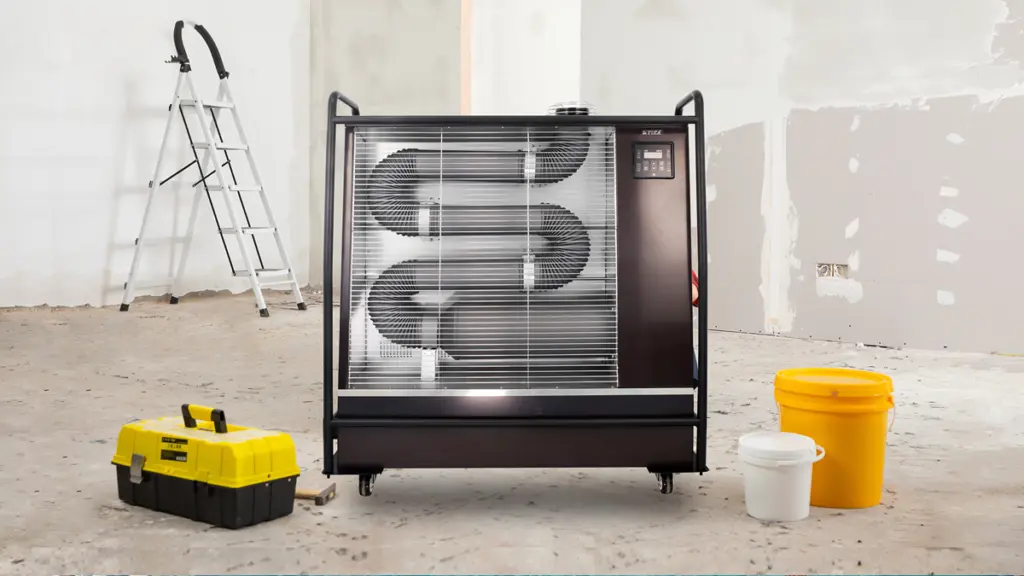
Infrared diesel heaters provide direct radiant heating by using diesel fuel as an energy source, making them suitable for commercial and industrial environments that require efficient spot heating.
A Type of Diesel Radiant Heater
An infrared diesel heater is one type of diesel radiant heater that uses infrared radiation instead of forced hot air to warm nearby people, equipment, and surfaces. Rather than heating the surrounding air, it delivers direct radiant heat to solid objects, providing efficient and targeted warmth.
This heating method performs well in large, ventilated, or semi-open spaces where hot air can escape easily. As a result, infrared diesel heaters are widely used for construction sites, warehouses, workshops, factories, and agricultural facilities that require reliable spot heating.
How It Differs from Forced-Air Diesel Heaters
Although both heaters use diesel fuel, they heat spaces in different ways. A forced-air diesel heater uses a fan to circulate hot air, while an infrared diesel heater uses radiant heat to warm people, equipment, and surfaces directly.
This makes infrared diesel heaters more suitable for targeted heating in large, drafty, or semi-open spaces, where hot air can quickly escape.
| Feature | Infrared Diesel Heater | Forced-Air Diesel Heater |
|---|---|---|
| Heating Method | Direct radiant heat | Hot air circulation |
| Heat Distribution | Warms people, equipment, and surfaces directly | Heats and circulates surrounding air |
| Air Movement | Minimal airflow | Strong airflow from the fan |
| Dust Disturbance | Lower dust movement | More likely to circulate dust |
| Noise Level | Quiet operation | Higher noise due to fan operation |
| Best For | Targeted heating in large, drafty, or semi-open spaces | Heating enclosed spaces with air circulation |
For applications that require direct heating with less airflow, dust, and noise, an infrared diesel heater can provide a more suitable solution.
How an Infrared Diesel Heater Works
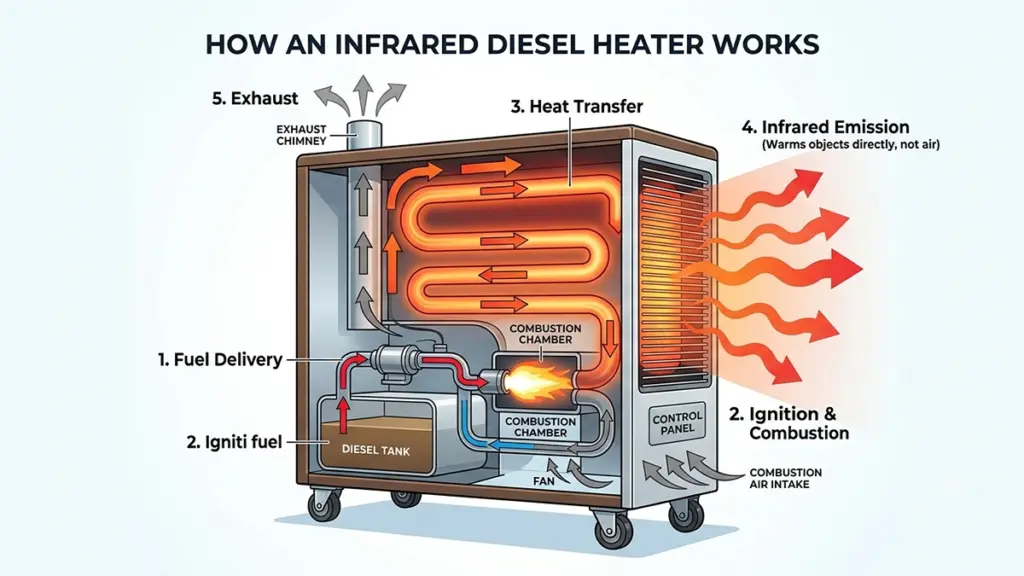
An infrared diesel heater uses a controlled combustion process to transform diesel fuel into radiant heat. The system transfers energy through several stages, from fuel combustion to infrared heat delivery.
Fuel Combustion Generates Heat
The heating process begins when diesel fuel moves from the fuel tank to the burner through a fuel pump. Inside the burner, the fuel mixes with air to create a combustible mixture that can be ignited.
Once ignition occurs, the fuel burns inside the combustion chamber and releases thermal energy. The chamber controls the combustion process to maintain stable and efficient heat generation.
The generated heat is transferred to the heater’s internal radiant components, where it is converted into infrared energy instead of being distributed through air circulation.
The Radiant Surface Emits Infrared Heat
After combustion, the heat moves to the heater’s radiant surface, which is designed to withstand high temperatures and convert thermal energy into infrared radiation. When the surface becomes hot enough, it releases infrared energy toward nearby objects and surfaces.
The heating process can be understood through the following steps:
- Fuel Delivery: Diesel fuel is supplied from the tank to the burner at a controlled rate.
- Ignition and Combustion: The fuel mixes with air and burns inside the combustion chamber to generate heat.
- Heat Transfer: Thermal energy moves from the combustion area to the radiant surface.
- Infrared Emission: The heated surface releases infrared radiation toward the surrounding area.
Infrared models transfer heat through radiation rather than fan-driven air circulation. This reduces heat loss caused by air movement and improves performance in large, drafty, or semi-open spaces.
Objects Absorb Heat Directly
Infrared radiation travels through the air until it reaches nearby objects such as people, equipment, floors, and walls. These surfaces absorb the infrared energy and convert it into heat, gradually increasing their temperature.
This process is known as radiant heating. The heat transfer occurs directly between the heater and surrounding objects, allowing energy to reach the target area without relying on air circulation.
By warming objects instead of only increasing air temperature, infrared diesel heaters achieve a more direct heat transfer process. This makes them suitable for environments where targeted heating is required.
Partner with a Reliable Infrared Diesel Heater Manufacturer
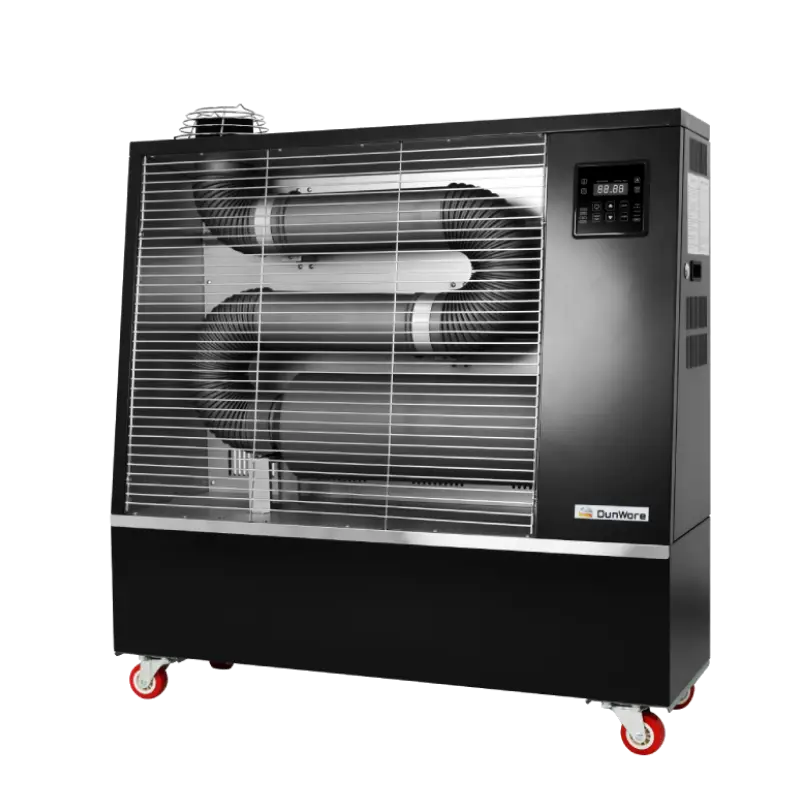
Key Features and Benefits of Infrared Diesel Heaters
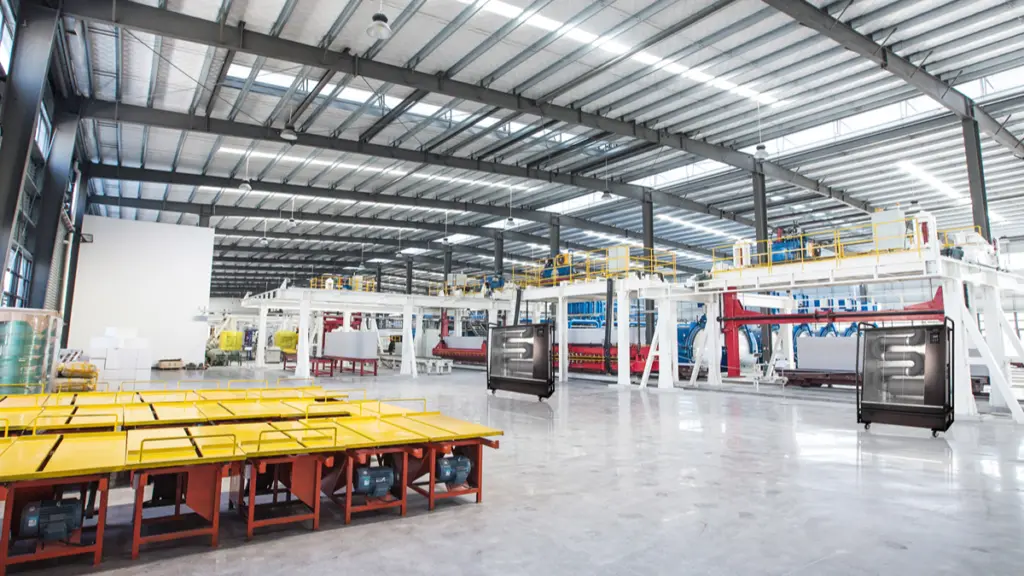
Industrial and commercial users need heating solutions that provide reliable performance in challenging environments. Infrared diesel heaters offer efficient, targeted heating with less heat loss, making them suitable for workshops, warehouses, construction sites, and temporary facilities.
Efficient Targeted Heating
Infrared diesel heaters transfer heat directly to people, equipment, and surfaces instead of heating all the surrounding air. This targeted heating method reduces energy waste and helps maintain comfortable working conditions in large or partially open spaces.
Draft-Resistant Heating
Because infrared diesel heaters warm objects rather than the air, their heating performance is less affected by wind, ventilation, or frequently opened doors. This makes them a practical solution for construction sites, warehouses, and other environments where air temperature is difficult to maintain.
Quiet Operation
Infrared diesel heaters produce heat with minimal air movement, helping reduce operating noise compared with fan-based heating systems. This creates a more comfortable working environment for workshops, production areas, and commercial spaces.
Reduced Dust and Air Movement
With less reliance on forced airflow, infrared heating helps minimize dust circulation and air disturbance. This makes infrared diesel heaters suitable for workplaces where cleaner and more stable heating conditions are required.
Where Are Infrared Diesel Heaters Used?

Infrared diesel heaters are used across various commercial and industrial environments where reliable heating is required. Their portable design and direct heat delivery make them suitable for applications with temporary, localized, or challenging heating needs.
Common applications include:
- Construction Sites: Provide heating for outdoor projects, temporary structures, and worker areas during cold conditions.
- Workshops and Factories: Support heating needs in production areas, maintenance zones, and workstations.
- Warehouses and Storage Facilities: Offer additional heating for loading areas, storage spaces, and large facilities.
- Agricultural Applications: Provide flexible heating for farms, barns, and semi-open agricultural buildings.
From temporary job sites to industrial facilities, infrared diesel heaters provide a practical heating option for businesses that need reliable heat in demanding environments.
When Should You Choose an Infrared Diesel Heater?

Heating requirements vary depending on the project environment, operating schedule, and available infrastructure. Infrared diesel heaters are suitable for businesses that need flexible and reliable heating without permanent installation.
Choose an infrared diesel heater when:
- Heating Large or Open Spaces
Suitable for warehouses, workshops, and construction sites where heating the entire air volume is inefficient. - Working in Remote Locations
Ideal for job sites or outdoor areas without access to fixed heating systems. - Fast and Direct Heating Is Required
Infrared technology provides immediate heat by warming people, equipment, and surfaces directly. - Air Movement or Drafts Affect Heating Efficiency
Effective in areas with open doors, ventilation, or frequent air exchange where warm air heaters may lose efficiency.
YIKA’s OBH-20 Infrared Diesel Heater features a 24-hour timer and remote control, making it easier to manage heating schedules in different working environments.
Final Thoughts
An infrared diesel heater provides a practical heating solution for construction, industrial, and commercial applications that require flexible and targeted warmth. Understanding its working principle and applications helps businesses choose suitable heating equipment for different environments.
YIKA provides infrared diesel heaters with OEM customization services to meet different market and application requirements. With manufacturing experience and flexible solutions, YIKA supports global partners in developing reliable heating products for their customers.
Frequently Asked Questions
Can you leave an infrared diesel heater on all night?
Some infrared diesel heaters can operate for extended periods when used correctly. Continuous operation depends on the heater model, safety features, fuel supply, and application environment. Always follow the manufacturer’s operating instructions.
Are infrared diesel heaters more efficient than forced-air heaters?
Infrared diesel heaters can be more efficient for targeted heating because they transfer heat directly to people and objects instead of warming the entire air space. They are especially suitable for large, open, or drafty areas.
Can an infrared diesel heater be used outdoors?
Yes, infrared diesel heaters are commonly used in outdoor and semi-open environments such as construction sites and temporary work areas. Their direct heating method helps provide warmth where air movement is present.
What fuel does an infrared diesel heater use?
An infrared diesel heater uses diesel fuel as its energy source. The fuel is burned through a controlled combustion process to generate heat and produce infrared radiation.
How do I choose the right infrared diesel heater for my application?
Consider factors such as heating area, working environment, required heat output, and installation conditions. The right infrared diesel heater depends on whether you need temporary heating, targeted warmth, or additional heating support.