Con varios modelos de ventiladores nebulizadores disponibles para diferentes aplicaciones., Los compradores deben considerar factores como el rendimiento de refrigeración., requisitos de instalación, entornos operativos, y necesidades de mantenimiento antes de realizar una compra. Esta guía proporciona una descripción detallada de cómo funcionan los ventiladores de nebulización., sus principales tipos, ventajas, limitaciones, y aplicaciones adecuadas para ayudar a los usuarios y empresas a evaluar la solución de refrigeración adecuada.
¿Qué es un ventilador nebulizador??
Un ventilador nebulizador es un dispositivo de enfriamiento que combina el flujo de aire con un fino rocío de agua.. A diferencia de un ventilador estándar, que circula principalmente aire para crear un efecto de enfriamiento, un ventilador de nebulización libera finas gotas de agua en el flujo de aire. A medida que el agua se evapora, Absorbe el calor del aire circundante y proporciona refrigeración adicional.. Los ventiladores nebulizadores se utilizan habitualmente en espacios exteriores., patios, restaurantes, eventos, talleres, almacenes, y otras áreas grandes o semiabiertas donde el aire acondicionado tradicional puede no ser práctico.
¿Cómo funciona un fanático de la niebla??
Un ventilador de nebulización funciona combinando agua nebulizada y flujo de aire para crear un efecto de enfriamiento por evaporación.. Rocía finas gotas de agua en el aire en movimiento., y el proceso de evaporación elimina el calor del ambiente circundante., haciendo que el aire se sienta más fresco.
El proceso de enfriamiento del núcleo incluye tres pasos principales.:
- Suministro de agua y generación de niebla: El agua se bombea a través de boquillas finas., que lo rompen en pequeñas gotas y crean una niebla refrescante.
- Evaporación y absorción de calor.: Las pequeñas gotas de agua absorben el calor del aire y se evaporan., reduciendo la temperatura ambiente.
- Distribución de aire frío: El ventilador empuja el aire enfriado y la niebla a través de un área más amplia para proporcionar una refrigeración más cómoda..
Comprender la tecnología detrás del enfriamiento evaporativo
Un ventilador nebulizador enfría el aire circundante mediante un simple proceso de enfriamiento por evaporación.. usa agua, presión, y el flujo de aire juntos para crear un efecto refrescante. El sistema rocía gotas de agua extremadamente finas en aire caliente.. Cuando estas gotas se evaporan, absorben calor del ambiente, y el ventilador distribuye el aire más frío sobre un área más amplia.
1. Suministro de agua y generación de niebla
El proceso de enfriamiento comienza cuando el agua ingresa al sistema de nebulización a través de un tanque o una conexión de agua externa.. Una bomba aumenta la presión del agua y la empuja a través de boquillas especialmente diseñadas.. Estas boquillas rompen el agua en gotas microscópicas., creando una fina niebla en lugar de un rocío de agua tradicional.
2. Evaporación y eliminación de calor
Después de que la niebla se libera en el aire., las pequeñas gotas de agua absorben rápidamente el calor del entorno circundante. La energía térmica hace que el agua pase de líquido a vapor.. Durante este proceso de evaporación, El calor se elimina del aire., creando una sensación más fresca en el área circundante.
3. Distribución del flujo de aire
El ventilador juega un papel importante en la difusión del efecto de enfriamiento.. Un fuerte flujo de aire transporta la fina niebla a través de un espacio más grande y ayuda a distribuir el aire más frío de manera más uniforme.. Esto hace que los ventiladores nebulizadores sean adecuados para zonas exteriores., espacios comerciales, talleres, y otros entornos semiabiertos.
Tipos de fanáticos de la neblina: Conozca las opciones antes de comprar
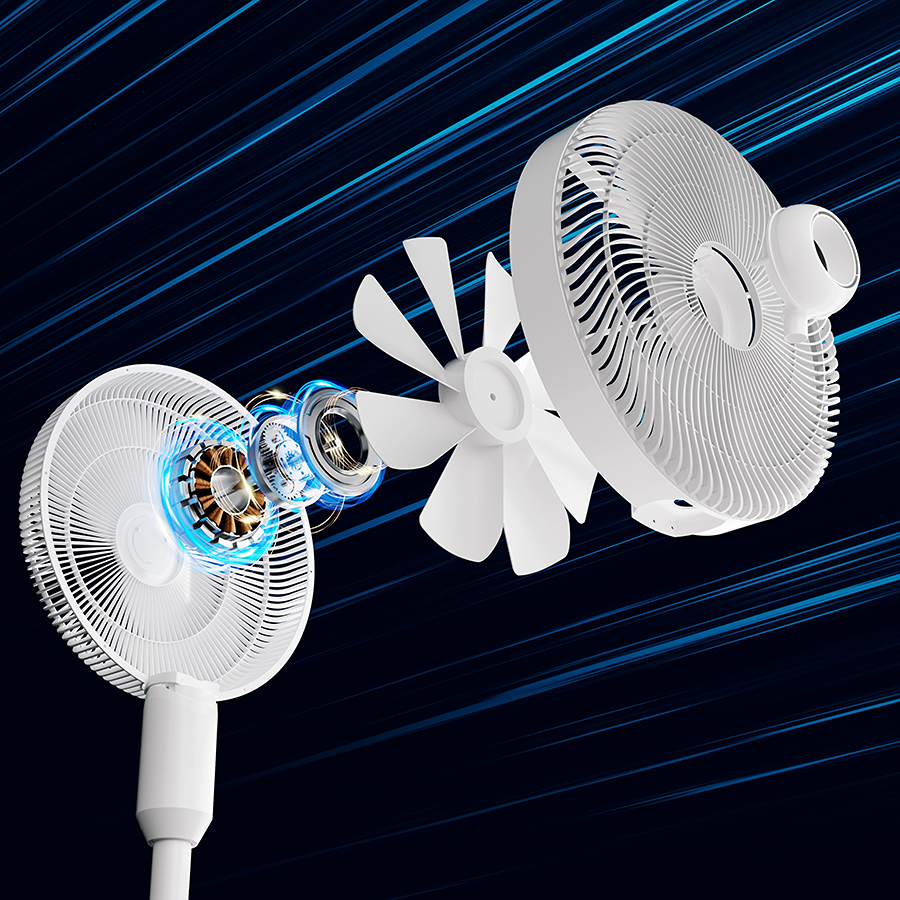
Ventiladores de nebulización portátiles
Los ventiladores nebulizadores portátiles están diseñados para un enfriamiento flexible en diferentes ubicaciones. Con ruedas, diseños compactos, o tanques de agua incorporados, son fáciles de mover entre áreas al aire libre, eventos, talleres, y espacios de enfriamiento temporales.
Son una opción práctica para usuarios que necesitan una refrigeración cómoda sin instalación permanente.. Por ejemplo, Los ventiladores de niebla de suelo de Yika cuentan con ajustes de velocidad ajustables y funciones de temporizador, haciéndolos adecuados para el hogar, oficina, y pequeñas aplicaciones de refrigeración comercial.
Ventiladores nebulizadores montados en la pared
Los ventiladores nebulizadores montados en la pared son ideales para lugares donde el espacio es limitado. Se utilizan comúnmente en restaurantes., cafés, talleres, y almacenes porque proporcionan refrigeración estable y al mismo tiempo ahorran espacio valioso.
Ventiladores de nebulización residenciales
Los ventiladores de nebulización residenciales están diseñados para hogares, jardines, patios, y zonas de ocio al aire libre. Estos modelos suelen centrarse en un funcionamiento sencillo., flujo de aire moderado, y mantenimiento conveniente.
Ventiladores de nebulización de alta presión
Los ventiladores de nebulización de alta presión utilizan bombas potentes y boquillas finas para crear gotas de agua más pequeñas.. Porque la niebla se evapora rápidamente con una humedad mínima., son aptos para espacios comerciales, eventos al aire libre, y aplicaciones de refrigeración profesionales.
Industriayo Fans de nebulización
Los ventiladores de nebulización industriales están diseñados para espacios grandes, como almacenes., fábricas, talleres, y áreas de trabajo al aire libre. Por lo general, presentan un flujo de aire más fuerte., construcción duradera, y una cobertura de refrigeración más amplia para satisfacer condiciones de trabajo exigentes.
Ventiladores de nebulización híbridos
Los ventiladores de nebulización híbridos combinan funciones de ventilador estándar con capacidades de nebulización. Los usuarios pueden cambiar entre flujo de aire normal y enfriamiento por niebla según las condiciones climáticas y las necesidades de la aplicación..
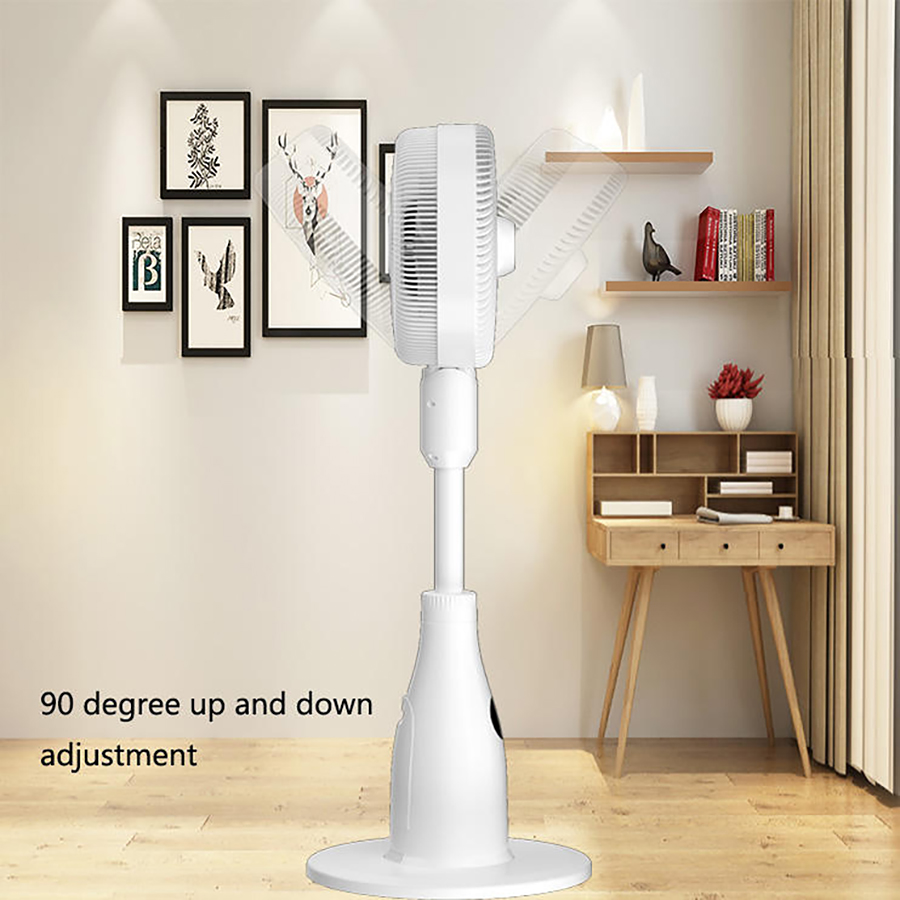
Asóciese con un fabricante confiable de ventiladores de niebla
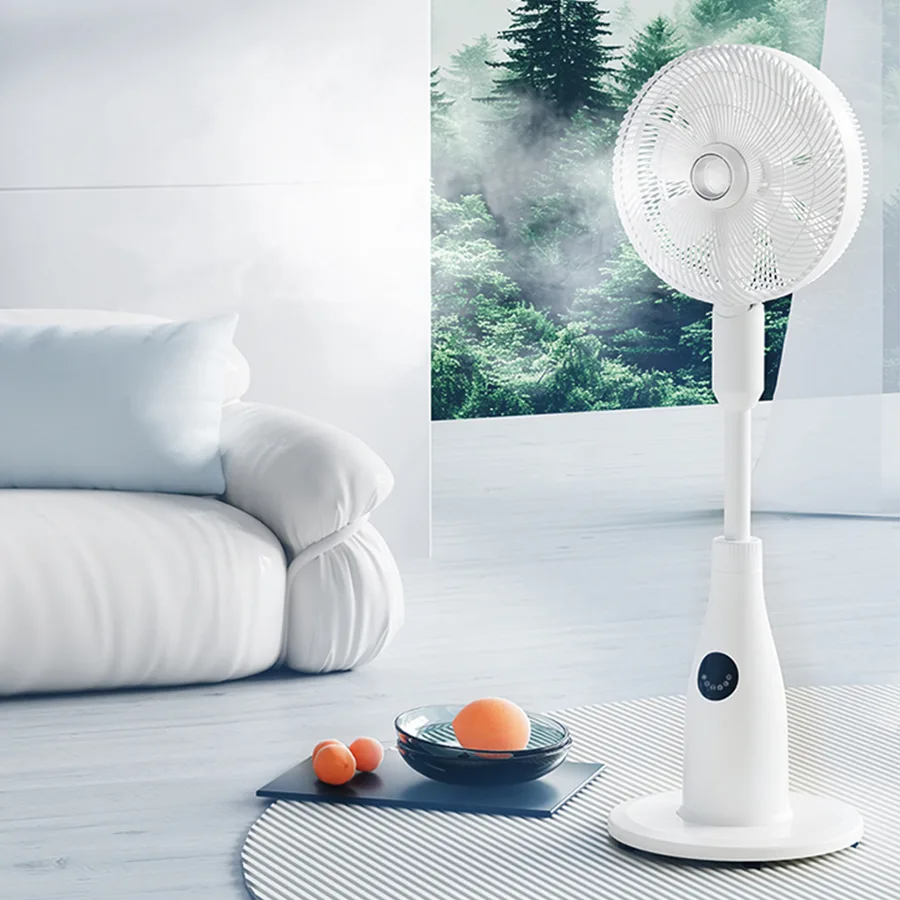
Diferencia entre un ventilador de nebulización y un sistema de nebulización
| Característica | Ventilador de niebla | Sistema de neblina |
|---|---|---|
| Diseño | Ventilador independiente con boquillas nebulizadoras integradas y sistema de flujo de aire | Red fija de tuberías., boquillas, y bombas de alta presión |
| Método de enfriamiento | Utiliza flujo de aire para distribuir fina niebla de agua para enfriamiento por evaporación. | Crea niebla ultrafina a través de múltiples boquillas para un enfriamiento de área más amplia |
| Área de cobertura | Adecuado para áreas exteriores pequeñas y medianas, talleres, y eventos | Diseñado para grandes espacios al aire libre, áreas comerciales, y necesidades de refrigeración permanentes |
| Instalación | Fácil instalación con opciones portátiles o semifijas | Requiere instalación profesional y disposición de tuberías fijas. |
| Portabilidad | Altamente portátil y fácil de mover entre ubicaciones | Solución permanente con movilidad limitada. |
| Mejor para | Restaurantes, patios, almacenes, talleres, y aplicaciones de enfriamiento temporal | Grandes zonas exteriores, lugares de entretenimiento, y proyectos de refrigeración a largo plazo |
Fans de nebulización
- Unidades de refrigeración independientes equipadas con ventiladores integrados y boquillas nebulizadoras.
- Rocíe finas gotas de agua en el flujo de aire para crear un efecto de enfriamiento por evaporación..
- Fácil de instalar y mover, haciéndolos adecuados para patios, restaurantes, eventos al aire libre, y necesidades de refrigeración temporales.
- Disponible en diferentes tamaños, desde modelos portátiles para uso personal hasta modelos comerciales para espacios más grandes.
- Las empresas pueden trabajar con un fabricante experimentado de ventiladores nebulizadores para acceder a diseños personalizados y opciones de producción flexibles..
Sistemas de neblina
- Utilice bombas de alta presión., tuberías, y múltiples boquillas para crear una cobertura de niebla continua.
- Diseñado para áreas exteriores más grandes que requieren una refrigeración más amplia y consistente.
- Comúnmente utilizado en jardines., mazos de piscina, espacios comerciales, granjas, y aplicaciones industriales.
- Generalmente requieren una instalación fija o semipermanente para un funcionamiento estable a largo plazo..
- Adecuado para proyectos que necesitan diseños de refrigeración personalizados y control de temperatura de áreas grandes.
Cómo elegir
Elige un ventilador de niebla si quieres movilidad, flexibilidad, y enfriamiento para espacios más pequeños.
Vaya con un sistema de nebulización si necesita generalizado, enfriamiento a largo plazo para grandes áreas al aire libre.
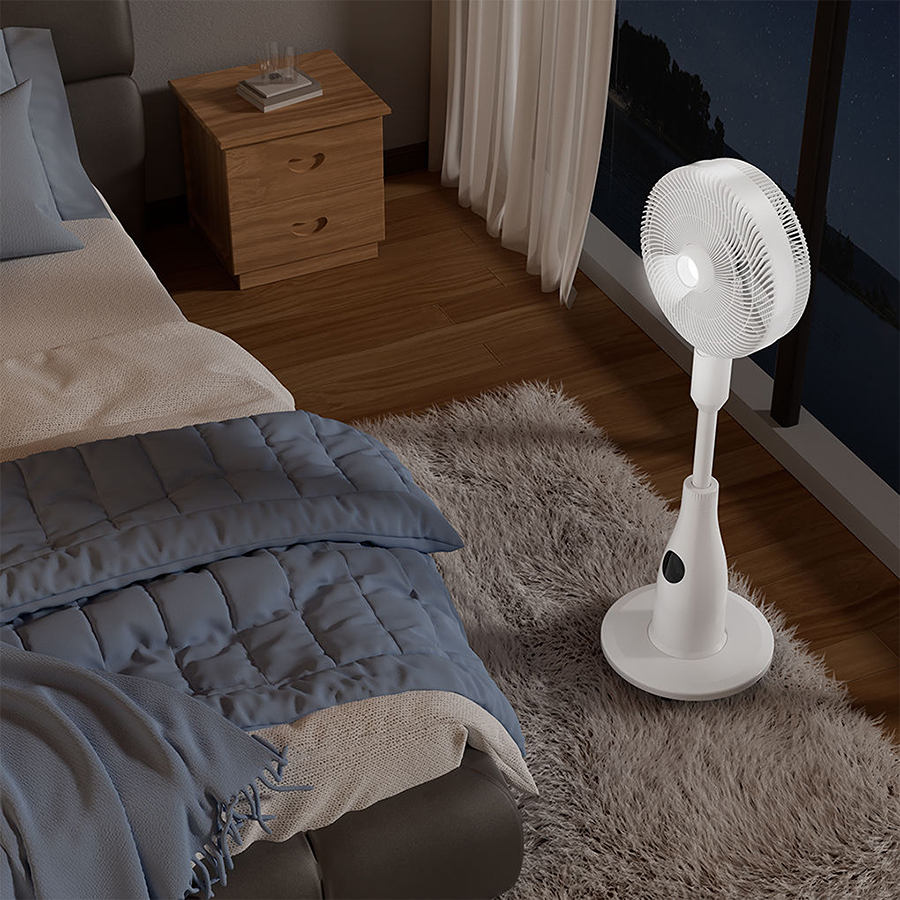
Pros y contras del ventilador nebulizador
Sopesar los beneficios contra los inconvenientes
✅ Pros
- Enfriamiento al aire libre efectivo
Los fanáticos de la neblina son excelentes para los patios, jardines, almacenes, y eventos. Se enfrían espacios grandes rápidamente en climas secos.
- Eficiencia Energética
En comparación con los aires acondicionados, Los ventiladores de nebulización consumen mucho menos electricidad, haciéndolos una opción de enfriamiento más sostenible.
- Portabilidad y conveniencia
Muchos modelos tienen ruedas, cabezas ajustables, y tanques desmontables, ofreciendo una gran flexibilidad.
- Funcionalidad de uso dual
Puede apagar la función de neblina y usar el ventilador solo, haciéndolo adaptable para varias condiciones climáticas.
- Supresión de polvo
En ambientes secos o abiertos, Los ventiladores de nebulización pueden ayudar a reducir el polvo y el polen en el aire al capturar pequeñas partículas con finas gotas de agua..
❌ Contras
- Efectividad limitada en Climas húmedos
En lugares con alta humedad, El proceso de evaporación se ralentiza, y el rendimiento de enfriamiento cae.
- Superficies húmedas y pisos resbaladizos
Si no se usa con cuidado, especialmente con modelos de baja presión, La acumulación de agua puede causar pisos húmedos y condiciones resbaladizas.
- Se requiere mantenimiento
La limpieza regular es necesaria para evitar la obstrucción de la boquilla debido a la acumulación de minerales de agua dura.
- Restricciones de uso en interiores
La mayoría de los ventiladores de nebulización no son adecuados para el uso de interior cerrado debido a los riesgos de humedad como el moho, moho, o daño a la electrónica.
- Requiere suministro continuo de agua
La mayoría de los ventiladores de nebulización requieren una conexión de agua constante o un llenado regular del tanque., especialmente durante largos períodos de funcionamiento.
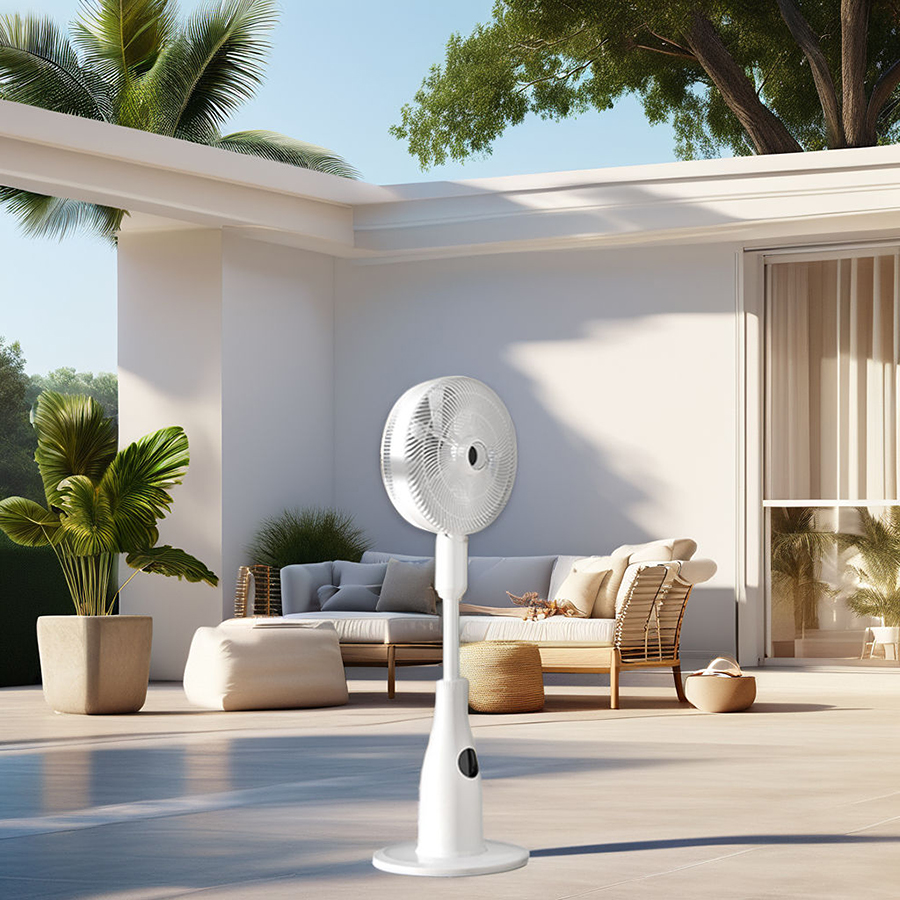
Dónde y cuándo usar un ventilador de nebulización: Aplicaciones ideales para diferentes entornos
Los ventiladores de nebulización se utilizan ampliamente en exteriores., comercial, y entornos industriales donde el aire acondicionado tradicional no es práctico o demasiado costoso. Combinando flujo de aire y enfriamiento evaporativo, Proporcionan un control de temperatura flexible para espacios que requieren una refrigeración efectiva y una buena circulación de aire..
Patios al aire libre, Jardines, y áreas residenciales
Los ventiladores nebulizadores portátiles son ideales para patios, jardines, y espacios de ocio al aire libre. Proporcionan un enfriamiento rápido durante el clima cálido y al mismo tiempo permiten a los usuarios mover la unidad entre diferentes áreas.. Funciones como velocidades ajustables, tanques de agua, y los temporizadores los hacen convenientes para uso doméstico y personal.
Restaurantes, cafeterías, y espacios comerciales al aire libre
Restaurantes, cafés, y las áreas de comedor al aire libre a menudo utilizan ventiladores nebulizadores portátiles o montados en la pared para mejorar la comodidad del cliente durante las estaciones cálidas.. Estas soluciones ayudan a crear un ambiente más confortable sin requerir instalaciones complejas ni un alto consumo energético..
Almacenes, Talleres, e Instalaciones Industriales
Los ventiladores de nebulización industriales se utilizan habitualmente en los almacenes., fábricas, talleres, y otros espacios grandes donde el aire acondicionado tradicional puede no ser práctico. La alta capacidad de flujo de aire y la amplia cobertura de refrigeración los hacen adecuados para mejorar las condiciones de trabajo., reducir el estrés por calor, y apoyar la comodidad de los empleados.
Instalaciones deportivas y gimnasios
Instalaciones deportivas, gimnasios, y las instalaciones de entrenamiento utilizan ventiladores nebulizadores para ayudar a enfriar a los atletas y visitantes en áreas abiertas o semiabiertas.. Los modelos portátiles y de alta presión pueden proporcionar refrigeración específica durante las sesiones de entrenamiento., competiciones, y actividades al aire libre.
Eventos, Lugares al aire libre, y Proyectos Temporales de Refrigeración
Los ventiladores nebulizadores de alta presión se utilizan con frecuencia para eventos al aire libre., conciertos, exposiciones, y aplicaciones de enfriamiento temporal. Su movilidad y su potente rendimiento de refrigeración los hacen adecuados para lugares donde se requiere una instalación rápida y un funcionamiento flexible..
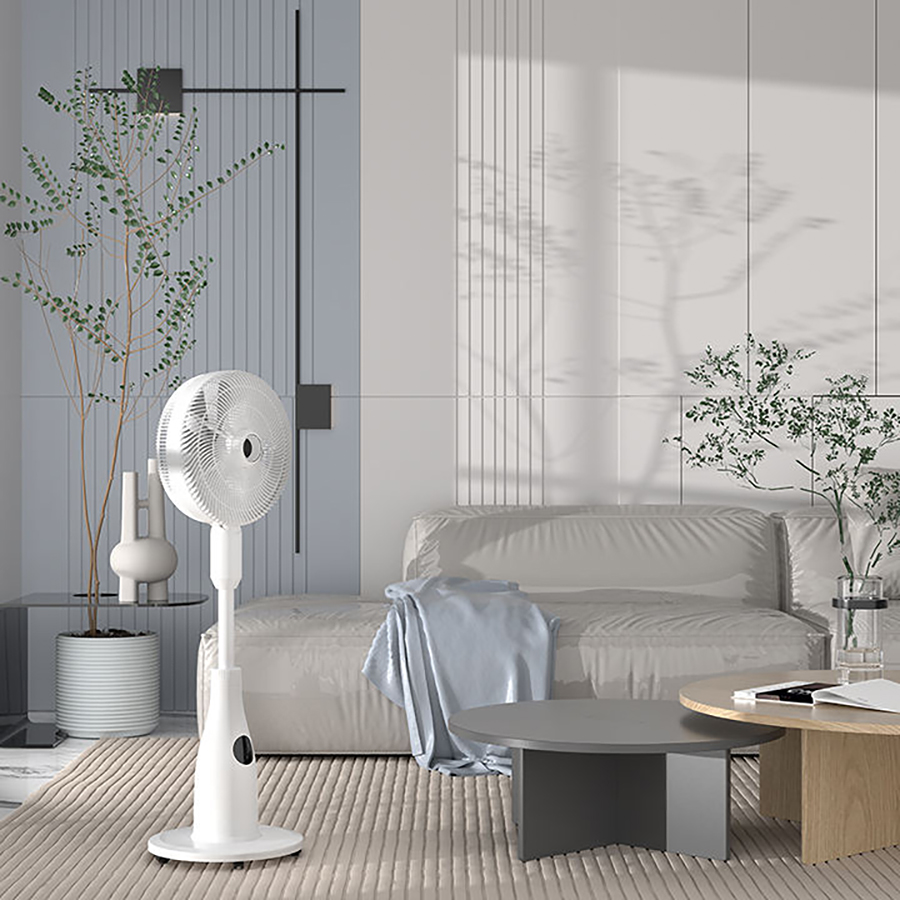
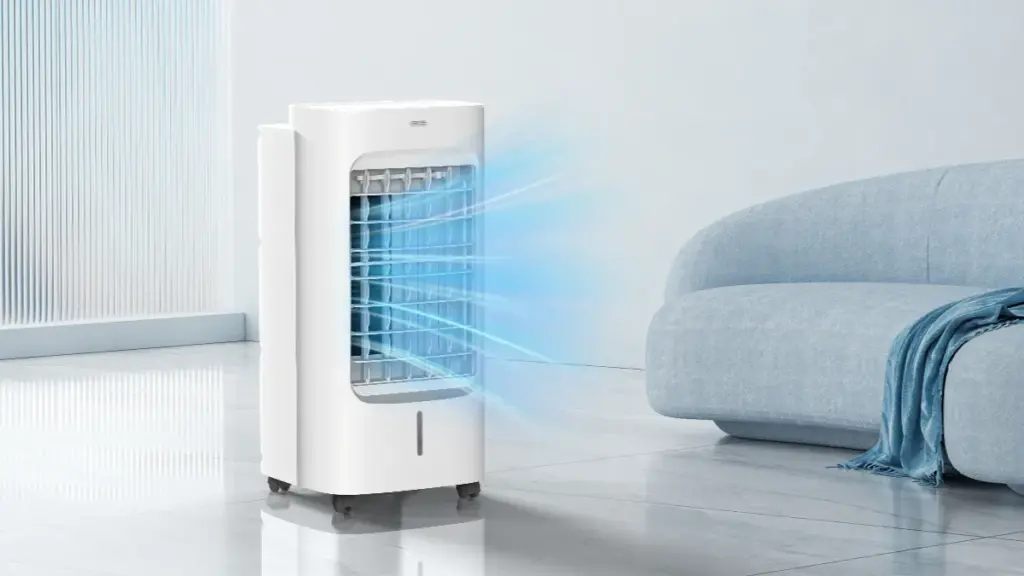
Ventilador de aire de aire vs neblina: Que es mejor?
Comparando dos opciones de enfriamiento evaporativas populares
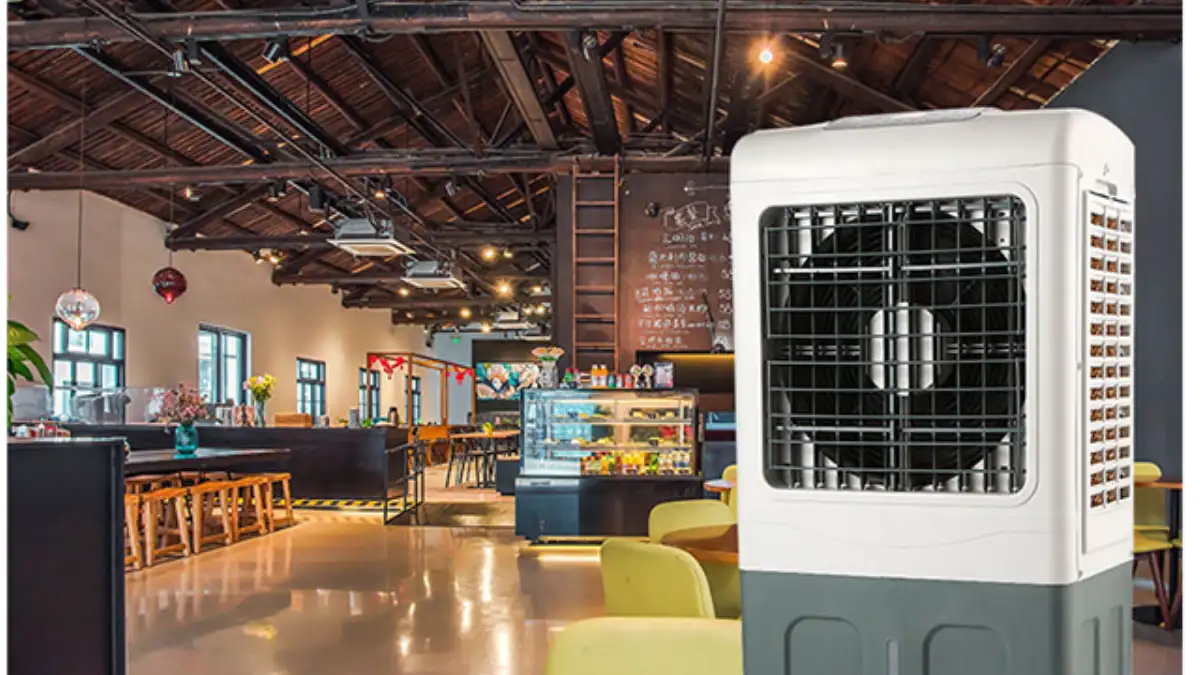
| Característica | Ventilador de niebla | Enfriador de aire |
|---|---|---|
| Método de enfriamiento | Rocía una fina niebla de agua en el aire para enfriar por evaporación. | Extrae aire a través de almohadillas de enfriamiento saturadas de agua para reducir la temperatura del aire. |
| Mejor aplicación | Espacios al aire libre, patios, eventos, talleres, y áreas abiertas | Espacios interiores, almacenes, fábricas, y zonas comerciales |
| Movilidad | Generalmente portátil y fácil de mover. | Modelos portátiles disponibles, pero generalmente diseñado para refrigeración interior fija |
| Control de humedad | Puede aumentar la humedad en áreas cerradas. | Agrega humedad mientras se enfría., adecuado para climas secos |
| Usuarios ideales | Negocios al aire libre, organizadores de eventos, y lugares de trabajo abiertos | Propietarios de viviendas, distribuidores, fábricas, y usuarios comerciales |
Acerca de Yika
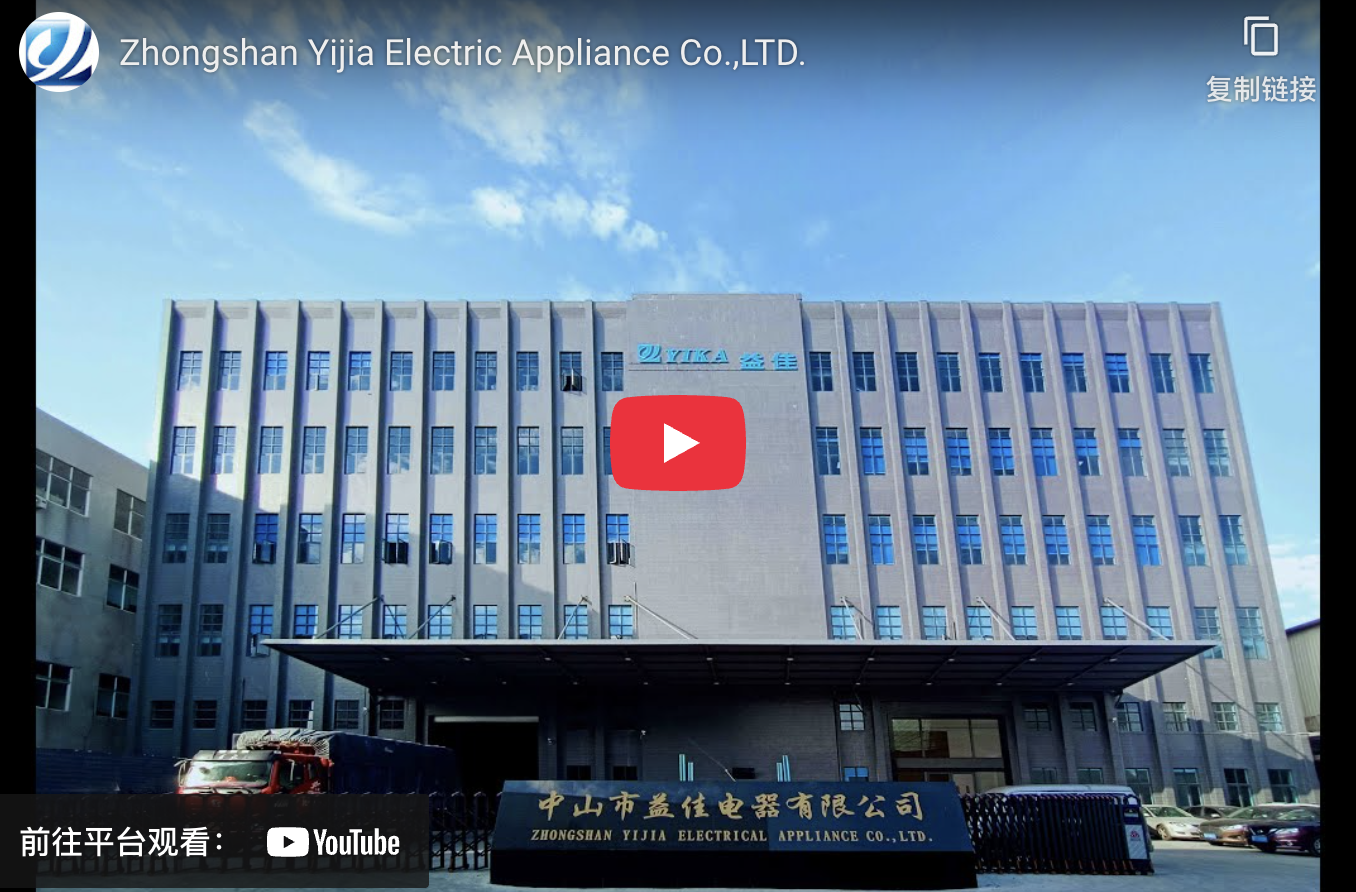
Con 14+ años de experiencia en fabricación, Yika se especializa en enfriadores de aire evaporativos., ventiladores de nebulización, calentadores electricos, y otros productos de control climático. La empresa ofrece soluciones de refrigeración OEM y personalizadas para Residencial, comercial, y industrial aplicaciones.
Yika sigue estrictos sistemas de gestión de calidad y posee certificaciones que incluyen ISO9001., ISO14001, e ISO45001. Como miembro de Sedex Supplier Plus, Yika demuestra capacidades de fabricación confiables y prácticas de producción responsables.
Con profesional r&capacidades D e instalaciones de producción avanzadas, Yika desarrolla productos de refrigeración eficientes y duraderos para apoyar a los distribuidores globales, mayoristas, y socios de marca.
Conclusión
Los ventiladores de nebulización ofrecen una solución de refrigeración eficiente para entornos exteriores y semiabiertos., incluyendo patios, restaurantes, almacenes, y talleres. Su combinación de flujo de aire y tecnología de enfriamiento evaporativo los convierte en una opción práctica para áreas donde el aire acondicionado tradicional no es adecuado..
Para distribuidores y compradores comerciales, Trabajar con un fabricante experimentado de ventiladores nebulizadores puede proporcionar productos confiables., opciones de personalización, y soporte a largo plazo para las diferentes necesidades del mercado.
Preguntas frecuentes
¿El ventilador nebulizador consume más electricidad??
Los ventiladores de nebulización consumen mucha menos energía en comparación con los aires acondicionados y tienen una eficiencia de aire acondicionado mucho más alta. A 250-300 Se utiliza el ventilador de neblina de tamaño mediano de vatios, en comparación con 1000-2000 Watts una hora consumida por un AC tradicional dividido.
¿El ventilador nebulizador es bueno para la salud??
Los ventiladores de nebulización evitan la transmisión de enfermedades y bacterias debido al uso de agua dulce en lugar del agua recuperada. Los ventiladores de nebulización y humidificación eliminan el polvo del aire ambiente y se usan mejor en áreas con mucho polvo y vientos monzónicos.
¿Cuál es la diferencia entre un ventilador de nebulización y un ventilador normal??
- Mecanismo de enfriamiento
Un ventilador estándar simplemente circula aire, ofreciendo una brisa sin cambiar la temperatura. A Ventilador de niebla en realidad reduce la temperatura del aire a través de la evaporación.
- Humedad y comodidad
Los ventiladores de nebulización agregan humedad al aire, que puede ser refrescante al aire libre. Los fanáticos regulares no afectan la humedad en absoluto.
- Uso de energía y agua
Un ventilador de niebla usa agua y electricidad, mientras que un ventilador normal solo usa electricidad. Sin embargo, Los ventiladores de nebulización aún pueden ser más rentables que los aires acondicionados.
- Idoneidad de la aplicación
Use ventiladores de nebulización al aire libre o en espacios semiabiertos. Los ventiladores tradicionales son más adecuados para el enfriamiento en interiores.
- Precio y características
Los fanáticos de la neblina son generalmente más caros que los fanáticos básicos debido a características adicionales como las boquillas de niebla, tanques, y bombas de presión.