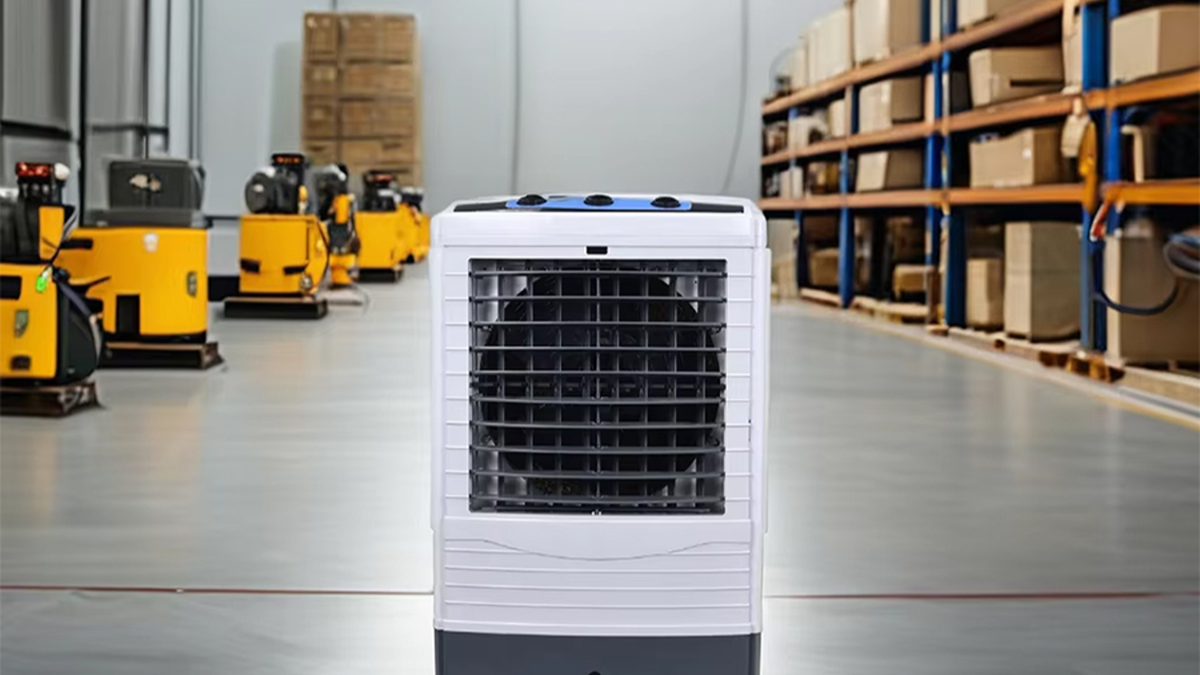
Large warehouses often face serious cooling challenges during hot seasons. High ceilings, metal roofs, large open areas, and continuous loading activities can trap heat and create uncomfortable working conditions for employees. At the same time, cooling these spaces with traditional systems can lead to high energy consumption and operating costs.
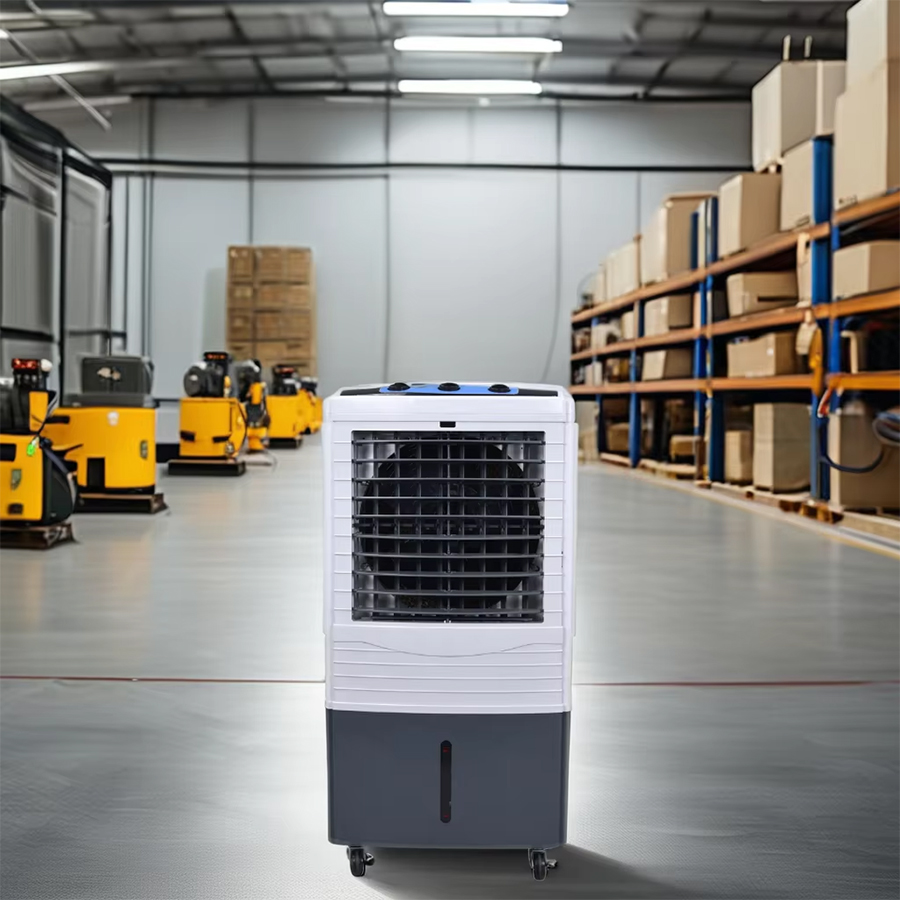
An evaporative air cooler for warehouse cooling provides an efficient way to improve airflow, reduce heat buildup, and maintain a more comfortable environment across large areas. This guide explains the key factors warehouse operators should consider when evaluating cooling capacity, system type, and application requirements.
Why Warehouse Cooling Requires a Different Approach
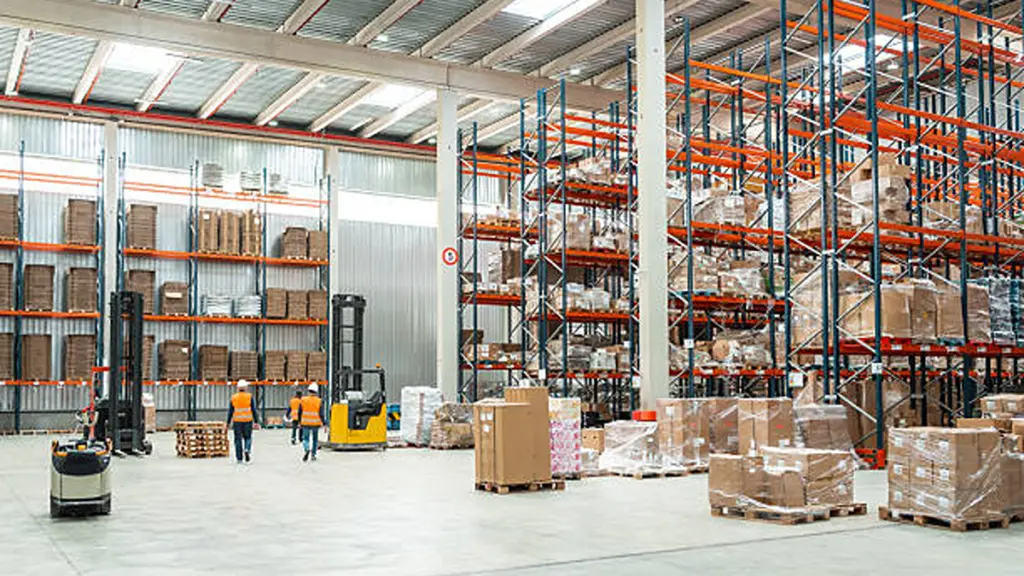
Warehouses require different cooling strategies due to their large size, high ceilings, and constantly changing airflow conditions. The right cooling solution should improve air circulation, reduce heat buildup, and support comfortable working conditions.
Common warehouse cooling challenges include:
- Large open areas and high ceilings: Large air volumes allow hot air to accumulate near ceilings, creating uneven temperatures throughout the warehouse.
- Frequent door openings: Loading activities and vehicle movement allow hot outdoor air to enter, making temperature control more challenging.
- Poor airflow distribution: Areas near equipment, metal roofs, corners, or high-traffic zones may develop uncomfortable hot spots without proper air movement.
An effective warehouse cooling system should not only reduce temperature but also provide continuous airflow across large working areas.
How Do Evaporative Air Coolers Work for Warehouse Cooling?
Evaporative air coolers use water evaporation and high-volume airflow to reduce heat and improve air circulation in large warehouse environments.
Warm air passes through water-saturated cooling pads, where evaporation removes heat from the air. The cooled air is then distributed across the warehouse through a powerful fan system.
For warehouse applications, this cooling method provides two key advantages:
- Efficient airflow distribution across large open areas
- Fresh air circulation instead of only recirculating indoor air
This makes evaporative air coolers suitable for warehouses that require effective cooling, improved ventilation, and lower energy consumption.
Learn more about Why Evaporative Coolers Are Ideal for Large Industrial Spaces
What Are the Benefits of Evaporative Air Coolers for Warehouses?
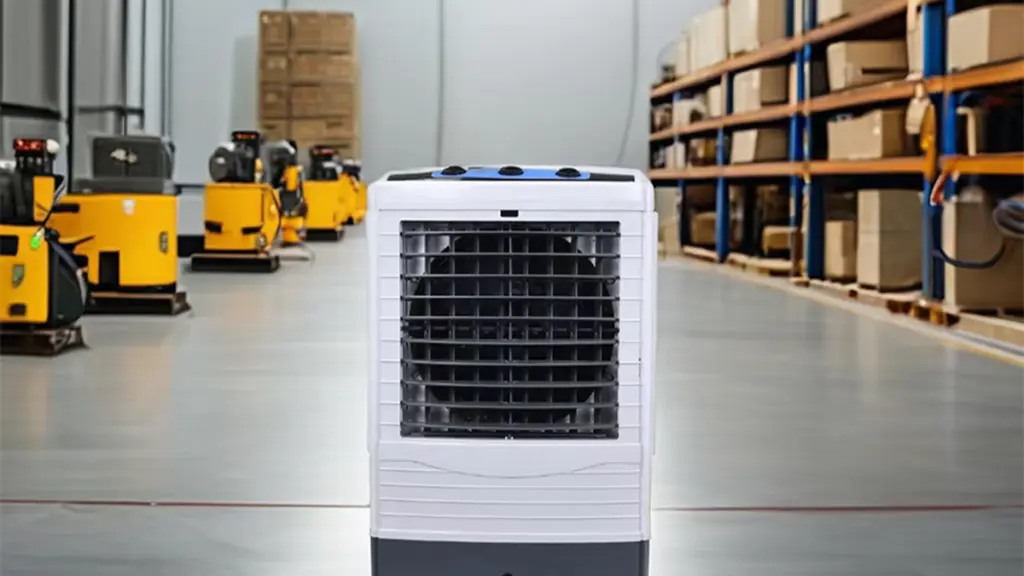
Warehouse operators need cooling solutions that balance comfort, energy efficiency, and operational requirements. A properly selected evaporative air cooler for warehouse cooling can provide reliable airflow coverage, improve working conditions, and support different warehouse layouts.
Deliver High-Volume Airflow Across Large Warehouse Areas
Large warehouses require more than simple temperature reduction. They need consistent airflow that can reach wide working areas and reduce uncomfortable heat buildup.
Unlike small cooling devices designed for individual rooms, warehouse evaporative air coolers are built to handle large open environments through high-volume air movement. This makes them suitable for facilities such as:
- Large storage facilities: Maintain better airflow across extensive storage areas.
- Logistics centers: Support cooling in busy spaces with continuous movement of goods.
- Manufacturing warehouses: Help manage heat in areas connected with production activities.
By distributing cooled air across wider areas, evaporative air coolers help create a more comfortable working environment without requiring the entire warehouse to operate as a fully enclosed space.
Improve Ventilation While Reducing Heat
Heat accumulation is a common concern in warehouses, especially during hot seasons or in buildings with limited natural airflow. Instead of focusing only on lowering temperature, effective warehouse cooling should also improve air movement and workplace comfort.
Evaporative air coolers combine cooling and ventilation to help:
- Reduce stagnant hot air in working areas
- Maintain continuous fresh air circulation
- Improve overall comfort during daily operations
For warehouses that do not require strict temperature control, evaporative cooling provides a practical balance between cooling performance and operating costs.
Provide Flexible Cooling for Different Warehouse Zones
Different areas within the same warehouse often have different cooling requirements. Loading areas, packing stations, and storage zones may require different airflow levels depending on their daily activities.
Portable and fixed evaporative air coolers provide flexibility for different applications:
- Portable units can support temporary cooling needs or specific working areas.
- Fixed industrial units can provide stable airflow coverage for large permanent spaces.
This flexibility allows businesses to design a warehouse cooling approach based on their actual layout, workflow, and operating conditions.
Warehouse Cooling Solutions from an Experienced Manufacturer
What Should You Consider When Choosing a Warehouse Evaporative Air Cooler?
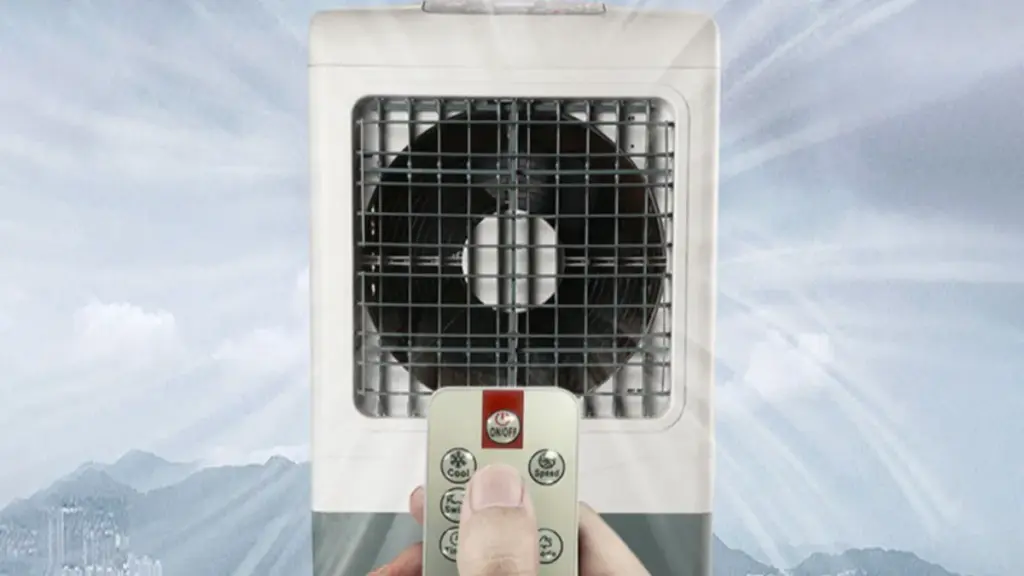
Warehouse conditions vary significantly depending on building size, workflow, and local climate. The right cooling system should match these factors to deliver reliable performance and long-term value.
Match Cooling Capacity with Warehouse Size and Layout
Cooling capacity should match the actual requirements of the warehouse rather than only the total floor area. A unit with insufficient airflow may fail to cover large working areas, while an oversized system can increase investment and operating costs.
Important factors include:
- Warehouse size and height: Larger spaces with higher ceilings usually require stronger airflow coverage.
- Heat sources and activities: Machinery, workers, lighting, and daily operations can increase cooling demand.
- Air circulation conditions: Open layouts and airflow paths affect how efficiently cooled air reaches working areas.
- Operating environment: Storage type and working hours can influence the required cooling performance.
For large warehouses, airflow volume is often a key consideration because effective air distribution helps maintain comfort across wider areas. An experienced supplier can evaluate these conditions and recommend suitable models based on the application.
Choose Between Portable and Fixed Evaporative Air Coolers
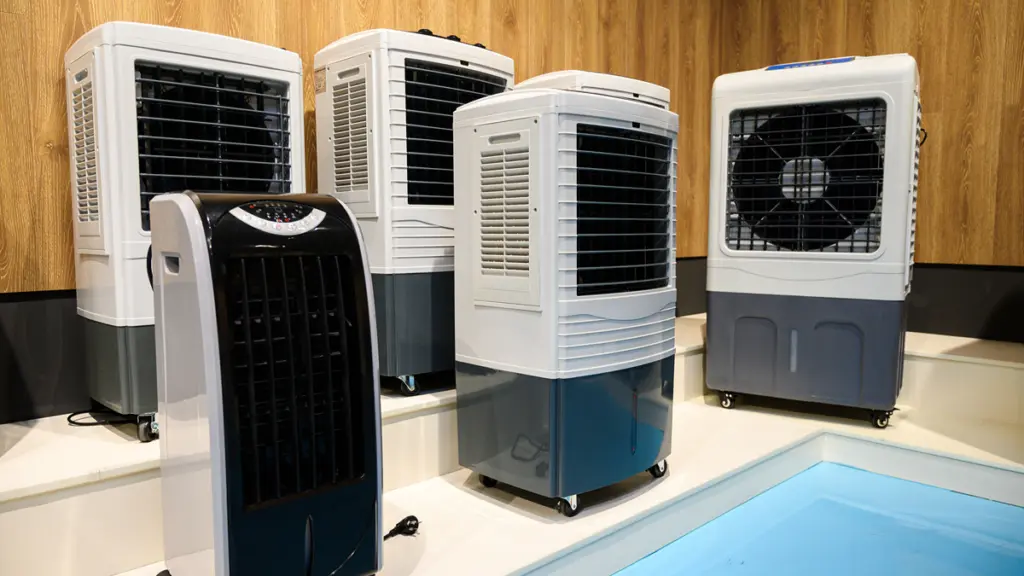
Warehouse layouts and operating patterns determine whether a portable or fixed cooling system is more suitable. Portable units provide flexibility for changing requirements, while fixed systems are designed for stable long-term cooling coverage.
| Cooling Type | Suitable Applications | Key Advantages |
|---|---|---|
| Portable evaporative air cooler | Loading areas, temporary cooling zones, workshops, changing work locations | Easy movement, flexible installation, targeted cooling |
| Fixed industrial evaporative air cooler | Large warehouses, production facilities, continuous operation areas | Stable airflow coverage, long-term operation, customized installation |
Portable models work well when cooling needs change frequently or when specific areas require additional airflow. Fixed industrial units are better suited for warehouses that need consistent cooling coverage across permanent working spaces.
Evaluate Climate and Humidity Conditions
Local climate conditions play an important role in evaporative cooling performance. Businesses should consider temperature and humidity levels before investing in a warehouse cooling solution.
Evaporative air coolers generally perform best in hot and dry environments, where they can provide efficient cooling across large areas. In more humid climates, cooling performance may be reduced, but the system can still improve airflow and workplace comfort.
Before choosing an evaporative air cooler, consider:
- Climate conditions: Check whether local humidity levels support efficient evaporative cooling.
- Indoor airflow requirements: Evaluate whether improved ventilation can help solve heat-related issues.
- Operating expectations: Determine whether the goal is general comfort cooling or precise temperature control.
A proper evaluation helps businesses choose a cooling solution that matches both environmental conditions and operational needs.
If you are evaluating suppliers, you may also find our article on How to Choose The Best Air Cooler Manufacturer useful.
Evaporative Air Cooler vs HVAC for Warehouse Applications
Warehouse operators often need to balance cooling performance, energy costs, and operating conditions when comparing different cooling systems. The most suitable option depends on the warehouse environment and specific temperature control requirements.
Evaporative air coolers and HVAC systems serve different purposes. Evaporative cooling works well for large open spaces that require strong airflow and efficient cooling, while HVAC systems are better suited for enclosed areas that need precise temperature and humidity control.
Cooling Performance in Open Warehouse Environments
Large warehouses often experience changing airflow conditions due to open layouts, frequent access points, and continuous movement of goods. In these environments, maintaining a stable indoor temperature with a fully enclosed cooling system may require more complex solutions.
Evaporative air coolers focus on high-volume airflow and fresh air circulation, making them suitable for warehouses where overall comfort and air movement are the main priorities.
HVAC systems provide excellent performance when businesses need strict environmental control, especially in areas such as:
- Temperature-sensitive storage rooms: Require stable temperature conditions for product protection.
- Pharmaceutical facilities: Need precise humidity and temperature management.
- Controlled production environments: Require consistent indoor conditions.
For general warehouses, logistics centers, and industrial storage areas, evaporative cooling can provide a practical solution by improving airflow coverage and workplace comfort.
Energy Consumption and Operating Costs
Cooling large warehouse spaces can significantly affect operational expenses. Energy consumption, maintenance requirements, and system complexity should all be considered when evaluating long-term costs.
| Comparison Factor | Evaporative Air Cooler | HVAC System |
|---|---|---|
| Cooling method | Water evaporation and air circulation | Refrigeration-based cooling |
| Energy consumption | Generally lower due to simpler cooling operation | Usually higher due to compressors and refrigeration components |
| Best application | Large open and semi-open warehouse environments | Enclosed spaces requiring precise temperature control |
| Fresh air supply | Provides continuous fresh airflow | Mainly relies on air circulation within the system |
| Operating cost | Lower energy costs in suitable climates | Higher energy and maintenance costs |
Evaporative air coolers usually consume less electricity because they do not rely on energy-intensive refrigeration compressors. However, HVAC systems remain a strong choice for warehouses that require strict temperature and humidity control.
Installation Requirements and Maintenance Considerations
Installation complexity and maintenance requirements can also influence the final cooling decision.
HVAC systems usually require more complex installation because they involve refrigeration components, ductwork, and professional system design. This can result in higher upfront investment and longer installation periods.
Evaporative air coolers generally have simpler installation requirements because they focus on airflow distribution and water-based cooling. However, regular maintenance remains important to maintain stable performance.
Key maintenance tasks include:
- Cooling pad cleaning: Helps maintain efficient airflow and cooling performance.
- Water system inspection: Ensures proper circulation and prevents operational issues.
- Fan and motor checks: Supports reliable long-term operation.
- Airflow performance monitoring: Helps maintain consistent cooling coverage.
With proper installation and maintenance, industrial evaporative air coolers can provide reliable cooling performance for long-term warehouse applications.
Where Are Warehouse Evaporative Air Coolers Commonly Used?
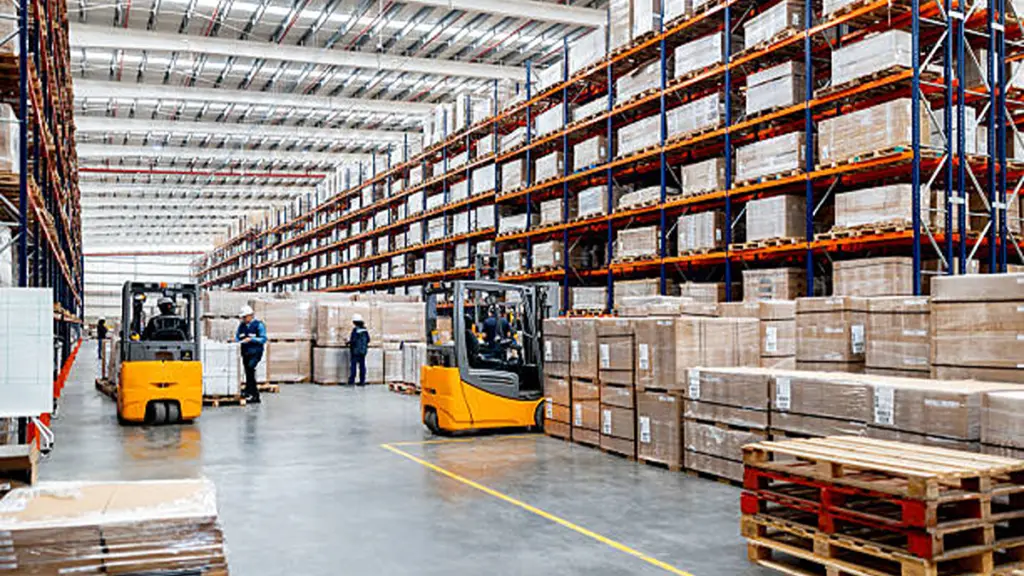
Different warehouse environments have different cooling requirements. Evaporative air coolers are commonly used in facilities where airflow coverage, ventilation, and comfortable working conditions are important considerations.
Logistics and Distribution Centers
Logistics and distribution centers often face changing heat conditions due to frequent loading activities, vehicle movement, and continuous employee operations.
Evaporative air coolers are suitable for areas such as:
- Loading and unloading zones: Provide airflow support in areas with frequent door openings.
- Sorting and packaging areas: Improve comfort where workers stay for long periods.
- Large distribution spaces: Help maintain better airflow across open warehouse layouts.
For logistics facilities that do not require precise temperature control, evaporative cooling provides a practical way to improve workplace conditions while managing operating costs.
Manufacturing Warehouses
Manufacturing warehouses often combine storage functions with production-related activities. Heat from equipment, machinery, and daily operations can create uncomfortable working conditions in certain areas.
Industrial evaporative air coolers can support cooling needs in:
- Raw material storage areas: Improve airflow in large storage spaces.
- Finished product warehouses: Help reduce heat buildup during warm seasons.
- Production support areas: Provide additional cooling where airflow improvement is needed.
These systems offer a flexible cooling option for facilities that need better air movement without replacing the entire existing cooling infrastructure.
Storage Facilities
Storage facilities usually contain large open areas where natural airflow may be limited. While many storage applications do not require strict temperature control, excessive heat accumulation can still affect working comfort and daily operations.
Evaporative cooling solutions can support:
- General storage buildings: Improve airflow across large enclosed areas.
- Agricultural storage facilities: Help manage heat in naturally ventilated spaces.
- Commercial warehouses: Provide economical cooling for everyday operations.
For products that require precise temperature or humidity control, businesses should evaluate whether additional climate control systems are necessary.
Why Choose Yika as Your Warehouse Evaporative Air Cooler Supplier?

Reliable warehouse cooling requires more than a suitable product. Businesses need a supplier that can provide the right specifications, customization support, and stable production capabilities for long-term cooperation.
Yika manufactures evaporative air coolers for commercial and industrial applications, including warehouse cooling projects, and supports global buyers with OEM, ODM, and customized solutions.
Warehouse-Focused Air Cooler Solutions
Warehouse environments vary in size, layout, and operating conditions. Different projects may require different airflow capacities, product structures, and installation methods.
Yika provides commercial evaporative air cooler solutions designed for applications such as warehouses, workshops, and large commercial spaces. Available models include commercial air coolers for warehouse applications with different capacities to meet various cooling requirements.
By matching product specifications with the actual application, businesses can achieve better airflow coverage and more reliable cooling performance.
OEM Customization for Different Market Requirements
Different distributors and project buyers often need products that match their local markets, customer preferences, or application conditions.
Yika provides OEM and customization support, including:
- Product specifications: Adjust power, size, and configuration based on project requirements.
- Appearance design: Customize colors, housing design, and product details for different markets.
- Functions and accessories: Modify features and accessories according to customer needs.
- Packaging solutions: Support customized packaging for brand development.
These options help distributors, importers, and brands create air cooler products that better fit their target markets.
Reliable Manufacturing Support for Bulk Orders
For overseas buyers, stable supply capacity and quality control are important factors when choosing a cooling equipment supplier.
Yika supports bulk orders through:
- Large production capacity: Annual output capacity reaches 1,000,000 units to support large-volume projects.
- Quality assurance: Factory certifications and product certifications help ensure consistent production standards.
- OEM/ODM cooperation: Provide support from product development to mass production.
- Delivery support: Established production processes help maintain reliable lead times.
For distributors, contractors, and industrial buyers, partnering directly with an experienced manufacturer can improve supply stability and support long-term business growth.
Explore OEM customization for warehouse evaporative air coolers →
Frequently Asked Questions
Are evaporative air coolers suitable for warehouses?
Yes. Evaporative air coolers are suitable for many warehouse environments, especially large open spaces with high ceilings, good ventilation, and frequent air exchange. They are commonly used in logistics centers, storage facilities, and industrial warehouses where airflow improvement and workplace comfort are important.
Can evaporative air coolers replace HVAC systems in warehouses?
It depends on the warehouse requirements. Evaporative air coolers are effective for large open spaces that need high airflow, ventilation, and lower operating costs. HVAC systems may be more suitable for enclosed facilities that require precise temperature and humidity control.
How do I choose the right size evaporative air cooler for my warehouse?
The right size depends on factors such as warehouse area, ceiling height, airflow requirements, heat sources, and local climate conditions. A reliable supplier can evaluate the application environment and recommend suitable cooling capacity based on the actual warehouse requirements.
Do evaporative air coolers work in humid climates?
Evaporative air coolers generally perform best in hot and dry climates because lower humidity allows more efficient evaporation. In humid areas, cooling performance may be reduced, but properly selected systems can still improve airflow, ventilation, and workplace comfort.
How often should warehouse evaporative air coolers be maintained?
Maintenance frequency depends on operating conditions, usage time, and water quality. Regular cleaning of cooling pads, checking water circulation systems, and inspecting fans and motors can help maintain cooling efficiency and extend the service life of warehouse evaporative air coolers.