Infrared diesel and electric heating can perform very differently in an industrial space, depending on the building layout, heat loss, operating conditions, and available energy infrastructure. Facility managers, plant engineers, and MRO distributors need to consider more than the heater’s output when comparing the two. The right system can reduce energy waste, maintain a more comfortable working environment, and avoid unnecessary installation or maintenance costs.
This guide provides a practical basis for comparing both technologies, helping you match heating performance and operating requirements to your facility. It also explains when combining diesel and electric heating can be a more practical approach for facilities with different heating zones.
How Infrared Diesel and Electric Heaters Deliver Heat
Infrared diesel and electric heaters generate heat in different ways, which affects how warmth is distributed throughout an industrial space. The key difference is whether the system primarily heats surfaces and people directly atau the air around them.
Infrared Diesel: Direct Radiant Heat
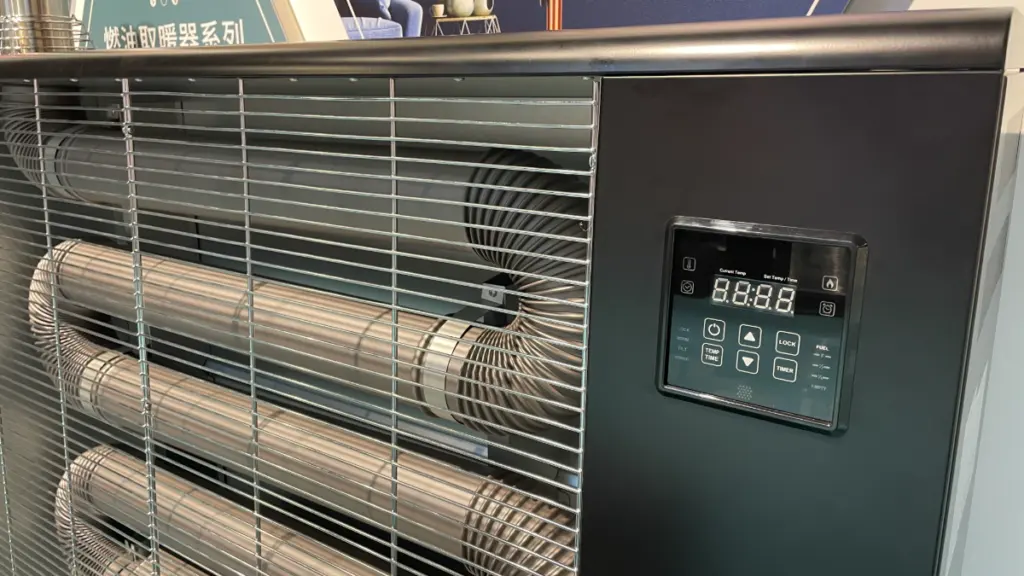
An pemanas diesel inframerah burns diesel to heat a ceramic or metal emitter. The hot emitter releases infrared energy that travels directly to floors, jentera, peralatan, and people within its coverage area. These surfaces absorb the energy and become warmer, while the surrounding air is heated indirectly.
This makes infrared diesel particularly useful in large spaces where air is constantly replaced or where heating the entire air volume would require substantial energy.
Anda mungkin berminat: Bagaimana Pemanas Diesel Inframerah Berfungsi?
Electric: Air Heating or Radiant Heating
Electric heaters convert electrical energy into heat, but the way that heat is delivered depends on the heater design:
- Convection heaters heat the surrounding air and use natural or forced air movement to distribute warmth. They are generally suited to enclosed spaces where heated air can be retained.
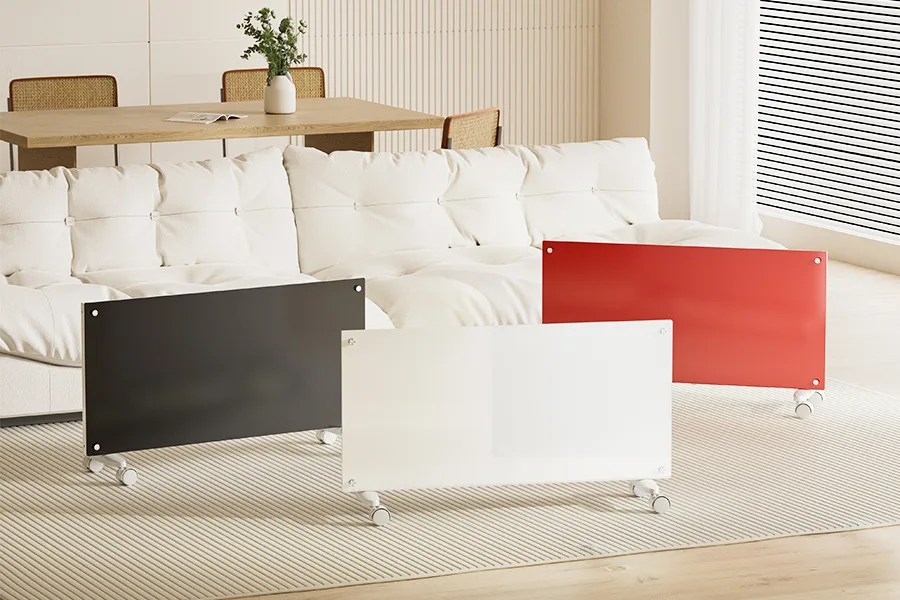
- Electric infrared heaters heat an emitter that radiates warmth directly toward people and surfaces, following a similar distribution principle to infrared diesel.
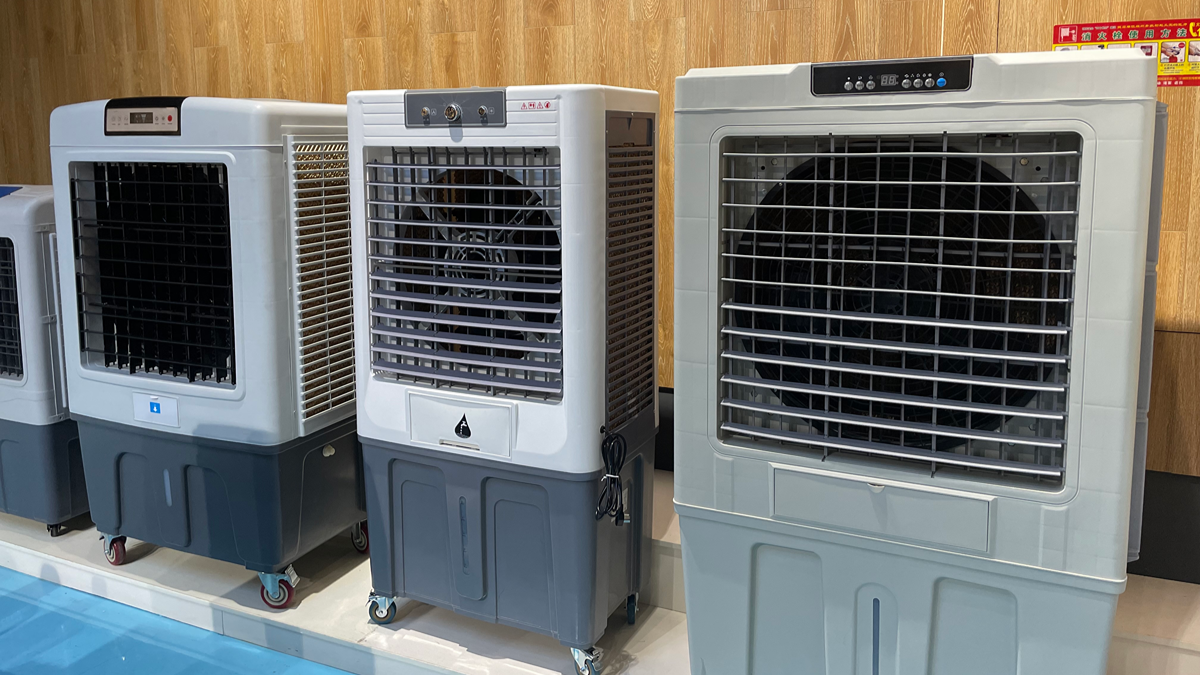
- Pemanas kipas heat air and use a fan to deliver warmth quickly to a specific area.
The main distinction is therefore not simply diesel versus electric. Infrared systems deliver heat directly to surfaces and people, while convection and fan-based electric heaters primarily heat and move air. This difference becomes important when considering ceiling height, pengudaraan, insulation, open doors, and the amount of space that needs to be heated.
Where Infrared Diesel Heating Fits Best
Infrared diesel heaters are well suited to spaces with high heat loss, limited electrical capacity, or a need for rapid and targeted heating.
Semi-Open and Off-Grid Sites
Construction sites, event tents, agricultural buildings, and temporary shelters often have limited electrical access and high air exchange. Infrared diesel heaters can operate with fuel and a suitable power source for ignition and controls, while radiant heat can provide warmth directly to people and working surfaces. This makes them a practical option for semi-open or temporary spaces where maintaining warm air is difficult.
High-Ceiling Warehouses and Loading Bays
High ceilings and frequently open loading doors can make it difficult to maintain a stable air temperature. Industrial diesel heaters for warehouses and factories can direct radiant heat toward floor-level working areas instead of relying only on heating the entire air volume. Correct mounting height and heater placement are important to provide suitable coverage across the occupied zones.
Dust-Sensitive and Rapid Warm-Up Applications
Infrared heating can provide targeted warmth without relying entirely on heating the surrounding air. This can be useful in workshops, assembly areas, and other spaces where air movement needs to be limited. Diesel heaters can also provide rapid radiant output, making them suitable when workers need heat soon after a cold facility starts operating.
Find the Right Heating Solution for Your Facility
Where Electric Heating Fits Best
Electric heating is well suited to enclosed spaces where stable temperature control, simple operation, and low routine maintenance are important. It can be a practical option when the facility already has sufficient electrical capacity.
Enclosed Industrial and Precision Environments
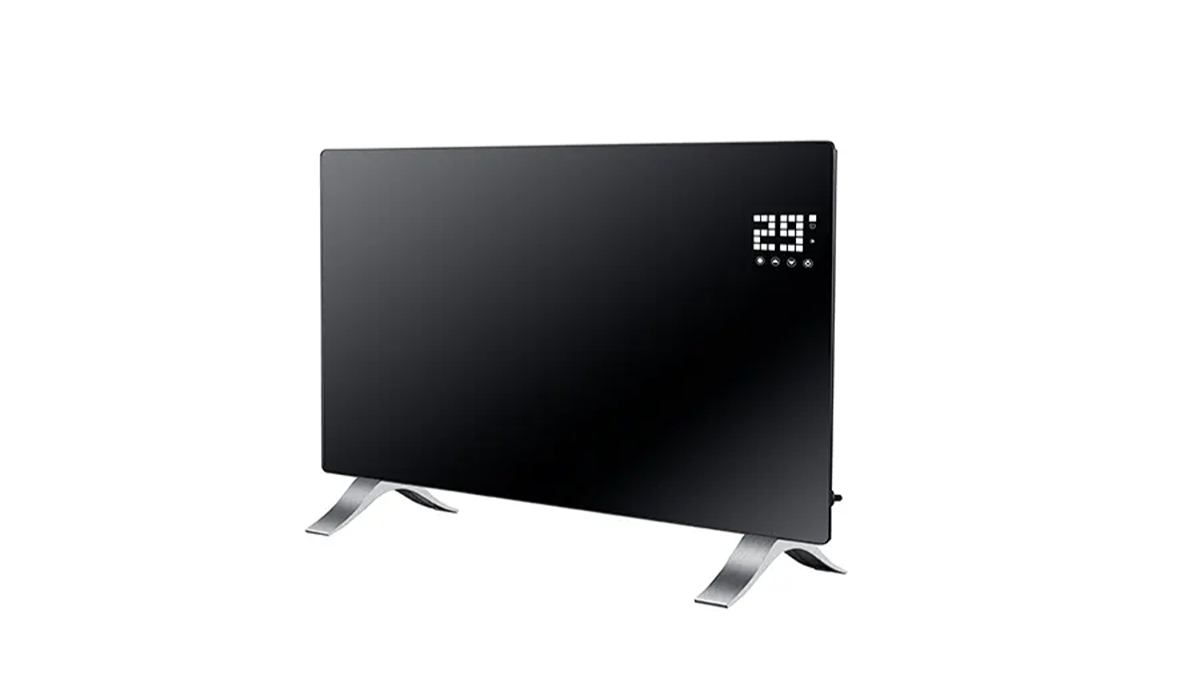
Pemanas elektrik work well in enclosed and insulated facilities where heat can be retained. Convection heaters can maintain ambient temperature, while electric infrared heaters can provide more targeted heat for occupied work areas. These systems can also work with thermostatic controls when stable temperature management is required.
Komersial, Runcit, and Office Spaces
Electric heating is also suitable for offices, retail areas, showrooms, and other occupied spaces where clean operation and low noise are important. With no fuel combustion, these heaters do not produce combustion gases or fuel odours. Wall-mounted and infrared electric heaters can also be integrated into different interior layouts with relatively simple installation.
Facilities with Existing Electrical Capacity
Existing electrical infrastructure can make electric heating easier to install, particularly when the facility has sufficient spare capacity. There is no need for fuel storage or fuel delivery, while maintenance is generally simpler because there are fewer combustion-related components. The final installation cost still depends on the available power supply, heating load, and any electrical upgrades required.
How to Size Infrared Diesel and Electric Heaters
The required heating capacity depends on the space layout, heat loss, operating conditions, and how the heating system will be used.
| Sizing Factor | Infrared Diesel | Electric Heating |
|---|---|---|
| Kawasan pemanasan | Focuses on occupied or working zones within radiant coverage. | Usually considers the full enclosed area that needs heating. |
| Ceiling height | Affects mounting height and the spread of radiant coverage. | Can increase the air volume that needs to be heated. |
| Heat loss | Includes heat loss through doors, roofs, walls, and exposed areas. | Strongly affected by insulation, air leakage, pengudaraan, and outdoor temperature. |
| System capacity | May use several units to cover separate working zones. | Must match the building heat load and available electrical capacity. |
Infrared Diesel Heater Sizing
Infrared diesel heaters are mainly sized by the area requiring radiant coverage, rather than the total air volume. The layout of the space matters because racks, jentera, and partitions can affect how heat reaches the working area. Mounting height also changes the coverage range, so larger facilities may need several units positioned across different zones.
Heat loss should also be included in the calculation. Open doors, exposed walls, roofs, and frequent air exchange can increase the required heating capacity. The final configuration therefore depends on both the coverage area and the conditions of the space.
Electric Heater Sizing
Electric heater sizing focuses more on the overall heat load of the space. For convection and fan heaters, factors such as air volume, insulation, pengudaraan, indoor and outdoor temperatures, and operating hours affect the required output. Electric infrared heaters can target occupied areas, but their coverage and mounting position still need to match the working zone.
The available electrical supply is another key factor. Large installations may require dedicated circuits, load balancing, or three-phase power, so the building’s electrical capacity should be checked before the final heater configuration is set.
A Practical Example
A 500 m² warehouse with a 5-metre ceiling may need different configurations depending on how the space is used. If workers mainly occupy packing and loading areas, infrared diesel heaters can be positioned around these zones. An electric system needs to consider the enclosed volume, total heat loss, and available electrical capacity.
This means floor area alone is not enough for heater sizing. The heating zone, building conditions, and available power should all be considered when determining the required number and output of units.
Fuel vs Electricity: 5-Year Total Cost of Ownership
The five-year cost of an industrial heating system comes from more than energy consumption. Diesel and electric heaters have different cost structures, mainly due to fuel, electricity, maintenance, dan keperluan pemasangan.
| Faktor Kos | Pemanas Diesel Inframerah | Pemanas elektrik |
|---|---|---|
| Energy | Diesel fuel cost; may be economical for high heating demand depending on local fuel prices | Electricity cost; depends on local rates and heating load |
| Penyelenggaraan | Regular burner, fuel filter, penyalaan, and combustion-system servicing | Generally fewer mechanical components and lower routine maintenance |
| Pemasangan | May require fuel storage, fuel lines, pengudaraan, and combustion safety measures | May require dedicated circuits or electrical capacity upgrades |
| Infrastructure | Requires fuel storage and delivery arrangements | Existing electrical capacity can reduce additional infrastructure costs |
The main cost difference comes from energy and infrastructure. Diesel may have an operating-cost advantage when heating demand is high and fuel infrastructure is available, while electric heating can reduce maintenance and installation complexity where sufficient electrical capacity already exists. A five-year TCO should therefore compare all four major costs rather than energy price alone.
Pengudaraan, Keselamatan, and Certification Requirements
Diesel and electric heaters have different installation and safety requirements. The specific requirements depend on the heater type, installation environment, and local regulations.
Diesel Heater Requirements
Infrared diesel heaters use fuel combustion, so ventilation and combustion safety need to be considered, especially for indoor applications. Requirements may cover fuel storage, exhaust management, electrical protection, and product certification. Local building, fire, and environmental regulations should be checked before installation.
Electric Heater Requirements
Electric heaters do not produce combustion gases, so they do not need combustion ventilation or fuel storage. Their main requirements relate to electrical safety, including grounding, perlindungan litar, pendawaian, and applicable product standards.
The required certification depends on the target market and heater type. YIKA’s heating product range includes certifications such as CE, UKCA, Gs, Cb, Cuaca, Pse, Kc, and CSA, with testing and audits supported by third-party organizations including SGS and TUV.
Hybrid Approach: Diesel for Peak, Electric for Baseline
Some industrial facilities have different heating needs across different zones. A hybrid system can use diesel for high-loss or semi-open areas and electric heating for enclosed areas that need stable temperature control.
Contohnya, a 2,000 m² distribution centre with three loading docks can use:
- Infrared diesel: Covers loading areas and provides rapid warm-up before shifts.
- Electric heating: Maintains temperature in enclosed offices, packing areas, and mezzanines.
- Combined system: Matches each heating technology to the conditions of its zone instead of using one system throughout the facility.
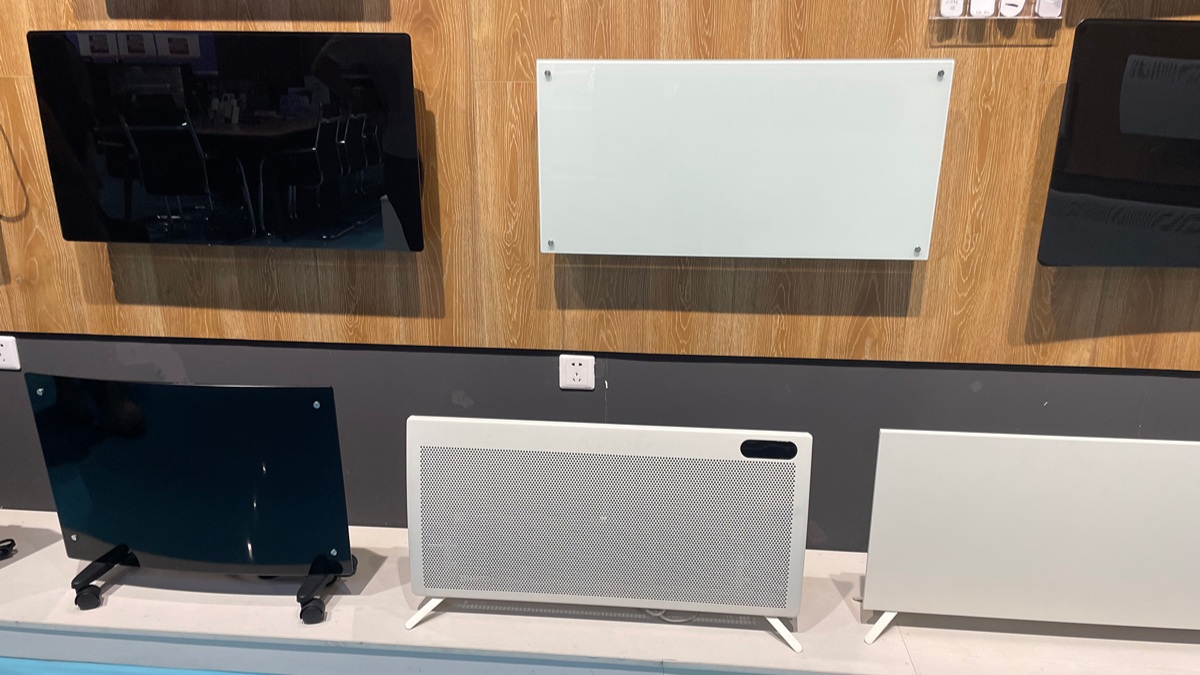
This approach can also simplify sourcing when one supplier provides both technologies. YIKA offers infrared diesel, Konveksi, infrared electric, and fan heaters, allowing different heating solutions to be specified within the same project.
Selecting the Right Heating Technology Supplier
A multi-technology heating project requires more than individual product quality. The supplier should also have the production, pensijilan, and customization capabilities to support different heating requirements.
- Technology range: Can the supplier produce both diesel and electric heaters, including different heating types for different zones?
- Pensijilan: Are the required certifications available for the specific models and target markets?
- OEM/ODM capability: Can the supplier customize product design, kawalan, pembungkusan, and labeling across both product lines?
- Production capacity: Does the factory have sufficient capacity and quality control to support your expected order volume?
- Export experience: Can the supplier handle the documentation, pembungkusan, and certification requirements of your target market?
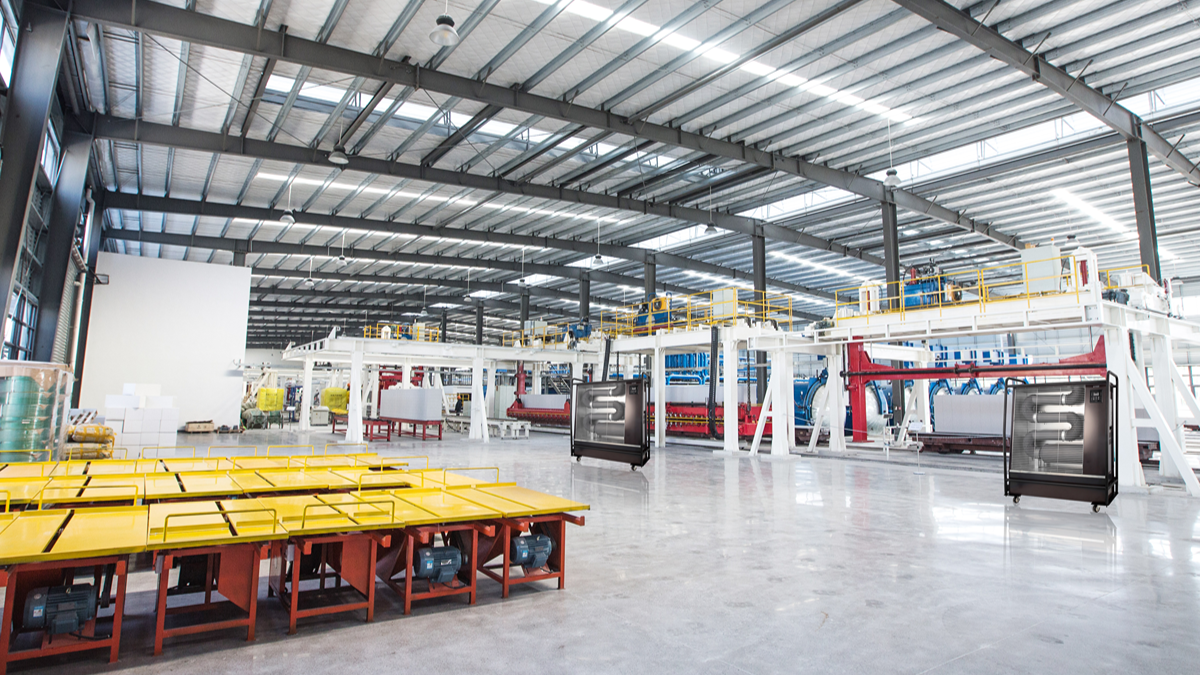
ADD 20,000 ㎡ factory in Zhongshan produces infrared diesel, Konveksi, infrared electric, and fan heaters across three assembly lines. With OEM/ODM capabilities and certifications covering multiple international markets, YIKA can support projects requiring diesel, electric, or combined heating solutions from one supplier.
Fikiran Akhir
Infrared diesel and electric heaters serve different heating requirements in industrial spaces. Diesel heating can suit high-loss, semi-open areas that need strong radiant heat and rapid warm-up, while electric heating can work well in enclosed spaces with existing electrical capacity and more stable temperature requirements. For facilities with different heating zones, combining both technologies can provide greater flexibility.
The best solution depends on the space, operating conditions, kos tenaga, and infrastructure available. BULAT provides infrared diesel, Konveksi, infrared electric, and fan heaters, supporting OEM/ODM projects with different heating requirements.
Soalan Lazim
Are infrared diesel heaters cheaper to run than electric heaters?
It depends on local energy prices and heating demand. Infrared diesel can be economical for high-loss or semi-open spaces, while electric heating may have lower maintenance and simpler installation. A five-year comparison should include energy, maintenance, pemasangan, and infrastructure costs.
Which is better for a large warehouse: diesel or electric?
The suitable option depends on the warehouse conditions. Infrared diesel can fit high-ceiling or frequently open areas, while electric heating can work well in enclosed spaces with sufficient electrical capacity. A hybrid system can also serve different heating zones with both technologies.
Can I use a diesel heater indoors safely?
Indoor use depends on the heater design, pensijilan, keadaan pemasangan, and local regulations. Because diesel heaters use fuel combustion, adequate ventilation and combustion safety are required. Always use a heater approved for the intended market and follow the manufacturer’s installation instructions.
What are the ventilation requirements for diesel heaters?
Requirements depend on the heater type, heat output, installation environment, and local regulations. Fuel-burning heaters need adequate air supply and appropriate combustion and exhaust arrangements. Check the manufacturer’s installation guide and local building, fire, and safety requirements before installation.
How do I calculate 5-year heating cost for a factory?
Compare the required heat load, annual operating hours, local energy prices, and system efficiency. Then add purchase, pemasangan, maintenance, and infrastructure costs over five years. This gives a more complete total cost of ownership than comparing diesel or electricity prices alone.
Can diesel and electric heaters be used together?
Ya. A hybrid system can use infrared diesel heaters in high-loss or semi-open areas and electric heaters in enclosed spaces. This allows each technology to serve the zones where its heating method and installation requirements are most suitable.