>

How Electric Heaters Support Greenhouse Growing

How Electric Heaters Support Greenhouse Growing

目次

Greenhouse growers often face unstable temperature conditions that affect plant growth, yield quality, and production efficiency. Fluctuating climates can lead to uneven germination, slower development, and higher heating costs, making year-round cultivation harder to control and more expensive.

This article explains how electric heater supports stable greenhouse growing in a practical way. You will learn how they work, how to operate and maintain them effectively, and how to avoid common mistakes that reduce efficiency and plant performance.

How Electric Heating Works in Greenhouse Systems

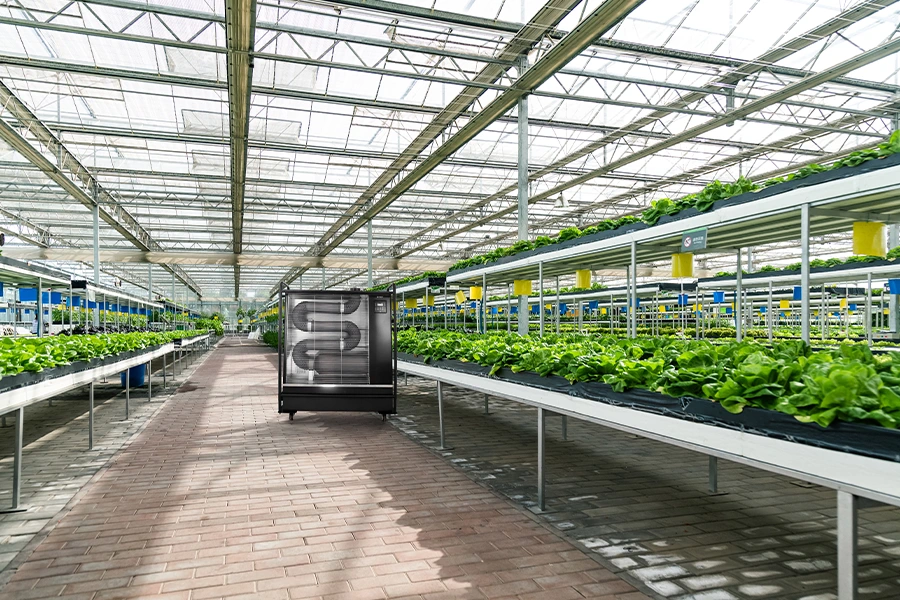
温室スペースヒーターソリューション 2

Electric greenhouse heating works by converting electrical energy into heat and then distributing it through controlled airflow and system regulation. The entire process is designed to maintain a stable internal climate without relying on fuel combustion, which makes temperature behavior more predictable inside greenhouse environments.

A typical electric heating system operates through three core mechanisms: heat generation, air distribution, and automatic regulation. These processes work together to ensure that heat is produced, moved, and adjusted according to real-time environmental conditions.

Controlled Heat Generation

Electric heaters generate heat through resistive heating elements. When electricity passes through these elements, it is directly converted into thermal energy. This process allows the system to produce heat immediately without fuel combustion delay.

The heating output is adjustable, which means the system can increase or decrease thermal energy based on external temperature changes. This makes it suitable for greenhouse environments where temperature drops can happen quickly, especially during nighttime or seasonal transitions.

Airflow-Based Heat Distribution

After heat is generated, the system relies on air movement to distribute warmth across the greenhouse space. Most units use natural convection or internal fans to move heated air from the source into plant growing zones.

This airflow process ensures that heat does not stay concentrated in one area. その代わり, it spreads across crop rows and helps reduce temperature imbalance between upper and lower greenhouse levels. In larger structures, additional circulation systems are often used to support more uniform distribution.

Environmental Regulation System

Modern greenhouse heating systems are often connected to thermostats and environmental sensors that monitor internal conditions in real time. These systems help maintain temperature stability by adjusting heating output automatically.

  • Thermostat Function: Controls heating cycles based on preset temperature ranges
  • Sensor Monitoring: Detects temperature changes across different greenhouse zones
  • Automatic Adjustment: Regulates output to maintain stable conditions with minimal manual input

This regulation system ensures that heating performance responds continuously to environmental changes rather than operating at a fixed output level.

Benefits of Electric Heaters for Greenhouses

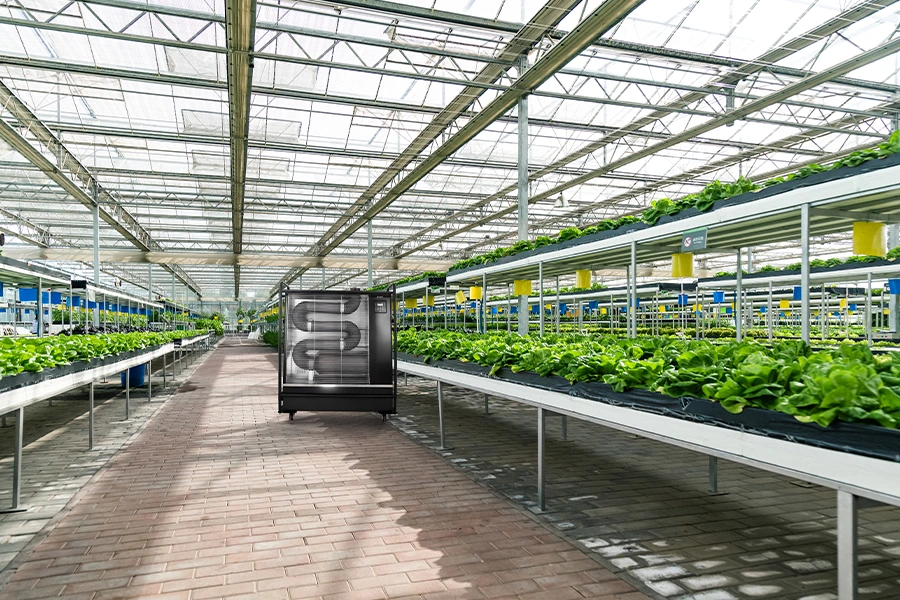
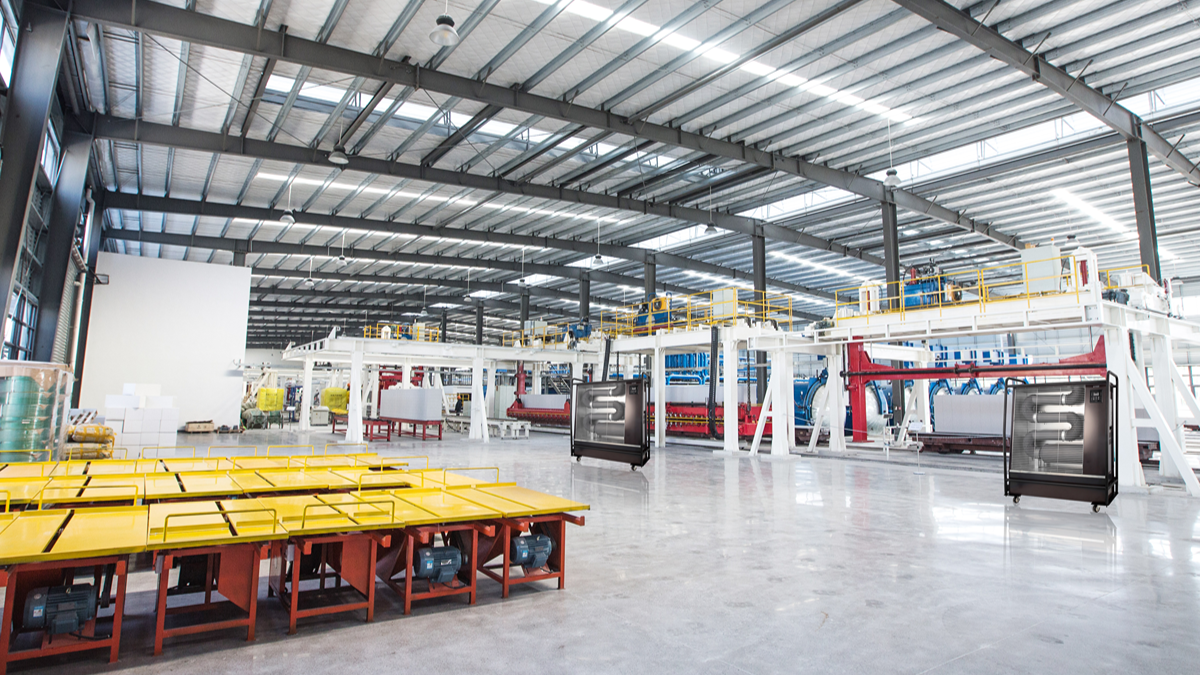
greenhouse space heaters

Electric heating systems improve greenhouse production by creating stable and controllable growing conditions that support consistent plant development. Instead of focusing on how the system works, the benefits come from how these conditions improve crop performance and operational efficiency.

Compared with combustion-based heating methods, electric systems reduce environmental instability inside the greenhouse and help growers maintain more predictable production cycles across different seasons.

Improved Growing Stability

Stable temperature conditions directly support healthier plant development. When the internal environment remains consistent, crops experience less stress during sensitive stages such as germination, flowering, and fruit setting.

This stability reduces uneven growth patterns and helps ensure that plants develop at a similar rate across the entire greenhouse. 結果として, growers can achieve more uniform harvest quality.

Better Crop Performance Consistency

Electric heating helps reduce sudden temperature fluctuations that often disrupt plant metabolism. With fewer environmental shocks, crops can maintain steady growth rates throughout the production cycle.

This is especially important for high-value crops that require strict climate control, where even small variations can affect yield quality and market value.

Flexible Application Across Production Systems

Electric heating systems can be adapted to different greenhouse structures and production scales. Small farms can use compact heating units, while large commercial operations can deploy multiple systems across different zones.

This flexibility allows growers to design heating layouts based on crop needs rather than equipment limitations, improving overall production efficiency and long-term scalability.

Maximize Crop Yields With Stable Greenhouse Heating

Ensure year-round cultivation stability with our energy-efficient, durable electric greenhouse heaters. We offer flexible customization and reliable OEM/ODM manufacturing to support your commercial agricultural projects.

Explore Custom Heating Solutions →

CTA画像

How to Operate Greenhouse Electric Heating Systems

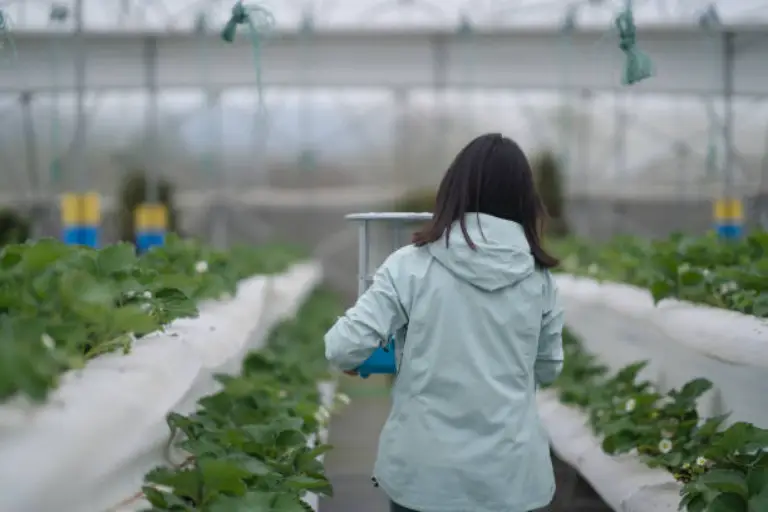
armers are installing heaters in the greenhouse.

Operating electric heating systems requires more than simply turning the equipment on. Growers must coordinate temperature, airflow, and zoning to maintain stable growing conditions across all crop stages.

In greenhouse environments, stability matters more than fixed values because most plants perform better within consistent temperature ranges.

Daily Temperature Management

Temperature control is the core of greenhouse heating operation. Instead of a single setpoint, growers should maintain stable ranges based on crop type.

Common reference ranges include:

  • Warm-season vegetables (tomato, cucumber, pepper): 18–24°C day, 15–18°C night
  • Leafy greens (lettuce, spinach): 16–22°C with mild night variation
  • Seedlings: 20–25°C for uniform germination
  • Cold-sensitive crops: Avoid dropping below 12–14°C

Temperature should be monitored at multiple points, especially at canopy and root zone level. This helps detect uneven heating early and prevents localized stress.

Sudden fluctuations above 3–5°C should be avoided, as they can slow metabolism and reduce growth consistency.

Air Circulation Coordination

Air circulation directly affects heat distribution. Without proper airflow, warm air rises and collects near the roof while lower plant zones stay cooler.

To improve stability:

  • Continuous Air Movement: Use circulation fans to maintain steady airflow
  • Air Mixing Balance: Keep air moving across all zones
  • Dead Zone Prevention: Avoid stagnant corners

A stable system maintains less than 2–3°C difference between roof and crop level.

Zone-Based Heating Operation

In medium and large greenhouses, zoning improves both efficiency and control accuracy.

Typical structure:

  • Propagation Zone: Higher temperature for germination
  • Vegetative Zone: Moderate stable temperature for growth
  • Production Zone: Slightly cooler but stable temperature for flowering

Each zone can be controlled independently using thermostats or sensors. This reduces energy waste and improves uniform crop development.

Maintenance Tips for Long-Term Stable Performance

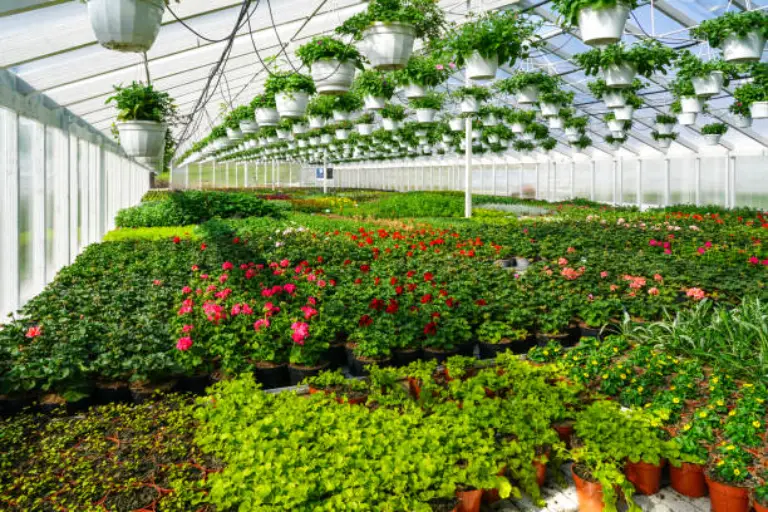
various flowers in greenhouse

Regular maintenance ensures stable operation and reduces long-term energy waste. Without proper care, dust buildup and airflow blockage can reduce heating efficiency.

Cleaning and Inspection Routines

Heaters should be cleaned regularly to maintain airflow and stable output.

  • Cleaning Tasks: Remove dust from vents and surfaces
  • Inspection Focus: Check discoloration, loose parts, or overheating signs

This helps detect early performance issues before they affect crops.

Seasonal Adjustments

Heating demand changes with seasons. Before winter, systems should be tested to ensure stable operation. After the heating season, a full inspection helps prepare the system for the next cycle.

This includes checking airflow performance, センサー, and basic system stability.

Equipment Lifespan Extension

Proper maintenance reduces mechanical stress and extends equipment lifespan.

When airflow stays clean and temperature control remains stable, the system operates more efficiently over time, reducing replacement frequency and operating costs.rieties progress on schedule without severe setbacks or loss of commercial quality during temperature reductions.

Common Greenhouse Heating Mistakes to Avoid

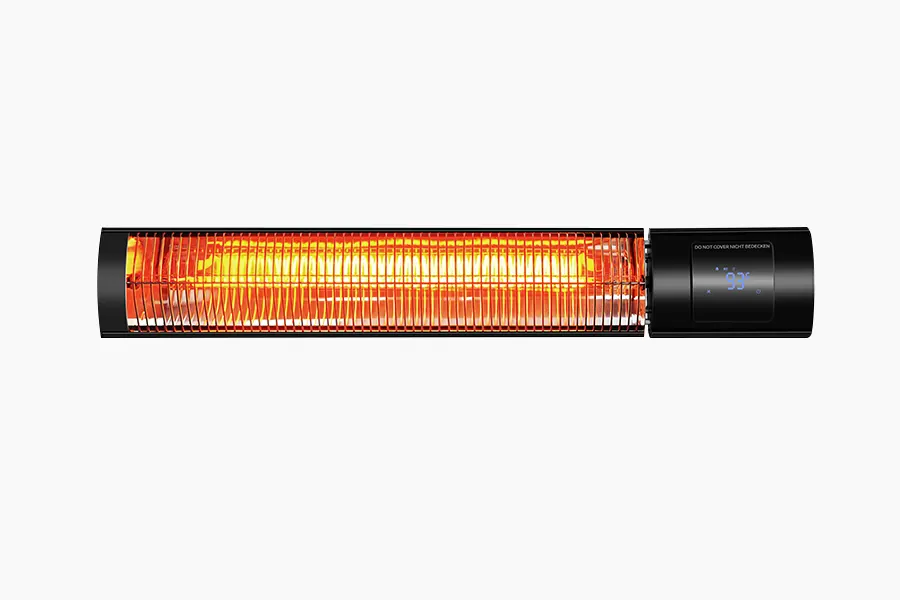
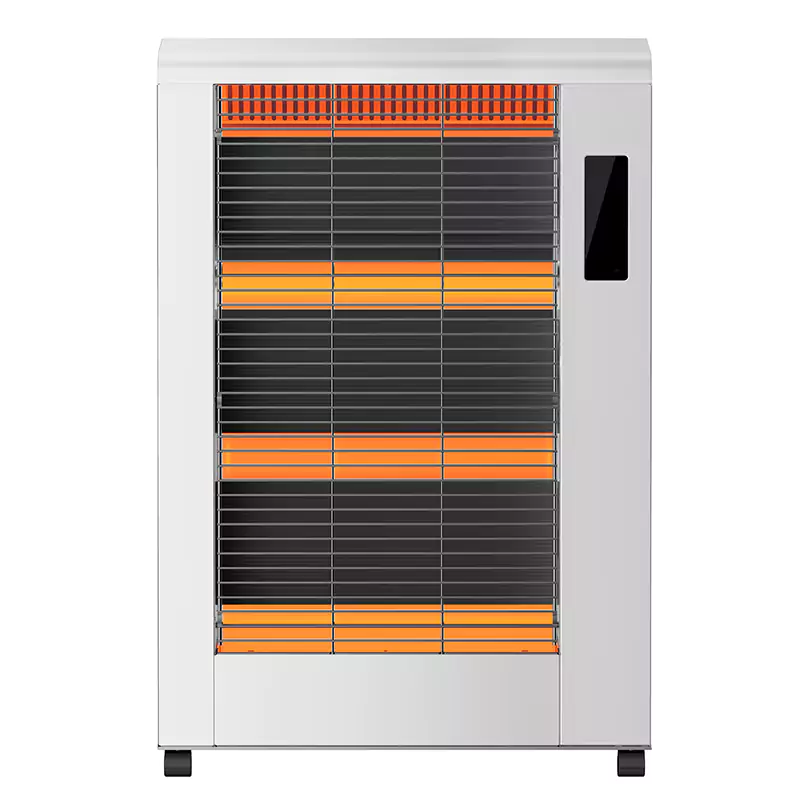
rhc電気赤外線輻射ヒーター

Most greenhouse heating issues come from system design or operational mistakes rather than equipment failure. These problems usually build up slowly and reduce system efficiency over time.

Poor Installation and Heater Placement

Incorrect heater placement leads to uneven heat distribution inside the greenhouse. When units are installed too close to walls, corners, or airflow obstacles, warm air cannot circulate properly across crop areas.

This often results in unstable growing conditions and higher energy use, as the system works harder to maintain target temperatures.

  • Uneven temperature zones: Some crop areas become warmer while others remain underheated.
  • Airflow restriction: Blocked circulation reduces overall heating efficiency.
  • Higher energy load: The system consumes more power to compensate for poor distribution.

Airflow and Circulation Problems

Air circulation plays a key role in maintaining stable greenhouse temperatures. Without continuous movement, warm air naturally rises to the roof while cooler air stays around the plant zone.

This imbalance creates unstable growing conditions and reduces temperature consistency across different crop levels.

  • Heat stratification: Warm air accumulates at the top instead of reaching crops.
  • Crop-level cooling: Lower plant zones receive insufficient heat.
  • Humidity imbalance: Poor airflow increases moisture buildup in stagnant areas.

Lack of Temperature Monitoring

Accurate temperature monitoring is essential for stable greenhouse operation. Without proper data tracking, small fluctuations can go unnoticed and gradually affect plant development.

時間とともに, this leads to inconsistent growth patterns and delayed correction of environmental issues.

  • Undetected fluctuations: Small temperature changes are not identified early.
  • Uneven plant growth: Different zones develop at different speeds.
  • Slow response time: Problems are corrected only after damage occurs.

Multiple monitoring points inside the greenhouse help maintain consistent control and improve system stability.

よくある質問

How many watts does it take to heat a 10×10 温室?

A typical 10×10 greenhouse requires between 1,500 そして 3,000 ワット, which translates to roughly 5,000 に 10,000 BTU. The exact wattage depends heavily on your local climate conditions and the structural insulation materials you use.

How do I calculate the exact heating requirements?

Calculate the required BTU output by multiplying the greenhouse surface area by the Delta T (the gap between the lowest outside temperature and your target inside temperature) and the U-Value of your covering. Divide that final number by 3.41 to convert the BTU requirement into watts.

Does my greenhouse covering material affect the required heater size?

はい. Materials with lower U-values provide better insulation, directly cutting your heating requirements. A structure using single-layer polycarbonate with a U-value of 1.20 bleeds heat rapidly and demands a much larger heater than one built with 25mm five-wall polycarbonate, which carries a U-value of 0.25.

Should I buy a heater that exactly matches my calculated wattage?

Industry standards recommend oversizing your heater by 10 に 20 percent above your baseline calculation. This built-in safety margin ensures the system maintains stable temperatures during sudden extreme weather events and peak cold periods.

最終的な考え

Electric heating plays an important role in modern greenhouse growing systems. A properly designed greenhouse electric heater helps maintain stable temperatures, reduce climate-related risks, and support consistent plant growth throughout different seasons. When growers combine correct operation with regular maintenance, they can achieve a more predictable and efficient growing environment with lower energy waste and better long-term productivity.

For greenhouse operators looking for a reliable greenhouse electric heater solution, ラウンド provides practical and scalable heating systems designed for stable performance and easy integration into different greenhouse setups. Contact our team, Let our solutions help improve temperature control efficiency while supporting long-term commercial growing needs.

共有:

メッセージを送ってください

目次