क्या आपको कभी इतने सारे उपलब्ध विकल्पों में से अपने घर के लिए सही इलेक्ट्रिक फायरप्लेस चुनने में कठिनाई हुई है? डिज़ाइन की एक विस्तृत श्रृंखला के साथ, स्थापना प्रकार, और बाज़ार में सुविधाएँ, सही चुनाव करना भारी पड़ सकता है.
इलेक्ट्रिक फायरप्लेस समाधान में वर्षों के अनुभव के साथ, गोल ने उन प्रमुख कारकों की पहचान की है जो घरेलू उपयोग के लिए सबसे अधिक मायने रखते हैं. निम्नलिखित अनुभाग बताते हैं कि आपके स्थान के लिए इलेक्ट्रिक फायरप्लेस का चयन करते समय क्या विचार करना चाहिए.
इलेक्ट्रिक फायरप्लेस के प्रकार
इलेक्ट्रिक फायरप्लेस कई डिज़ाइनों में उपलब्ध हैं, प्रत्येक अलग-अलग स्थापना आवश्यकताओं के अनुकूल है, परियोजना की शर्तें, और आंतरिक शैलियाँ.
दीवार पर लगे बिजली के फायरप्लेस
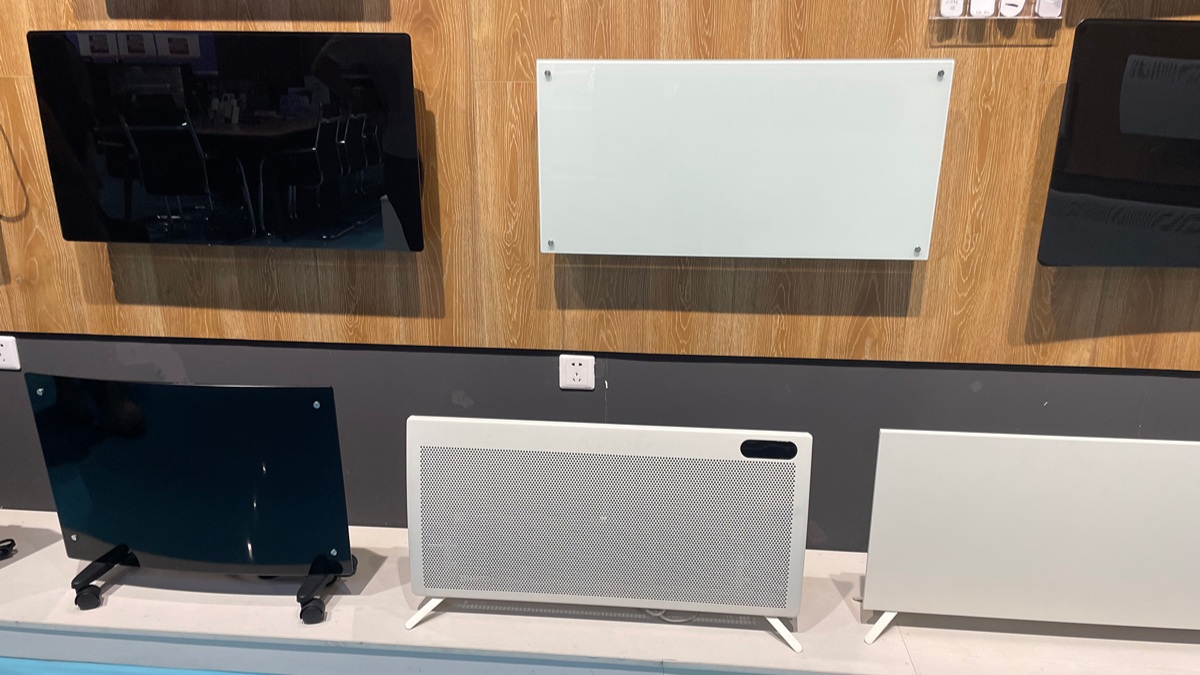
दीवार पर लगे बिजली के फायरप्लेस तैयार दीवारों पर सीधे स्थापना के लिए डिज़ाइन किए गए हैं, यह उन्हें आधुनिक और जगह के प्रति जागरूक आंतरिक सज्जा के लिए एक व्यावहारिक समाधान बनाता है. इनमें आम तौर पर एक पतली प्रोफ़ाइल और एक सामने की ओर ग्लास पैनल होता है, बड़े निर्माण कार्य के बिना त्वरित स्थापना की अनुमति.
इस प्रकार का व्यापक रूप से अपार्टमेंट में उपयोग किया जाता है, कार्यालयों, और समकालीन आवासीय स्थान जहां कुशल स्थापना और मजबूत दृश्य प्रभाव की आवश्यकता होती है.
में निर्मित (recessed) बिजली की चिमनियाँ
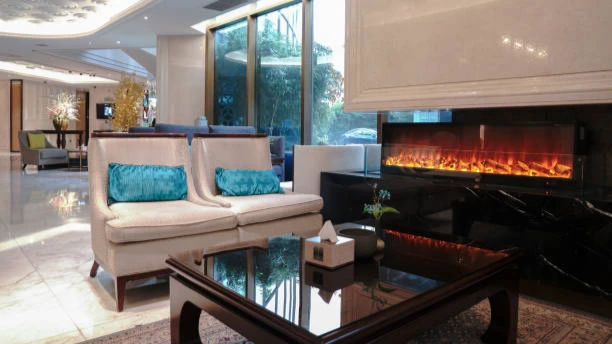
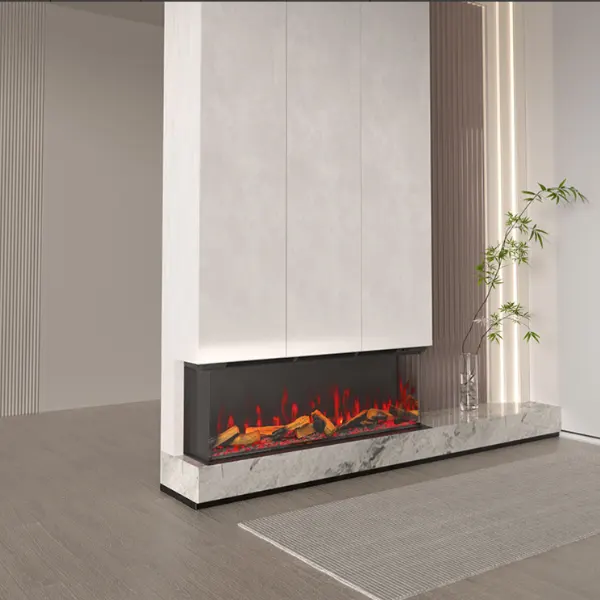
में निर्मित (recessed) दीवार की गुहा के भीतर विद्युत फायरप्लेस स्थापित किए जाते हैं, एक चमकदार और निर्बाध उपस्थिति बनाना. इस स्थापना विधि के लिए निर्माण या नवीनीकरण चरण के दौरान योजना की आवश्यकता होती है लेकिन यह एक प्रीमियम वास्तुशिल्प फिनिश प्रदान करती है.
यह आमतौर पर उच्च-स्तरीय आवासीय परियोजनाओं में निर्दिष्ट किया जाता है, होटल के अंदरूनी भाग, और कस्टम इंटीरियर डिज़ाइन जहां एकीकरण और सौंदर्य मूल्य प्रमुख प्राथमिकताएं हैं.
मीडिया वॉल फायरप्लेस
मीडिया वॉल फायरप्लेस एक इलेक्ट्रिक फायरप्लेस को टेलीविजन और कस्टम कैबिनेटरी या वॉल क्लैडिंग सिस्टम के साथ एकीकृत करता है. यह एक एकीकृत केंद्र बिंदु बनाता है जो मनोरंजन और माहौल को जोड़ता है, अक्सर आंतरिक ठेकेदारों के बीच समन्वित डिजाइन की आवश्यकता होती है, डिजाइनर, और इलेक्ट्रिक फायरप्लेस आपूर्तिकर्ता.
इस समाधान का उपयोग आधुनिक आवासीय लिविंग रूम और शोरूम वातावरण में तेजी से किया जा रहा है.
फ्रीस्टैंडिंग इलेक्ट्रिक फायरप्लेस
फ्रीस्टैंडिंग इलेक्ट्रिक फायरप्लेस स्टैंडअलोन इकाइयाँ हैं जिन्हें किसी स्थायी स्थापना की आवश्यकता नहीं है. उन्हें लेआउट या कार्यात्मक आवश्यकताओं के आधार पर विभिन्न क्षेत्रों में रखा जा सकता है.
यह प्रकार उन परियोजनाओं के लिए उपयुक्त है जिनमें लचीलेपन की आवश्यकता होती है, तेजी से तैनाती, या न्यूनतम निर्माण कार्य, जैसे किराये की संपत्तियाँ, अस्थायी स्थापनाएँ, या मंचित वातावरण.
इलेक्ट्रिक फायरप्लेस सम्मिलित करता है
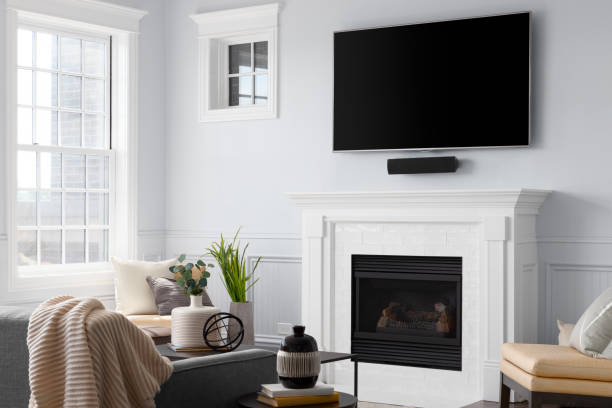
इलेक्ट्रिक फायरप्लेस सम्मिलित करता है मौजूदा पारंपरिक फायरप्लेस के उद्घाटन में स्थापित करने के लिए डिज़ाइन किया गया है. वे कार्यक्षमता में सुधार करते हुए मूल फायरप्लेस संरचना को संरक्षित करते हैं, सुरक्षा, और संचालन में आसानी.
इस समाधान का व्यापक रूप से नवीनीकरण और रेट्रोफ़िट परियोजनाओं में उपयोग किया जाता है, पुरानी लकड़ी जलाने वाली चिमनियों को आधुनिक विद्युत प्रणालियों में उन्नत करने की अनुमति देना.
अपनी आवश्यकताओं को जानें

अनुप्रयोग प्रयोजन परिभाषा
यह तय करके शुरुआत करें कि आप अपने घर में इलेक्ट्रिक फायरप्लेस का उपयोग कैसे करने की योजना बना रहे हैं. क्या आप इसे मुख्य रूप से गर्म करने के लिए चाहते हैं?, या वातावरण को बेहतर बनाने के लिए एक सजावटी विशेषता के रूप में?
इसे इलेक्ट्रिक फायरप्लेस हीटर का उपयोग करके पूरक हीटिंग के लिए निर्दिष्ट किया जा सकता है, या केवल लौ के माध्यम से सजावटी और परिवेशीय उद्देश्यों के लिए (नकली चिमनी) प्रभाव.
यह निर्णय आवश्यक प्रदर्शन स्तर को परिभाषित करता है, उत्पाद श्रेणी, और सुविधा विन्यास.
उपयोग की तीव्रता और संचालन मोड
अपेक्षित उपयोग आवृत्ति और परिचालन स्थितियों का आकलन करें. निरंतर या दैनिक संचालन वाली परियोजनाओं को उच्च विश्वसनीयता की आवश्यकता होती है, स्थिर प्रदर्शन, और मजबूत नियंत्रण प्रणालियाँ.
इसके विपरीत, कभी-कभी उपयोग किए जाने वाले एप्लिकेशन उन्नत परिचालन सुविधाओं के बजाय बुनियादी कार्यक्षमता और दृश्य प्रस्तुति को प्राथमिकता दे सकते हैं.
कार्यात्मक प्राथमिकताएँ
परियोजना अनुप्रयोग के आधार पर प्रमुख कार्यात्मक आवश्यकताओं की पहचान करें, जैसे हीटिंग नियंत्रण सटीकता, लौ अनुकूलन, सुदूर प्रचालन, या मीडिया वॉल फायरप्लेस सिस्टम में एकीकरण.
आधुनिक इलेक्ट्रिक फायरप्लेस मॉडल में रिमोट या ऐप नियंत्रण भी शामिल हो सकता है, टाइमर, और हीटिंग आउटपुट और लौ प्रभावों का अधिक सटीक नियंत्रण प्रदान करने के लिए थर्मोस्टेटिक विनियमन.
प्राथमिकताओं को स्पष्ट रूप से परिभाषित करने से उत्पाद मिलान और आपूर्तिकर्ता संचार को बेहतर बनाने में मदद मिलती है.
आकार और स्थान पर विचार करें
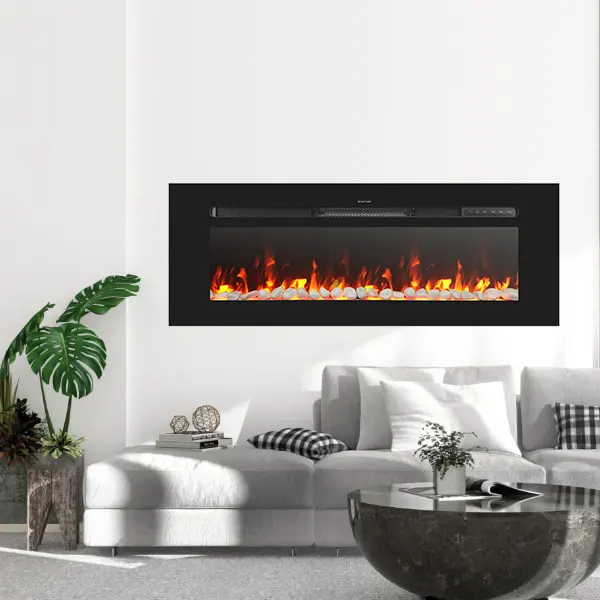
आपके घर में दृश्य संतुलन और रोजमर्रा के आराम दोनों के लिए सही आकार और स्थान चुनना महत्वपूर्ण है.
आकार स्थान के साथ मेल खाता है
इलेक्ट्रिक फायरप्लेस का आकार कमरे और दीवार क्षेत्र से मेल खाना चाहिए, खासकर परिवार. एक लिविंग रूम में, एक बड़ी इकाई केंद्र बिंदु के रूप में कार्य कर सकती है और समग्र डिज़ाइन को बढ़ा सकती है. जैसे छोटे स्थानों में बेडरूम, आरामदायक और संतुलित वातावरण बनाए रखने के लिए एक कॉम्पैक्ट मॉडल अधिक उपयुक्त हो सकता है.
स्थिति और ऊंचाई देखना
प्लेसमेंट आपके द्वारा स्थान का उपयोग करने के तरीके के अनुरूप होना चाहिए. उदाहरण के लिए, लिविंग रूम या टीवी वॉल सेटअप में, फायरप्लेस ऐसी ऊंचाई पर स्थित होना चाहिए जिसे सोफे से देखना आसान हो. उचित प्लेसमेंट से आराम और दृश्य आनंद दोनों में सुधार होता है.
स्थापना की शर्तें
स्थापना से पहले, अपनी दीवार की संरचना और उपलब्ध स्थान पर विचार करें. अंतर्निर्मित मॉडलों को दीवार की गहराई की आवश्यकता होती है, जबकि दीवार पर लगी इकाइयों को बिना किसी बड़े बदलाव के मौजूदा घरों में स्थापित करना आसान है.
स्थापना विकल्प
सामान्य विकल्पों में दीवार पर लगाया जाना शामिल है, निर्मित में, या टीवी दीवार में एकीकरण (मीडिया दीवार). प्रत्येक सेटअप एक अलग दृश्य प्रभाव पैदा करता है और इसे आपके कमरे के लेआउट और डिज़ाइन की प्राथमिकता के आधार पर चुना जाना चाहिए.
ऊर्जा दक्षता का मूल्यांकन करें
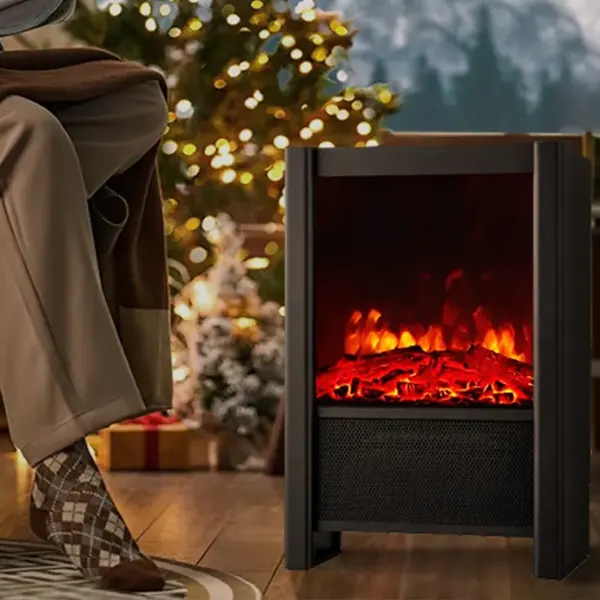
इलेक्ट्रिक फायरप्लेस चुनते समय ऊर्जा दक्षता एक महत्वपूर्ण कारक है, विशेष रूप से दीर्घकालिक या बार-बार उपयोग के लिए. इसका सीधा असर बिजली की लागत पर पड़ता है, विशेषकर घर के मालिकों के लिए जो ठंड के महीनों के दौरान नियमित रूप से चिमनी का उपयोग करने की योजना बनाते हैं.
पावर रेटिंग बनाम रूम मैच
पावर रेटिंग की समीक्षा करके शुरुआत करें (वाट क्षमता) और यह पुष्टि करना कि यह इच्छित कमरे के आकार और हीटिंग आवश्यकता के अनुरूप है. उचित विशिष्टता अनावश्यक ऊर्जा खपत के बिना पर्याप्त ताप उत्पादन सुनिश्चित करती है.
हीट आउटपुट प्रदर्शन
अगला, इलेक्ट्रिक फायरप्लेस हीटर के हीटिंग प्रदर्शन का आकलन करें, इसमें यह भी शामिल है कि यह पूरे स्थान में लगातार और समान ताप वितरण कितने प्रभावी ढंग से करता है.
तापमान नियंत्रण स्थिरता
थर्मोस्टेट सटीकता एक अन्य महत्वपूर्ण कारक है. स्थिर तापमान नियंत्रण आराम बनाए रखने में मदद करता है और लगातार उतार-चढ़ाव के कारण होने वाली ऊर्जा बर्बादी को कम करता है.
एडजस्टेबल हीट सेटिंग्स
इसके अलावा, एकाधिक ताप स्तर बेहतर लचीलापन प्रदान करते हैं, उपयोगकर्ताओं को मौसमी स्थितियों और विभिन्न अनुप्रयोग आवश्यकताओं के आधार पर ऊर्जा उपयोग को समायोजित करने की अनुमति देता है.
जोन तापन दक्षता
मूल्यांकन करें कि सिस्टम व्यावहारिक क्षेत्र हीटिंग परिदृश्यों में कितना प्रभावी ढंग से प्रदर्शन करता है, जहां पूरी इमारत के बजाय केवल विशिष्ट क्षेत्रों को गर्म किया जाता है.
अतिरिक्त ऊर्जा की खपत
अंत में, फ्लेम-ओनली ऑपरेशन के दौरान अतिरिक्त बिजली के उपयोग पर विचार करें. कुशल मॉडल सजावटी मोड में बहुत कम ऊर्जा खपत बनाए रखते हैं, उन्हें निरंतर दृश्य प्रदर्शन के लिए उपयुक्त बनाना.
लौ के दृश्य और ध्वनि प्रभावों का आकलन करें
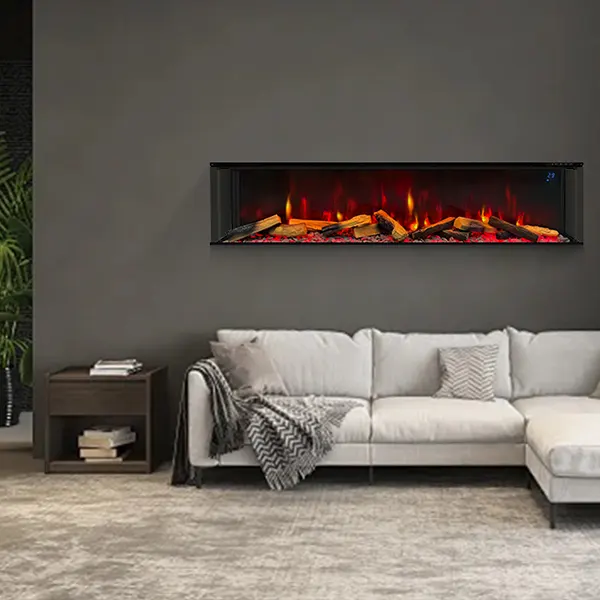
दृश्य और ध्वनि प्रदर्शन इलेक्ट्रिक फायरप्लेस के भावनात्मक और सौंदर्य मूल्य में महत्वपूर्ण योगदान देते हैं, यह इस बात को प्रभावित करता है कि समग्र आंतरिक डिज़ाइन में इसे किस प्रकार देखा जाता है.
लौ दृश्य प्रदर्शन
किसी प्रोजेक्ट में इलेक्ट्रिक फायरप्लेस के दृश्य प्रदर्शन का आकलन करते समय लौ की उपस्थिति एक प्राथमिक मूल्यांकन पैरामीटर है.
आधुनिक मॉडल स्तरित लौ प्रभाव उत्पन्न करने के लिए एलईडी प्रक्षेपण प्रणालियों का उपयोग करते हैं जो प्राकृतिक आग की गति और गहराई का अनुकरण करते हैं.
अधिकांश इकाइयाँ लौ की चमक के लिए समायोज्य नियंत्रण प्रदान करती हैं, रंग तापमान, और गति की गति, आउटपुट को विभिन्न प्रकाश स्थितियों और आंतरिक डिजाइन आवश्यकताओं के अनुसार कैलिब्रेट करने की अनुमति देना - कम-विपरीत आवासीय वातावरण से लेकर उच्च-दृश्यता वाले वाणिज्यिक प्रतिष्ठानों तक.
व्यावहारिक अनुप्रयोगों में, ज्वाला प्रतिपादन गुणवत्ता अक्सर नकली फायरप्लेस प्रणाली के दृश्य प्रभुत्व को निर्धारित करती है, वास्तविक दहन को नियंत्रित के साथ बदलना, रखरखाव-मुक्त दृश्य प्रदर्शन.
ध्वनि प्रभाव (वैकल्पिक सुविधा)
कुछ इलेक्ट्रिक फायरप्लेस मॉडल बिल्ट-इन ऑडियो मॉड्यूल को एकीकृत करते हैं जो लौ डिस्प्ले को पूरक करने के लिए आग की कर्कश ध्वनि का अनुकरण करते हैं.
यह सुविधा दृश्य प्रभाव में ध्वनिक परत जोड़कर पर्यावरणीय विसर्जन को बढ़ाने के लिए डिज़ाइन की गई है.
ध्वनि आउटपुट गुणवत्ता सिस्टम के अनुसार भिन्न होती है, वॉल्यूम रेंज सहित, स्पष्टता, और लौ की गति के साथ तुल्यकालन. उच्च-विशेष मॉडल में, ऑडियो को अक्सर स्वतंत्र रूप से समायोजित या बंद किया जा सकता है, परियोजना आवश्यकताओं के आधार पर.
व्यवहार में, ध्वनि प्रभाव मुख्य रूप से आवासीय मनोरंजन स्थानों में लागू होते हैं, आतिथ्य वातावरण, या शोरूम प्रतिष्ठान जहां बहु-संवेदी वातावरण डिजाइन उद्देश्य का हिस्सा है.
अतिरिक्त जरूरतें: रखरखाव, बजट & आपूर्तिकर्ता चयन
विचारणीय रखरखाव कारक
इलेक्ट्रिक फायरप्लेस का चयन करते समय, रखरखाव का मूल्यांकन व्यावहारिक उपयोग के दृष्टिकोण से किया जाना चाहिए.
जबकि अधिकांश इकाइयों को दहन-संबंधी सर्विसिंग की आवश्यकता नहीं होती है, उत्पाद डिज़ाइन अभी भी दीर्घकालिक स्वच्छता और स्थिरता को प्रभावित करता है.
उदाहरण के लिए, ग्लास पैनल या एयर आउटलेट डिज़ाइन पर धूल जमा होने से समय के साथ सफाई की आवृत्ति और दृश्य स्पष्टता प्रभावित हो सकती है. चयन के दौरान इन संरचनात्मक विवरणों की समीक्षा की जानी चाहिए.
बजट और उत्पाद स्तर की स्थिति
बजट योजना को अनुप्रयोग आवश्यकताओं और उत्पाद स्थिति दोनों को प्रतिबिंबित करना चाहिए.
प्रवेश स्तर के मॉडल आम तौर पर बुनियादी हीटिंग और लौ प्रदर्शन कार्यों पर ध्यान केंद्रित करते हैं, जबकि मध्य-से-उच्च-अंत मॉडल लौ यथार्थवाद में भिन्न होते हैं, सामग्री की गुणवत्ता, संरचनात्मक स्थायित्व, और दीर्घकालिक स्थिरता.
सही स्तर का चयन परियोजना की अपेक्षाओं के साथ संरेखण को सुनिश्चित करता है न कि खत्म होने की- या अंडर-स्पेसिफिकेशन.
आपूर्तिकर्ता विश्वसनीयता और उत्पाद आश्वासन
आपूर्तिकर्ता चयन निर्णय प्रक्रिया का एक महत्वपूर्ण हिस्सा है.
स्थापित इलेक्ट्रिक फायरप्लेस निर्माताओं या अनुभवी इलेक्ट्रिक फायरप्लेस आपूर्तिकर्ताओं के साथ काम करने से लगातार उत्पाद की गुणवत्ता सुनिश्चित करने में मदद मिलती है, सुरक्षा मानकों का अनुपालन, और बिक्री के बाद विश्वसनीय समर्थन.
यह स्थिर दीर्घकालिक संचालन या थोक खरीद की आवश्यकता वाली परियोजनाओं के लिए विशेष रूप से महत्वपूर्ण है.
त्वरित खरीदारी चेकलिस्ट
इलेक्ट्रिक फायरप्लेस चुनने से पहले, यह सुनिश्चित करने के लिए कि उत्पाद आपके घर और दैनिक उपयोग से मेल खाता है, मुख्य निर्णय कारकों की पुष्टि करें.
- प्राथमिक उद्देश्य को परिभाषित करें: नकली फायरप्लेस प्रभाव के साथ इलेक्ट्रिक फायरप्लेस हीटर या दृश्य फोकस का उपयोग करके हीटिंग समर्थन
- उपयुक्त प्रकार का चयन करें, जैसे कि दीवार पर लगा हुआ, निर्मित में, मुक्त होकर खड़े होना, मीडिया दीवार चिमनी, या इलेक्ट्रिक फायरप्लेस सम्मिलित करें
- स्थापना स्थान के साथ इकाई आकार का मिलान करें और दृश्य संतुलन के लिए उचित स्थान सुनिश्चित करें
- हीटिंग प्रदर्शन आवश्यकताओं की जाँच करें, आउटपुट स्तर और दक्षता सहित
- आंतरिक शैली के साथ लौ दृश्य गुणवत्ता और समग्र डिजाइन संगतता का मूल्यांकन करें
- रखरखाव की शर्तों की समीक्षा करें, बजट सीमा, और दीर्घकालिक परिचालन स्थिरता
- स्थापित इलेक्ट्रिक फायरप्लेस निर्माताओं या इलेक्ट्रिक फायरप्लेस आपूर्तिकर्ताओं को चुनकर आपूर्तिकर्ता की विश्वसनीयता की पुष्टि करें
इन कारकों का एक संरचित मूल्यांकन कार्यात्मक और डिज़ाइन दोनों आवश्यकताओं के लिए एक सुमेलित चयन सुनिश्चित करने में मदद करता है.
इन प्रमुख कारकों का मूल्यांकन करने के बाद, आपके घर के लिए उपयुक्त इलेक्ट्रिक फायरप्लेस चुनना बहुत आसान हो जाता है.
एक पेशेवर इलेक्ट्रिक फायरप्लेस निर्माता के रूप में, गोल हमारे पेशेवर द्वारा समर्थित आर&डी टीम, विभिन्न आवश्यकताओं को पूरा करने के लिए OEM और अनुकूलन सेवाओं के साथ इलेक्ट्रिक फायरप्लेस की एक विस्तृत श्रृंखला प्रदान करता है.
पूछे जाने वाले प्रश्न
एक इलेक्ट्रिक फायरप्लेस कितनी बिजली का उपयोग करता है?
बिजली का उपयोग इस बात पर निर्भर करता है कि हीटिंग फ़ंक्शन चालू है या नहीं. अधिकांश इलेक्ट्रिक फायरप्लेस लगभग 750W पर काम करते हैं (कम गर्मी) 1500W तक (अत्याधिक गर्मी), एक मानक स्पेस हीटर के समान.
यदि आप केवल बिना गर्मी के लौ प्रभाव का उपयोग करते हैं, बिजली की खपत बहुत कम है—अक्सर एक प्रकाश बल्ब के बराबर. यह फ्लेम-ओनली मोड को साल भर उपयोग के लिए एक लागत प्रभावी विकल्प बनाता है.
क्या बिजली की चिमनियाँ हवा को शुष्क कर देती हैं??
बिजली की चिमनियाँ हवा को अत्यधिक शुष्क न करें क्योंकि वे दहन या ईंधन जलाने पर निर्भर नहीं होते हैं. पारंपरिक फायरप्लेस या कुछ हीटिंग सिस्टम के विपरीत, वे हवा से नमी नहीं हटाते.
तथापि, अधिकांश इलेक्ट्रिक हीटरों की तरह, लंबे समय तक उपयोग से बंद स्थानों में थोड़ा सूखापन महसूस हो सकता है, इसलिए कमरे के सामान्य वेंटिलेशन को बनाए रखने या ह्यूमिडिफायर का उपयोग करने से आराम में सुधार करने में मदद मिल सकती है.
क्या मैं इलेक्ट्रिक फायरप्लेस को आसानी से हिला सकता हूँ??
यह इकाई के प्रकार पर निर्भर करता है. फ्रीस्टैंडिंग इलेक्ट्रिक फायरप्लेस पोर्टेबल हैं और आवश्यकतानुसार इन्हें एक कमरे से दूसरे कमरे में आसानी से ले जाया जा सकता है.