Have you ever found it difficult to choose the right electric fireplace for your home among so many available options? With a wide range of designs, installation types, and features on the market, making the right choice can feel overwhelming.
With years of experience in electric fireplace solutions, Yika has identified the key factors that matter most for home use. The following sections outline what to consider when selecting an electric fireplace for your space.
Types of Electric Fireplaces
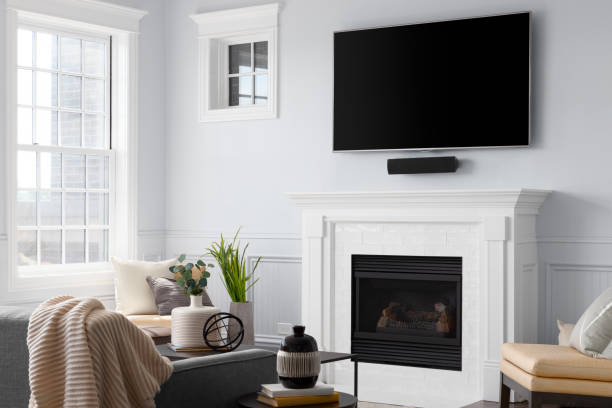
Electric fireplaces are available in several designs, each suited to different installation requirements, project conditions, and interior styles.
Wall-mounted electric fireplaces
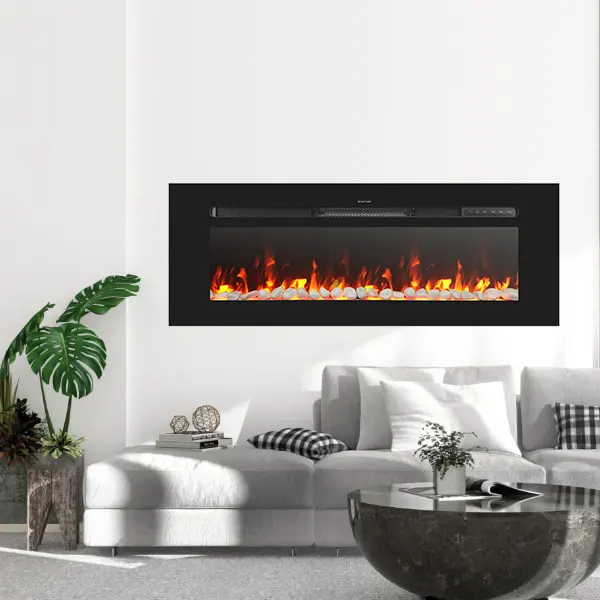
Wall-mounted electric fireplaces are designed for direct installation onto finished walls, making them a practical solution for modern and space-conscious interiors. They typically feature a slim profile and a front-facing glass panel, allowing for quick installation without major construction work.
This type is widely used in apartments, Mga Tanggapan, and contemporary residential spaces where efficient installation and strong visual impact are required.
Built-in (recessed) electric fireplaces
Built-in (recessed) electric fireplaces are installed within a wall cavity, creating a flush and seamless appearance. This installation method requires planning during the construction or renovation phase but delivers a premium architectural finish.
It is commonly specified in high-end residential projects, hotel interiors, and custom interior designs where integration and aesthetic value are key priorities.
Media wall fireplaces
Media wall fireplaces integrate an electric fireplace with a television and custom cabinetry or wall cladding system. It creates a unified focal point that combines entertainment and ambiance, often requiring coordinated design between interior contractors, designers, and electric fireplace suppliers.
This solution is increasingly used in modern residential living rooms and showroom environments.
Freestanding electric fireplaces
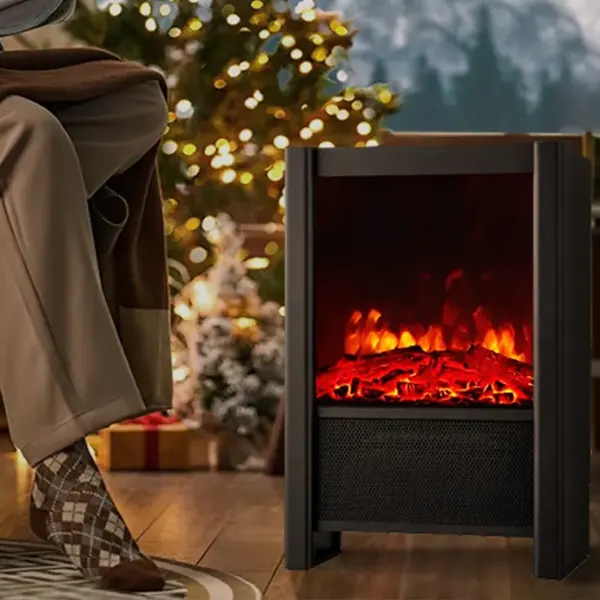
Freestanding electric fireplaces are standalone units that require no permanent installation. They can be placed in different areas depending on layout or functional requirements.
This type is suitable for projects that require flexibility, fast deployment, or minimal construction work, such as rental properties, temporary installations, or staged environments.
Electric fireplace inserts
Electric fireplace inserts are designed to be installed into existing traditional fireplace openings. They preserve the original fireplace structure while improving functionality, safety, and ease of operation.
This solution is widely used in renovation and retrofit projects, allowing outdated wood-burning fireplaces to be upgraded into modern electric systems.
Know Your Needs

Application Purpose Definition
Start by deciding how you plan to use the electric fireplace in your home. Do you want it mainly for heating, or as a decorative feature to enhance the atmosphere?
It may be specified for supplemental heating using an electric fireplace heater, or for decorative and ambient purposes through a flame-only (fake fireplace) effect.
This decision defines the required performance level, product category, and feature configuration.
Usage Intensity and Operation Mode
Assess the expected usage frequency and operating conditions. Projects involving continuous or daily operation require higher reliability, stable performance, and robust control systems.
In contrast, occasional-use applications may prioritize basic functionality and visual presentation rather than advanced operational features.
Functional Priorities
Identify key functional requirements based on the project application, such as heating control accuracy, flame customization, remote operation, or integration into a media wall fireplace system.
Modern electric fireplace models may also include remote or app control, timers, and thermostatic regulation to provide more precise control of heating output and flame effects.
Clearly defining priorities helps improve product matching and supplier communication.
Consider Size and Placement
Choosing the right size and placement is important for both visual balance and everyday comfort in your home.
Size Matching with Space
The electric fireplace size should match the room and wall area, especially for household. In a living room, a larger unit can act as a focal point and enhance the overall design. In smaller spaces like Email Address *, a compact model may be more suitable to maintain a comfortable and balanced atmosphere.
Viewing Position and Height
Placement should align with how you use the space. For example, in a living room or TV wall setup, the fireplace should be positioned at a height that is easy to view from the sofa. Proper placement improves both comfort and visual enjoyment.
Installation Conditions
Before installation, consider your wall structure and available space. Built-in models require wall depth, while wall-mounted units are easier to install in existing homes without major modifications.
Installation Options
Common options include wall-mounted, built-in, or integration into a TV wall (media wall). Each setup creates a different visual effect and should be chosen based on your room layout and design preference.
Evaluate Energy Efficiency
Energy efficiency is an important factor when choosing an electric fireplace, especially for long-term or frequent use. It directly affects electricity costs, particularly for homeowners who plan to use the fireplace regularly during colder months.
Power Rating vs Room Match
Start by reviewing the power rating (wattage) and confirming it aligns with the intended room size and heating requirement. Proper specification ensures adequate heat output without unnecessary energy consumption.
Heat Output Performance
Susunod, assess the heating performance of the electric fireplace heater, including how effectively it delivers consistent and even heat distribution across the space.
Temperature Control Stability
Thermostat accuracy is another important factor. Stable temperature control helps maintain comfort and reduces energy waste caused by frequent fluctuations.
Adjustable Heat Settings
In addition, multiple heat levels provide better flexibility, allowing users to adjust energy usage based on seasonal conditions and different application needs.
Zone Heating Efficiency
Evaluate how effectively the system performs in practical zone heating scenarios, where only specific areas are heated instead of the entire building.
Standby Energy Consumption
Finally, consider standby power usage during flame-only operation. Efficient models maintain very low energy consumption in decorative mode, making them suitable for continuous visual display.
Assess Flame Visual and Sound Effects
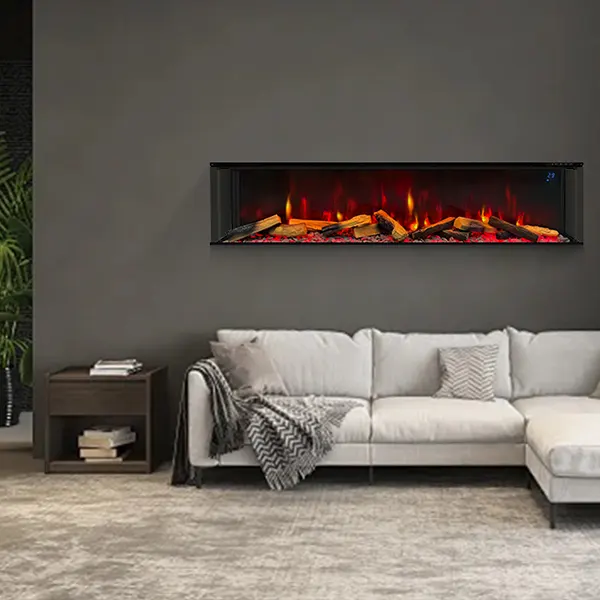
Visual and sound performance contribute significantly to the emotional and aesthetic value of an electric fireplace, influencing how it is perceived within the overall interior design.
Flame Visual Performance
Flame appearance is a primary evaluation parameter when assessing the visual performance of an electric fireplace in a project.
Modern models use LED projection systems to generate layered flame effects that simulate natural fire movement and depth.
Most units provide adjustable controls for flame brightness, color temperature, and movement speed, allowing the output to be calibrated to different lighting conditions and interior design requirements—from low-contrast residential environments to high-visibility commercial installations.
In practical applications, flame rendering quality often determines the visual dominance of a fake fireplace system, replacing real combustion with a controlled, maintenance-free visual display.
Sound Effects (Optional Feature)
Some electric fireplace models integrate built-in audio modules that simulate crackling fire sounds to complement the flame display.
This feature is designed to enhance environmental immersion by adding an acoustic layer to the visual effect.
Sound output quality varies by system, including volume range, clarity, and synchronization with flame movement. In higher-spec models, the audio can often be adjusted or turned off independently, depending on project requirements.
In practice, sound effects are mainly applied in residential entertainment spaces, hospitality environments, or showroom installations where multi-sensory atmosphere is part of the design objective.
Additional Requirements: Maintenance, Budget & Supplier Selection
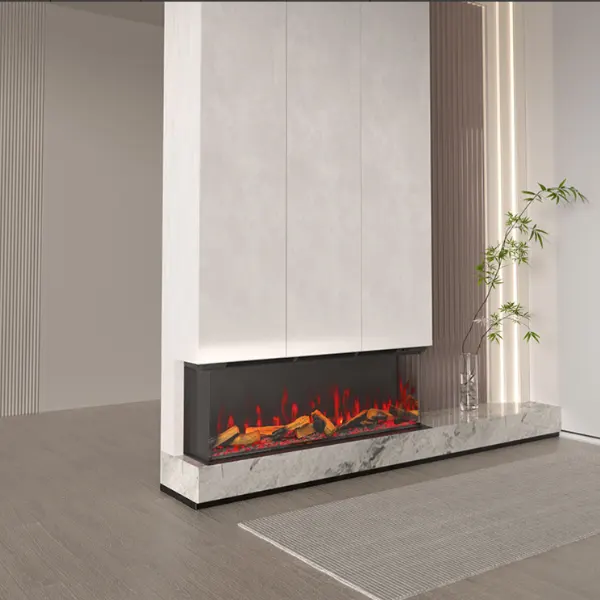
Maintenance Factors to Consider
When selecting an electric fireplace, maintenance should be evaluated from a practical usage perspective.
While most units do not require combustion-related servicing, product design still affects long-term cleanliness and stability.
For example, dust accumulation on the glass panel or air outlet design can influence cleaning frequency and visual clarity over time. These structural details should be reviewed during selection.
Budget and Product Tier Positioning
Budget planning should reflect both application requirements and product positioning.
Entry-level models generally focus on basic heating and flame display functions, while mid-to-high-end models differ in flame realism, material quality, structural durability, and long-term stability.
Choosing the correct tier ensures alignment with project expectations rather than over- or under-specification.
Supplier Reliability and Product Assurance
Supplier selection is a critical part of the decision process.
Working with established electric fireplace manufacturers or experienced electric fireplace suppliers helps ensure consistent product quality, compliance with safety standards, and reliable after-sales support.
This is especially important for projects requiring stable long-term operation or bulk procurement.
Quick Buying Checklist
Before selecting an electric fireplace, confirm the core decision factors to ensure the product matches your home and daily use.
- Define the primary purpose: heating support using an electric fireplace heater or visual focus with a fake fireplace effect
- Select the appropriate type, such as wall-mounted, built-in, freestanding, media wall fireplace, or electric fireplace insert
- Match unit size with installation space and ensure proper placement for visual balance
- Check heating performance requirements, including output level and efficiency
- Evaluate flame visual quality and overall design compatibility with the interior style
- Review maintenance conditions, budget range, and long-term operating stability
- Confirm supplier reliability by choosing established electric fireplace manufacturers or electric fireplace suppliers
A structured evaluation of these factors helps ensure a well-matched selection for both functional and design requirements.
After evaluating these key factors, selecting an electric fireplace that fits your home becomes much more straightforward.
As a professional electric fireplace manufacturer, Yika supported by our professional R&D team, offers a wide range of electric fireplaces along with OEM and customization services to meet different needs.
Mga FAQ
How much electricity does an electric fireplace use?
Electricity usage depends on whether the heating function is on. Most electric fireplaces operate at around 750W (low heat) to 1500W (high heat), similar to a standard space heater.
If you only use the flame effect without heat, power consumption is much lower—often comparable to a light bulb. This makes flame-only mode a cost-effective option for year-round use.
Do electric fireplaces dry out the air?
Electric fireplaces do not significantly dry out the air because they do not rely on combustion or fuel burning. Unlike traditional fireplaces or some heating systems, they do not remove moisture from the air.
However, like most electric heaters, prolonged use may create a slight feeling of dryness in enclosed spaces, so maintaining normal room ventilation or using a humidifier can help improve comfort.
Can I move an electric fireplace easily?
It depends on the type of unit. Freestanding electric fireplaces are portable and can be moved easily between rooms as needed.