Gas and electric fireplaces offer different solutions for heating performance, design flexibility, and installation requirements. For project developers, contractors, and distributors, the main challenge is finding a fireplace system that matches the project space, badyet, and long-term operation needs.
To help buyers make effective decisions, this guide compares gas vs electric fireplace options across key factors, including heat output, cost, installation, appearance, safety, and maintenance.
Gas vs Electric Fireplace: Key Differences
Gas and electric fireplaces can both create warmth and improve interior spaces, but they use different technologies and require different installation conditions. The table below provides a quick comparison of the main differences between these two fireplace solutions.
| Tampok | Gas Fireplace | Email Address * |
|---|---|---|
| Heating Method | Gas combustion with real flames | Electric heating with LED flame effects |
| Heat Output | Higher heat capacity for larger spaces | Suitable for supplemental heating |
| Pag-install | Requires gas supply and ventilation | Requires electrical connection only |
| Cost | Higher installation investment | Lower installation complexity |
| Design Flexibility | Traditional built-in fireplace designs | More styles and installation options |
| Maintenance | Regular system inspection required | Simple cleaning and basic checks |
| Safety | Needs proper ventilation and installation | No fuel combustion during operation |
Key Takeaways:
- Gas Fireplaces: Offer strong heating performance and a traditional flame experience, suitable for projects that require higher heat output.
- Mga de-koryenteng fireplace: Provide flexible installation options, easy maintenance, and diverse design choices for different interior applications.
Both options have their own advantages. The right solution depends on factors such as project conditions, heating requirements, installation needs, and long-term operation goals. The following sections will compare these key factors in detail.
If you want to learn more about how to choose electric fireplace, you can read this article: Gabay sa Pagbili ng Electric Fireplace
Heat Output
Heat output is one of the most important factors when comparing gas and electric fireplaces. The right option depends on whether the fireplace is expected to provide primary heating or additional warmth for a specific area.
Gas fireplaces usually provide higher heat output because they generate heat through fuel combustion. They can effectively warm larger spaces and are often used as a primary heating source where consistent warmth is required. The real flame also creates a traditional fireplace atmosphere while providing heat.
Electric fireplaces use electric heating elements to produce warmth. They are commonly used for supplemental heating in specific rooms or areas, helping improve comfort without requiring a complex heating system. Many models also offer adjustable heat settings for easier temperature control.
| Heating Factor | Gas Fireplace | Email Address * |
|---|---|---|
| Heat Output | Higher heat output for larger spaces | Suitable for supplemental heating |
| Heating Purpose | Primary heating and continuous warmth | Comfort heating for specific areas |
| Heat Control | Controlled through gas heating systems | Easy adjustment with electric controls |
Key Takeaways:
Gas fireplaces may provide higher heat output for projects with greater heating demands.
Electric fireplaces offer flexible supplemental heating with easier temperature control.
Cost Comparison
The total cost of a fireplace depends on more than the product price. Installation requirements, energy costs, maintenance needs, and local conditions all affect the final investment. The following comparison provides a general overview, as actual costs vary by country and project requirements.
Initial Investment
Gas fireplaces usually require a higher upfront investment because they may need gas connections, ventilation systems, and professional installation. These additional requirements can increase project costs, especially for buildings without existing gas infrastructure.
Electric fireplaces generally have a simpler setup process. Most models only require a suitable power connection, which can help reduce installation complexity and labor costs.
Operating Cost
The running cost of a fireplace depends on local energy prices and usage patterns. In some regions, gas may have a lower energy cost, while electric fireplaces can be more economical for occasional or supplemental heating.
| Cost Factor | Gas Fireplace | Email Address * |
|---|---|---|
| Upfront Cost | Higher with gas system requirements | Usually lower installation complexity |
| Energy Cost | Depends on local gas prices | Depends on electricity rates |
| Maintenance | Requires regular system checks | Requires simple cleaning and inspection |
Cost Considerations for Different Projects
The more suitable option depends on how the fireplace will be used:
- Primary Heating: Gas fireplaces may be considered for projects that require stronger and continuous heat output.
- Supplemental Heating: Electric fireplaces can be a practical choice for adding warmth to specific areas without major installation work.
- Design-Focused Projects: Electric fireplaces may help reduce installation limitations when flexibility and appearance are important.
Key Takeaways:
Gas fireplaces may require higher upfront investment due to installation requirements.
Electric fireplaces offer simpler installation, while total costs depend on energy prices, usage, and project conditions.
Installation Requirements
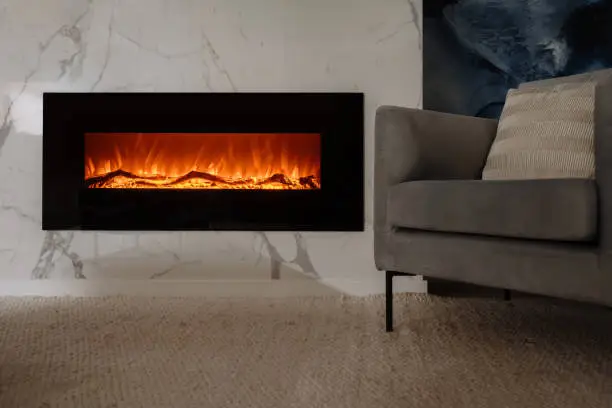
Installation requirements are an important consideration for fireplace projects. Gas and electric fireplaces differ mainly in infrastructure needs, installation complexity, and placement flexibility.
Gas fireplaces require more preparation because they use combustion to generate heat. Most installations need a gas connection, proper ventilation, and professional setup to meet local safety requirements. They are often easier to integrate into new construction projects where gas infrastructure can be planned in advance.
Electric fireplaces offer a simpler installation process because they do not require gas lines or venting systems. Most models only need a suitable power connection, making them easier to install in different spaces. This flexibility makes electric fireplaces suitable for renovations, apartments, hotels, Mga Tanggapan, and other projects with limited installation options.
Key Takeaways:
Gas fireplaces require more planning due to gas connections and ventilation needs.
Electric fireplaces provide simpler installation with fewer infrastructure requirements.
Design Flexibility and Appearance
The appearance and installation style of a fireplace can influence the overall design of a space. Gas and electric fireplaces offer different visual experiences and levels of flexibility depending on project requirements.
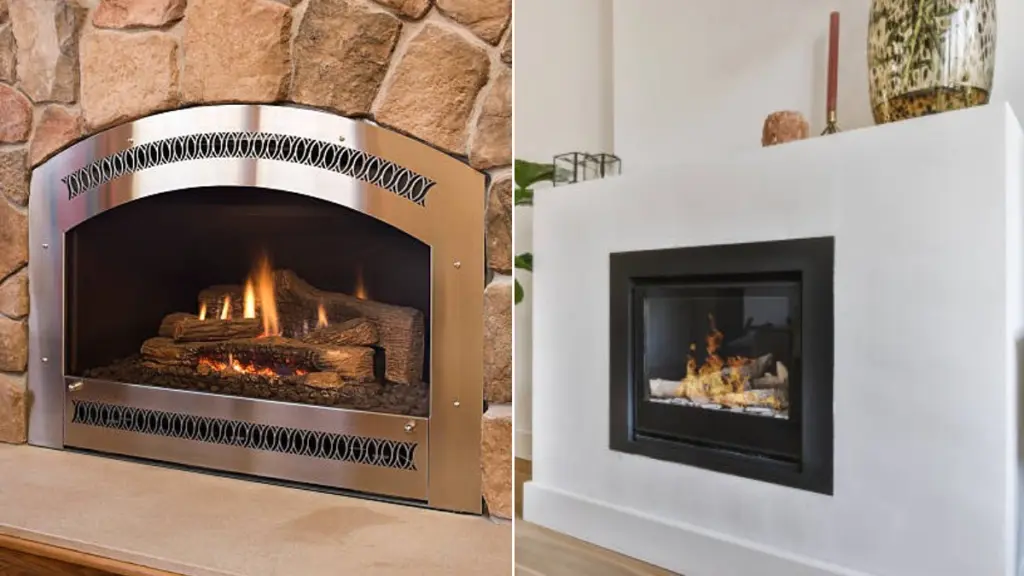
Gas fireplaces provide a traditional fireplace atmosphere with real flames and natural flame effects. They are often used in projects that want a classic look and a strong visual focal point. However, design options may be affected by gas connections and ventilation requirements.
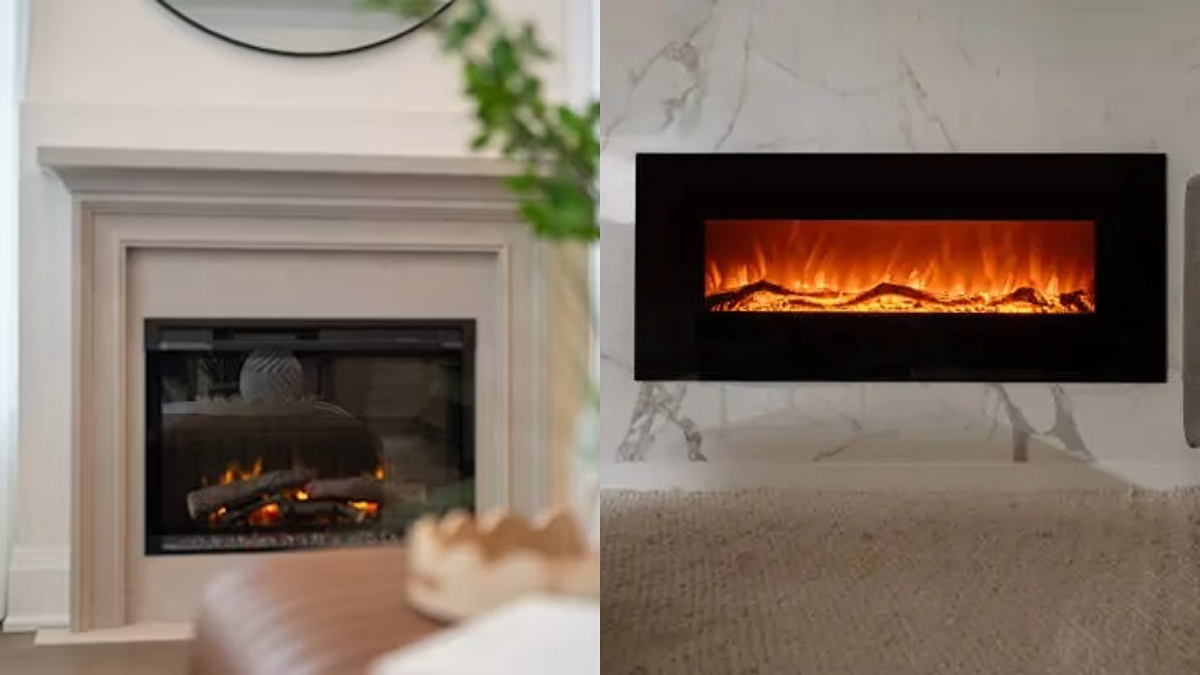
Electric fireplaces offer greater flexibility in modern interior design. Available in wall-mounted, recessed, and freestanding styles, they can be installed in more locations without requiring chimneys or venting systems. Many models also use LED flame effects and adjustable settings to create different visual styles.
Key Takeaways:
Gas fireplaces create a traditional flame experience with a classic appearance.
Electric fireplaces provide more flexible designs for different interior applications.
Safety and Maintenance
Safety and maintenance requirements directly affect long-term operation, user experience, and ownership costs. Gas and electric fireplaces use different heating methods, so their maintenance needs and safety considerations are also different.
Gas fireplaces generate heat through fuel combustion, which requires proper installation and regular system checks. They need suitable ventilation and professional maintenance to support safe and reliable operation over time.
Electric fireplaces do not use fuel combustion during operation, making daily use and maintenance simpler. Most models require basic cleaning and routine electrical checks to maintain stable performance.
| Safety & Maintenance Factor | Gas Fireplace | Email Address * |
|---|---|---|
| Safety Requirements | Requires proper installation and ventilation | No fuel combustion during operation |
| Maintenance Needs | Regular inspection of gas and ventilation systems | Basic cleaning and electrical checks |
| Long-Term Operation | Reliable with proper maintenance | Simple operation with fewer maintenance steps |
Key Takeaways:
Gas fireplaces are suitable for projects that can support combustion-based heating systems and regular maintenance.
Electric fireplaces are a practical option for projects that value simple operation and easier upkeep.
Which Fireplace Is Better for Different Projects?

Different projects have different heating needs, installation conditions, and design goals. Gas and electric fireplaces can both be suitable options depending on the project requirements.
| Project Type | Suitable Option | Main Consideration |
|---|---|---|
| Large Residential Projects | Gas Fireplace | Higher heat output and traditional flame experience |
| Apartment Renovation Projects | Email Address * | Simpler installation with fewer structural changes |
| Hotels and Commercial Spaces | Email Address * | Flexible designs for different interior styles |
| Projects with High Heating Demand | Gas Fireplace | Suitable for spaces requiring stronger heating performance |
For project buyers, the better fireplace option depends on heating performance, installation conditions, and design requirements. Understanding these factors helps businesses find the right solution for residential, komersyal, and industrial projects.
Final Thoughts
Gas and electric fireplaces offer different advantages for various project requirements. Gas fireplaces provide strong heating performance and a traditional flame experience, while electric fireplaces offer flexible installation and modern design options. Understanding these differences helps businesses find the right fireplace solution for their projects.
As an experienced electric fireplace manufacturer, YIKA provides reliable heating solutions with OEM customization support for global partners. Contact YIKA to explore suitable fireplace options for your next project.
Which is better gas or electric fireplace?
The better option depends on project requirements. Gas fireplaces usually provide higher heat output and a traditional flame experience, while electric fireplaces offer easier installation, flexible designs, and simpler operation. The right choice depends on heating needs, space conditions, and design goals.
Which is cheaper to run a gas or electric fire?
Operating costs depend on local energy prices, usage time, and heating requirements. Gas is often less expensive per unit of energy, while electric fireplaces may reduce installation and maintenance costs because they do not require gas connections or ventilation systems.
Do electric fireplaces look as good as gas?
Modern electric fireplaces can provide realistic flame effects through LED technology and offer a wide range of designs. While gas fireplaces create real flames, electric models provide more flexibility for different interior styles and project applications.
What is the healthiest type of fireplace?
Electric fireplaces are often considered a cleaner option because they do not produce combustion gases, smoke, or emissions during operation. However, overall comfort and safety also depend on proper installation, ventilation, and regular maintenance.
Do electric fireplaces offer real flames?
Most electric fireplaces do not use real flames. Instead, they create realistic flame effects with LED lighting and visual technologies. Many models allow users to adjust flame brightness, color, and heat settings separately.