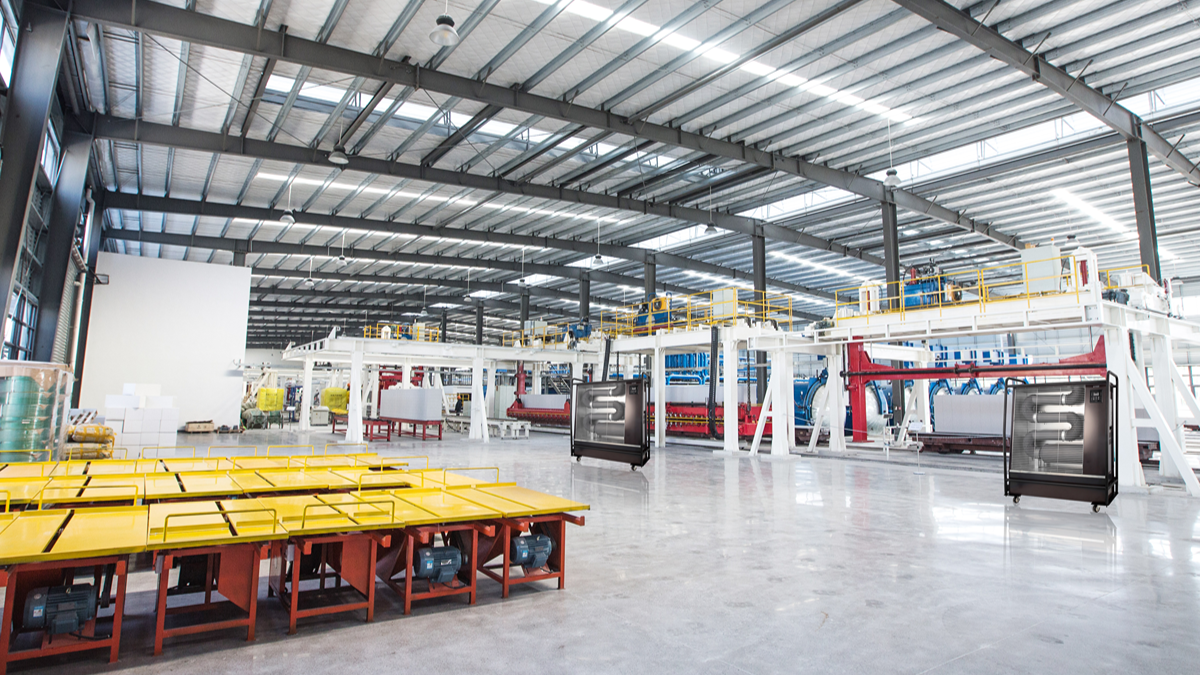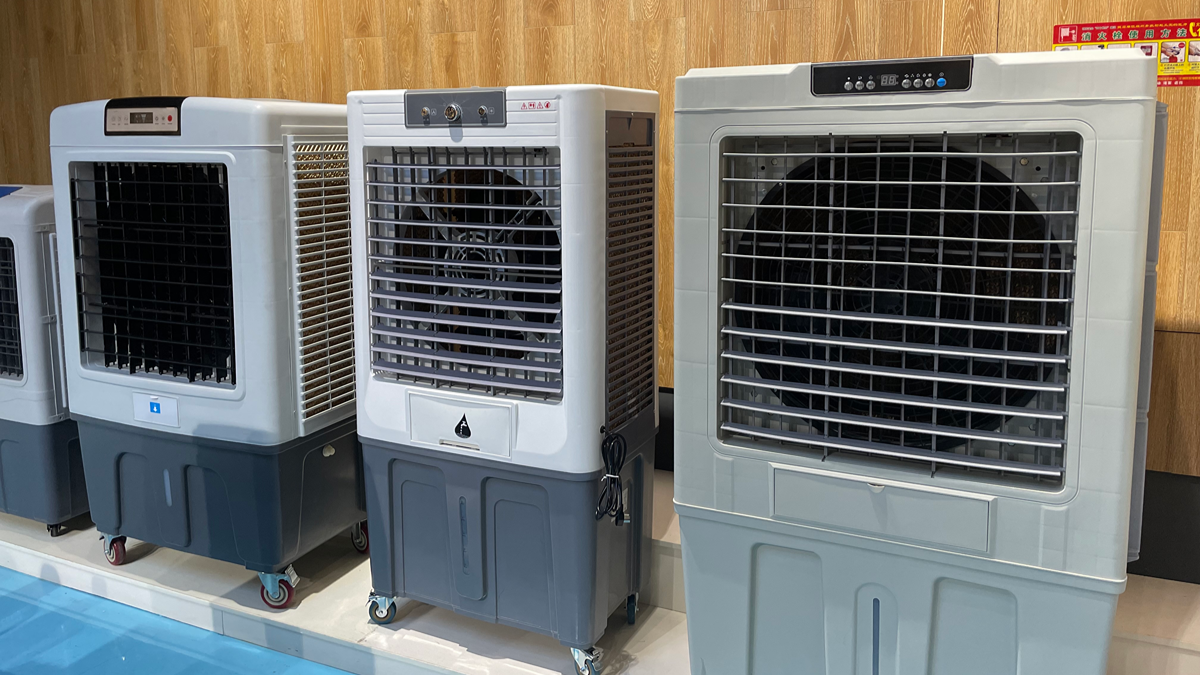
يعتمد نجاح أعمال توزيع مبردات الهواء التجارية على أكثر من مجرد توفير المنتجات بتكلفة منخفضة. يعاني العديد من الموزعين من انخفاض هوامش الربح, سوء اختيار الموردين, والطلب غير المستقر بسبب افتقارها إلى نموذج عمل منظم. دون النهج الصحيح, فحتى الأسواق المتنامية يمكن أن تؤدي إلى ضغط التدفق النقدي والربحية غير المتسقة.
يوضح هذا الدليل كيفية إنشاء مشروع تجاري مربح لتوزيع مبردات الهواء عن طريق اختيار نموذج المبيعات المناسب, تقييم الشركات المصنعة, السيطرة على الأسعار والمخزون, وتطوير عمليات قابلة للتطوير. أنها تساعد الموزعين, تجار الجملة, ومستوردو أنظمة التدفئة والتهوية وتكييف الهواء (HVAC) يقللون من المخاطر, تحسين الهوامش, وبناء أعمال مستدامة طويلة الأجل.
افهم الفرص المتاحة في سوق مبردات الهواء التجارية
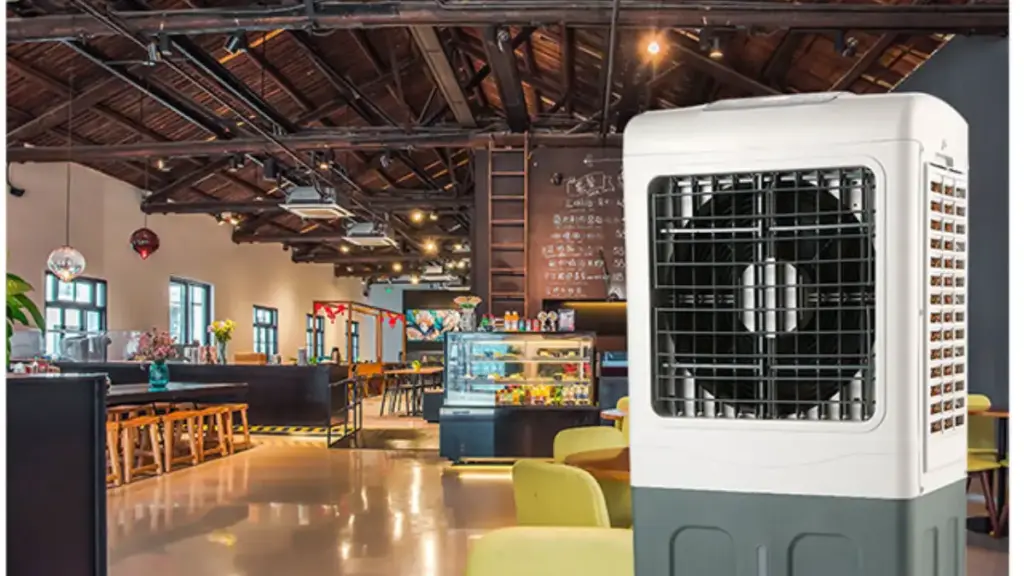
يبدأ نجاح أعمال توزيع مبردات الهواء التجارية بتحديد مكان وجود الطلب الحقيقي وكيف تتبنى الصناعات المختلفة حلول التبريد في ظل التكلفة والضغط البيئي.
اتجاهات نمو السوق ومحركات الطلب
يتشكل الطلب على مبردات الهواء التجارية من خلال التغيرات الاقتصادية والصناعية طويلة المدى بدلاً من الظروف الموسمية قصيرة المدى. إن فهم برامج التشغيل هذه يساعد الموزعين على تحديد الاستقرار, فرص كبيرة الحجم.
- كفاءة الطاقة: انخفاض استهلاك الكهرباء يقلل من تكاليف التشغيل, مما يجعل مبردات الهواء جذابة مساحات تجارية كبيرة مع الاستخدام المستمر.
- ارتفاع تكاليف الكهرباء: تجبر أسعار الطاقة المرتفعة المصانع والمستودعات على استبدال أو تقليل استخدام أجهزة تكييف الهواء التقليدية.
- مبادرات الاستدامة: التبريد التبخيري يتجنب المبردات, مساعدة الشركات على تلبية المتطلبات البيئية والامتثال.
- التوسع الصناعي: نمو التصنيع في الأسواق الناشئة يزيد من الطلب على قابلة للتطوير حلول التبريد في المرافق الكبيرة.
هذه العوامل تجعل السوق أكثر مرونة, خاصة في المناطق التي تؤثر فيها تكاليف الطاقة بشكل مباشر على كفاءة الإنتاج والربحية.
شرائح وتطبيقات العملاء ذوي الإمكانات العالية
تعتمد الصناعات المختلفة مبردات الهواء التجارية لأسباب تشغيلية مختلفة. إن تحديد هذه الاختلافات يساعد الموزعين على تجنب البيع العام والتركيز على فرص التحويل الأعلى.
- المستودعات: يركز التبريد على راحة العمال بشكل عام, المناطق شبه المفتوحة حيث تكون أنظمة التدفئة والتهوية وتكييف الهواء الكاملة باهظة الثمن.
- مرافق التصنيع: تخلق حرارة المعدات وكثافة الإنتاج طلبًا مستمرًا على مناطق التبريد المحلية.
- زراعة: يؤثر التحكم في درجة الحرارة بشكل مباشر على جودة الإنتاج في الدفيئات الزراعية وبيئات الثروة الحيوانية.
- ضيافة: تتطلب مساحات تناول الطعام والمناسبات الخارجية أداء تبريد مرنًا وواضحًا.
- بيع بالتجزئة: يعمل التبريد المستهدف على تحسين راحة العملاء دون تعديل البنية التحتية الكاملة للمبنى.
يعطي المشترون الصناعيون الأولوية للمتانة وتوفير الطاقة, بينما تقدر الصناعات الخدمية تجربة الراحة ومرونة النظام, إنشاء استراتيجيات مبيعات مختلفة لكل شريحة.
تتطلب خدمة شرائح العملاء المتنوعة هذه منتجات يمكنها التكيف مع بيئات مختلفة, قدرات التبريد, والاحتياجات التشغيلية. تعرف على المزيد حول قدرات Yika باعتبارها شركة تصنيع برودة الهواء التجارية في الصين وكيف ندعم الموزعين بمجموعة واسعة من حلول التبريد التجارية.
الفرص الإقليمية والاعتبارات المناخية
الظروف المناخية تؤثر بشكل كبير أداء المنتج وقبول السوق. يقوم الموزعون الناجحون بمواءمة وضع المنتج مع الملاءمة البيئية بدلاً من تطبيق استراتيجية موحدة.
- المناطق الحارة والجافة: تسمح الرطوبة المنخفضة لأنظمة التبريد بالتبخير بأداء أقصى قدر من الكفاءة ومستويات رضا العملاء.
- الاقتصادات الناشئة: تعمل قيود البنية التحتية وحساسية التكلفة على تسريع اعتماد بدائل التبريد منخفضة التكلفة.
- ملاءمة المناخ: المناطق ذات الرطوبة العالية تقلل من كفاءة التبريد, تتطلب تحديد المواقع الهجين أو التطبيقات البديلة مثل دعم التهوية.
غالبًا ما يكون نجاح التوزيع أعلى في المناطق الصناعية الداخلية, حيث تكون درجة الحرارة مرتفعة ولكن الرطوبة تبقى معتدلة, خلق ظروف تشغيل مثالية لمبردات الهواء.
للحصول على شرح أعمق كيف تؤثر المناخات الرطبة على مبردات التبخيرية, لقد قمنا بتغطيتها في مقال منفصل.
اختر نموذج توزيع مبرد الهواء المناسب
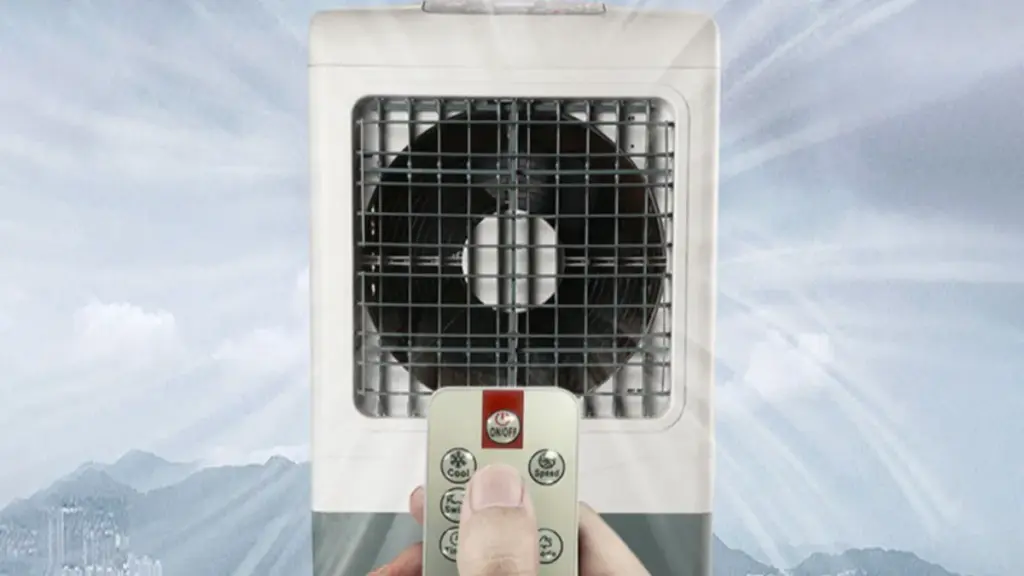
يؤثر اختيار نموذج التوزيع بشكل مباشر على كفاءة رأس المال, التعرض للخطر, والربحية على المدى الطويل. يعمل كل نموذج في ظل ظروف تجارية مختلفة, لذا فإن الاختيار الصحيح يعتمد على كيفية موازنة الأعمال بين سرعة النمو والتحكم التشغيلي.
مقارنة التداول, بالجملة, والتوزيع على أساس المشروع
تتطلب نماذج التوزيع المختلفة مستويات مختلفة من الاستثمار, القدرة التشغيلية, وإشراك العملاء. إن فهم نقاط القوة والقيود الخاصة بهم يساعد الموزعين على اختيار الهيكل الذي يتوافق مع أهداف أعمالهم والموارد المتاحة.
مقارنة نموذج التوزيع
| نموذج التوزيع | متطلبات رأس المال | هامش الربح | دورة المبيعات | الميزة الرئيسية | المخاطر الرئيسية |
|---|---|---|---|---|---|
| تجارة | قليل | منخفض – متوسط | قصير | الدخول السريع للسوق | ضعف الرقابة على الأسعار |
| بالجملة | متوسطة - عالية | واسطة | واسطة | أوامر تكرار مستقرة | ضغط المخزون |
| على أساس المشروع | منخفض – متوسط | عالي | طويل | عقود ذات قيمة عالية | دورة مبيعات طويلة |
يستخدم العديد من الموزعين مزيج من هذه النماذج بدلاً من الاعتماد على قناة واحدة. يمكن للنهج المختلط أن يوازن بين التدفق النقدي قصير الأجل والربحية على المدى الطويل. على سبيل المثال, التداول يدعم الدخول السريع إلى السوق, الجملة تخلق حجم مبيعات مستقرًا, وتوفر المبيعات القائمة على المشاريع إمكانية الوصول إلى الفرص التجارية ذات هامش الربح الأعلى. يعتمد المزيج الصحيح على الموارد المتاحة لديك, قاعدة العملاء, وأهداف النمو.
تقييم القدرات التنظيمية وموارد السوق
يعمل نموذج التوزيع فقط عندما يتطابق مع القدرة الداخلية. ولا يمكن للطلب القوي في السوق أن يعوض ضعف القدرة التنفيذية.
- القدرة على المبيعات: يحدد مدى فعالية إدارة الأعمال لعروض الأسعار, المفاوضات, ودورات B2B الطويلة.
- الخبرة الفنية: يدعم الاختيار الدقيق للمنتج وتحجيم النظام في البيئات التجارية.
- الوصول إلى الأسواق: يعكس الاتصالات الحالية مع التجار, المقاولون, أو المشترين الصناعية.
- علاقات العملاء: يحسن تكرار الأوامر ويقلل من تكلفة الاستحواذ.
تؤكد النماذج المختلفة على القدرات المختلفة. تتطلب المبيعات القائمة على المشاريع دعمًا فنيًا أقوى, بينما تعتمد الجملة بشكل أكبر على الكفاءة التشغيلية وانضباط المخزون.
اختيار أفضل نموذج لمرحلة عملك
يجب أن تتطور استراتيجية التوزيع مع نضج الأعمال بدلاً من أن تظل ثابتة. تتطلب كل مرحلة نمو توازنًا مختلفًا بين المخاطر ورأس المال.
- مرحلة البدء: يسمح نموذج التداول بالدخول منخفض المخاطر والتحقق السريع من الطلب على المنتج.
- مرحلة النمو: يعمل نموذج البيع بالجملة على تحسين استقرار العرض وتقوية شبكات الوكلاء.
- مرحلة القياس: تعمل النماذج القائمة على المشاريع أو النماذج الهجينة على زيادة الهوامش إلى الحد الأقصى وبناء مكانة طويلة الأجل في السوق.
إن اختيار نموذج متقدم جدًا في وقت مبكر غالبًا ما يؤدي إلى ضغوط على التدفق النقدي ويبطئ التوسع المستدام.
مصدر معتمد, مبردات الهواء مباشرة من المصنع

اعثر على شركة مصنعة موثوقة لمبردات الهواء
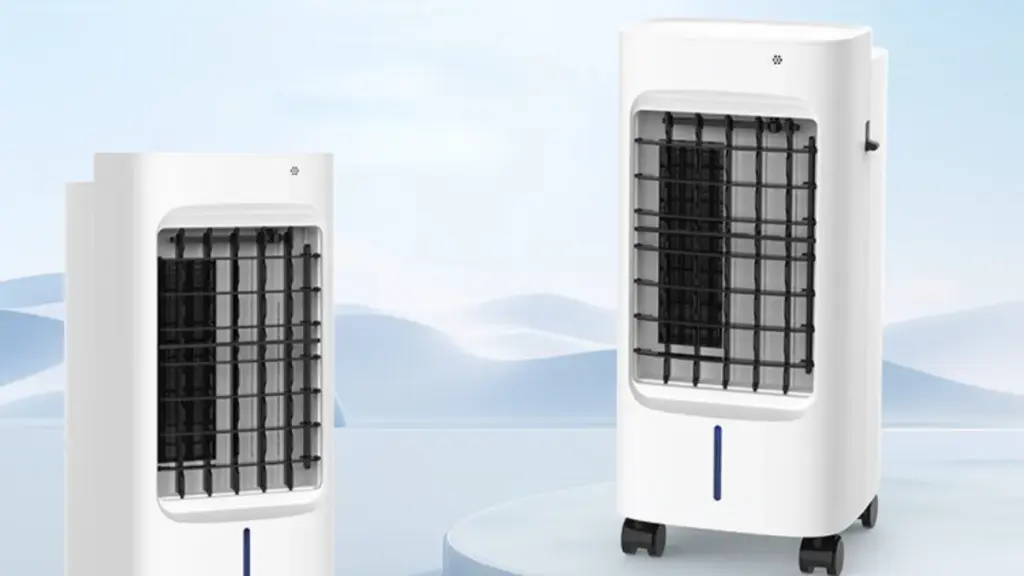
إن اختيار الشركة المصنعة المناسبة يحدد استقرار المنتج على المدى الطويل, رضا العملاء, وموثوقية سلسلة التوريد. غالبًا ما يخلق المورد الضعيف مخاطر خفية لا تظهر إلا بعد توسيع نطاق الأعمال.
نظرة عامة على تقييم الشركة المصنعة
| منطقة التقييم | المعايير الرئيسية | تأثير الأعمال |
|---|---|---|
| نظام إدارة الجودة | ISO 9001 شهادة, مراقبة الإنتاج, أنظمة التتبع, وإجراءات فحص الجودة | يدعم جودة المنتج المتسقة ويقلل من مخاطر الضمان والعيوب على المدى الطويل |
| امتثال المنتج & دعم فني | م, إيتل, شهادات UL, اختبار الأداء, والمساعدة الهندسية | يحسن الوصول إلى الأسواق, الامتثال التنظيمي, والقدرة على تنفيذ المشروع |
| المصطلحات التجارية & موثوقية العرض | مو, مهلة, سياسات الضمان, وتوافر قطع الغيار | يحمي التدفق النقدي, يضمن إمدادات مستقرة, ويقوي دعم ما بعد البيع |
الشركة المصنعة الموثوقة ليست مجرد مورد ولكنها شريك تشغيلي طويل الأمد. غالبًا ما يكون استقرار العرض والتحكم في النظام أكثر أهمية من الفروق الصغيرة في الأسعار.
بناء استراتيجية تسعير ومخزون مربحة

تعتمد ربحية التوزيع الفعالة على كيفية عمل قرارات التسعير وتخطيط المخزون معًا. ويضمن النهج المنظم هوامش مستقرة مع الحفاظ على توافق المخزون مع الطلب الحقيقي في السوق.
تطوير هيكل التسعير الذي يحمي الهوامش
يجب أن يتبع التسعير نظامًا واضحًا لتجنب الخصم غير المنضبط وتآكل الهامش في الأسواق التنافسية.
يساعد نموذج التسعير المنظم الموزعين على التمييز بين العملاء والتحكم في الربحية عبر قنوات البيع المختلفة.
- تجزئة العملاء: مستويات تسعير مختلفة للتجار, المقاولون, وتوجيه المشترين ليعكسوا قيمة الخدمة وحجم الطلب.
- تسعير الطبقة: تحديد موضع المنتج بشكل منظم عبر المدخل, متوسطة المدى, ومستويات متميزة لتتناسب مع الميزانيات المختلفة.
- التحكم في الهامش: تحديد الحد الأدنى للربح الذي يمنع قرارات التسعير من أن تصبح تفاعلية أو غير متسقة.
يساعد هيكل التسعير الخاضع للرقابة الموزعين على الحفاظ على الربحية حتى عندما تشتد المنافسة في السوق.
مواءمة تخطيط المخزون مع طلب السوق
ويجب أن تركز إدارة المخزون على تحقيق التوازن بين استقرار الطلب وكفاءة رأس المال, خاصة في الأسواق الموسمية أو التي تعتمد على المشاريع.
- التنبؤ بالطلب: يستخدم الاتجاهات الموسمية ودورات المشروع لتقدير الطلب المستقبلي بشكل أكثر دقة.
- مخزون السلامة: يوفر مخزونًا مؤقتًا لمنع النقص خلال فترات ذروة المبيعات.
- دوران المخزون: يقيس مدى كفاءة تحركات المخزون ويساعد على تحديد المنتجات بطيئة الحركة في وقت مبكر.
يقلل التخطيط القوي للمخزون من ضغط التدفق النقدي ويضمن قدرة الموزعين على الاستجابة بسرعة لتقلبات السوق دون الإفراط في التخزين.
توسيع الربحية إلى ما هو أبعد من مبيعات المنتجات
لا تقتصر الربحية طويلة المدى في التوزيع على هوامش المنتج. يقوم الموزعون الناجحون ببناء تدفقات قيمة إضافية حول دعم دورة حياة المنتج.
تعمل الملحقات مثل منصات التبريد والمرشحات على خلق فرص شراء متكررة بعد البيع الأولي. المواد الاستهلاكية تولد الطلب المتكرر, بينما تعمل حزم الخدمات مثل التثبيت والصيانة على تحسين الاحتفاظ بالعملاء. تعمل الضمانات الموسعة واتفاقيات الخدمة على زيادة استقرار التدفق النقدي وتقليل الاعتماد على مبيعات المعدات لمرة واحدة.
تعمل تدفقات الإيرادات هذه على زيادة القيمة الدائمة للعملاء بشكل كبير وتعزيز مرونة الأعمال على المدى الطويل في الأسواق التنافسية.
الخطة اللوجستية, خدمة ما بعد البيع, ومراقبة المخاطر

مع نمو حجم التوزيع, يصبح التنفيذ التشغيلي بنفس أهمية اختيار المنتج. لوجستية فعالة, خدمة موثوقة, وتساعد إدارة المخاطر الاستباقية الموزعين على حماية الهوامش مع دعم نمو الأعمال على المدى الطويل.
| القدرة على التوزيع | التركيز الرئيسي | تأثير الأعمال |
|---|---|---|
| إدارة الشبكة اللوجستية | التخزين, تنسيق النقل, وتخطيط التسليم | يحسن كفاءة التسليم, تلبية الطلب, ورضا العملاء |
| إدارة خدمات ما بعد البيع | التعامل مع الضمان, الوفاء بقطع الغيار, ومعايير الاستجابة للخدمة | يعزز الاحتفاظ بالعملاء ويبني الثقة على المدى الطويل |
| مراقبة المخاطر التشغيلية | استمرارية التوريد, تخطيط المخزون, وإدارة المخاطر المالية | يحمي الربحية ويدعم نمو الأعمال المستقر |
يعتمد النجاح على المدى الطويل على الاتساق التشغيلي. الموزعين الذين يجمعون بين التسليم الموثوق, دعم العملاء سريع الاستجابة, والرقابة الفعالة على المخاطر في وضع أفضل للتوسع بشكل مستدام والحفاظ على ميزة تنافسية في السوق.
لا يقتصر الدعم الفعال لما بعد البيع على التعامل مع الضمان فحسب, ولكن أيضًا حول مساعدة العملاء على حل المشكلات التشغيلية الشائعة من خلال المعرفة المناسبة بالصيانة. تعلم المزيد في صيانة مبرد الهواء: استكشاف الأخطاء وإصلاحها القضايا المشتركة.
قم بتنمية أعمالك من خلال العلامة التجارية OEM وتخصيص المنتج

مع زيادة المنافسة, يجب على الموزعين إنشاء تمايز يتجاوز السعر. العلامات التجارية OEM ويساعد تخصيص المنتج على تحسين الهوامش, تعزيز ولاء العملاء, وبناء قيمة تجارية طويلة الأجل.
لماذا توفر العلامة التجارية OEM هوامش أعلى
غالبًا ما يؤدي بيع منتجات متطابقة إلى منافسة مباشرة في الأسعار. من خلال تقديم خط إنتاج خاص, يمكن للموزعين تقليل المقارنات المباشرة ووضع منتجاتهم على أساس القيمة بدلاً من السعر وحده.
تعمل مجموعة المنتجات ذات العلامات التجارية أيضًا على تعزيز الاحتفاظ بالعملاء. متأخر , بعد فوات الوقت, يحصل الموزعون على مرونة أكبر في التسعير ويحسنون الربحية من خلال بناء التعرف على علامتهم التجارية الخاصة بدلاً من الترويج لاسم الشركة المصنعة.
خيارات التخصيص التي تميز منتجاتك
تقدم العديد من الشركات المصنعة خدمات تصنيع المعدات الأصلية وتصنيع التصميم الشخصي التي تسمح للموزعين بتكييف المنتجات لأسواق معينة ومتطلبات العملاء.
| خيار تخصيص OEM | فائدة الأعمال |
|---|---|
| الشعار والعلامة التجارية للمنتج | يعزز التعرف على العلامة التجارية ويزيد من رؤية السوق |
| تصميم التغليف المخصص | يدعم تحديد المواقع المتميزة ويحسن عرض العلامة التجارية |
| مواصفات المنتج | مواءمة أداء المنتج مع متطلبات السوق والتطبيق المحلي |
| ميزات التحكم والوظائف | يخلق التمايز من خلال تجربة المستخدم والوظائف المخصصة |
بناء قيمة العلامة التجارية على المدى الطويل في السوق الخاص بك
في حين أن الهوامش الأعلى مهمة, أكبر ميزة للعلامة التجارية OEM هي القدرة على بناء حضور مميز في السوق. العلامات التجارية القوية تزيد من ثقة العملاء, تحسين ولاء التجار, وخلق قيمة تجارية طويلة الأجل.
مع نمو الوعي بالعلامة التجارية, يصبح الموزعون أقل اعتمادًا على المنافسة السعرية ويكونون في وضع أفضل لتحقيق النمو المستدام.
تقييم الشهادات, إجراءات الاختبار, واستقرار العرض ليس سوى جزء من عملية الاختيار. يجب على المشترين أيضًا فحص كيفية تحكم الشركة المصنعة في الجودة بدءًا من المواد الخام وحتى الفحص النهائي. لإلقاء نظرة فاحصة على إدارة الجودة في Yika يقترب, يقرأ كيف تضمن Yika أفضل جودة لمبرد الهواء والسخانات الكهربائية لديك?
الأسئلة المتداولة
ما هو هامش الربح النموذجي لموزع مبردات الهواء التجاري في 2026?
لموزع تبريد الهواء التجاري, يتراوح هامش الربح الإجمالي النموذجي من 15% ل 25%. يتراوح هامش الربح الصافي الصحي بشكل عام بين 8% و 12%, مع إمكانية وصول الموزعين ذوي الأداء العالي 12% ل 15%. تتوافق هذه الأرقام مع معايير توزيع المعدات الصناعية ومعدات التدفئة والتهوية وتكييف الهواء.
ما مقدار الاستثمار الأولي المطلوب لبدء مشروع توزيع مبردات الهواء؟?
البدء على نطاق صغير, تتطلب أعمال توزيع مبردات الهواء المحلية عادةً استثمارًا أوليًا يبلغ حوالي 1 إلى 3 آلاف روبية هندية. يغطي رأس المال هذا في المقام الأول المخزون الأولي, التخزين الأساسي, اللوجستية المحلية, والتسويق. قد تتطلب عملية أكبر قليلاً تتضمن أجزاء مستوردة استثمارًا بقيمة 5 إلى 10 آلاف روبية.
ما هي أكبر المخاطر في أعمال توزيع مبردات الهواء?
وتشمل المخاطر الرئيسية الطلب الموسمي الشديد المرتبط بالطقس, المنافسة السعرية الشديدة, وتقادم المخزون إذا لم يتم بيع المخزون بحلول نهاية الموسم. وتتمثل المخاطر الهامة الأخرى في إدارة رأس المال العامل بسبب الائتمان الممنوح لتجار التجزئة, الفشل المحتمل في جودة المنتج, والمخاوف الصحية المتعلقة بالنمو الميكروبي إذا لم تتم صيانة الوحدات بشكل صحيح من قبل المستخدمين النهائيين.
كيف يمكنني تقييم الشركة المصنعة لشراكة التوزيع طويلة الأمد؟?
التركيز على أربعة مجالات رئيسية: تناسب استراتيجي (تتوافق منتجاتهم مع السوق الخاص بك), الجدوى التجارية (يسمح التسعير بهوامش مستدامة), موثوقية سلسلة التوريد (فترات زمنية متسقة وتوافر المنتج), ومراقبة الجودة (منتجات معتمدة ذات معدلات فشل منخفضة). تعتمد الشراكة القوية أيضًا على التواصل الواضح والالتزام المشترك بالنمو.
هل أحتاج إلى شهادات محلية لبيع مبردات الهواء في بلدان مختلفة؟?
نعم, تحتاج دائمًا إلى الالتزام باللوائح المحلية. على سبيل المثال, يتطلب الاتحاد الأوروبي وضع علامة CE للسلامة الكهربائية والتوافق الكهرومغناطيسي (EMC).. في الهند, قد تحتاج المنتجات إلى اختبارات السلامة ومكتب كفاءة الطاقة (نحلة) وضع العلامات. الولايات المتحدة. لديها وزارة الطاقة (وزارة الطاقة) معايير لبعض أنواع المبردات وتوقعات السوق لعلامات السلامة مثل UL أو ETL. كموزع, يجب عليك التأكد من أن كل منتج يلبي المتطلبات المحددة للسوق المقصود.
الأفكار النهائية
بناء ناجح أعمال توزيع مبردات الهواء التجارية يتطلب أكثر من مجرد الحصول على المنتجات بأسعار تنافسية. النمو المستدام يأتي من الجمع بين استراتيجية السوق الصحيحة, شركاء توريد موثوقين, عمليات فعالة, وقيمة العملاء على المدى الطويل.
مع استمرار نمو الطلب على التبريد الموفر للطاقة, إن اختيار شريك التصنيع المناسب يمكن أن يخلق ميزة تنافسية دائمة. دائري تدعم الموزعين بمبردات هواء تجارية موثوقة, حلول العلامات التجارية OEM, وقدرات العرض مستقرة. اتصل بفريقنا لاستكشاف المنتجات المناسبة وفرص الشراكة لسوقك.