Saltar al contenido

Fireplace inserts offer different heating methods, requisitos de instalación, and design possibilities depending on their fuel source. Eléctrico, gas, and wood-burning models each serve different residential and commercial needs. For importers, distribuidores, and project buyers, a clear comparison of these options helps evaluate heating performance, operating costs, necesidades de mantenimiento, and product suitability before making purchasing decisions.
This guide explains how the three main types of fireplace inserts work, compares their key features, and highlights the factors that affect installation and project requirements. It also explores electric fireplace designs, opciones de personalización, and sourcing considerations to help buyers assess suitable products for their target markets.
Eléctrico vs.. Gas frente a. Insertos para chimeneas de leña: Diferencias clave
Eléctrico, gas, and wood-burning fireplace inserts differ in their energy sources, venting requirements, necesidades de instalación, y mantenimiento. The table below highlights the main differences to help buyers compare their practical applications.
| Insert Type | Fuente de energía | Rendimiento de calefacción | Venting Requirements | Instalación | Mejor ajuste |
|---|---|---|---|---|---|
| Eléctrico | Electricidad | Supplemental heating; output varies by model | No chimney or combustion vent required | Generally straightforward; electrical requirements vary by model | Apartments, home renovations, hoteles, and commercial interiors |
| Gas | Gas natural o propano | Moderate to high heat output, depending on model | Direct vent or vent-free, where permitted | Professional installation required for gas connections and venting | Homes with gas access and regular heating needs |
| Wood-Burning | Seasoned firewood | High heat output, depending on model and fuel quality | Chimney and flue liner required | Professional installation required | Homes with existing chimneys, traditional fireplace settings, and access to firewood |
What Is a Fireplace Insert?
A fireplace insert is a self-contained heating unit designed to fit into an existing fireplace opening. It upgrades a traditional fireplace with a more controlled heating system while maintaining the appearance of a built-in hearth. Dependiendo del modelo, fireplace inserts use electricity, natural gas, propano, or wood as their energy source.
A fireplace insert generates and distributes heat through an internal heating mechanism. The operating process varies by fuel type:
- Electric Fireplace inserts: Use electrical heating elements to generate warmth, often combined with LED flame effects for visual appeal.
- Gas Fireplace inserts: Burn natural gas or propane to produce heat, with ventilation requirements depending on the model.
- Wood-burning Fireplace inserts: Burn firewood inside an enclosed firebox, transferring heat into the room while directing smoke through a chimney.
Compared with traditional open fireplaces, fireplace inserts offer several practical differences:
- More controlled heating: Enclosed heating components help regulate heat output and reduce heat loss through the chimney in applicable models.
- Flexible operation: Electric models offer adjustable heating and flame settings, while gas models provide controlled combustion and wood-burning models retain a traditional fire experience.
- Different installation requirements: Inserts are designed for existing fireplace openings, but electrical connections, líneas de gas, chimney conditions, and clearances vary by type.
- Maintenance considerations: Electric inserts generally require less routine maintenance than gas and wood-burning models, which involve additional fuel or combustion-system care.
Find the Right Electric Fireplace Inserts for Your Market
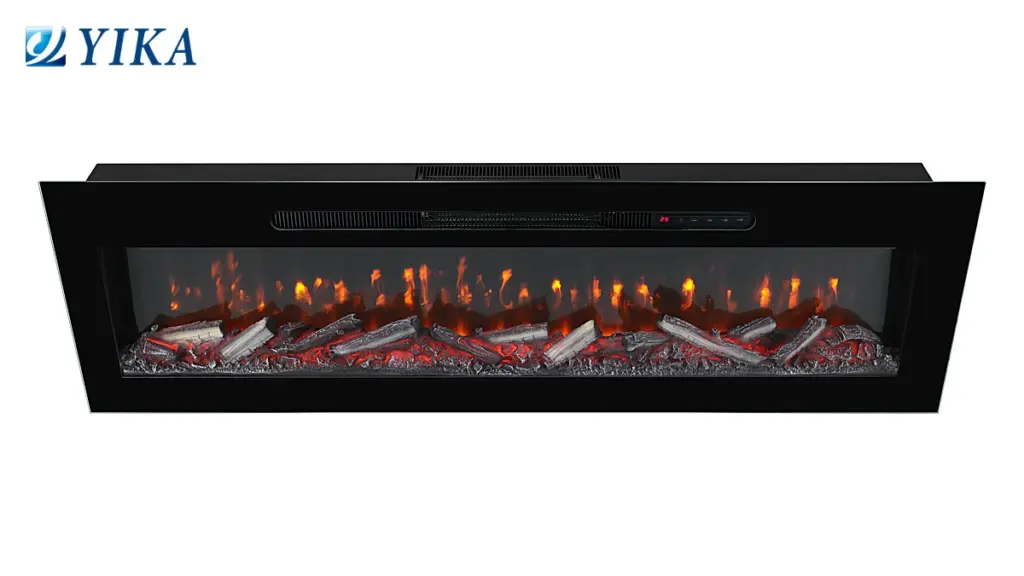
What Are the Main Types of Fireplace Inserts?
The three main types of fireplace inserts are electric, gas, and wood-burning models, each offering different heating methods, requisitos de instalación, y características de diseño.
Insertos para chimeneas eléctricas
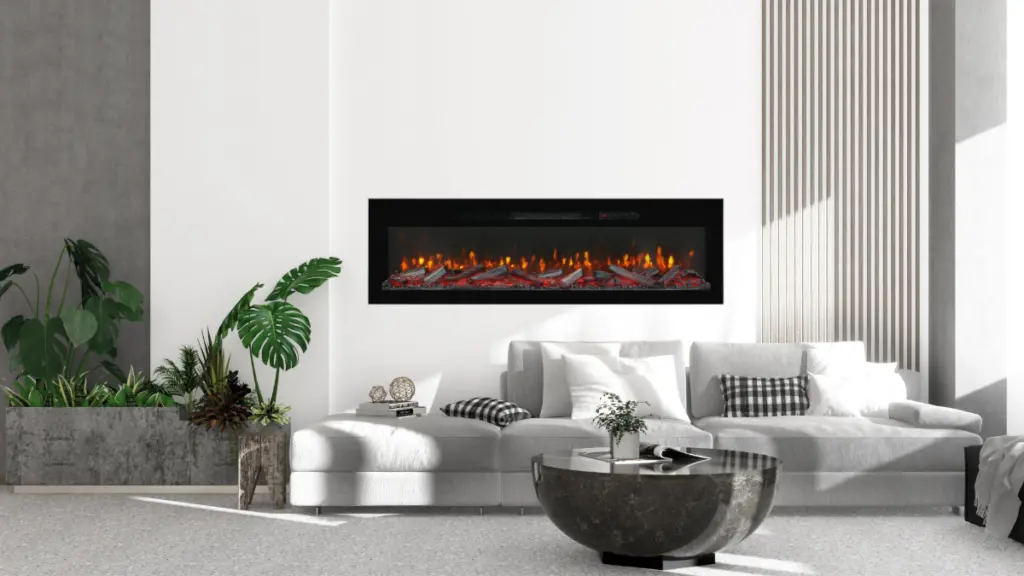
Electric fireplace inserts use electricity to generate heat and simulate realistic flames without burning fuel. They are commonly used in residential renovations, apartamentos, hoteles, and commercial interiors.
An electric insert combines a heating element, admirador, and LED flame-effect system. The heating element generates warmth, while the fan circulates heated air into the room. The flame display can often operate independently, allowing users to enjoy the visual effect without turning on the heater.
Electric inserts mainly provide supplemental heating rather than serving as the primary heat source for an entire home. Their heating capacity depends on wattage, tamaño de la habitación, and insulation. Features such as adjustable heat settings, control del termostato, customizable flame colors, and brightness levels vary by model. Some units also offer remote control, temporizadores, or Wi-Fi connectivity.
Installation Requirements and Ventilation
Electric inserts do not require gas lines, chimneys, or combustion vents. Antes de la instalación, buyers should check:
- Opening dimensions: Ensure the unit fits the existing fireplace opening.
- Electrical supply: Confirm voltage and circuit capacity meet product specifications.
- Clearance: Maintain sufficient space around the unit for heat dissipation.
- Installation method: Check whether the model supports recessed or built-in installation.
Although combustion ventilation is unnecessary, heating components still require adequate airflow.
Ventajas
- Instalación flexible: Suitable for spaces without existing chimneys or gas connections.
- Bajo mantenimiento: No firewood loading, ash removal, or chimney cleaning.
- Design flexibility: Disponible en diferentes tamaños, efectos de llama, and finishes.
- Convenient operation: Adjustable heating and flame settings simplify daily use.
Limitaciones
- Electricity dependent: Cannot operate during power outages.
- Limited heating capacity: Generally better suited to supplemental heating than whole-home heating.
Insertos para chimeneas de gas
Gas fireplace inserts use natural gas or propane to generate real flames and heat. They fit into existing fireplace openings and provide consistent heating without manually loading firewood. Compared with electric models, they offer a traditional flame appearance and potentially higher heat output.
A gas insert burns fuel through a burner assembly inside an enclosed firebox. Heat transfers into the room through radiant heating and convection. Natural gas comes from a utility line, while propane is stored in an external tank. Buyers should confirm fuel compatibility before purchasing.
Heating performance depends on BTU output, appliance efficiency, and room conditions. Common features include adjustable flame height, control del termostato, and remote operation, dependiendo del modelo.
Installation and Venting Requirements
Gas inserts generally require professional installation. Buyers should check:
- Venting type: Direct-vent models exhaust gases outdoors. Vent-free models have no external exhaust flue but are restricted in some regions.
- Fuel compatibility: Confirm support for natural gas or propane.
- Installation space: Check fireplace dimensions, clearances, and gas connections.
- Local regulations: Verify compliance with applicable gas safety and building codes.
Ventajas
- llamas reales: Create a traditional fireplace appearance.
- Strong heating performance: Some models heat larger living areas.
- Convenient operation: Ignition systems and remote controls simplify use.
- Less manual maintenance: No firewood loading or ash removal.
Limitaciones
- Fuel dependency: Requires a gas line or propane supply.
- Requisitos de instalación: Needs qualified professional installation.
- Mantenimiento regular: Gas connections and burners require periodic inspection.
- Combustion emissions: Produces exhaust gases and requires appropriate venting.
Insertos para chimeneas de leña
Wood-burning fireplace inserts use firewood to produce real flames and radiant heat. They fit into existing masonry fireplaces and replace open-fireplace operation with an enclosed firebox, helping control airflow and retain more heat indoors.
A typical insert includes a firebox, air control system, glass door, and flue connection. Users load firewood and adjust the air supply to regulate combustion. Some models use catalytic or non-catalytic combustion systems to improve efficiency and reduce emissions.
Heating performance depends on appliance design, firewood quality, y condiciones de funcionamiento. Seco, seasoned firewood generally burns more efficiently and produces less smoke than wet wood. Adjustable air intake also helps regulate burn intensity and fuel consumption.
Installation and Maintenance Requirements
Wood-burning inserts require a suitable chimney and flue system to exhaust smoke and combustion gases. Buyers should check:
- Chimney compatibility: Confirm the existing chimney structure and dimensions support the insert and flue liner.
- Clearance: Maintain required distances from surrounding combustible materials.
- Fuel storage: Store seasoned firewood in a dry, well-ventilated area.
- Routine maintenance: Remove ash, clean the glass, inspect door seals, and arrange regular chimney inspections to remove creosote buildup.
Professional installation is necessary to ensure proper venting and compliance with local safety codes.
Ventajas
- llamas reales: Provide a traditional wood-burning fireplace experience.
- Strong heating performance: Can deliver substantial heat for residential spaces.
- Fuel independence: Does not rely on electricity or a gas connection.
Limitaciones
- Manual operation: Requires regular firewood loading and ash removal.
- Storage requirements: Needs adequate space for seasoned firewood.
- Mantenimiento regular: Chimneys and flues require periodic cleaning and inspection.
- Emissions: Produces smoke and particulate matter during combustion.
How to Choose the Right Fireplace Insert
The right fireplace insert depends on the property’s existing installation conditions, requisitos de calefacción, and preferred fireplace design. Buyers should evaluate these factors before comparing specific models to ensure the unit fits the space, meets local installation requirements, and delivers the intended heating and visual effects.
Based on Existing Installation Conditions
The existing fireplace structure and available utilities determine which insert types are suitable for a property.
- Existing fireplace and chimney: Wood-burning inserts require a compatible fireplace opening and chimney system. Gas inserts also need suitable installation space and an approved venting configuration. Electric inserts generally offer more flexibility because they do not require a chimney.
- Gas line availability: Natural gas inserts require access to a gas supply line, while propane models need an appropriate tank and fuel connection. Properties without either option may be better suited to electric inserts.
- Electrical connections: Electric inserts need a suitable power supply. Buyers should check the unit’s voltage, potencia, tipo de enchufe, and electrical requirements before installation.
- Venting restrictions: Local building codes and property conditions may limit the use of certain venting systems. Gas and wood-burning inserts require particular attention to exhaust requirements, clearances, and applicable regulations.
Based on Heating Requirements
The required heating capacity depends on whether the fireplace insert will serve as a primary heat source or provide additional warmth.
- Primary vs. supplemental heating: Electric inserts are commonly used for supplemental heating and ambiance. Gas and wood-burning models can provide higher heat output, although their suitability for primary heating depends on the model, room layout, and building conditions.
- Room size and heat output: Compare the insert’s rated heating capacity with the area to be heated. An undersized unit may not provide sufficient warmth, while an oversized model may produce more heat than the space requires.
- Adjustable heating functions: Termostatos, ajustes de calor ajustables, and variable flame controls allow users to manage comfort and energy consumption. Available functions vary by model and insert type.
Based on Design and Aesthetic Preferences
A fireplace insert also affects the overall appearance of an interior. Its shape, viewing angle, and flame presentation should complement the surrounding space.
- Traditional vs. modern fireplace styles: Traditional designs often feature log sets and classic firebox finishes, while modern inserts may use clean lines, glass panels, and contemporary flame effects.
- Single-sided, corner, and multi-sided designs: Single-sided inserts suit standard fireplace openings. Corner and multi-sided models provide wider viewing angles and can serve as visual features in open-plan living spaces, depending on installation requirements.
- Real flames vs. simulated flames: Gas and wood-burning inserts produce real flames through combustion. Electric models use simulated flame effects, offering visual ambiance without burning fuel. Some electric models allow users to operate the flame display independently of the heating function.
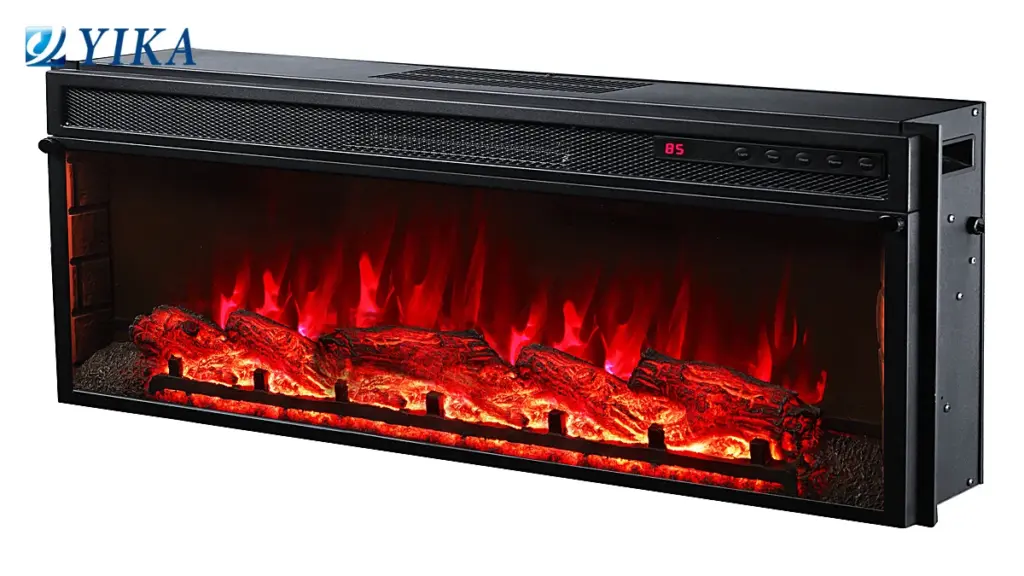
Fireplace Insert Safety and Installation Considerations
Proper installation helps ensure safe operation and compliance with local building and fire safety regulations. Buyers should consider the following requirements:
- Electrical and Fire Safety: Check electrical compatibility and maintain the required clearance between the insert and nearby combustible materials.
- Ventilation and Clearance Requirements: Gas inserts need approved venting or permitted vent-free installation. Wood-burning models require a suitable chimney and flue liner. Electric models need adequate airflow around heating components.
- Product Certifications and Compliance: Confirm that the insert meets the safety and certification requirements of the target market. Check relevant certificates and test reports before purchasing.
- Professional Installation Requirements: Gas and wood-burning inserts generally require professional installation. Hardwired electric models or installations involving electrical modifications should be handled by a qualified electrician.
Quizás te interese: Certificaciones de chimeneas eléctricas para importación
Pensamientos finales
Fireplace inserts offer different solutions for heating performance, installation flexibility, and interior design. Eléctrico, gas, and wood-burning fireplace inserts each have specific requirements for fuel supply, ventilación, y mantenimiento. For more information about electric fireplace designs, read Yika’s guide to wall-mounted vs. insert electric fireplaces.
For buyers looking for electric fireplace inserts, Redondo offers a range of models for residential and commercial interiors. Contact Yika’s team to discuss your product requirements and explore suitable solutions.
Preguntas frecuentes
What is a fireplace insert used for?
It converts an existing fireplace opening, or a built-in cavity, into an efficient closed heater. An open masonry hearth sends most of its heat up the chimney; the insert seals the firebox, controls the venting, and turns a decorative opening into a working heater for the room.
Do electric fireplace inserts need venting?
No. Electric inserts produce no combustion, so there is nothing to vent; power comes from a standard wall outlet. That is the type’s core advantage for retrofits, rentals, and markets where permits make gas, wood, or pellet installations impractical.
Which insert type heats best?
Combustion types, gas, wood, and pellet, deliver the highest heat output and the lowest running cost per unit of heat where their fuel infrastructure exists. The electric insert heats a room effectively as supplemental heat and wins everywhere else, because it needs no venting, installer, or permit in most markets.
Can I put an electric insert in a wood-burning fireplace?
Sí, and it is the most common electric-insert retrofit. Measure the opening’s width, altura, y profundidad, match them against the insert’s specification sheet, and cap or block the flue as the installation instructions specify to stop drafts from the chimney entering the room.
Are ventless gas inserts safe?
Certified ventless units are engineered to burn cleanly, but they exhaust into the room and are restricted or prohibited in several markets. Compliance is the first check for importers, market by market, before ventless units enter a program; direct-vent models avoid the question entirely.
How much does installation differ by insert type?
Electric inserts install by hand in minutes, with no trades involved. Gas inserts need a certified installer plus a venting route, wood inserts need a chimney liner and a certified installer, and pellet inserts need a certified installer plus a flue and a power connection. The installation gap is the largest single cost difference between the types.