يمكن أن يعمل الديزل بالأشعة تحت الحمراء والتدفئة الكهربائية بشكل مختلف تمامًا في الفضاء الصناعي, اعتمادا على تخطيط المبنى, فقدان الحرارة, ظروف التشغيل, والبنية التحتية للطاقة المتاحة. مدراء المرافق, مهندسي المصانع, ويحتاج موزعو MRO إلى التفكير في أكثر من مجرد مخرجات السخان عند المقارنة بين الاثنين. النظام الصحيح يمكن أن يقلل من هدر الطاقة, الحفاظ على بيئة عمل أكثر راحة, وتجنب تكاليف التثبيت أو الصيانة غير الضرورية.
يوفر هذا الدليل أساسًا عمليًا لمقارنة كلتا التقنيتين, مساعدتك على مطابقة أداء التدفئة ومتطلبات التشغيل لمنشأتك. ويوضح أيضًا متى يمكن أن يكون الجمع بين التدفئة بالديزل والتدفئة الكهربائية نهجًا عمليًا أكثر للمنشآت ذات مناطق التدفئة المختلفة.
كيف تعمل سخانات الديزل والكهرباء التي تعمل بالأشعة تحت الحمراء على توفير الحرارة
تولد سخانات الديزل والكهرباء التي تعمل بالأشعة تحت الحمراء الحرارة بطرق مختلفة, مما يؤثر على كيفية توزيع الدفء في جميع أنحاء الفضاء الصناعي. والفرق الرئيسي هو ما إذا كان النظام يسخن في المقام الأول الأسطح والناس مباشرة أو الهواء من حولهم.
الديزل بالأشعة تحت الحمراء: الحرارة المشعة المباشرة
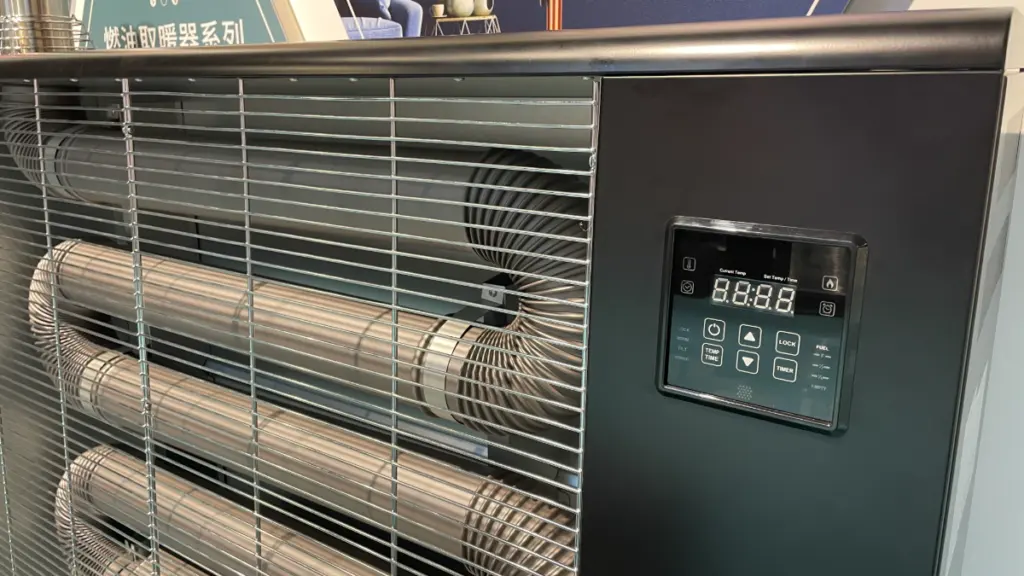
ان سخان الديزل بالأشعة تحت الحمراء يحرق الديزل لتسخين باعث السيراميك أو المعدن. يطلق الباعث الساخن طاقة الأشعة تحت الحمراء التي تنتقل مباشرة إلى الأرضيات, الآلات, معدات, والأشخاص داخل منطقة تغطيتها. تمتص هذه الأسطح الطاقة وتصبح أكثر دفئًا, بينما يتم تسخين الهواء المحيط بشكل غير مباشر.
وهذا يجعل الديزل بالأشعة تحت الحمراء مفيدًا بشكل خاص في المساحات الكبيرة حيث يتم استبدال الهواء باستمرار أو حيث يتطلب تسخين حجم الهواء بالكامل طاقة كبيرة.
قد تكون مهتما: كيف يعمل سخان الديزل بالأشعة تحت الحمراء?
كهربائي: تسخين الهواء أو التدفئة المشعة
تعمل السخانات الكهربائية على تحويل الطاقة الكهربائية إلى حرارة, لكن طريقة توصيل الحرارة تعتمد على تصميم السخان:
- سخانات الحمل الحراري قم بتسخين الهواء المحيط واستخدم حركة الهواء الطبيعية أو القسرية لتوزيع الدفء. وهي مناسبة بشكل عام للأماكن المغلقة حيث يمكن الاحتفاظ بالهواء الساخن.
- سخانات الأشعة تحت الحمراء الكهربائية تسخين باعث يشع الدفء مباشرة نحو الأشخاص والأسطح, باتباع مبدأ توزيع مماثل للديزل بالأشعة تحت الحمراء.
- سخانات المروحة قم بتسخين الهواء واستخدام المروحة لتوصيل الدفء بسرعة إلى منطقة معينة.
وبالتالي فإن التمييز الرئيسي ليس مجرد الديزل مقابل الكهرباء. تقوم أنظمة الأشعة تحت الحمراء بتوصيل الحرارة مباشرة إلى الأسطح والأشخاص, في حين أن الحمل الحراري والسخانات الكهربائية القائمة على المروحة تعمل في المقام الأول على تسخين الهواء وتحريكه. يصبح هذا الاختلاف مهمًا عند النظر في ارتفاع السقف, تهوية, العزل, أبواب مفتوحة, ومقدار المساحة التي تحتاج إلى تسخين.
حيث يكون التسخين بالديزل بالأشعة تحت الحمراء مناسبًا بشكل أفضل
سخانات الديزل بالأشعة تحت الحمراء مناسبة تمامًا للأماكن ذات فقدان الحرارة العالي, قدرة كهربائية محدودة, أو الحاجة إلى التدفئة السريعة والمستهدفة.
مواقع شبه مفتوحة وخارج الشبكة
مواقع البناء, خيام الحدث, المباني الزراعية, وغالبًا ما تكون الملاجئ المؤقتة ذات وصول كهربائي محدود وتبادل هواء مرتفع. يمكن لسخانات الديزل التي تعمل بالأشعة تحت الحمراء أن تعمل بالوقود ومصدر طاقة مناسب للإشعال والتحكم, في حين أن الحرارة المشعة يمكن أن توفر الدفء مباشرة للأشخاص وأسطح العمل. وهذا يجعلها خيارًا عمليًا للمساحات شبه المفتوحة أو المؤقتة حيث يصعب الحفاظ على الهواء الدافئ.
المستودعات ذات السقف العالي وخلجان التحميل
قد تؤدي الأسقف العالية وأبواب التحميل المفتوحة بشكل متكرر إلى صعوبة الحفاظ على درجة حرارة هواء ثابتة. سخانات الديزل الصناعية للمستودعات والمصانع يمكنها توجيه الحرارة المشعة نحو مناطق العمل على مستوى الأرضية بدلاً من الاعتماد فقط على تسخين حجم الهواء بالكامل. يعد ارتفاع التركيب الصحيح ووضع السخان أمرًا مهمًا لتوفير تغطية مناسبة عبر المناطق المشغولة.
تطبيقات حساسة للغبار والإحماء السريع
يمكن أن يوفر التسخين بالأشعة تحت الحمراء الدفء المستهدف دون الاعتماد كليًا على تسخين الهواء المحيط. يمكن أن يكون هذا مفيدًا في ورش العمل, مناطق التجمع, وغيرها من الأماكن التي يجب أن تكون حركة الهواء فيها محدودة. يمكن لسخانات الديزل أيضًا توفير مخرجات إشعاعية سريعة, مما يجعلها مناسبة عندما يحتاج العمال إلى الحرارة بعد وقت قصير من بدء تشغيل المنشأة الباردة.
اعثر على حل التدفئة المناسب لمنشأتك
حيث تناسب التدفئة الكهربائية بشكل أفضل
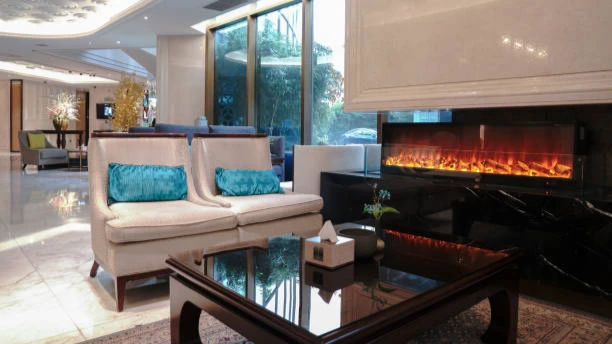
التدفئة الكهربائية مناسبة تمامًا للأماكن المغلقة حيث التحكم الثابت في درجة الحرارة, عملية بسيطة, والصيانة الروتينية المنخفضة مهمة. يمكن أن يكون خيارًا عمليًا عندما يكون لدى المنشأة بالفعل قدرة كهربائية كافية.
البيئات الصناعية والدقيقة المغلقة
سخانات كهربائية تعمل بشكل جيد في المرافق المغلقة والمعزولة حيث يمكن الاحتفاظ بالحرارة. يمكن لسخانات الحمل الحراري الحفاظ على درجة الحرارة المحيطة, بينما يمكن للسخانات الكهربائية التي تعمل بالأشعة تحت الحمراء توفير حرارة أكثر استهدافًا لمناطق العمل المشغولة. يمكن أن تعمل هذه الأنظمة أيضًا مع أدوات التحكم الحرارية عندما تكون هناك حاجة إلى إدارة مستقرة لدرجة الحرارة.
تجاري, بيع بالتجزئة, والمساحات المكتبية
التدفئة الكهربائية مناسبة أيضًا للمكاتب, مناطق البيع بالتجزئة, صالات العرض, وغيرها من الأماكن المشغولة حيث يعد التشغيل النظيف والضوضاء المنخفضة أمرًا مهمًا. مع عدم احتراق الوقود, لا تنتج هذه السخانات غازات احتراق أو روائح وقود. يمكن أيضًا دمج السخانات الكهربائية المثبتة على الحائط والأشعة تحت الحمراء في تصميمات داخلية مختلفة مع تركيب بسيط نسبيًا.
المرافق ذات القدرة الكهربائية الحالية
يمكن للبنية التحتية الكهربائية الحالية أن تجعل تركيب التدفئة الكهربائية أسهل, خاصة عندما يكون لدى المنشأة قدرة احتياطية كافية. ليست هناك حاجة لتخزين الوقود أو توصيل الوقود, بينما تكون الصيانة أبسط بشكل عام نظرًا لوجود عدد أقل من المكونات المرتبطة بالاحتراق. لا تزال تكلفة التثبيت النهائية تعتمد على مصدر الطاقة المتاح, حمل التدفئة, وأي ترقيات كهربائية مطلوبة.
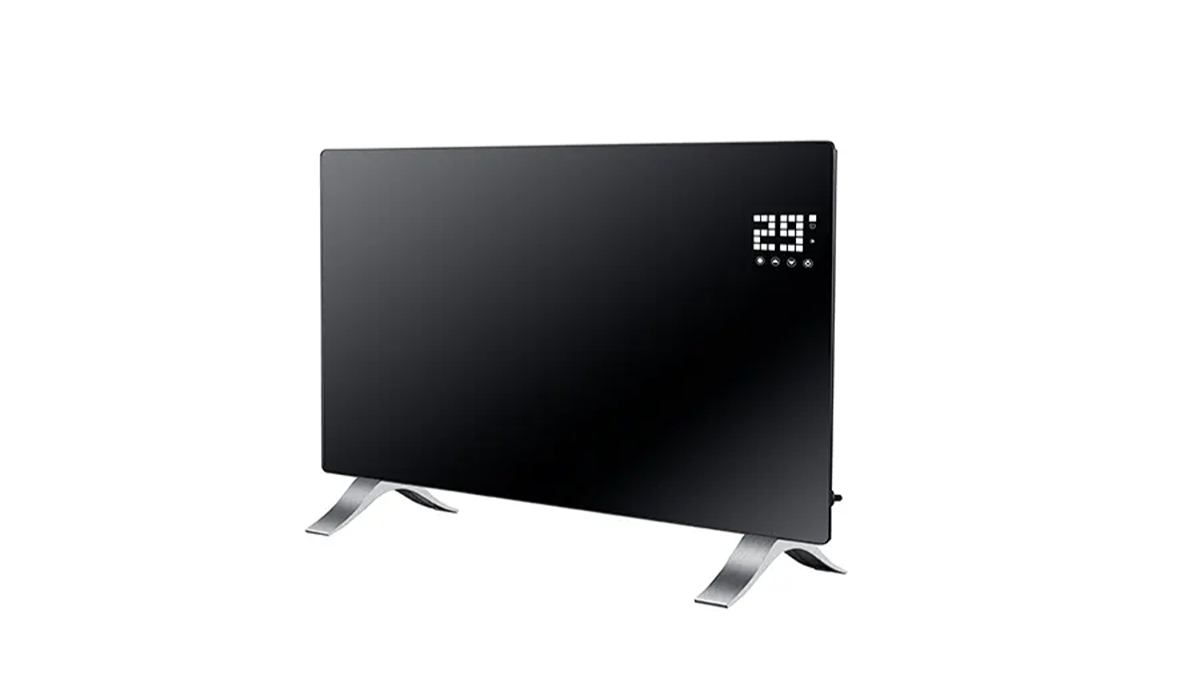
كيفية تحديد حجم سخانات الديزل والكهرباء بالأشعة تحت الحمراء
تعتمد سعة التسخين المطلوبة على تخطيط المساحة, فقدان الحرارة, ظروف التشغيل, وكيف سيتم استخدام نظام التدفئة.
| عامل التحجيم | الديزل بالأشعة تحت الحمراء | التدفئة الكهربائية |
|---|---|---|
| منطقة التدفئة | يركز على المناطق المشغولة أو مناطق العمل ضمن التغطية المشعة. | عادة ما تعتبر المنطقة المغلقة الكاملة التي تحتاج إلى تدفئة. |
| ارتفاع السقف | يؤثر على ارتفاع التركيب وانتشار التغطية الإشعاعية. | يمكن أن يزيد من حجم الهواء الذي يحتاج إلى تسخينه. |
| فقدان الحرارة | يشمل فقدان الحرارة من خلال الأبواب, أسطح, الجدران, والمناطق المكشوفة. | تتأثر بشدة بالعزل, تسرب الهواء, تهوية, ودرجة الحرارة الخارجية. |
| قدرة النظام | قد يستخدم عدة وحدات لتغطية مناطق العمل المنفصلة. | يجب أن يتناسب مع الحمل الحراري للمبنى والقدرة الكهربائية المتوفرة. |
تحجيم سخان الديزل بالأشعة تحت الحمراء
يتم تحديد حجم سخانات الديزل بالأشعة تحت الحمراء بشكل أساسي بواسطة المنطقة التي تتطلب تغطية مشعة, بدلا من إجمالي حجم الهواء. تخطيط المساحة مهم لأن الرفوف, الآلات, ويمكن أن تؤثر الأقسام على كيفية وصول الحرارة إلى منطقة العمل. يؤدي ارتفاع التركيب أيضًا إلى تغيير نطاق التغطية, لذلك قد تحتاج المرافق الأكبر حجمًا إلى عدة وحدات متمركزة في مناطق مختلفة.
يجب أيضًا تضمين فقدان الحرارة في الحساب. افتح الأبواب, الجدران المكشوفة, أسطح, ويمكن أن يؤدي تبادل الهواء المتكرر إلى زيادة قدرة التدفئة المطلوبة. وبالتالي فإن التكوين النهائي يعتمد على منطقة التغطية وظروف المساحة.
مقاسات السخان الكهربائي
يركز حجم السخان الكهربائي بشكل أكبر على الحمل الحراري الكلي من الفضاء. للحمل الحراري وسخانات المروحة, عوامل مثل حجم الهواء, العزل, تهوية, درجات الحرارة الداخلية والخارجية, وساعات العمل تؤثر على المخرجات المطلوبة. يمكن لسخانات الأشعة تحت الحمراء الكهربائية استهداف المناطق المحتلة, لكن تغطيتها وموقع التركيب لا يزالان بحاجة إلى التوافق مع منطقة العمل.
يعد الإمداد الكهربائي المتاح عاملاً رئيسياً آخر. قد تتطلب التركيبات الكبيرة دوائر مخصصة, موازنة التحميل, أو قوة ثلاثية الطور, لذلك يجب فحص القدرة الكهربائية للمبنى قبل ضبط التكوين النهائي للسخان.
مثال عملي
أ 500 قد يحتاج المستودع المتر المربع الذي يبلغ سقفه 5 أمتار إلى تكوينات مختلفة اعتمادًا على كيفية استخدام المساحة. إذا كان العمال يشغلون بشكل رئيسي مناطق التعبئة والتحميل, يمكن وضع سخانات الديزل بالأشعة تحت الحمراء حول هذه المناطق. يحتاج النظام الكهربائي إلى مراعاة الحجم المغلق, فقدان الحرارة الكلي, والقدرة الكهربائية المتوفرة.
هذا يعنى مساحة الأرضية وحدها لا تكفي لحجم السخان. منطقة التدفئة, ظروف البناء, ويجب أخذ الطاقة المتاحة في الاعتبار عند تحديد العدد المطلوب ومخرج الوحدات.
الوقود مقابل الكهرباء: 5-السنة التكلفة الإجمالية للملكية
تكلفة الخمس سنوات لنظام التدفئة الصناعية تأتي من أكثر من مجرد استهلاك الطاقة. سخانات الديزل والكهرباء لها هياكل تكلفة مختلفة, ويرجع ذلك أساسا إلى الوقود, كهرباء, صيانة, ومتطلبات التثبيت.
| عامل التكلفة | سخان الديزل بالأشعة تحت الحمراء | سخان كهربائي |
|---|---|---|
| طاقة | تكلفة وقود الديزل; قد يكون اقتصاديًا بالنسبة للطلب المرتفع على التدفئة اعتمادًا على أسعار الوقود المحلية | تكلفة الكهرباء; يعتمد على الأسعار المحلية وحمل التدفئة |
| صيانة | الموقد العادي, فلتر الوقود, اشتعال, وخدمة نظام الاحتراق | بشكل عام، عدد أقل من المكونات الميكانيكية وصيانة روتينية أقل |
| تثبيت | قد يتطلب تخزين الوقود, خطوط الوقود, تهوية, وتدابير السلامة عند الاحتراق | قد يتطلب دوائر مخصصة أو ترقيات القدرة الكهربائية |
| بنية تحتية | يتطلب تخزين الوقود وترتيبات التسليم | يمكن للقدرة الكهربائية الحالية أن تقلل من تكاليف البنية التحتية الإضافية |
الفرق الرئيسي في التكلفة يأتي من الطاقة والبنية التحتية. قد يكون للديزل ميزة تكلفة التشغيل عندما يكون الطلب على التدفئة مرتفعًا وتكون البنية التحتية للوقود متاحة, في حين أن التدفئة الكهربائية يمكن أن تقلل من تعقيد الصيانة والتركيب حيث توجد بالفعل قدرة كهربائية كافية. وبالتالي، يجب أن تقارن التكلفة الإجمالية للملكية لمدة خمس سنوات جميع التكاليف الرئيسية الأربعة بدلاً من سعر الطاقة وحده.
تهوية, أمان, ومتطلبات الشهادة
سخانات الديزل والكهرباء لها متطلبات تركيب وسلامة مختلفة. تعتمد المتطلبات المحددة على نوع السخان, بيئة التثبيت, واللوائح المحلية.
متطلبات سخان الديزل
تستخدم سخانات الديزل بالأشعة تحت الحمراء احتراق الوقود, لذلك يجب مراعاة سلامة التهوية والاحتراق, خاصة للتطبيقات الداخلية. قد تغطي المتطلبات تخزين الوقود, إدارة العادم, الحماية الكهربائية, وشهادة المنتج. مبنى محلي, نار, ويجب التحقق من اللوائح البيئية قبل التثبيت.
متطلبات السخان الكهربائي
السخانات الكهربائية لا تنتج غازات الاحتراق, لذلك فهي لا تحتاج إلى تهوية الاحتراق أو تخزين الوقود. تتعلق متطلباتهم الرئيسية بالسلامة الكهربائية, بما في ذلك التأريض, حماية الدائرة, الأسلاك, ومعايير المنتج المعمول بها.
تعتمد الشهادة المطلوبة على السوق المستهدف ونوع السخان. تتضمن مجموعة منتجات التدفئة من YIKA شهادات مثل CE, UKCA, ع, سي بي, طقس, PSE, كانساس, ووكالة الفضاء الكندية, مع الاختبارات والتدقيقات المدعومة من قبل مؤسسات خارجية بما في ذلك SGS وTUV.
النهج الهجين: الديزل للذروة, الكهربائية لخط الأساس
بعض المنشآت الصناعية لديها احتياجات تدفئة مختلفة عبر مناطق مختلفة. يمكن للنظام الهجين استخدام الديزل للمناطق ذات الخسارة العالية أو شبه المفتوحة والتدفئة الكهربائية للمناطق المغلقة التي تحتاج إلى تحكم ثابت في درجة الحرارة.
على سبيل المثال, أ 2,000 يمكن استخدام مركز توزيع م² مع ثلاثة أرصفة تحميل:
- الديزل بالأشعة تحت الحمراء: يغطي مناطق التحميل ويوفر إحماء سريع قبل المناوبات.
- التدفئة الكهربائية: يحافظ على درجة الحرارة في المكاتب المغلقة, مناطق التعبئة, والميزانين.
- نظام مشترك: مطابقة كل تقنية تدفئة مع ظروف منطقتها بدلاً من استخدام نظام واحد في جميع أنحاء المنشأة.
يمكن لهذا النهج أيضًا تبسيط عملية تحديد المصادر عندما يقوم أحد الموردين بتوفير كلتا التقنيتين. تقدم YIKA الديزل بالأشعة تحت الحمراء, الحمل الحراري, الكهربائية بالأشعة تحت الحمراء, وسخانات المروحة, مما يسمح بتحديد حلول التدفئة المختلفة داخل نفس المشروع.
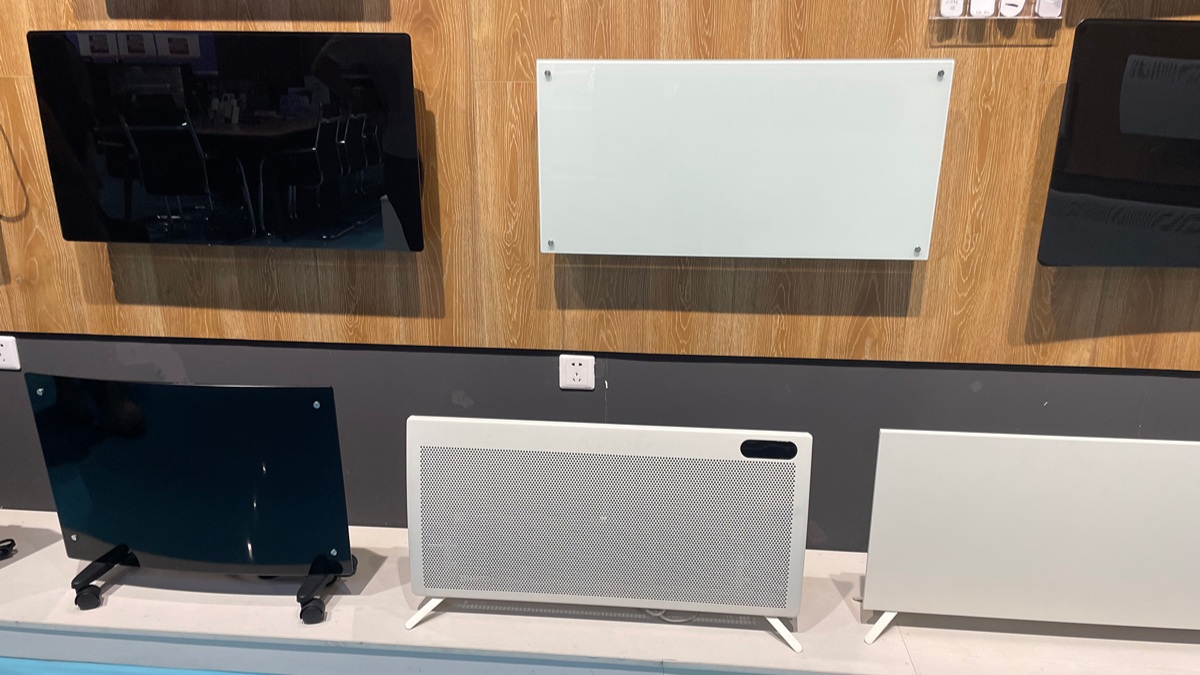
اختيار المورد المناسب لتكنولوجيا التدفئة
يتطلب مشروع التدفئة متعدد التقنيات أكثر من جودة المنتج الفردي. يجب أن يكون لدى المورد أيضًا الإنتاج, شهادة, وقدرات التخصيص لدعم متطلبات التدفئة المختلفة.
- نطاق التكنولوجيا: هل يمكن للمورد إنتاج سخانات الديزل والكهرباء, بما في ذلك أنواع التدفئة المختلفة لمناطق مختلفة?
- شهادة: هل الشهادات المطلوبة متاحة للنماذج المحددة والأسواق المستهدفة؟?
- القدرة على تصنيع المعدات الأصلية/تصنيع التصميم الشخصي: يمكن للمورد تخصيص تصميم المنتج, الضوابط, التغليف, ووضع العلامات عبر كلا خطي الإنتاج?
- القدرة الإنتاجية: هل يمتلك المصنع القدرة الكافية ومراقبة الجودة لدعم حجم طلبك المتوقع؟?
- تجربة التصدير: هل يمكن للمورد التعامل مع الوثائق, التغليف, ومتطلبات الشهادات للسوق المستهدف?
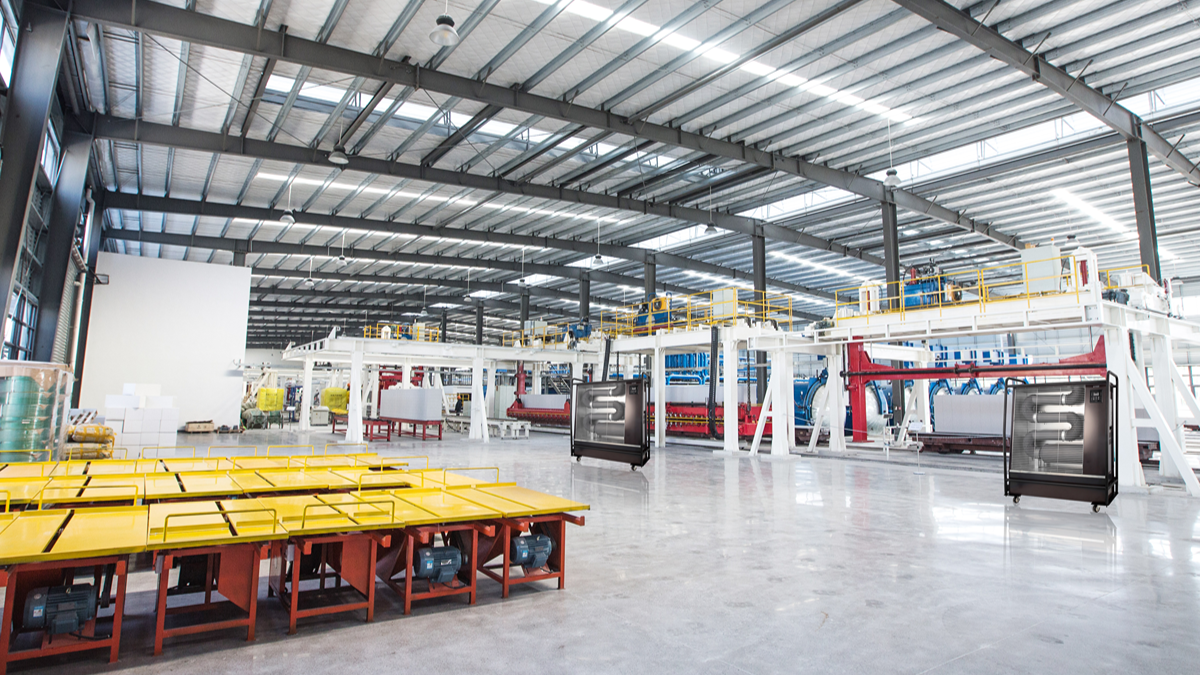
إضافة 20,000 ㎡ مصنع في تشونغشان ينتج الديزل بالأشعة تحت الحمراء, الحمل الحراري, الكهربائية بالأشعة تحت الحمراء, وسخانات المروحة عبر ثلاثة خطوط تجميع. مع قدرات OEM/ODM والشهادات التي تغطي العديد من الأسواق الدولية, يمكن لـ YIKA دعم المشاريع التي تتطلب الديزل, كهربائي, أو حلول التدفئة مجتمعة من مورد واحد.
الأفكار النهائية
تخدم سخانات الديزل والكهرباء التي تعمل بالأشعة تحت الحمراء متطلبات التدفئة المختلفة في الأماكن الصناعية. يمكن أن يتناسب تسخين الديزل مع الخسارة العالية, المناطق شبه المفتوحة التي تحتاج إلى حرارة مشعة قوية وإحماء سريع, في حين أن التدفئة الكهربائية يمكن أن تعمل بشكل جيد في الأماكن المغلقة مع القدرة الكهربائية الحالية ومتطلبات درجة الحرارة الأكثر استقرارا. للمرافق ذات مناطق التدفئة المختلفة, ومن الممكن أن يوفر الجمع بين التقنيتين قدرًا أكبر من المرونة.
الحل الأفضل يعتمد على المساحة, ظروف التشغيل, تكاليف الطاقة, والبنية التحتية المتاحة. دائري يوفر الديزل بالأشعة تحت الحمراء, الحمل الحراري, الكهربائية بالأشعة تحت الحمراء, وسخانات المروحة, دعم مشاريع تصنيع المعدات الأصلية/تصنيع التصميم الشخصي مع متطلبات التدفئة المختلفة.
الأسئلة المتداولة
هل سخانات الديزل بالأشعة تحت الحمراء أرخص في التشغيل من السخانات الكهربائية؟?
ذلك يعتمد على أسعار الطاقة المحلية والطلب على التدفئة. يمكن أن يكون الديزل بالأشعة تحت الحمراء اقتصاديًا في المساحات ذات الخسارة العالية أو شبه المفتوحة, في حين أن التدفئة الكهربائية قد تتطلب صيانة أقل وتركيبًا أبسط. وينبغي أن تشمل المقارنة لمدة خمس سنوات الطاقة, صيانة, تثبيت, وتكاليف البنية التحتية.
أيهما أفضل لمستودع كبير؟: الديزل أو الكهرباء?
يعتمد الخيار المناسب على ظروف المستودع. يمكن أن يتناسب الديزل الذي يعمل بالأشعة تحت الحمراء مع الأسقف العالية أو المناطق المفتوحة بشكل متكرر, بينما يمكن أن تعمل التدفئة الكهربائية بشكل جيد في الأماكن المغلقة ذات القدرة الكهربائية الكافية. يمكن للنظام الهجين أيضًا أن يخدم مناطق تسخين مختلفة باستخدام كلتا التقنيتين.
هل يمكنني استخدام مدفأة الديزل داخل المنزل بأمان؟?
الاستخدام الداخلي يعتمد على تصميم السخان, شهادة, شروط التثبيت, واللوائح المحلية. لأن سخانات الديزل تستخدم احتراق الوقود, مطلوب التهوية الكافية وسلامة الاحتراق. استخدم دائمًا سخانًا معتمدًا للسوق المقصود واتبع تعليمات التثبيت الخاصة بالشركة المصنعة.
ما هي متطلبات التهوية لسخانات الديزل؟?
تعتمد المتطلبات على نوع السخان, انتاج الحرارة, بيئة التثبيت, واللوائح المحلية. تحتاج سخانات حرق الوقود إلى إمدادات كافية من الهواء وترتيبات الاحتراق والعادم المناسبة. تحقق من دليل التثبيت الخاص بالشركة المصنعة والمبنى المحلي, نار, ومتطلبات السلامة قبل التثبيت.
كيف أحسب تكلفة التدفئة لمدة 5 سنوات لمصنع ما؟?
قارن الحمل الحراري المطلوب, ساعات التشغيل السنوية, أسعار الطاقة المحلية, وكفاءة النظام. ثم أضف الشراء, تثبيت, صيانة, وتكاليف البنية التحتية على مدى خمس سنوات. وهذا يعطي تكلفة إجمالية للملكية أكثر اكتمالاً من مقارنة أسعار الديزل أو الكهرباء وحدها.
هل يمكن استخدام سخانات الديزل والكهرباء معًا?
نعم. يمكن للنظام الهجين استخدام سخانات الديزل بالأشعة تحت الحمراء في المناطق ذات الفقد العالي أو شبه المفتوحة والسخانات الكهربائية في الأماكن المغلقة. وهذا يسمح لكل تقنية بخدمة المناطق التي تكون فيها طريقة التسخين ومتطلبات التثبيت أكثر ملاءمة.