ข้ามไปที่เนื้อหา

Step onto a restaurant patio eight minutes after the infrared heaters switch on and you feel warmth on your skin, not in the air. That is the category’s whole trick: infrared heaters warm people and surfaces directly instead of heating the air between, and the element inside the unit decides everything a buyer cares about, warm-up speed, the glow it emits, how long it lasts, and what it costs.
Four element types dominate the market: quartz, carbon fiber, ฮาโลเจน, and flat infrared panels. This guide compares them in one table, then walks each type through how it works, its key features, and where it fits, and closes with a selection framework for importers building an infrared line-up and project buyers specifying one.
Quartz vs Carbon vs Halogen vs Panel: ความแตกต่างที่สำคัญ
All four types emit infrared radiation, but they differ in their emission wavelengths, heating response, visible light output, and element construction. These differences affect how quickly they deliver heat, how the warmth is distributed, and how long the heating element lasts. The table below compares their main characteristics, including typical warm-up times, visible light output, element life, and common applications.
| พิมพ์ | Wavelength band | Warm-up and glow | Element life (indicative rating) | Best fit |
|---|---|---|---|---|
| หลอดควอทซ์ | Depends on element design and operating temperature | Fast warm-up; visible orange glow | Varies by model; check manufacturer ratings | Outdoor and indoor spot heating |
| Carbon Fiber | Typically medium-wave | Fast warm-up; soft red glow with relatively low glare | Around 10,000 hours on some models | Outdoor comfort heating and extended use |
| Halogen | Typically short-wave | Near-instant heat; bright white-gold light | Varies by model; check manufacturer ratings | Instant spot heating and patio use |
| Infrared Panel | Long-wave (far infrared) | Gradual warm-up; no visible glow | Can reach tens of thousands of hours, depending on construction | Indoor background heating |
These categories are not always defined by completely separate technologies. ตัวอย่างเช่น, some halogen heating elements use quartz glass tubes as their enclosure. The distinction in this comparison is based on the heating element and product design rather than the tube material alone. Actual wavelength output, warm-up time, and service life vary by model, so buyers should compare manufacturer specifications when evaluating individual products.
Build Your Infrared Line-Up on Spec
Quartz Infrared Heaters
Quartz infrared heaters are a common choice for fast, direct heating, especially in outdoor and semi-outdoor spaces where conventional heating struggles to keep people warm.
How Quartz Infrared Heaters Work
A quartz infrared heater uses a resistive heating element inside a quartz glass tube. When electricity passes through the element, it heats up within seconds and produces infrared radiation. The quartz tube allows this radiation to pass through and reach nearby people and surfaces directly.
ต่างจากเครื่องทำความร้อนแบบพาความร้อน, quartz units do not need to warm the surrounding air first. แทน, they transfer heat through radiation, warming objects and people within the heater’s coverage area. This makes them useful in open spaces where moving air can quickly carry away heat from conventional heaters.
The heating effect is also directional. People standing in front of the unit receive direct warmth, while those outside the radiation path may feel much less heat. ส่งผลให้, installation position and mounting height play an important role in how effectively a quartz heater warms a specific area.
Key Features of Quartz Heaters
Fast response and strong radiant output are the main reasons buyers choose quartz models. They provide noticeable warmth shortly after switching on, making them suitable for locations where heating needs change throughout the day.
Quartz heaters offer several practical advantages for residential and commercial buyers:
- Fast heating: The element reaches operating temperature within seconds, allowing users to feel warmth almost immediately.
- Direct heat output: Focused radiation works well for seating areas, เวิร์กสเตชัน, and other locations where people stay within a defined heating range.
- Accessible price: Quartz heating elements generally cost less than carbon fiber alternatives, making these units suitable for entry-level and mid-range product lines.
- Replaceable elements: Many models allow users to replace the quartz tube without changing the entire heater, although this depends on the product design.
- การติดตั้งที่ยืดหยุ่น: อิสระ, ติดผนัง, and ceiling-mounted models give buyers more options for different spaces. Outdoor versions also use weather-resistant housings to protect internal components.
Durability and maintenance deserve attention as well. Quartz glass can crack under impact or strong vibration, so protective packaging matters during storage and transport. Some heating tubes carry a rated life of around 5,000 ชั่วโมง, but buyers should confirm the actual rating and replacement part availability for each model.
Where Are Quartz Infrared Heaters Used?
Quartz infrared heaters work well in open or semi-open spaces where users need direct warmth in a specific area. Their fast response makes them practical for both commercial facilities and outdoor seating areas.
Restaurants often install them above terraces and outdoor dining spaces, where guests need warmth without heating the entire open area. Loading bays and workshops are another suitable application. Workers can receive direct heat at fixed stations even when large doors remain open.
In garages and high-ceiling rooms, quartz heaters can warm occupied areas without requiring the heating system to raise the temperature of a large volume of air. Covered patios and balconies also benefit from wall-mounted or ceiling-mounted units, which provide localized warmth while keeping floor space available.
สำหรับผู้นำเข้าและจัดจำหน่าย, quartz models offer a practical starting point for an outdoor heating range. Their fast response, accessible component cost, and flexible installation options appeal to customers who prioritize immediate warmth and straightforward operation.
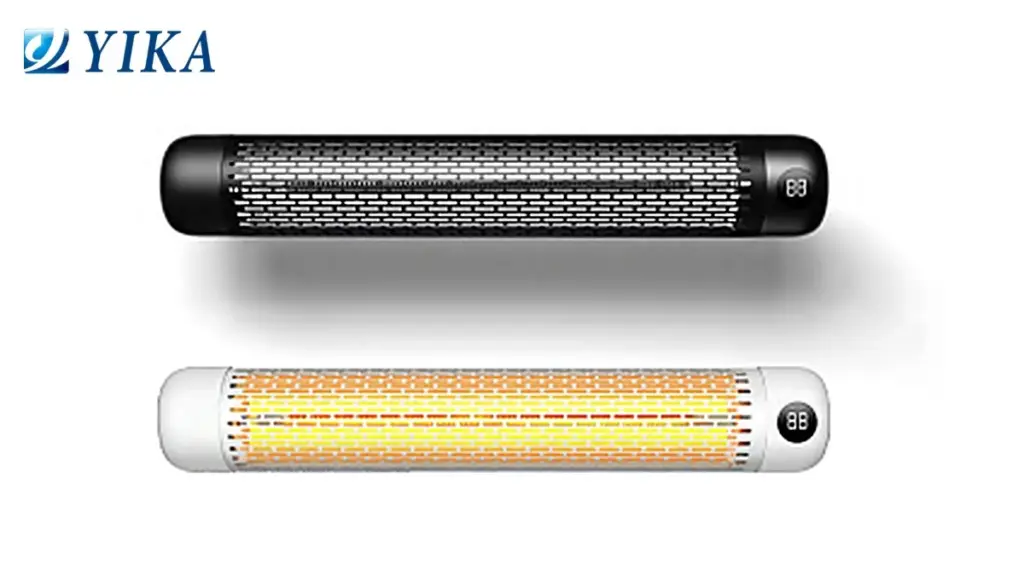
Carbon Infrared Heaters
Carbon infrared heaters combine fast heat delivery with relatively low visible glare, making them suitable for commercial spaces where people need warmth over longer periods.
How Carbon Infrared Heaters Work
A carbon infrared heater passes electric current through a carbon fiber heating element, usually made from carbon filaments housed inside a protective tube. As the element heats up, it emits infrared radiation that transfers heat directly to nearby people and objects.
Many carbon fiber heaters produce medium-wave infrared radiation, although the actual wavelength depends on the element’s design and operating temperature. Compared with bright short-wave heating lamps, carbon models often produce a softer red glow. They also reach operating temperature quickly, allowing users to feel warmth shortly after switching on the unit.
The heating effect depends on the heater’s position and coverage area. When installed above a dining table or seating area, a carbon heater can direct warmth toward people without relying on the surrounding air to retain heat. This makes the technology useful in covered outdoor spaces where customers remain in one place for extended periods.
Key Features of Carbon Heaters
Carbon fiber elements offer a different balance of service life, เอาต์พุตแสง, and heating comfort from traditional quartz and halogen models. These characteristics make them attractive to commercial buyers who expect heaters to operate regularly throughout the day or evening.
Several features influence their suitability for different applications:
- Longer element life: Some carbon fiber models carry a rated element life of around 10,000 ชั่วโมง. This can reduce replacement frequency compared with models rated at approximately 5,000 ชั่วโมง, although actual service life depends on product design and operating conditions.
- Low visible glare: Carbon elements typically produce a softer red glow than bright halogen lamps. This helps create a more comfortable visual environment in restaurants, โรงแรม, and other customer-facing spaces.
- Quick heat delivery: Carbon heaters provide radiant warmth within seconds, making them suitable for locations where users need heat without a long warm-up period.
- Higher product cost: Carbon fiber elements generally cost more than basic quartz alternatives. Manufacturers often position these models in the mid-range and premium segments, where buyers may place greater value on element life and visual comfort.
For commercial operators, the longer rated element life can help reduce maintenance frequency, particularly in restaurants and hotels that run heaters for several hours each day. อย่างไรก็ตาม, total operating costs also depend on replacement part availability, labor, and the expected usage schedule. Importers should compare these factors rather than judging a product by its initial purchase price alone.
Where Are Carbon Infrared Heaters Used?
Carbon infrared heaters are a good fit for spaces where people stay close to the heating unit for extended periods. Their relatively low glare and quick radiant heat make them useful in hospitality settings, covered outdoor areas, and selected indoor applications.
Hotel and restaurant terraces are common locations. Guests can enjoy direct warmth while dining, and the softer glow creates less visual distraction than brighter heating lamps. Covered patios and balconies are also suitable, especially when users want a heater that can operate throughout an evening without producing strong visible light.
In bathrooms and dressing rooms, wall-mounted carbon heaters can provide quick warmth during colder mornings or evenings. Commercial waiting areas may also benefit from their lower glare, particularly when customers sit or stand near the heater for extended periods. For these applications, buyers should check the product’s electrical protection rating and confirm that its installation suits the intended environment.
Carbon technology also gives manufacturers options beyond traditional tube heaters. Some product ranges include carbon-based infrared panels designed for fixed indoor installations. Yika’s carbon fiber electric infrared heater provides a reference for this product category, while crystal carbon infrared panels offer additional possibilities for OEM and ODM projects targeting European brands.
สำหรับผู้นำเข้า, carbon infrared heaters can complement quartz models in a product range. Quartz units address demand for accessible, fast outdoor heating, while carbon models offer an alternative for buyers who prioritize lower glare, longer rated element life, and extended daily operation.
Halogen Infrared Heaters
Halogen infrared heaters offer fast heat and bright light, making them suitable for buyers who need quick warmth at an accessible price.
How Halogen Infrared Heaters Work
A halogen infrared heater uses a tungsten filament inside a sealed tube filled with halogen gas. When electricity passes through the filament, it heats up almost immediately and produces infrared radiation. Halogen heaters mainly emit short-wave infrared, which delivers heat to people and nearby surfaces with very little waiting time.
The tube also gives off a strong yellow-white glow. This visible light is a clear difference from carbon and panel heaters, and it affects where people feel comfortable using the product. ตัวอย่างเช่น, the bright glow may work well in an outdoor dining area, but it may feel too strong in a bedroom or another space where soft lighting matters.
Key Features of Halogen Heaters
Fast response and affordable pricing are the main reasons buyers choose halogen heaters. They work well when users need heat for short periods or want to warm a specific area without waiting for the whole space to heat up.
Their main features include:
- Fast heat output: The element reaches working temperature quickly, so users feel warmth soon after switching the heater on.
- Bright visible light: The warm glow can provide extra light outdoors, but it may cause glare when people sit too close or face the heater directly.
- Accessible price: Halogen models often cost less than some carbon or panel heaters, which makes them suitable for entry-level product ranges.
- Portable designs: Their lightweight structure supports freestanding patio heaters and umbrella-mounted models.
Halogen tubes often have a rated life of around 5,000 ชั่วโมง, although the actual rating depends on the product. Frequent switching, physical impact, and poor handling can also affect service life. Importers should therefore check replacement tube availability and product warranty terms before choosing a model for regular commercial use.
Where Are Halogen Heaters Used?
Halogen heaters are common in outdoor patios, restaurant terraces, ห้องน้ำ, และพื้นที่เชิงพาณิชย์ขนาดเล็ก. Their quick heat output suits places where people need warmth for a short time rather than continuous room heating.
สำหรับผู้นำเข้า, halogen heaters can fill the entry-level part of a patio heater range. Their familiar appearance, ใช้งานง่าย, and accessible price make them easy to present to retail buyers. อย่างไรก็ตาม, product selection should also consider the expected use time, ตำแหน่งการติดตั้ง, and level of visible light. A model that works well in an open patio may not suit a small indoor room where users sit close to the heater.
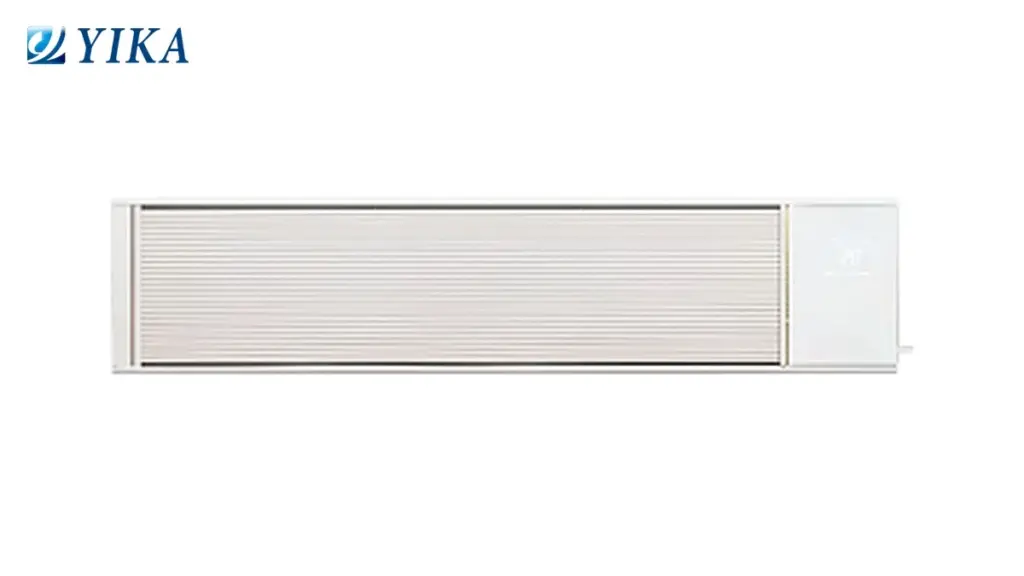
Infrared Panel Heaters
Infrared panel heaters focus on steady indoor warmth, with a flat design that fits spaces where noise and visible light are not wanted.
How Infrared Panel Heaters Work
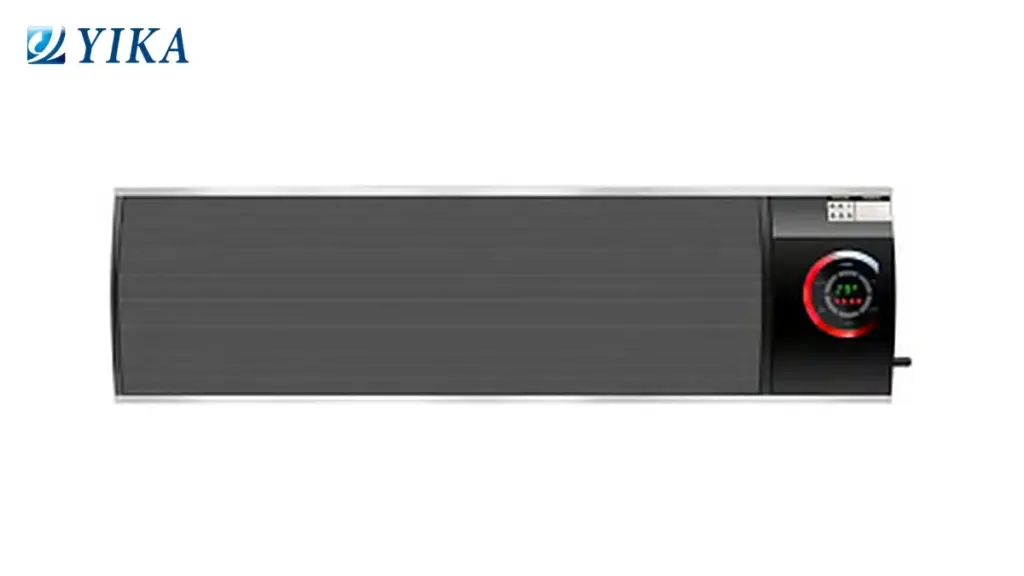
An infrared panel heater uses a flat heating layer inside a panel. When electricity passes through this layer, the panel surface heats up and emits long-wave infrared radiation. The radiation warms people and nearby surfaces, such as walls, ชั้น, และเฟอร์นิเจอร์. These surfaces then release heat into the room, helping maintain a comfortable indoor temperature.
Unlike tube heaters, infrared panels do not produce a bright glow. Most models also work without a fan or moving parts, so they run quietly. อย่างไรก็ตาม, they do not provide the same instant, focused warmth as short-wave heaters. The panel needs time to warm up, and users may need several minutes of continuous operation before they feel comfortable.
Key Features of Panel Heaters
The main advantages of infrared panel heaters are quiet operation, a clean appearance, and suitability for regular indoor use. Their flat shape allows users to mount them on walls or ceilings, keeping floor space free and making them easier to fit into different room layouts.
Several features make them different from other infrared heater types:
- No visible glow: Panels produce heat without the bright light associated with halogen and some quartz heaters.
- การทำงานเงียบ: Most models have no fan, so they do not create the airflow noise found in fan heaters.
- Flexible temperature control: Many panels work with thermostats and timers, allowing users to set heating periods and room temperatures.
- Long service life: Some models have rated service lives of tens of thousands of hours. Actual performance depends on the heating layer, panel design, และสภาพการทำงาน.
อย่างไรก็ตาม, panel heaters also have practical limits. They take longer to provide noticeable warmth, and their fixed position means users cannot easily move them between rooms. Buyers should check the panel’s heating capacity, recommended room size, mounting method, and electrical requirements before installation. The panel also needs a suitable wall or ceiling area and a safe power connection.
Where Are Infrared Panel Heaters Used?
Infrared panel heaters suit bedrooms, ห้องนั่งเล่น, hotel rooms, สำนักงาน, and classrooms. Their quiet operation and lack of visible light make them a good fit for spaces where people work, rest, or spend long periods indoors.
They can also provide heating in selected areas of warehouses and workshops. Ceiling-mounted panels can direct heat toward workstations or other occupied zones instead of relying only on heating the entire air volume. อย่างไรก็ตาม, buyers need to plan panel position and coverage carefully to avoid cold areas.
สำหรับผู้นำเข้า, panels serve the indoor heating market, where buyers often compare appearance, control options, ความต้องการในการติดตั้ง, and long-term use. They can support a premium product range, especially when the design fits modern interiors and offers clear details about heating capacity and installation.
How to Choose the Right Infrared Heater
The right infrared heater depends on the space, ความต้องการเครื่องทำความร้อน, เงื่อนไขการติดตั้ง, and expected operating hours.
Choose Based on the Heating Environment
For outdoor areas such as restaurant terraces and patios, short-wave heaters provide quick, direct warmth. Quartz models balance heating performance and cost, while halogen heaters suit buyers with tighter budgets. อย่างไรก็ตาม, their bright glow may cause glare in some seating areas.
For commercial spaces that need several hours of daily heating, carbon infrared heaters are worth considering. Their lower visible glare suits hotel terraces and restaurant seating areas. Some models also offer longer rated element life, but buyers should compare service life and replacement costs across specific products.
For enclosed spaces such as bedrooms, สำนักงาน, and hotel rooms, infrared panels offer quiet operation without visible light. They work well for regular background heating but take longer to provide noticeable warmth. Thermostats and timers can help control room temperature and operating hours.
Some projects may need different heater types for different areas. ตัวอย่างเช่น, hotels can use carbon heaters outdoors and panels in guest rooms to match each space’s heating needs.
Check Installation and Operating Requirements
Before choosing a model, พิจารณา:
- ตัวเลือกการติดตั้ง: Check whether the unit supports wall, เพดาน, อิสระ, or umbrella installation.
- ครอบคลุมความร้อน: Compare output power, recommended heating area, and mounting height.
- Weather protection: Check the IP rating and housing design for outdoor use.
- การซ่อมบำรุง: Confirm rated element life, replacement part availability, and warranty terms.
Review Supplier and Product Specifications
ก่อนทำการสั่งซื้อจำนวนมาก, ask suppliers for details on wavelength range, power options, element life, ระดับ IP, and replacement parts. Compare products under similar testing conditions rather than relying on specifications alone.
Also confirm which components the manufacturer produces in-house and how it controls product quality. Sample testing, production inspection, and clear warranty terms help buyers assess whether a supplier can maintain consistent quality across repeat orders.
ความคิดสุดท้าย
Quartz, ฮาโลเจน, carbon, and panel infrared heaters serve different heating needs. Quartz and halogen models provide fast, direct warmth for outdoor areas and spot heating, while carbon heaters offer lower visible glare for hospitality spaces. Infrared panels suit homes, โรงแรม, and offices that need quiet, steady indoor heating. These differences give importers options to build product ranges for various applications and markets.
กลม offers a range of quartz, carbon fiber, and panel infrared heaters for patio retailers, hotel projects, and importers in over 60 ประเทศ. สำรวจของเรา infrared heater range or contact our team to discuss suitable products for your target market.
คำถามที่พบบ่อย
What are the main types of infrared heaters?
Four element types dominate: quartz and halogen tubes for short-wave instant heat, carbon fiber for medium-wave comfort heat with longer element life, and flat infrared panels for long-wave, silent, whole-room background heating. The element material defines the wavelength band, the glow, the lifespan, and the price tier.
Which infrared heater type lasts longest?
Panels last longest, with low-temperature surfaces rated in tens of thousands of hours, because nothing fragile runs hot. Among the tube types, carbon fiber elements are commonly rated around 10,000 hours against roughly 5,000 hours for quartz and halogen tubes, which is why hospitality operators favor carbon.
Is carbon fiber better than quartz for heating?
Better for comfort duty, not for raw intensity. Carbon emits a softer medium-wave warmth with low glare and roughly double the rated element life, which suits terraces and rooms where heaters run for hours near customers. Quartz wins on instant, high-intensity spot heating at a lower unit cost, so the placement decides, not the element alone.
Are infrared panels good for whole-room heating?
ใช่, with a patience clause. Panels radiate long-wave infrared that warms surfaces and people evenly, so a room reaches comfort over minutes of continuous running and holds it quietly with a thermostat. They are the right choice for bedrooms, สำนักงาน, and hotel rooms; instant-heat seekers should look at tube types instead.
What infrared element is best for outdoor patios?
Short-wave and medium-wave tubes, quartz for balanced cost and intensity, halogen for the budget tier, carbon for all-day low-glare comfort in hospitality seating. Panels radiate too gently for open air, and any patio unit needs an outdoor-rated, weatherproof housing with mounting hardware suited to walls or ceilings.