การทำความร้อนที่ไม่มีประสิทธิภาพในอาคารพาณิชย์มักนำไปสู่การสูญเสียพลังงาน, โดยเฉพาะอย่างยิ่งเมื่อระบบ HVAC ส่วนกลางให้ความร้อนในพื้นที่ที่ไม่ได้ใช้ เช่น โกดังว่างเปล่าหรือสำนักงานที่มีกิจกรรมน้อย. สิ่งนี้จะเพิ่มต้นทุนการดำเนินงานและลดประสิทธิภาพโดยรวม.
เครื่องทำความร้อนไฟฟ้าเชิงพาณิชย์ใช้การทำความร้อนแบบแบ่งโซนเพื่อส่งความร้อนเฉพาะเมื่อจำเป็นเท่านั้น, ช่วยให้ธุรกิจปรับปรุงการควบคุมพลังงานและลดของเสียที่ไม่จำเป็น. บทความนี้จะอธิบายว่าเครื่องทำความร้อนไฟฟ้าเชิงพาณิชย์ลดต้นทุนการดำเนินงานผ่านหลักการด้านประสิทธิภาพได้อย่างไร, สถานการณ์ ROI ในโลกแห่งความเป็นจริง, และกลยุทธ์การใช้งานจริง.
การประหยัดพลังงานอย่างมีประสิทธิภาพ
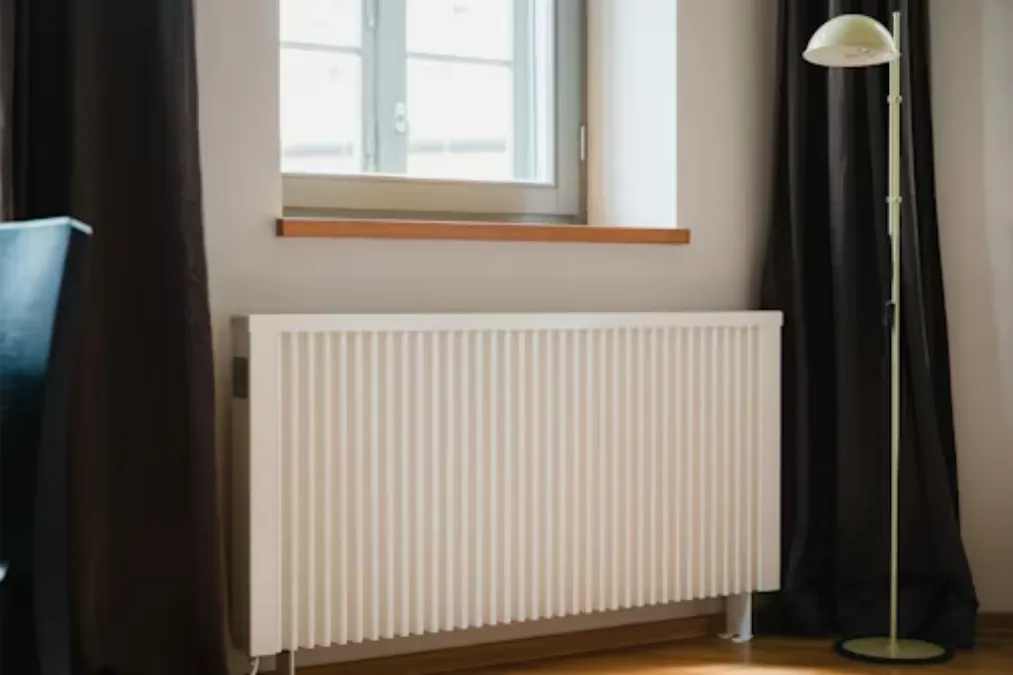
ประสิทธิภาพการใช้พลังงานในการทำความร้อนไฟฟ้าเชิงพาณิชย์นั้นขับเคลื่อนโดยทั้งการแปลงไฟฟ้าเป็นความร้อนทางกายภาพและวิธีการกระจายพลังงานทั่วทั้งโรงงาน. ในขณะที่การแปลงมีประสิทธิภาพโดยเนื้อแท้, การประหยัดในโลกแห่งความเป็นจริงขึ้นอยู่กับการออกแบบระบบ, วิธีการควบคุม, และการวางแผนการปฏิบัติงาน.
กลไกประสิทธิภาพการทำความร้อนไฟฟ้า
การแปลงพลังงาน: ความร้อนความต้านทานไฟฟ้าแปลง 100% ของไฟฟ้าให้เป็นความร้อนโดยไม่สูญเสียการเผาไหม้. สิ่งนี้ทำให้มั่นใจได้ว่าพลังงานอินพุตทั้งหมดจะถูกแปลงเป็นเอาท์พุตความร้อนที่ใช้งานได้โดยตรง.
เอาท์พุทความร้อน: แต่ละวัตต์ผลิตได้ประมาณ 3.41 บีทียูภายใต้สภาวะมาตรฐาน. ช่วยให้สามารถคำนวณความร้อนที่คาดการณ์ได้และสม่ำเสมอในขนาดโรงงานต่างๆ.
หลักการทางวิศวกรรม: ประสิทธิภาพหมายถึงการแปลงพลังงานเท่านั้น, ไม่ใช่ต้นทุนการดำเนินงาน. ในทางปฏิบัติ, ประสิทธิภาพด้านต้นทุนขึ้นอยู่กับการใช้งานระบบมากขึ้น, กลยุทธ์การควบคุม, และการออกแบบการใช้งานมากกว่าอัตรา Conversion เพียงอย่างเดียว.
ปัจจัยการเพิ่มประสิทธิภาพพลังงานระดับระบบ
เครื่องทำความร้อนแบบโซน: กระจายความร้อนไปยังพื้นที่ที่ถูกครอบครองหรือใช้งานอยู่เท่านั้น, หลีกเลี่ยงการใช้พลังงานโดยไม่จำเป็นในพื้นที่ว่าง เช่น ห้องเก็บของหรือทางเดิน.
การควบคุมอัจฉริยะ: รวมถึงเทอร์โมสตัท, เซ็นเซอร์, และตัวจับเวลาที่ปรับความร้อนตามความต้องการแบบเรียลไทม์โดยอัตโนมัติ, ลดการทำงานที่ไม่ได้ใช้งาน.
โหลดการจับคู่: ตรวจสอบให้แน่ใจว่าความจุเครื่องทำความร้อนตรงกับระดับฉนวนและข้อกำหนดด้านพื้นที่. ขนาดที่เหมาะสมช่วยลดการสิ้นเปลืองพลังงานที่เกิดจากการทำงานมากเกินไป- หรือวงจรความร้อนต่ำ.
บูรณาการระบบ HVAC: ทำงานร่วมกับระบบ HVAC ส่วนกลางเพื่อลดภาระงานโดยรวม. การตั้งค่าแบบไฮบริดนี้ช่วยเพิ่มประสิทธิภาพโดยการเปลี่ยนความต้องการการทำความร้อนไปยังระบบเฉพาะที่.
เกณฑ์มาตรฐานและสถานการณ์ ROI เชิงพาณิชย์
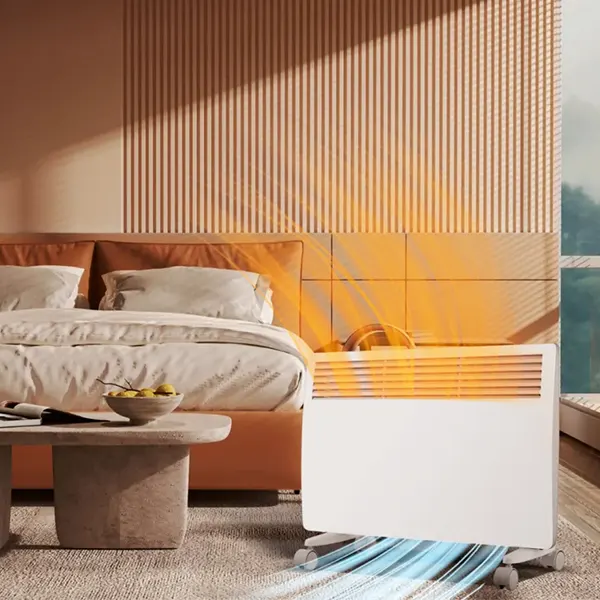
ผลลัพธ์ ROI สำหรับเครื่องทำความร้อนไฟฟ้าเชิงพาณิชย์จะแตกต่างกันไปขึ้นอยู่กับประเภทของอาคาร, รูปแบบการเข้าพัก, และวิธีที่ระบบรวมเข้ากับโครงสร้างพื้นฐาน HVAC ที่มีอยู่. โดยทั่วไปผลลัพธ์ทางการเงินที่แข็งแกร่งที่สุดจะเกิดขึ้นได้เมื่อมีการให้ความร้อนอย่างมีกลยุทธ์กับกรณีการใช้งานเฉพาะ แทนที่จะใช้เป็นระบบทดแทนทั้งอาคาร.
คลังสินค้าอุตสาหกรรม
โกดังอุตสาหกรรม ไม่ค่อยจะเต็มตลอดเวลา, ซึ่งทำให้การทำความร้อนเต็มพื้นที่ไม่มีประสิทธิภาพในสภาวะการทำงานจริงส่วนใหญ่. กลยุทธ์การให้ความร้อนควรเป็นไปตามโซนการทำงานจริงมากกว่าแผนผังอาคาร.
ประสิทธิภาพการทำความร้อนเฉพาะจุด: โดยเน้นความร้อนเฉพาะโซนแอคทีฟเท่านั้น, สิ่งอำนวยความสะดวกสามารถลดพลังงานที่สูญเปล่าในพื้นที่คลังสินค้าที่ไม่ได้ใช้ได้อย่างมาก, โดยเฉพาะในสภาพแวดล้อมพื้นที่เปิดโล่งขนาดใหญ่.
สภาพแวดล้อมการเข้าพักบางส่วนจะได้รับประโยชน์สูงสุดจากแนวทางนี้, โดยเฉพาะอย่างยิ่งเมื่อเวิร์กโฟลว์เปลี่ยนไปตามโซนต่างๆ ตลอดทั้งวัน.
ROI ที่แท้จริงมาจากประสิทธิภาพของอุปกรณ์น้อยลง และมากขึ้นจากการลดการทำงานที่ไม่จำเป็นของส่วนกลาง ระบบปรับอากาศ, ซึ่งโดยทั่วไปได้รับการออกแบบให้ครอบคลุมพื้นที่เต็ม.
สำนักงานและการพาณิชย์
สภาพแวดล้อมในสำนักงานมักประสบปัญหาจำนวนผู้เข้าพักในแต่ละแผนกไม่เท่ากัน, ห้องประชุม, และพื้นที่ส่วนกลาง. สิ่งนี้ทำให้การให้ความร้อนสม่ำเสมอทั้งไม่มีประสิทธิภาพและไม่จำเป็นในทางปฏิบัติ.
การคืนทุนอย่างรวดเร็วเป็นเรื่องปกติ เนื่องจากการประหยัดพลังงานสะสมอย่างรวดเร็วเมื่อการทำความร้อนสอดคล้องกับรูปแบบการใช้งานจริงของห้อง แทนที่จะทำงานทั้งอาคาร.
การแบ่งเขตช่วยเพิ่มความแม่นยำในการควบคุมโดยการอนุญาตให้พื้นที่ต่างๆ สามารถรักษาระดับอุณหภูมิที่เป็นอิสระได้, ซึ่งช่วยลดทั้งความร้อนเกินและการใช้พลังงานที่ไม่ได้ใช้งาน.
กลยุทธ์การลดโหลด HVAC
ในการตั้งค่าเชิงพาณิชย์จำนวนมาก, เครื่องทำความร้อนไฟฟ้าไม่ได้เข้ามาแทนที่ ระบบปรับอากาศ แต่ทำงานควบคู่ไปกับการปรับปรุงความสมดุลของระบบโดยรวม.
วิธีการแบบไฮบริดนี้ช่วยลดแรงกดดันต่อระบบส่วนกลางในขณะที่เปลี่ยนภาระการทำความร้อนส่วนหนึ่งไปยังหน่วยเฉพาะที่ซึ่งทำงานเมื่อจำเป็นเท่านั้น.
เมื่อเวลาผ่านไป, ซึ่งจะช่วยลดรันไทม์ HVAC อย่างต่อเนื่องและแทนที่ด้วยความยืดหยุ่นที่มากขึ้น, วงจรการทำความร้อนตามความต้องการ, ซึ่งช่วยปรับปรุงประสิทธิภาพการใช้พลังงานโดยรวมในระดับอาคาร.
ยกระดับพื้นที่เชิงพาณิชย์ด้วยระบบทำความร้อนอัจฉริยะ
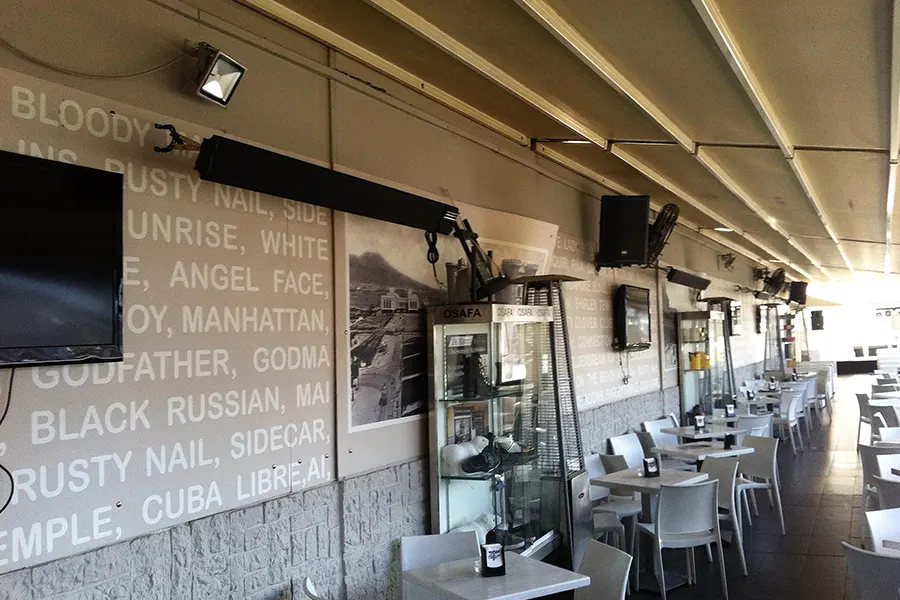
แนวทางปฏิบัติที่ดีที่สุดในการเพิ่มประสิทธิภาพสูงสุด
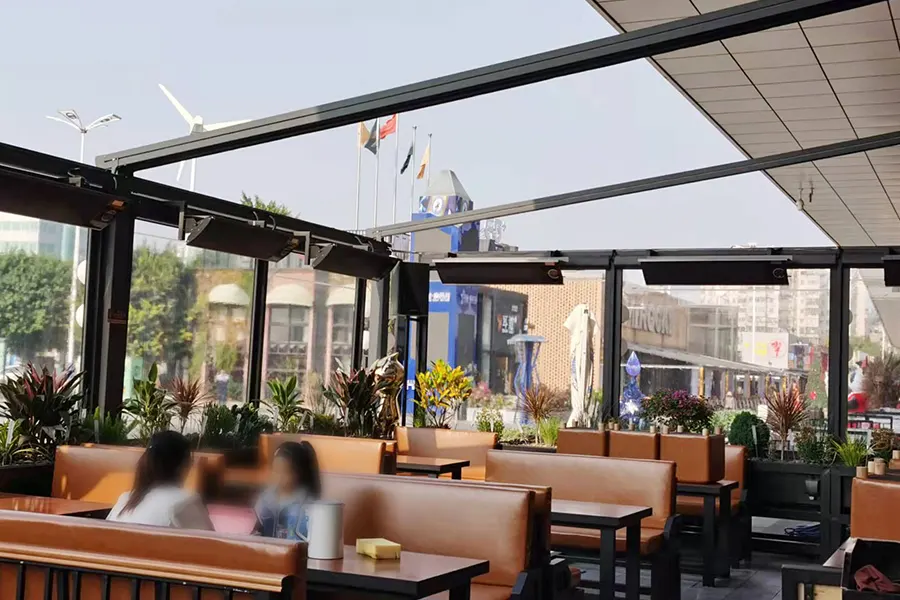
เพิ่มประสิทธิภาพสูงสุดใน ระบบทำความร้อนไฟฟ้าเชิงพาณิชย์ ขึ้นอยู่กับว่าสถานที่จัดการใช้พื้นที่ได้ดีเพียงใด, ตรรกะการควบคุม, และบูรณาการระบบ. เป้าหมายไม่ใช่แค่การลดการใช้พลังงานเท่านั้น, แต่รับประกันว่าความร้อนจะถูกส่งไปที่ไหนและเมื่อจำเป็นจริงๆ เท่านั้น.
การแบ่งเขตสิ่งอำนวยความสะดวกและการวางแผนพลังงาน
ประสิทธิภาพการทำความร้อนที่มีประสิทธิภาพเริ่มต้นด้วยโครงสร้าง การแบ่งเขตสิ่งอำนวยความสะดวก, ซึ่งทำให้มั่นใจได้ว่าพลังงานจะไม่กระจายอย่างสม่ำเสมอในพื้นที่ที่มีระดับการใช้งานต่างกัน.
- คำจำกัดความของโซน: แบ่งอาคารออกเป็นพื้นที่ทำความร้อนที่มีการควบคุมตามการใช้งานและจำนวนผู้เข้าพัก เพื่อป้องกันการกระจายพลังงานโดยไม่จำเป็น.
- การทำแผนที่การใช้งาน: จัดตารางการทำความร้อนให้สอดคล้องกับรูปแบบการเข้าใช้งานจริง แทนที่จะกำหนดเวลาการทำงานคงที่ เพื่อลดการใช้พลังงานที่ไม่ได้ใช้งาน.
- การจัดลำดับความสำคัญด้านพลังงาน: หลีกเลี่ยงการทำความร้อนในพื้นที่ที่มีกิจกรรมน้อย เช่น ห้องเก็บของ, ทางเดิน, และส่วนที่ไม่ได้ใช้ของสิ่งอำนวยความสะดวก.
แนวทางนี้ทำให้มั่นใจได้ว่าพลังงานความร้อนจะกระจุกตัวอยู่ในพื้นที่ที่ขับเคลื่อนด้วยประสิทธิภาพการผลิต แทนที่จะสูญเสียไปในพื้นที่โครงสร้าง.
ระบบอัตโนมัติและระบบควบคุมอัจฉริยะ
การปรับปรุงประสิทธิภาพสมัยใหม่ต้องพึ่งพาอย่างมาก เทคโนโลยีระบบอัตโนมัติ ที่ลดการควบคุมด้วยตนเองและเพิ่มประสิทธิภาพการใช้พลังงานแบบเรียลไทม์.
- การตรวจจับความเคลื่อนไหว: เปิดใช้งานการทำความร้อนเฉพาะเมื่อตรวจพบว่ามีผู้เข้าพักเท่านั้น, ขจัดการทำงานที่ไม่จำเป็นในพื้นที่ว่าง.
- การควบคุมเทอร์โมสตัท: รักษาอุณหภูมิภายในอาคารให้คงที่ ในขณะเดียวกันก็ป้องกันการหมุนเวียนมากเกินไปและการสูญเสียพลังงาน.
- การตั้งเวลาอัตโนมัติ: ลดการทำงานแบบแมนนวลโดยการปรับความร้อนแบบไดนามิกตามรูปแบบเวลาที่กำหนดไว้ล่วงหน้าหรือแบบปรับเปลี่ยนได้.
ระบบเหล่านี้ช่วยให้มั่นใจได้ว่าการใช้พลังงานเป็นไปตามความต้องการที่แท้จริงโดยอัตโนมัติ โดยไม่ต้องมีการปรับเปลี่ยนโดยมนุษย์อย่างต่อเนื่อง.
กลยุทธ์ระบบทำความร้อนแบบผสมผสาน
ในสภาพแวดล้อมเชิงพาณิชย์, ประสิทธิภาพสูงสุดมักจะทำได้โดยผ่าน กลยุทธ์การให้ความร้อนแบบไฮบริด แทนที่จะพึ่งพาระบบเดียว.
- การรวมระบบ: บูรณาการ ปั๊มความร้อน กับ เครื่องทำความร้อนความต้านทานไฟฟ้า เพื่อสร้างสมดุลระหว่างประสิทธิภาพและความยืดหยุ่นในการปฏิบัติงาน.
- การปรับตัวต่อสภาพภูมิอากาศ: ปรับกลยุทธ์การให้ความร้อนตามสภาวะอุณหภูมิในภูมิภาคเพื่อหลีกเลี่ยงการใช้งานมากเกินไปหรือมีประสิทธิภาพต่ำกว่าปกติ.
- ตรรกะความคุ้มค่า: ใช้การทำความร้อนด้วยความต้านทานไฟฟ้าเฉพาะสำหรับโซนเป้าหมายหรือโซนเสริมที่ต้องการการทำความร้อนที่แม่นยำ.
วิธีการแบบหลายชั้นนี้ช่วยให้โรงงานสามารถปรับประสิทธิภาพการใช้พลังงานและความน่าเชื่อถือในการปฏิบัติงานให้เหมาะสมในสภาวะที่แตกต่างกัน.
ต้นทุนการดำเนินงานที่ต่ำกว่า
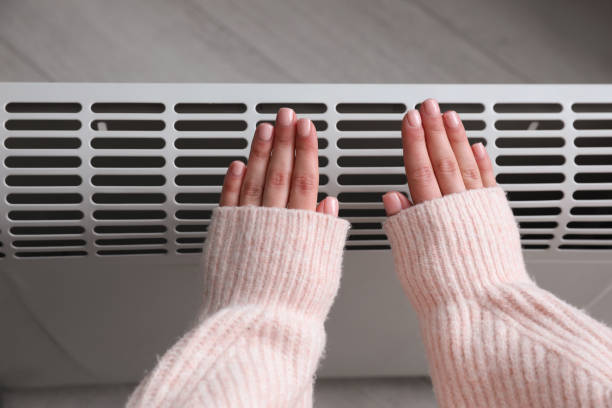
การลดค่าใช้จ่ายในการดำเนินงานถือเป็นข้อดีประการหนึ่งที่เห็นได้ชัดที่สุด เครื่องทำความร้อนไฟฟ้าเชิงพาณิชย์, โดยเฉพาะอย่างยิ่งเมื่อมีการปรับใช้ในการกำหนดค่าแบบโซนหรือแบบไฮบริด. แตกต่างจากระบบ HVAC แบบดั้งเดิม, ประสิทธิภาพด้านต้นทุนมีความเกี่ยวข้องอย่างใกล้ชิดกับการใช้พลังงานในสภาวะการทำงานจริง มากกว่าความจุของระบบสูงสุด.
โครงสร้างต้นทุนพลังงานในโลกแห่งความเป็นจริง
ทำความเข้าใจโครงสร้างต้นทุนที่แท้จริงของ ระบบทำความร้อนไฟฟ้า ต้องมองข้ามพิกัดกำลังของแผ่นป้ายและมุ่งเน้นไปที่พฤติกรรมการใช้งานจริงในการดำเนินงานรายวัน.
- การคิดต้นทุนตามโหลด: การใช้พลังงานจะปรับขนาดโดยตรงกับความต้องการกำลังไฟ, หมายถึงต้นทุนจะเพิ่มขึ้นก็ต่อเมื่อความต้องการความร้อนเพิ่มขึ้นแทนที่จะคงที่.
- เทอร์โมสตัทปั่นจักรยาน: การหมุนเวียนในตัวช่วยลดการทำงานต่อเนื่องโดยการเปิดและปิดระบบตามเกณฑ์อุณหภูมิ, ลดการดึงพลังงานที่ไม่จำเป็น.
- การวางแผนงบประมาณ: รูปแบบการใช้พลังงานที่คาดการณ์ได้ช่วยให้ผู้จัดการสิ่งอำนวยความสะดวกคาดการณ์ต้นทุนการทำความร้อนรายเดือนได้แม่นยำยิ่งขึ้น และควบคุมงบประมาณการดำเนินงาน.
การทำความร้อนแบบแบ่งเขตเทียบกับเศรษฐศาสตร์ HVAC ส่วนกลาง
ข้อได้เปรียบด้านต้นทุนที่สำคัญมาจากการเปลี่ยนหรือลดการพึ่งพาแบบดั้งเดิม ระบบ HVAC ส่วนกลาง ผ่านการกำหนดเป้าหมาย กลยุทธ์การให้ความร้อนแบบแบ่งโซน.
- การกำจัดขยะพลังงาน: เครื่องทำความร้อนจำกัดเฉพาะโซนที่มีคนอยู่หรือใช้งานอยู่, หลีกเลี่ยงการใช้พลังงานโดยไม่จำเป็นในพื้นที่ที่ไม่ได้ใช้ เช่น ห้องเก็บของหรือทางเดิน.
- การบริโภคเฉพาะที่: พลังงานจะถูกส่งตรงเมื่อมีความต้องการความร้อนเท่านั้น, ปรับปรุงประสิทธิภาพเมื่อเทียบกับระบบควบคุมสภาพอากาศทั้งอาคาร.
- การเปลี่ยนแปลงการดำเนินงาน: การทำงาน HVAC อย่างต่อเนื่องจะถูกแทนที่ด้วยการทำงานเป็นระยะๆ, วงจรการทำความร้อนที่ขับเคลื่อนด้วยความต้องการ, ลดการใช้พลังงานโดยรวมทั่วทั้งโรงงาน.
ปัจจัยต้นทุนภายนอกและการประหยัดโครงสร้างพื้นฐาน
นอกเหนือจากการใช้พลังงาน, ต้นทุนการดำเนินงานทั้งหมดยังได้รับอิทธิพลจากเงื่อนไขราคาภายนอกและข้อกำหนดด้านโครงสร้างพื้นฐานอีกด้วย.
- ความยืดหยุ่นในการปรับใช้: ระบบแบบพกพาและโมดูลาร์ช่วยให้ติดตั้งได้อย่างรวดเร็วและขยายขนาดได้, ช่วยให้สิ่งอำนวยความสะดวกสามารถปรับความสามารถในการทำความร้อนตามความต้องการตามฤดูกาลหรือการปฏิบัติงาน.
- ผลกระทบราคาไฟฟ้า: อัตราค่าสาธารณูปโภคในภูมิภาคส่งผลกระทบอย่างมากต่อค่าใช้จ่ายในการดำเนินงานทั้งหมด, สร้างความแตกต่างด้านต้นทุนที่เห็นได้ชัดเจนระหว่างที่ตั้งทางภูมิศาสตร์.
- การกำจัดโครงสร้างพื้นฐาน: ไม่มีข้อกำหนดสำหรับการวางท่อ, สายแก๊ส, หรือโครงสร้างพื้นฐานการทำความร้อนจากส่วนกลางช่วยลดต้นทุนเงินทุนทั้งล่วงหน้าและระยะยาว.
ผลผลิตเพิ่มขึ้น

นอกเหนือจากการลดต้นทุนการดำเนินงาน, เครื่องทำความร้อนไฟฟ้าเชิงพาณิชย์ยังช่วยปรับปรุงประสิทธิภาพในสถานที่ทำงานและเสถียรภาพในการปฏิบัติงาน. สภาพการให้ความร้อนสม่ำเสมอช่วยรักษาประสิทธิภาพของอุปกรณ์, รองรับความสะดวกสบายของพนักงาน, และสร้างสภาพแวดล้อมภายในอาคารที่ปลอดภัยยิ่งขึ้นทั่วทั้งโรงงานอุตสาหกรรมและเชิงพาณิชย์.
ความเสถียรในการปฏิบัติงานและเวลาทำงานของอุปกรณ์
ข้อได้เปรียบที่สำคัญประการหนึ่งของระบบทำความร้อนไฟฟ้าคือความเรียบง่ายทางกล. โดยไม่มีส่วนประกอบของการเผาไหม้, มีจุดผิดพลาดน้อยลงที่อาจขัดขวางการปฏิบัติงานประจำวันหรือเพิ่มข้อกำหนดในการบำรุงรักษา.
โครงสร้างการดำเนินงานที่มั่นคงนี้ช่วยให้โรงงานสามารถรักษาขั้นตอนการทำงานที่ต่อเนื่องได้, โดยเฉพาะในสภาพแวดล้อมทางอุตสาหกรรมที่ต้องอาศัยวงจรการผลิตที่ยาวนานและการควบคุมอุณหภูมิที่เชื่อถือได้. เนื่องจากมีชิ้นส่วนเครื่องจักรกลน้อยลงที่สัมผัสกับการสึกหรอจากการเผาไหม้, ความถี่ในการบำรุงรักษาก็ลดลงเมื่อเวลาผ่านไป.
ความสบายและประสิทธิผลของพนักงาน
อุณหภูมิภายในอาคารที่มั่นคงมีบทบาทสำคัญในประสิทธิภาพของพนักงาน. พนักงานที่ทำงานในสภาพอากาศเย็นหรือร้อนไม่สม่ำเสมอมักจะรู้สึกไม่สบายตัว, ความเหนื่อยล้า, และลดสมาธิระหว่างกะทำงานที่ยาวนาน.
โดยการให้ความร้อนตามเป้าหมายในพื้นที่ทำงานที่ใช้งานอยู่, เครื่องทำความร้อนไฟฟ้าเชิงพาณิชย์ช่วยได้ ให้คนงานอบอุ่น โดยไม่เกิดความร้อนสูงเกินไปทั่วทั้งโรงงาน ซึ่งจะสร้างสภาพแวดล้อมการทำงานที่มั่นคงยิ่งขึ้น ในขณะเดียวกันก็สนับสนุนประสิทธิภาพการผลิตและประสิทธิภาพการดำเนินงาน.
คุณภาพอากาศและความปลอดภัยในสถานที่ทำงาน
ต่างจากระบบที่ใช้เชื้อเพลิง, เครื่องทำความร้อนไฟฟ้าไม่ก่อให้เกิดการเผาไหม้ภายในพื้นที่ทำงาน. ซึ่งจะช่วยขจัดมลพิษ เช่น NOx และ SOx ที่อาจส่งผลเสียต่อคุณภาพอากาศภายในอาคาร.
สภาพแวดล้อมภายในอาคารที่สะอาดขึ้นช่วยส่งเสริมสุขภาพของพนักงานและช่วยสร้างสภาพการทำงานที่ปลอดภัยยิ่งขึ้น, โดยเฉพาะอย่างยิ่งในพื้นที่อุตสาหกรรมหรือเชิงพาณิชย์แบบปิด. นอกจากนี้, เครื่องทำความร้อนไฟฟ้าโดยทั่วไปจะทำงานเงียบกว่าระบบที่ใช้การเผาไหม้, ลดเสียงรบกวนรอบข้างทั่วทั้งสถานที่.
การควบคุมอุณหภูมิกระบวนการทางอุตสาหกรรม
การใช้งานทางอุตสาหกรรมบางประเภทต้องการสภาวะอุณหภูมิที่มีความเสถียรสูงเพื่อรักษาคุณภาพของผลิตภัณฑ์และความสม่ำเสมอของกระบวนการ. ระบบทำความร้อนไฟฟ้าสมัยใหม่สามารถควบคุมความร้อนได้อย่างแม่นยำ, มักจะรักษาเสถียรภาพของอุณหภูมิภายในประมาณ ±1°C.
การควบคุมระดับนี้มีประโยชน์อย่างยิ่งในสภาพแวดล้อมการผลิตที่ไวต่ออุณหภูมิ ซึ่งความผันผวนของความร้อนสามารถเพิ่มอัตราของเสียได้. หลายระบบยังสามารถรวมเข้ากับแพลตฟอร์มโรงงานอัตโนมัติและ ระบบตรวจสอบที่ใช้ IoT, ปรับปรุงการจัดการกระบวนการและการมองเห็นการปฏิบัติงาน.
ผลประโยชน์ทางการเงินระยะยาว
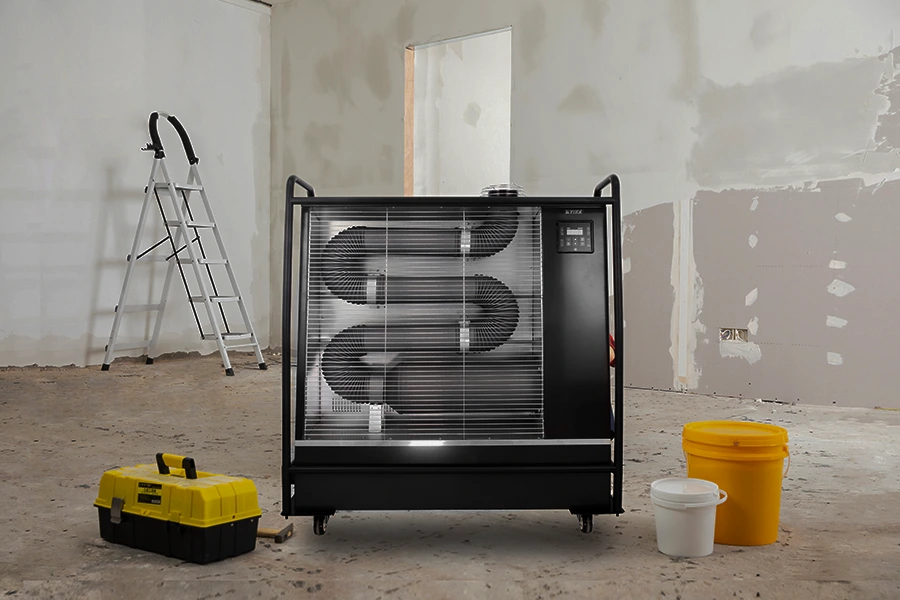
มูลค่าทางการเงินของ เครื่องทำความร้อนไฟฟ้าเชิงพาณิชย์ ครอบคลุมมากกว่าการประหยัดสาธารณูปโภคในระยะสั้น. เมื่อบูรณาการเข้ากับกลยุทธ์การทำความร้อนของโรงงานอย่างเหมาะสม, ระบบเหล่านี้ช่วยรักษาเสถียรภาพต้นทุนการดำเนินงานในระยะยาว, ลดค่าใช้จ่ายในการบำรุงรักษา, และสนับสนุนเป้าหมายด้านความยั่งยืนและการจัดการสินทรัพย์ที่กว้างขึ้น.
| วิธีการให้ความร้อน | ความคุ้มครองด้านพลังงาน | ค่าติดตั้ง | กรณีการใช้งานที่ดีที่สุด |
|---|---|---|---|
| HVAC ส่วนกลาง | ทั้งอาคาร | สูง | พื้นที่ว่างเต็มเวลา |
| เครื่องทำความร้อนไฟฟ้าเชิงพาณิชย์ | พื้นที่แบ่งเขต | ต่ำ | โกดัง, สำนักงาน, เครื่องทำความร้อนเฉพาะจุด |
| ระบบทำความร้อนแบบไฮบริด | ความคุ้มครองแบบผสม | ปานกลาง | การดำเนินงานเชิงพาณิชย์ที่ยืดหยุ่น |
ROI ที่ขับเคลื่อนด้วยพลังงานและเสถียรภาพด้านต้นทุน
ROI ระยะยาวได้รับอิทธิพลอย่างมากจากการกระจายพลังงานอย่างมีประสิทธิภาพทั่วทั้งโรงงานเมื่อเวลาผ่านไป. ระบบที่ลดความต้องการความร้อนที่ไม่จำเป็นมักช่วยให้ประหยัดการปฏิบัติงานได้อย่างมีเสถียรภาพมากขึ้น.
ประสิทธิภาพของโซน มีบทบาทสำคัญในกระบวนการนี้โดยการจำกัดการส่งความร้อนไปยังพื้นที่ที่ถูกครอบครอง แทนที่จะปรับสภาพทั้งอาคารอย่างต่อเนื่อง. ซึ่งช่วยลดการสูญเสียพลังงานในระยะยาวและเสริมสร้างการจัดการการบริโภคโดยรวมให้แข็งแกร่งขึ้น.
ในเวลาเดียวกัน, การใช้พลังงานที่เหมาะสมจะช่วยเพิ่มความร้อนที่ใช้งานได้สูงสุดต่อ kWh, สร้างค่าใช้จ่ายในการดำเนินงานรายเดือนและรายปีที่สามารถคาดการณ์ได้มากขึ้น. สำหรับสิ่งอำนวยความสะดวกทางการค้า, ความมั่นคงด้านต้นทุนนี้มักจะมีคุณค่าพอๆ กับการประหยัดโดยตรง เนื่องจากสนับสนุนการวางแผนงบประมาณระยะยาวและการคาดการณ์ทางการเงิน.
การลดต้นทุนการบำรุงรักษาและอายุการใช้งาน
เมื่อเทียบกับระบบที่ใช้การเผาไหม้, โดยทั่วไประบบทำความร้อนไฟฟ้าต้องการการบำรุงรักษาน้อยกว่าเนื่องจากมีโครงสร้างทางกลที่เรียบง่ายกว่าและการสึกหรอของส่วนประกอบลดลง.
เพราะไม่มีท่อแก๊ส, เตา, หรือระบบท่อที่เกี่ยวข้อง, สิ่งอำนวยความสะดวกยังหลีกเลี่ยงค่าซ่อมแซมและบำรุงรักษาที่เกี่ยวข้องกับโครงสร้างพื้นฐานจำนวนมากซึ่งมักเกี่ยวข้องกับอุปกรณ์ทำความร้อนแบบดั้งเดิม.
โครงสร้างการทำงานที่เรียบง่ายนี้รองรับอายุการใช้งานของอุปกรณ์ที่ยาวนานขึ้น และช่วยรักษาประสิทธิภาพของระบบให้มีเสถียรภาพเมื่อเวลาผ่านไป. ในสภาพแวดล้อมเชิงพาณิชย์มากมาย, การลดการหยุดชะงักในการบำรุงรักษาโดยไม่คาดคิดยังช่วยเพิ่มความน่าเชื่อถือในการปฏิบัติงานในแต่ละวันอีกด้วย.
สิ่งจูงใจและผลประโยชน์ด้านกฎระเบียบ
ขณะนี้รัฐบาลและผู้ให้บริการสาธารณูปโภคหลายรายสนับสนุนให้ธุรกิจต่างๆ นำระบบทำความร้อนที่ประหยัดพลังงานและลดการปล่อยก๊าซเรือนกระจกมาใช้ผ่านโครงการจูงใจทางการเงิน.
ขึ้นอยู่กับภูมิภาค, สิ่งอำนวยความสะดวกอาจมีสิทธิ์ได้รับส่วนลด, เครดิตภาษี, หรือโครงการอุดหนุนที่ลดการลงทุนล่วงหน้าที่จำเป็นสำหรับการอัพเกรดเครื่องทำความร้อน. สิ่งจูงใจเหล่านี้สามารถเสริมสร้าง ROI ของโครงการโดยรวมและลดระยะเวลาคืนทุนให้สั้นลง.
นอกจากผลประโยชน์ทางการเงินโดยตรงแล้ว, การเปลี่ยนไปใช้เครื่องทำความร้อนไฟฟ้ายังช่วยให้ธุรกิจต่างๆ สอดคล้องกับกฎระเบียบด้านสิ่งแวดล้อมที่กำลังพัฒนาและเป้าหมายการดำเนินงานที่มีคาร์บอนต่ำ, ลดความเสี่ยงในการปฏิบัติตามกฎระเบียบในอนาคต.
มูลค่าสินทรัพย์และผลผลิตที่เพิ่มขึ้น
สิ่งอำนวยความสะดวกที่ประหยัดพลังงานถูกมองว่าเป็นสินทรัพย์ที่มีการแข่งขันและมีความมั่นคงทางการเงินมากขึ้นในตลาดการค้า.
อาคารที่มีต้นทุนการดำเนินงานต่ำกว่าและประสิทธิภาพด้านสิ่งแวดล้อมที่แข็งแกร่งมักจะดึงดูดผู้เช่ามากกว่า, นักลงทุน, และผู้ซื้อเชิงพาณิชย์ระยะยาว. สิ่งนี้สามารถเพิ่มมูลค่าทรัพย์สินโดยรวมและเสริมสร้างความสามารถในการแข่งขันด้านการเช่าซื้อ.
สภาพแวดล้อมภายในอาคารที่มั่นคงยังสนับสนุนประสิทธิภาพของพนักงานด้วยการปรับปรุงความสะดวกสบายและลดการหยุดชะงักในการปฏิบัติงาน, การสร้างผลผลิตทางอ้อมที่เพิ่มขึ้นซึ่งส่งผลต่อผลการดำเนินงานทางธุรกิจในระยะยาว.
การสนับสนุนของผู้ผลิต
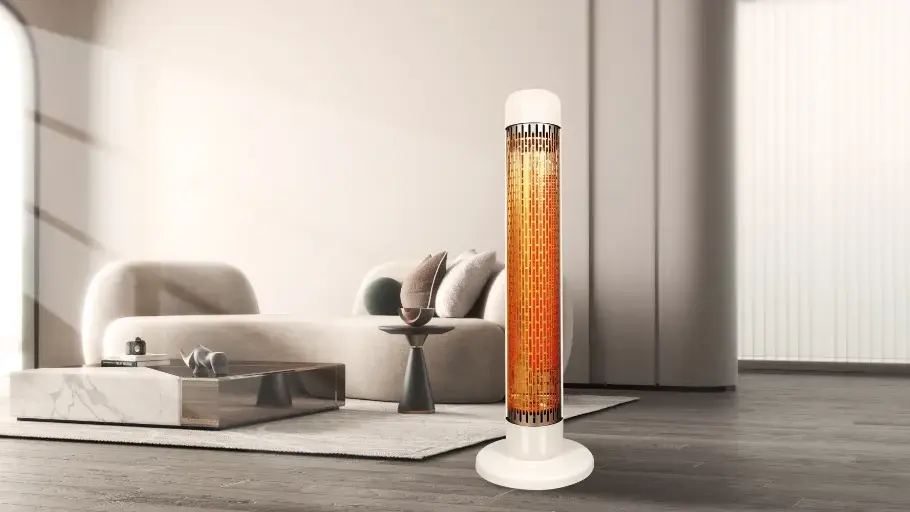
ประสิทธิภาพของเครื่องทำความร้อนไฟฟ้าเชิงพาณิชย์ไม่เพียงขึ้นอยู่กับอุปกรณ์เท่านั้น, แต่ยังรวมถึงการสนับสนุนด้านเทคนิคและการปฏิบัติงานจากผู้ผลิตด้วย. การสนับสนุนจากผู้ผลิตที่แข็งแกร่งช่วยให้ธุรกิจปรับปรุงการปฏิบัติตามข้อกำหนดด้านความปลอดภัย, เพิ่มประสิทธิภาพการรวมระบบ, และรักษาประสิทธิภาพในระยะยาวที่มั่นคงในการใช้งานเชิงพาณิชย์ต่างๆ.
กรอบการรับรองการปฏิบัติตามข้อกำหนดและความปลอดภัย
สำหรับโครงการเชิงพาณิชย์และอุตสาหกรรม, การปฏิบัติตามข้อกำหนดเป็นส่วนสำคัญของการจัดซื้อและการบริหารความเสี่ยงด้านปฏิบัติการ. อุปกรณ์ที่ได้รับการรับรองช่วยให้โรงงานปฏิบัติตามข้อกำหนดด้านความปลอดภัย ในขณะเดียวกันก็ลดความเสี่ยงทางกฎหมายและการปฏิบัติงานที่อาจเกิดขึ้นได้.
ผู้ผลิตที่สนับสนุนการใช้งานในระดับสากลมักจะให้การรับรองที่สอดคล้องกับมาตรฐานระดับภูมิภาคและข้อกำหนดด้านความปลอดภัยในอุตสาหกรรม, รวมถึงกรอบที่เกี่ยวข้องกับ โอชา, อฟ, และระบบการปฏิบัติตามข้อกำหนดทางการค้าอื่นๆ.
การสนับสนุนการรับรองที่แข็งแกร่งยังช่วยเพิ่มความยืดหยุ่นในการใช้งานในตลาดและสภาพแวดล้อมของโครงการที่แตกต่างกัน. ในบางกรณี, การใช้อุปกรณ์ทำความร้อนที่ผ่านการรับรองอาจช่วยให้ธุรกิจลดต้นทุนที่เกี่ยวข้องกับการประกันภัยได้ด้วยการลดความเสี่ยงในการปฏิบัติงาน.
การสนับสนุนการออกแบบทางวิศวกรรมและบูรณาการระบบ
โครงการทำความร้อนเชิงพาณิชย์มักต้องการผลิตภัณฑ์ที่มีวางจำหน่ายทั่วไปมากกว่ามาตรฐาน. ประสิทธิภาพของระบบขึ้นอยู่กับว่าอุปกรณ์ตรงกับรูปแบบสถานที่จริงและข้อกำหนดในการปฏิบัติงานได้ดีเพียงใด.
- การจับคู่ระบบ: ข้อกำหนดการทำความร้อนควรสอดคล้องกับขนาดอาคาร, สภาพฉนวน, และความต้องการในการดำเนินงานเพื่อหลีกเลี่ยงการกระจายพลังงานที่ไม่มีประสิทธิภาพ.
- การเพิ่มประสิทธิภาพเค้าโครง: การจัดวางระบบอย่างเหมาะสมช่วยปรับปรุงประสิทธิภาพการครอบคลุมความร้อนในโซนต่างๆ ในขณะที่ลดความเข้มข้นของพลังงานที่ไม่จำเป็น.
- ความสามารถของ OEM: การกำหนดค่าแบบกำหนดเองรองรับการใช้งานทางอุตสาหกรรมเฉพาะโครงการและข้อกำหนดการปฏิบัติงานเฉพาะทาง.
- การตรวจสอบประสิทธิภาพ: การทดสอบความเข้ากันได้ช่วยให้มั่นใจในการบูรณาการกับโครงสร้างพื้นฐานที่มีอยู่และระบบ HVAC รุ่นเก่าได้อย่างราบรื่น.
การสนับสนุนด้านวิศวกรรมที่มีประสิทธิภาพช่วยให้โรงงานบรรลุประสิทธิภาพการใช้พลังงานที่ดีขึ้น ในขณะเดียวกันก็ลดความเสี่ยงในการใช้งานระหว่างการติดตั้งและการปฏิบัติงาน.
การจัดการวงจรชีวิตและการสนับสนุนเอกสาร
ความมั่นคงในการดำเนินงานในระยะยาวจำเป็นต้องมีเอกสารที่ต่อเนื่อง, การมองเห็นการบำรุงรักษา, และการสนับสนุนการจัดการระบบตลอดวงจรชีวิตอุปกรณ์.
- ความพร้อมในการตรวจสอบ: รายงานการปฏิบัติตามข้อกำหนดและบันทึกการรับรองสนับสนุนการตรวจสอบตามกฎระเบียบและการตรวจสอบโครงการ.
- อายุขัยของระบบ: คำแนะนำในการบูรณาการและการบำรุงรักษาที่เหมาะสมช่วยให้มั่นใจได้ถึงการทำงานที่มั่นคงในระยะยาว.
- การติดตามการบำรุงรักษา: เอกสารที่จัดระเบียบช่วยลดความยุ่งยากในการจัดการสิ่งอำนวยความสะดวกและกำหนดการบริการ.
การสนับสนุนวงจรชีวิตที่แข็งแกร่งเป็นสิ่งสำคัญอย่างยิ่งสำหรับโรงงานอุตสาหกรรมที่ระบบทำความร้อนทำงานอย่างต่อเนื่องและการหยุดทำงานส่งผลโดยตรงต่อประสิทธิภาพการผลิตและต้นทุนการดำเนินงาน.
คำถามที่พบบ่อย
เครื่องทำความร้อนแบบพกพามีราคาถูกกว่าการอัพเกรดระบบ HVAC หรือไม่?
การอัพเกรดระบบ HVAC ส่วนกลางต้องใช้เงินลงทุนจำนวนมหาศาลและการหยุดทำงานที่ยาวนาน. เครื่องทำความร้อนแบบต้านทานแบบพกพาจัดส่งได้ทันที, ความอบอุ่นตามความต้องการโดยไม่ต้องยกเครื่องโครงสร้าง. พวกเขามอบโซลูชันที่คุ้มค่าอย่างยิ่งสำหรับการเพิ่มสิ่งอำนวยความสะดวก, พื้นที่ทำงานชั่วคราว, หรือจุดเย็นแยก.
ธุรกิจควรเลือกเครื่องทำความร้อนแบบต้านทานไฟฟ้าหรือปั๊มความร้อน?
ปั๊มความร้อนจากแหล่งอากาศทำงานด้วย 50-60% ประสิทธิภาพไฟฟ้าดีขึ้นและทำหน้าที่เป็นระบบหลักทั้งอาคารของคุณได้ดีที่สุด. เครื่องทำความร้อนแบบต้านทานไฟฟ้าเป็นเลิศเป็นส่วนเสริม, หน่วยที่ยืดหยุ่นสำหรับการทำความร้อนเฉพาะจุดแบบกำหนดเป้าหมาย. ใช้หน่วยต้านทานเมื่อขยายท่อ HVAC หลักซึ่งพิสูจน์ได้ว่าทำไม่ได้หรือมีราคาแพงเกินไป.
เครื่องทำความร้อนไฟฟ้าเชิงพาณิชย์ใช้ไฟฟ้าเท่าใดต่อชั่วโมง?
เครื่องทำความร้อนไฟฟ้าเชิงพาณิชย์ส่วนใหญ่ใช้กำลังไฟระหว่าง 750W ถึง 3500W. หน่วยมาตรฐาน 1500W สิ้นเปลืองประมาณ 1.5 กิโลวัตต์ชั่วโมงต่อชั่วโมง. ต้นทุนการดำเนินงานจริงขึ้นอยู่กับอัตราค่าไฟฟ้าและการหมุนเวียนของเทอร์โมสตัท, ซึ่งช่วยลดการใช้พลังงานอย่างต่อเนื่องในสภาวะจริง.
ความคิดสุดท้าย
เครื่องทำความร้อนไฟฟ้าเชิงพาณิชย์ช่วยให้ธุรกิจลดต้นทุนการดำเนินงานโดยการส่งความร้อนเฉพาะจุดที่จำเป็นเท่านั้น. เมื่อเทียบกับระบบ HVAC ส่วนกลางแบบเดิม, พวกมันให้ความยืดหยุ่นในการแบ่งเขตที่ดีกว่า, ความต้องการโครงสร้างพื้นฐานที่ต่ำกว่า, และควบคุมการใช้พลังงานทั่วทั้งคลังสินค้าได้มากขึ้น, สำนักงาน, และโรงงานอุตสาหกรรม.
การเลือกการตั้งค่าการทำความร้อนที่เหมาะสมขึ้นอยู่กับแผนผังอาคารของคุณ, รูปแบบการเข้าพัก, และเป้าหมายการดำเนินงาน. หากคุณกำลังมองหาความน่าเชื่อถือ เครื่องทำความร้อนไฟฟ้าเชิงพาณิชย์ โซลูชั่นสำหรับ OEM, โอเอ็มเอ็ม, หรือโครงการขายส่ง, กลม ทีมงานสามารถช่วยคุณประเมินการกำหนดค่าระบบที่เหมาะสมเพื่อประสิทธิภาพในระยะยาวและประสิทธิภาพด้านต้นทุน.