ความสำเร็จของธุรกิจจำหน่ายเครื่องทำความเย็นอากาศเชิงพาณิชย์ขึ้นอยู่กับมากกว่าการจัดหาผลิตภัณฑ์ด้วยต้นทุนที่ต่ำ. ผู้จัดจำหน่ายหลายรายต้องดิ้นรนกับอัตรากำไรที่ต่ำ, การเลือกซัพพลายเออร์ที่ไม่ดี, และความต้องการที่ไม่แน่นอนเนื่องจากขาดรูปแบบธุรกิจที่มีโครงสร้าง. โดยไม่มีแนวทางที่ถูกต้อง, แม้แต่ตลาดที่กำลังเติบโตก็อาจนำไปสู่แรงกดดันด้านกระแสเงินสดและความสามารถในการทำกำไรที่ไม่สอดคล้องกัน.
คู่มือนี้แสดงวิธีสร้างธุรกิจจัดจำหน่ายเครื่องทำความเย็นด้วยอากาศเชิงพาณิชย์ที่ทำกำไรโดยการเลือกรูปแบบการขายที่เหมาะสม, การประเมินผู้ผลิต, การควบคุมราคาและสินค้าคงคลัง, และพัฒนาการดำเนินงานที่ปรับขนาดได้. มันช่วยผู้จัดจำหน่าย, ผู้ค้าส่ง, และผู้นำเข้า HVAC ช่วยลดความเสี่ยง, ปรับปรุงระยะขอบ, และสร้างธุรกิจที่ยั่งยืนในระยะยาว.
ทำความเข้าใจโอกาสทางการตลาดของแอร์คูลเลอร์เชิงพาณิชย์
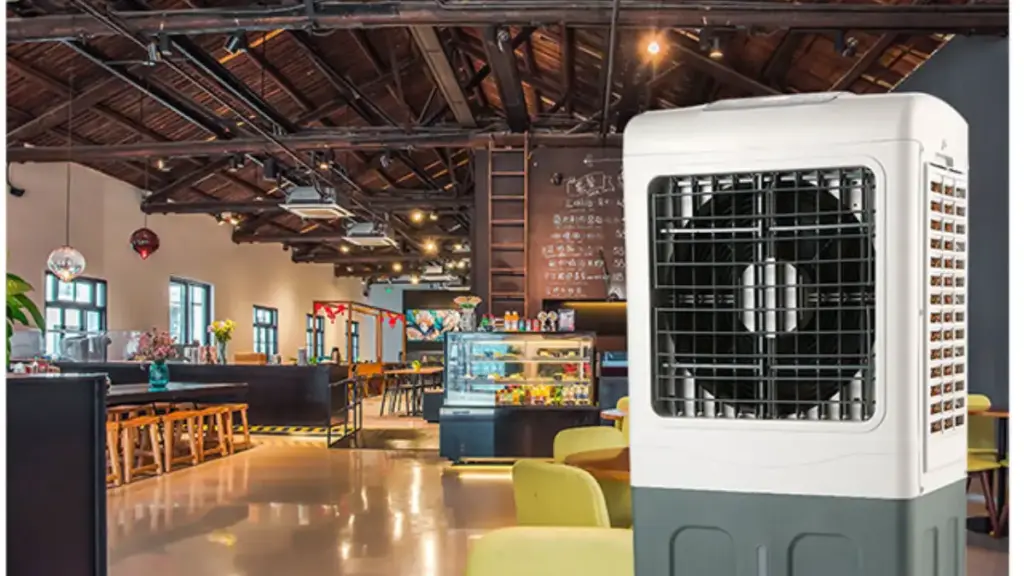
ความสำเร็จทางธุรกิจการจัดจำหน่ายเครื่องทำความเย็นด้วยอากาศเชิงพาณิชย์เริ่มต้นด้วยการระบุว่ามีความต้องการที่แท้จริงอยู่ที่ไหน และวิธีที่อุตสาหกรรมต่างๆ นำโซลูชันการทำความเย็นมาใช้ภายใต้ต้นทุนและความกดดันด้านสิ่งแวดล้อม.
แนวโน้มการเติบโตของตลาดและตัวขับเคลื่อนอุปสงค์
ความต้องการเครื่องทำความเย็นด้วยอากาศเชิงพาณิชย์ถูกกำหนดโดยการเปลี่ยนแปลงทางเศรษฐกิจและอุตสาหกรรมในระยะยาว มากกว่าเงื่อนไขตามฤดูกาลในระยะสั้น. การทำความเข้าใจตัวขับเคลื่อนเหล่านี้ช่วยให้ผู้จัดจำหน่ายระบุความมั่นคงได้, โอกาสที่มีปริมาณสูง.
- ประสิทธิภาพการใช้พลังงาน: การใช้ไฟฟ้าที่ลดลงช่วยลดต้นทุนการดำเนินงาน, ทำให้แอร์คูลเลอร์น่าสนใจสำหรับ พื้นที่เชิงพาณิชย์ขนาดใหญ่ ด้วยการใช้งานอย่างต่อเนื่อง.
- ค่าไฟฟ้าที่เพิ่มขึ้น: ราคาพลังงานที่สูงส่งผลให้โรงงานและโกดังสินค้าต้องเปลี่ยนหรือลดการใช้เครื่องปรับอากาศแบบเดิมๆ.
- โครงการริเริ่มด้านความยั่งยืน: การทำความเย็นแบบระเหยช่วยหลีกเลี่ยงสารทำความเย็น, ช่วยให้บริษัทต่างๆ ปฏิบัติตามข้อกำหนดด้านสิ่งแวดล้อมและการปฏิบัติตามข้อกำหนด.
- การขยายตัวทางอุตสาหกรรม: การเติบโตของการผลิตในตลาดเกิดใหม่ทำให้ความต้องการที่ขยายขนาดเพิ่มขึ้น โซลูชั่นการระบายความร้อนในโรงงานขนาดใหญ่.
ปัจจัยเหล่านี้ทำให้ตลาดมีความยืดหยุ่นมากขึ้น, โดยเฉพาะอย่างยิ่งในภูมิภาคที่ต้นทุนพลังงานส่งผลโดยตรงต่อประสิทธิภาพการผลิตและความสามารถในการทำกำไร.
กลุ่มลูกค้าและแอปพลิเคชันที่มีศักยภาพสูง
อุตสาหกรรมต่างๆ นำเครื่องทำความเย็นแบบอากาศเชิงพาณิชย์มาใช้ด้วยเหตุผลด้านการปฏิบัติงานที่แตกต่างกัน. การระบุความแตกต่างเหล่านี้ช่วยให้ผู้จัดจำหน่ายหลีกเลี่ยงการขายทั่วไปและมุ่งเน้นไปที่โอกาสในการเปลี่ยนใจเลื่อมใสที่สูงขึ้น.
- โกดัง: ระบบทำความเย็นเน้นความสะดวกสบายของผู้ปฏิบัติงานในพื้นที่ขนาดใหญ่, พื้นที่กึ่งเปิดซึ่งระบบ HVAC เต็มรูปแบบมีราคาแพงเกินไป.
- สิ่งอำนวยความสะดวกการผลิต: ความร้อนของอุปกรณ์และความหนาแน่นในการผลิตทำให้เกิดความต้องการอย่างต่อเนื่องสำหรับโซนทำความเย็นเฉพาะที่.
- เกษตรกรรม: การควบคุมอุณหภูมิส่งผลโดยตรงต่อคุณภาพผลผลิตในโรงเรือนและสภาพแวดล้อมด้านปศุสัตว์.
- การต้อนรับขับสู้: พื้นที่รับประทานอาหารและพื้นที่จัดกิจกรรมกลางแจ้งต้องการประสิทธิภาพการทำความเย็นที่ยืดหยุ่นและมองเห็นได้.
- ขายปลีก: การระบายความร้อนแบบกำหนดเป้าหมายช่วยเพิ่มความสะดวกสบายให้กับลูกค้าโดยไม่ต้องปรับเปลี่ยนโครงสร้างพื้นฐานของอาคารทั้งหมด.
ผู้ซื้อในอุตสาหกรรมให้ความสำคัญกับความทนทานและการประหยัดพลังงาน, ในขณะที่อุตสาหกรรมบริการให้ความสำคัญกับประสบการณ์ความสะดวกสบายและความยืดหยุ่นของระบบ, การสร้างกลยุทธ์การขายที่แตกต่างกันสำหรับแต่ละกลุ่ม.
การให้บริการกลุ่มลูกค้าที่หลากหลายเหล่านี้ต้องการผลิตภัณฑ์ที่สามารถปรับให้เข้ากับสภาพแวดล้อมที่แตกต่างกันได้, ความสามารถในการทำความเย็น, และความต้องการในการดำเนินงาน. เรียนรู้เพิ่มเติมเกี่ยวกับความสามารถของ Yika ในฐานะ ผู้ผลิตเครื่องทำความเย็นอากาศเชิงพาณิชย์ในประเทศจีน และวิธีที่เราสนับสนุนผู้จัดจำหน่ายด้วยโซลูชั่นการทำความเย็นเชิงพาณิชย์ที่หลากหลาย.
โอกาสระดับภูมิภาคและการพิจารณาสภาพภูมิอากาศ
สภาพภูมิอากาศมีอิทธิพลอย่างมาก ประสิทธิภาพของผลิตภัณฑ์ และการยอมรับของตลาด. ผู้จัดจำหน่ายที่ประสบความสำเร็จจัดวางตำแหน่งผลิตภัณฑ์ให้สอดคล้องกับความเหมาะสมด้านสิ่งแวดล้อม แทนที่จะใช้กลยุทธ์ที่เหมือนกัน.
- บริเวณที่ร้อนและแห้ง: ความชื้นต่ำช่วยให้ระบบทำความเย็นแบบระเหยทำงานได้อย่างมีประสิทธิภาพสูงสุดและระดับความพึงพอใจของลูกค้า.
- เศรษฐกิจเกิดใหม่: ข้อจำกัดด้านโครงสร้างพื้นฐานและความอ่อนไหวด้านต้นทุนช่วยเร่งการนำทางเลือกในการทำความเย็นที่มีต้นทุนต่ำมาใช้.
- ความเหมาะสมของสภาพอากาศ: High humidity areas reduce cooling efficiency, ต้องมีการวางตำแหน่งแบบไฮบริดหรือการใช้งานทางเลือก เช่น การรองรับการระบายอากาศ.
ความสำเร็จในการจัดจำหน่ายมักจะสูงกว่าในเขตอุตสาหกรรมภายในประเทศ, โดยที่อุณหภูมิสูงแต่ความชื้นยังอยู่ในระดับปานกลาง, สร้างสภาวะการทำงานที่เหมาะสมที่สุดสำหรับเครื่องทำความเย็นด้วยอากาศ.
สำหรับคำอธิบายที่ลึกซึ้งยิ่งขึ้นของ สภาพอากาศชื้นส่งผลต่อเครื่องทำความเย็นแบบระเหยอย่างไร, เราได้กล่าวถึงในบทความแยกต่างหาก.
Choose the Right Air Cooler Distribution Model
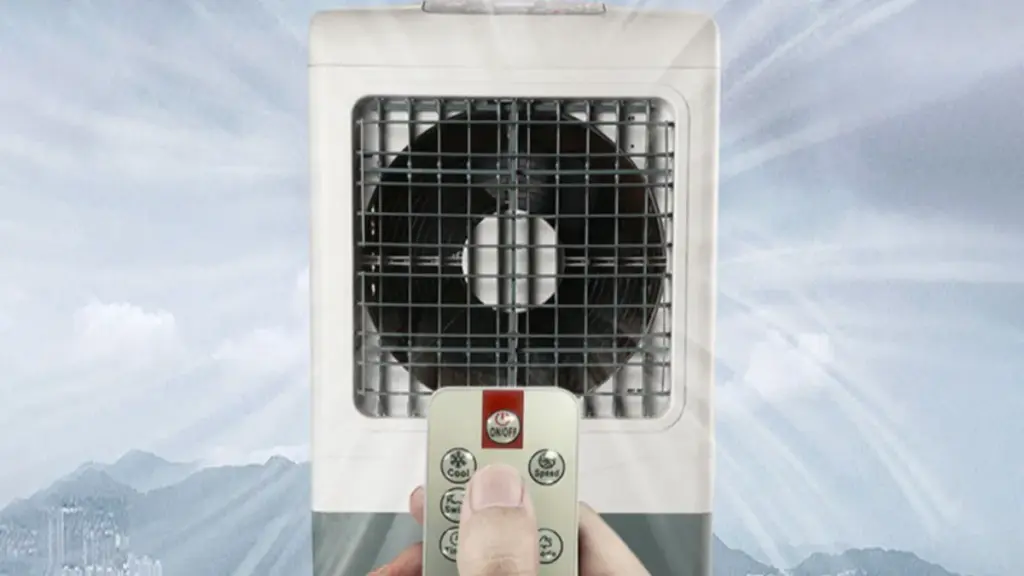
การเลือกรูปแบบการกระจายสินค้ามีผลโดยตรงต่อประสิทธิภาพของเงินทุน, ความเสี่ยง, and long-term profitability. แต่ละรุ่นทำงานภายใต้เงื่อนไขทางการค้าที่แตกต่างกัน, ดังนั้นทางเลือกที่เหมาะสมจึงขึ้นอยู่กับว่าธุรกิจจะรักษาสมดุลระหว่างความเร็วการเติบโตและการควบคุมการปฏิบัติงานอย่างไร.
เปรียบเทียบการซื้อขาย, ขายส่ง, และการกระจายสินค้าตามโครงการ
รูปแบบการจำหน่ายที่แตกต่างกันต้องใช้ระดับการลงทุนที่แตกต่างกัน, ความสามารถในการดำเนินงาน, และการมีส่วนร่วมของลูกค้า. การทำความเข้าใจจุดแข็งและข้อจำกัดช่วยให้ผู้จัดจำหน่ายเลือกโครงสร้างที่สอดคล้องกับเป้าหมายทางธุรกิจและทรัพยากรที่มีอยู่.
การเปรียบเทียบรูปแบบการกระจาย
| รูปแบบการกระจายสินค้า | ความต้องการเงินทุน | อัตรากำไรขั้นต้น | วงจรการขาย | ข้อได้เปรียบที่สำคัญ | ความเสี่ยงหลัก |
|---|---|---|---|---|---|
| การซื้อขาย | ต่ำ | ต่ำ-ปานกลาง | สั้น | เข้าสู่ตลาดอย่างรวดเร็ว | การควบคุมราคาที่อ่อนแอ |
| ขายส่ง | ปานกลาง-สูง | ปานกลาง | ปานกลาง | คำสั่งซื้อซ้ำที่มั่นคง | แรงกดดันจากสินค้าคงคลัง |
| ตามโครงการ | ต่ำ-ปานกลาง | สูง | ยาว | สัญญาที่มีมูลค่าสูง | วงจรการขายที่ยาวนาน |
ผู้จัดจำหน่ายจำนวนมากใช้ การรวมกันของโมเดลเหล่านี้ แทนที่จะพึ่งช่องทางเดียว. แนวทางแบบผสมผสานสามารถสร้างสมดุลระหว่างกระแสเงินสดระยะสั้นกับความสามารถในการทำกำไรในระยะยาว. ตัวอย่างเช่น, การซื้อขายสนับสนุนการเข้าสู่ตลาดอย่างรวดเร็ว, การขายส่งสร้างยอดขายที่มั่นคง, และการขายตามโครงการช่วยให้สามารถเข้าถึงโอกาสทางการค้าที่มีอัตรากำไรสูงกว่า. การผสมผสานที่เหมาะสมขึ้นอยู่กับทรัพยากรที่มีอยู่ของคุณ, ฐานลูกค้า, และเป้าหมายการเติบโต.
การประเมินความสามารถขององค์กรและทรัพยากรทางการตลาด
โมเดลการแจกจ่ายจะทำงานเมื่อตรงกับความสามารถภายในเท่านั้น. ความต้องการของตลาดที่แข็งแกร่งไม่สามารถชดเชยความสามารถในการดำเนินการที่อ่อนแอได้.
- ความสามารถในการขาย: กำหนดว่าธุรกิจจัดการใบเสนอราคาได้อย่างมีประสิทธิภาพเพียงใด, การเจรจาต่อรอง, และวงจร B2B ที่ยาวนาน.
- ความเชี่ยวชาญด้านเทคนิค: รองรับการเลือกผลิตภัณฑ์และการกำหนดขนาดระบบที่แม่นยำในสภาพแวดล้อมเชิงพาณิชย์.
- การเข้าถึงตลาด: สะท้อนถึงความสัมพันธ์ที่มีอยู่กับตัวแทนจำหน่าย, ผู้รับเหมา, หรือผู้ซื้ออุตสาหกรรม.
- ความสัมพันธ์กับลูกค้า: ปรับปรุงคำสั่งซื้อซ้ำและลดต้นทุนการได้มา.
โมเดลที่แตกต่างกันเน้นความสามารถที่แตกต่างกัน. การขายตามโครงการต้องการการสนับสนุนด้านเทคนิคที่แข็งแกร่งยิ่งขึ้น, ในขณะที่การขายส่งต้องอาศัยประสิทธิภาพการดำเนินงานและความมีระเบียบวินัยด้านสินค้าคงคลังมากกว่า.
การเลือกรุ่นที่ดีที่สุดสำหรับระยะธุรกิจของคุณ
กลยุทธ์การจัดจำหน่ายควรพัฒนาไปตามการเติบโตของธุรกิจ แทนที่จะคงที่. แต่ละช่วงการเติบโตจำเป็นต้องมีความสมดุลระหว่างความเสี่ยงและเงินทุนที่แตกต่างกัน.
- ขั้นตอนการเริ่มต้น: รูปแบบการซื้อขายช่วยให้มีความเสี่ยงต่ำและสามารถตรวจสอบความต้องการผลิตภัณฑ์ได้อย่างรวดเร็ว.
- ระยะการเจริญเติบโต: รูปแบบการค้าส่งช่วยเพิ่มเสถียรภาพด้านอุปทานและเสริมสร้างเครือข่ายตัวแทนจำหน่าย.
- เวทีสเกล: โมเดลตามโครงการหรือแบบไฮบริดจะเพิ่มอัตรากำไรสูงสุดและสร้างตำแหน่งทางการตลาดในระยะยาว.
การเลือกโมเดลที่ล้ำหน้าเกินไปแต่เนิ่นๆ มักนำไปสู่ความเครียดด้านกระแสเงินสด และทำให้การขยายตัวอย่างยั่งยืนช้าลง.
แหล่งที่มาได้รับการรับรอง, แอร์คูลเลอร์โดยตรงจากโรงงาน
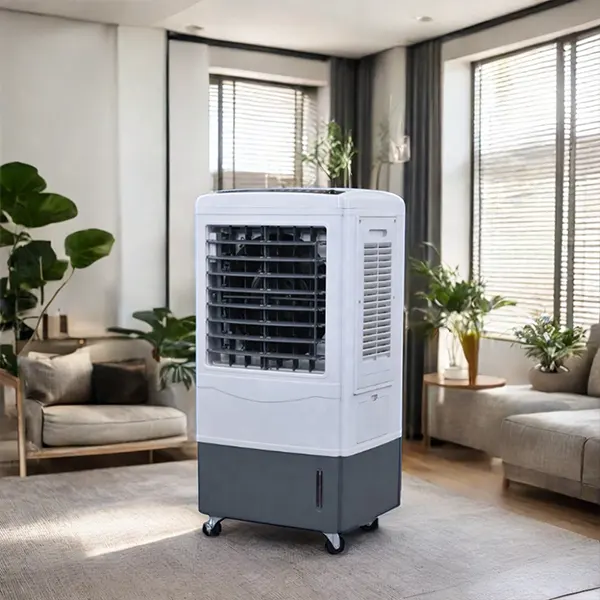
ค้นหาผู้ผลิตแอร์คูลเลอร์ที่เชื่อถือได้
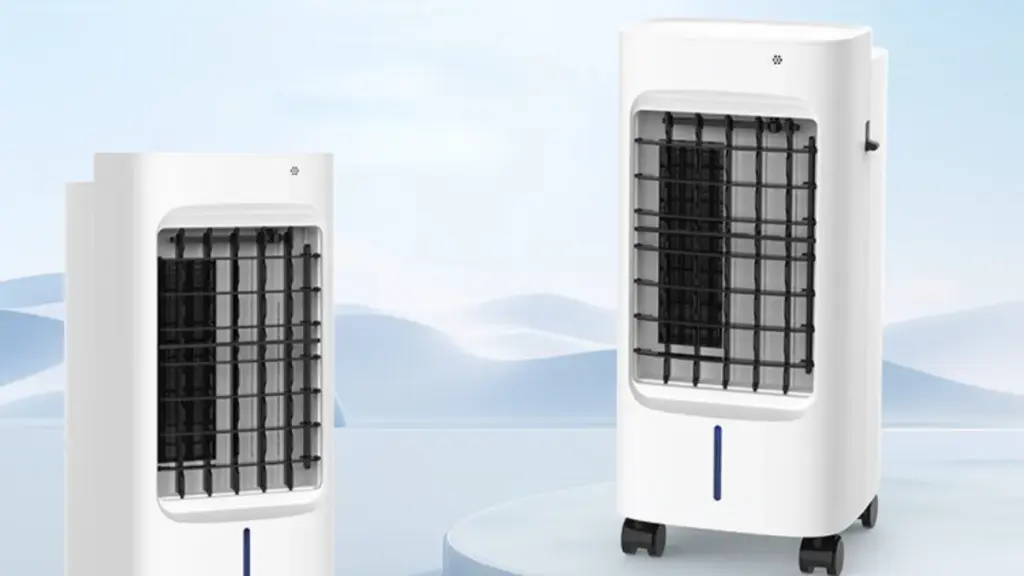
การเลือกผู้ผลิตที่เหมาะสมจะกำหนดความเสถียรของผลิตภัณฑ์ในระยะยาว, ความพึงพอใจของลูกค้า, และความน่าเชื่อถือของห่วงโซ่อุปทาน. ซัพพลายเออร์ที่อ่อนแอมักจะสร้างความเสี่ยงที่ซ่อนอยู่ซึ่งจะเกิดขึ้นหลังจากขยายขนาดธุรกิจเท่านั้น.
ภาพรวมการประเมินผู้ผลิต
| พื้นที่ประเมินผล | เกณฑ์สำคัญ | ผลกระทบทางธุรกิจ |
|---|---|---|
| ระบบการจัดการคุณภาพ | ISO 9001 การรับรอง, การควบคุมการผลิต, ระบบตรวจสอบย้อนกลับ, และขั้นตอนการตรวจสอบคุณภาพ | รองรับคุณภาพผลิตภัณฑ์ที่สอดคล้องกันและลดการรับประกันระยะยาวและความเสี่ยงต่อข้อบกพร่อง |
| การปฏิบัติตามข้อกำหนดของผลิตภัณฑ์ & การสนับสนุนด้านเทคนิค | ซีอี, อีทีแอล, การรับรองมาตรฐาน UL, การทดสอบประสิทธิภาพ, และความช่วยเหลือด้านวิศวกรรม | ปรับปรุงการเข้าถึงตลาด, การปฏิบัติตามกฎระเบียบ, และความสามารถในการดำเนินโครงการ |
| ข้อกำหนดทางการค้า & ความน่าเชื่อถือในการจัดหา | MOQ, เวลานำ, นโยบายการรับประกัน, และความพร้อมของอะไหล่ | ปกป้องกระแสเงินสด, ช่วยให้มั่นใจได้ถึงอุปทานที่มั่นคง, และเสริมสร้างการสนับสนุนหลังการขาย |
ผู้ผลิตที่เชื่อถือได้ไม่เพียงแต่เป็นซัพพลายเออร์เท่านั้น แต่ยังเป็นพันธมิตรด้านการปฏิบัติงานในระยะยาวด้วย. ความเสถียรของอุปทานและการควบคุมระบบมักมีความสำคัญมากกว่าความแตกต่างของราคาเล็กน้อย.
สร้างกลยุทธ์การกำหนดราคาและสินค้าคงคลังที่ทำกำไรได้
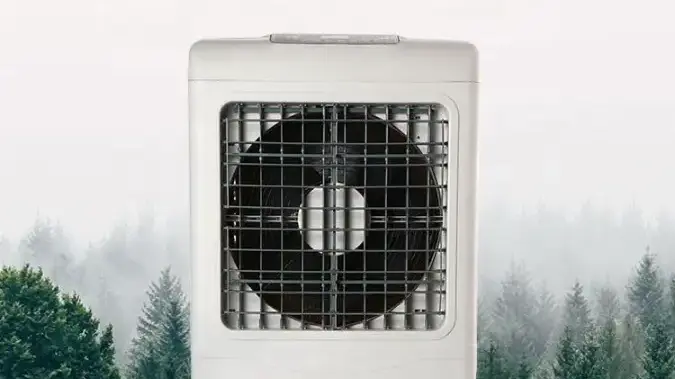
ความสามารถในการทำกำไรจากการกระจายสินค้าที่มีประสิทธิภาพขึ้นอยู่กับการตัดสินใจกำหนดราคาและการวางแผนสินค้าคงคลังทำงานร่วมกันอย่างไร. วิธีการที่มีโครงสร้างช่วยให้มั่นใจถึงอัตรากำไรที่มั่นคงในขณะที่รักษาสต็อกสินค้าให้สอดคล้องกับความต้องการของตลาดที่แท้จริง.
พัฒนาโครงสร้างราคาที่ปกป้องมาร์จิ้น
การกำหนดราคาต้องเป็นไปตามระบบที่ชัดเจนเพื่อหลีกเลี่ยงการลดราคาที่ไม่สามารถควบคุมได้และการพังทลายของมาร์จิ้นในตลาดที่มีการแข่งขันสูง.
รูปแบบการกำหนดราคาแบบมีโครงสร้างช่วยให้ผู้จัดจำหน่ายสร้างความแตกต่างให้กับลูกค้าและควบคุมความสามารถในการทำกำไรจากช่องทางการขายต่างๆ.
- การแบ่งส่วนลูกค้า: ระดับราคาที่แตกต่างกันสำหรับตัวแทนจำหน่าย, ผู้รับเหมา, และผู้ซื้อโดยตรงเพื่อสะท้อนมูลค่าการบริการและขนาดการสั่งซื้อ.
- การกำหนดราคาระดับ: การวางตำแหน่งผลิตภัณฑ์ที่มีโครงสร้างข้ามรายการ, ช่วงกลาง, และระดับพรีเมี่ยมเพื่อให้เหมาะกับงบประมาณที่แตกต่างกัน.
- การควบคุมระยะขอบ: กำหนดเกณฑ์กำไรขั้นต่ำที่ป้องกันไม่ให้การตัดสินใจด้านราคาเกิดปฏิกิริยาหรือไม่สอดคล้องกัน.
โครงสร้างการกำหนดราคาที่มีการควบคุมช่วยให้ผู้จัดจำหน่ายสามารถรักษาความสามารถในการทำกำไรได้แม้ว่าการแข่งขันในตลาดจะทวีความรุนแรงมากขึ้นก็ตาม.
จัดการวางแผนสินค้าคงคลังให้สอดคล้องกับความต้องการของตลาด
การจัดการสินค้าคงคลังควรมุ่งเน้นไปที่การสร้างสมดุลระหว่างความมั่นคงของอุปสงค์กับประสิทธิภาพของเงินทุน, โดยเฉพาะในตลาดตามฤดูกาลหรือตามโครงการ.
- การพยากรณ์ความต้องการ: ใช้แนวโน้มตามฤดูกาลและรอบโครงการเพื่อประเมินความต้องการในอนาคตได้แม่นยำยิ่งขึ้น.
- สต็อกความปลอดภัย: จัดทำบัฟเฟอร์สินค้าคงคลังเพื่อป้องกันการขาดแคลนในช่วงที่มียอดขายสูงสุด.
- การหมุนเวียนสินค้าคงคลัง: วัดประสิทธิภาพการเคลื่อนย้ายสต็อกและช่วยระบุผลิตภัณฑ์ที่เคลื่อนไหวช้าตั้งแต่เนิ่นๆ.
การวางแผนสินค้าคงคลังที่แข็งแกร่งจะช่วยลดแรงกดดันด้านกระแสเงินสด และช่วยให้ผู้จัดจำหน่ายสามารถตอบสนองความผันผวนของตลาดได้อย่างรวดเร็วโดยไม่ต้องสต๊อกสินค้ามากเกินไป.
ขยายความสามารถในการทำกำไรนอกเหนือจากการขายผลิตภัณฑ์
ความสามารถในการทำกำไรในระยะยาวในการกระจายสินค้าไม่ได้จำกัดอยู่ที่อัตรากำไรขั้นต้นของผลิตภัณฑ์. ผู้จัดจำหน่ายที่ประสบความสำเร็จสร้างกระแสมูลค่าเพิ่มเติมเกี่ยวกับการสนับสนุนวงจรชีวิตผลิตภัณฑ์.
อุปกรณ์เสริม เช่น แผ่นทำความเย็นและตัวกรองสร้างโอกาสในการซื้อซ้ำหลังจากการขายครั้งแรก. วัสดุสิ้นเปลืองสร้างความต้องการที่เกิดขึ้นซ้ำๆ, ในขณะที่แพ็คเกจบริการ เช่น การติดตั้งและการบำรุงรักษาช่วยปรับปรุงการรักษาลูกค้า. การขยายเวลาการรับประกันและข้อตกลงการบริการจะช่วยเพิ่มเสถียรภาพของกระแสเงินสดและลดการพึ่งพาการขายอุปกรณ์แบบครั้งเดียว.
แหล่งรายได้เหล่านี้เพิ่มมูลค่าตลอดช่วงชีวิตของลูกค้าอย่างมีนัยสำคัญ และเสริมสร้างความยืดหยุ่นทางธุรกิจในระยะยาวในตลาดที่มีการแข่งขันสูง.
แผนโลจิสติกส์, บริการหลังการขาย, และการควบคุมความเสี่ยง
เมื่อปริมาณการจัดจำหน่ายเพิ่มมากขึ้น, การดำเนินการมีความสำคัญพอๆ กับการเลือกใช้ผลิตภัณฑ์. โลจิสติกส์ที่มีประสิทธิภาพ, บริการที่เชื่อถือได้, และการบริหารความเสี่ยงเชิงรุกช่วยให้ผู้จัดจำหน่ายปกป้องอัตรากำไรในขณะเดียวกันก็สนับสนุนการเติบโตของธุรกิจในระยะยาว.
| ความสามารถในการจัดจำหน่าย | โฟกัสที่สำคัญ | ผลกระทบทางธุรกิจ |
|---|---|---|
| การจัดการเครือข่ายลอจิสติกส์ | คลังสินค้า, การประสานงานการขนส่ง, และการวางแผนการจัดส่ง | ปรับปรุงประสิทธิภาพการจัดส่ง, การปฏิบัติตามคำสั่งซื้อ, และความพึงพอใจของลูกค้า |
| การจัดการบริการหลังการขาย | การจัดการการรับประกัน, การปฏิบัติตามอะไหล่, และมาตรฐานการตอบรับการบริการ | เสริมสร้างการรักษาลูกค้าและสร้างความไว้วางใจในระยะยาว |
| การควบคุมความเสี่ยงด้านปฏิบัติการ | ความต่อเนื่องในการจัดหา, การวางแผนสินค้าคงคลัง, และการบริหารความเสี่ยงทางการเงิน | ปกป้องความสามารถในการทำกำไรและสนับสนุนการเติบโตของธุรกิจที่มั่นคง |
ความสำเร็จในระยะยาวขึ้นอยู่กับความสม่ำเสมอในการปฏิบัติงาน. ผู้จัดจำหน่ายที่รวมการจัดส่งที่เชื่อถือได้, การสนับสนุนลูกค้าที่ตอบสนอง, และการควบคุมความเสี่ยงที่มีประสิทธิผลจะอยู่ในตำแหน่งที่ดีกว่าในการขยายขนาดอย่างยั่งยืนและรักษาความได้เปรียบทางการแข่งขันในตลาด.
การสนับสนุนหลังการขายที่มีประสิทธิภาพไม่เพียงแต่เกี่ยวกับการจัดการการรับประกันเท่านั้น, แต่ยังเกี่ยวกับการช่วยให้ลูกค้าแก้ไขปัญหาการปฏิบัติงานทั่วไปผ่านความรู้ในการบำรุงรักษาที่เหมาะสมอีกด้วย. เรียนรู้เพิ่มเติมใน การบำรุงรักษาอากาศเย็น: การแก้ไขปัญหาปัญหาทั่วไป.
ขยายธุรกิจของคุณด้วยการสร้างแบรนด์ OEM และการปรับแต่งผลิตภัณฑ์
เมื่อการแข่งขันเพิ่มมากขึ้น, ผู้จัดจำหน่ายจะต้องสร้างความแตกต่างเหนือราคา. การสร้างแบรนด์ OEM และการปรับแต่งผลิตภัณฑ์ช่วยเพิ่มอัตรากำไร, เสริมสร้างความภักดีของลูกค้า, และสร้างมูลค่าทางธุรกิจในระยะยาว.
เหตุใดการสร้างแบรนด์ OEM จึงให้อัตรากำไรที่สูงกว่า
การขายสินค้าที่เหมือนกันมักนำไปสู่การแข่งขันด้านราคาโดยตรง. โดยการแนะนำกลุ่มผลิตภัณฑ์ฉลากส่วนตัว, ผู้จัดจำหน่ายสามารถลดการเปรียบเทียบโดยตรงและวางตำแหน่งผลิตภัณฑ์ของตนโดยยึดตามมูลค่ามากกว่าราคาเพียงอย่างเดียว.
กลุ่มผลิตภัณฑ์ที่มีตราสินค้ายังช่วยเสริมสร้างการรักษาลูกค้าอีกด้วย. เมื่อเวลาผ่านไป, ผู้จัดจำหน่ายได้รับความยืดหยุ่นในการกำหนดราคามากขึ้น และปรับปรุงความสามารถในการทำกำไรโดยการสร้างการรับรู้ให้กับแบรนด์ของตนเอง แทนที่จะส่งเสริมชื่อของผู้ผลิต.
ตัวเลือกการปรับแต่งที่ทำให้ผลิตภัณฑ์ของคุณแตกต่าง
ผู้ผลิตหลายรายเสนอบริการ OEM และ ODM ซึ่งช่วยให้ผู้จัดจำหน่ายสามารถปรับผลิตภัณฑ์ให้เข้ากับตลาดเฉพาะและความต้องการของลูกค้าได้.
| ตัวเลือกการปรับแต่ง OEM | ผลประโยชน์ทางธุรกิจ |
|---|---|
| โลโก้และการสร้างแบรนด์ผลิตภัณฑ์ | เสริมสร้างการรับรู้ถึงแบรนด์และเพิ่มการมองเห็นของตลาด |
| การออกแบบบรรจุภัณฑ์แบบกำหนดเอง | รองรับการวางตำแหน่งระดับพรีเมียมและปรับปรุงการนำเสนอแบรนด์ |
| ข้อมูลจำเพาะของผลิตภัณฑ์ | ปรับประสิทธิภาพของผลิตภัณฑ์ให้สอดคล้องกับข้อกำหนดของตลาดและการใช้งานในท้องถิ่น |
| Control Features and Functions | สร้างความแตกต่างผ่านประสบการณ์ผู้ใช้และฟังก์ชันการทำงานที่ปรับแต่งเอง |
Building Long-Term Brand Equity in Your Market
While higher margins are important, ข้อได้เปรียบที่ใหญ่ที่สุดของการสร้างแบรนด์ OEM คือความสามารถในการสร้างสถานะทางการตลาดที่เป็นที่รู้จัก. Strong brands increase customer trust, ปรับปรุงความภักดีของตัวแทนจำหน่าย, and create long-term business value.
เมื่อการรับรู้ถึงแบรนด์เติบโตขึ้น, ผู้จัดจำหน่ายต้องพึ่งพาการแข่งขันด้านราคาน้อยลงและมีสถานะที่ดีขึ้นสำหรับการเติบโตที่ยั่งยืน.
Evaluating certifications, ขั้นตอนการทดสอบ, และความมั่นคงของอุปทานเป็นเพียงส่วนหนึ่งของกระบวนการคัดเลือกเท่านั้น. ผู้ซื้อควรตรวจสอบว่าผู้ผลิตควบคุมคุณภาพตั้งแต่วัตถุดิบจนถึงการตรวจสอบขั้นสุดท้ายอย่างไร. เพื่อการมองที่ใกล้ยิ่งขึ้น Yika’s quality management เข้าใกล้, อ่าน Yika รับประกันคุณภาพที่ดีที่สุดของแอร์คูลเลอร์และเครื่องทำความร้อนไฟฟ้าของคุณได้อย่างไร?
คำถามที่พบบ่อย
อัตรากำไรโดยทั่วไปสำหรับผู้จัดจำหน่ายเครื่องทำความเย็นด้วยอากาศเชิงพาณิชย์คือเท่าใด 2026?
For a commercial air cooler distributor, the typical gross profit margin ranges from 15% ถึง 25%. A healthy net profit margin is generally between 8% และ 12%, โดยมีผู้จัดจำหน่ายที่มีประสิทธิภาพสูงเข้าถึงได้ 12% ถึง 15%. ตัวเลขเหล่านี้สอดคล้องกับเกณฑ์มาตรฐานสำหรับการจำหน่ายอุปกรณ์อุตสาหกรรมและระบบ HVAC.
ต้องใช้เงินลงทุนเริ่มแรกเท่าไรในการเริ่มธุรกิจจำหน่ายเครื่องทำความเย็น?
เริ่มต้นจากระดับเล็กๆ, โดยทั่วไปแล้วธุรกิจจำหน่ายเครื่องทำความเย็นอากาศในท้องถิ่นต้องใช้เงินลงทุนเริ่มแรกประมาณ ₹1– ₹3 แสนบาท. This capital primarily covers initial inventory, พื้นที่เก็บข้อมูลพื้นฐาน, โลจิสติกส์ท้องถิ่น, และการตลาด. การดำเนินการที่ใหญ่กว่าเล็กน้อยที่เกี่ยวข้องกับชิ้นส่วนนำเข้าอาจต้องใช้เงินลงทุน ₹5– ₹10 lakhs.
อะไรคือความเสี่ยงที่ใหญ่ที่สุดในธุรกิจจำหน่ายเครื่องทำความเย็นอากาศ?
ความเสี่ยงที่สำคัญ ได้แก่ อุปสงค์ตามฤดูกาลซึ่งเชื่อมโยงกับสภาพอากาศ, การแข่งขันด้านราคาที่รุนแรง, และสินค้าคงคลังล้าสมัยหากไม่มีการขายสต็อกภายในสิ้นฤดูกาล. ความเสี่ยงที่สำคัญอื่นๆ คือการจัดการเงินทุนหมุนเวียนเนื่องจากการให้สินเชื่อแก่ผู้ค้าปลีก, ความล้มเหลวด้านคุณภาพผลิตภัณฑ์ที่อาจเกิดขึ้น, และความกังวลด้านสุขภาพที่เกี่ยวข้องกับการเจริญเติบโตของจุลินทรีย์หากผู้ใช้ปลายทางไม่ได้รับการดูแลอย่างเหมาะสม.
ฉันควรประเมินผู้ผลิตสำหรับความร่วมมือในการจัดจำหน่ายระยะยาวอย่างไร?
มุ่งเน้นไปที่สี่ด้านหลัก: ความพอดีทางกลยุทธ์ (ผลิตภัณฑ์ของพวกเขาสอดคล้องกับตลาดของคุณ), ความมีชีวิตในเชิงพาณิชย์ (การกำหนดราคาช่วยให้มีอัตรากำไรที่ยั่งยืน), ความน่าเชื่อถือของห่วงโซ่อุปทาน (ระยะเวลารอคอยสินค้าที่สม่ำเสมอและความพร้อมของผลิตภัณฑ์), และการควบคุมคุณภาพ (ผลิตภัณฑ์ที่ได้รับการรับรองซึ่งมีอัตราความล้มเหลวต่ำ). ความร่วมมือที่แข็งแกร่งยังขึ้นอยู่กับการสื่อสารที่ชัดเจนและความมุ่งมั่นร่วมกันในการเติบโต.
ฉันจำเป็นต้องมีใบรับรองท้องถิ่นเพื่อขายเครื่องทำความเย็นอากาศในประเทศต่างๆ หรือไม่?
ใช่, คุณจำเป็นต้องปฏิบัติตามกฎระเบียบท้องถิ่นเกือบทุกครั้ง. ตัวอย่างเช่น, สหภาพยุโรปกำหนดให้มีเครื่องหมาย CE เพื่อความปลอดภัยทางไฟฟ้าและ EMC. ในประเทศอินเดีย, ผลิตภัณฑ์อาจต้องมีการทดสอบความปลอดภัยและสำนักอนุรักษ์พลังงาน (ผึ้ง) การติดฉลาก. สหรัฐอเมริกา. มีกรมพลังงาน (กรมวิชาการเกษตร) มาตรฐานสำหรับเครื่องทำความเย็นบางประเภทและความคาดหวังของตลาดสำหรับเครื่องหมายความปลอดภัย เช่น UL หรือ ETL. เป็นตัวแทนจำหน่าย, คุณต้องแน่ใจว่าผลิตภัณฑ์ทุกชิ้นตรงตามข้อกำหนดเฉพาะของตลาดปลายทาง.
ความคิดสุดท้าย
การสร้างความสำเร็จ ประกอบกิจการจำหน่ายเครื่องทำความเย็นเชิงพาณิชย์ ต้องการมากกว่าการจัดหาผลิตภัณฑ์ในราคาที่แข่งขันได้. การเติบโตที่ยั่งยืนมาจากการผสมผสานกลยุทธ์ทางการตลาดที่เหมาะสม, พันธมิตรด้านการจัดหาที่เชื่อถือได้, การดำเนินงานที่มีประสิทธิภาพ, และคุณค่าของลูกค้าในระยะยาว.
เนื่องจากความต้องการระบบทำความเย็นแบบประหยัดพลังงานยังคงเพิ่มขึ้นอย่างต่อเนื่อง, การเลือกพันธมิตรการผลิตที่เหมาะสมสามารถสร้างความได้เปรียบทางการแข่งขันที่ยั่งยืนได้. กลม สนับสนุนผู้จัดจำหน่ายด้วยเครื่องทำความเย็นอากาศเชิงพาณิชย์ที่เชื่อถือได้, โซลูชั่นการสร้างแบรนด์ OEM, และความสามารถในการจัดหาที่มั่นคง. ติดต่อทีมงานของเรา เพื่อสำรวจผลิตภัณฑ์ที่เหมาะสมและโอกาสในการเป็นหุ้นส่วนสำหรับตลาดของคุณ.