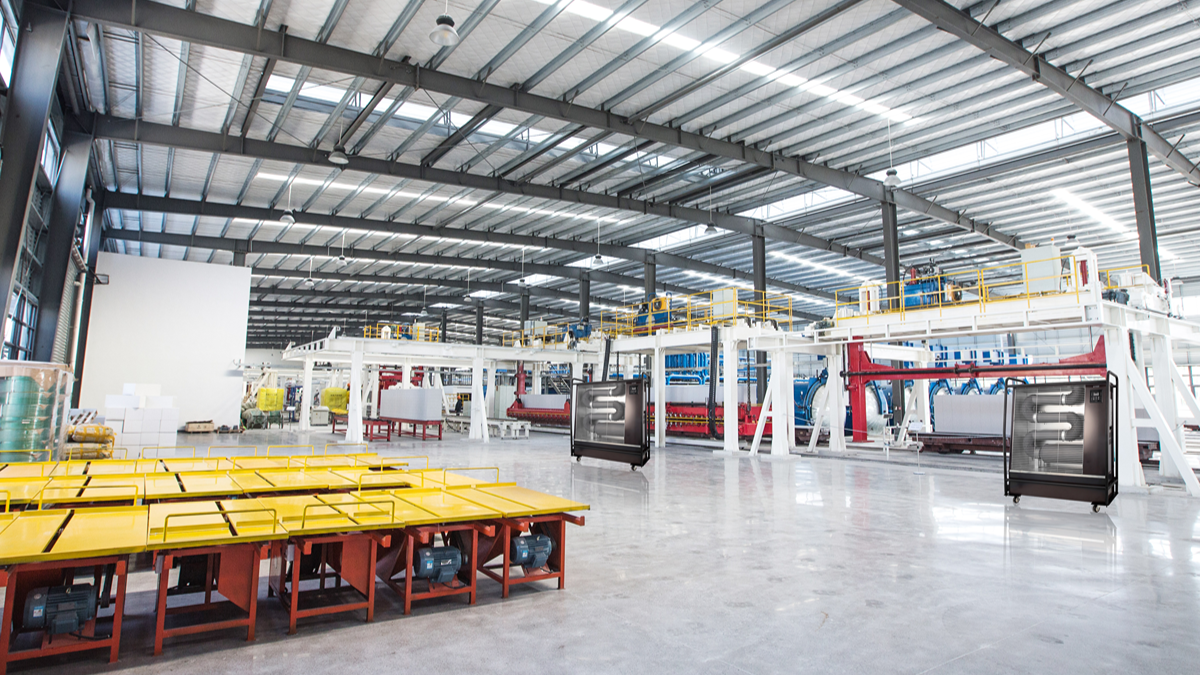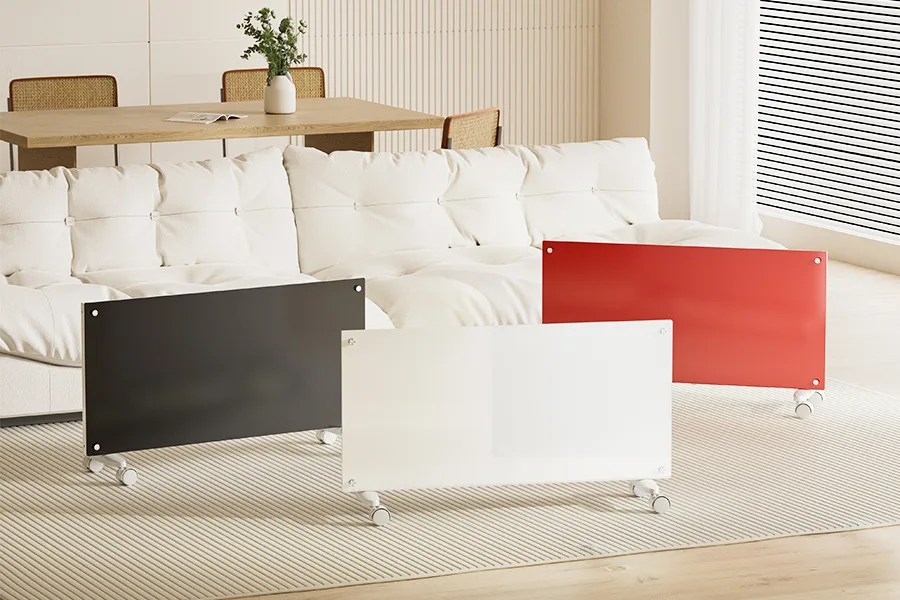
Aquecedores elétricos domésticos são amplamente utilizados para aquecimento sazonal em residências, apartamentos, e pequenos espaços comerciais. Embora sejam geralmente confiáveis e fáceis de usar, sua vida útil pode variar significativamente dependendo do design, hábitos de uso, e meio ambiente.
Compreender quanto tempo dura um aquecedor – e o que afeta seu desempenho ao longo do tempo – ajuda os usuários a tomar melhores decisões de compra e evitar falhas inesperadas durante as estações frias.
Vida útil média de aquecedores elétricos domésticos
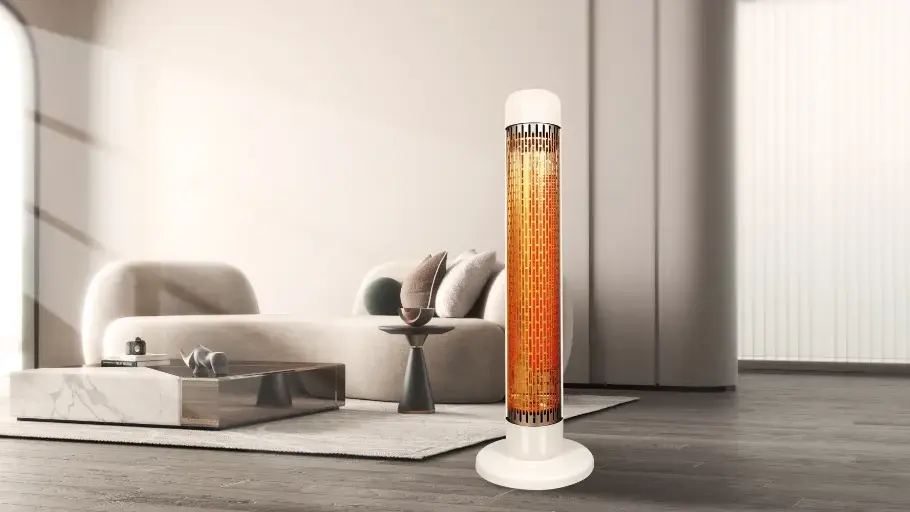
A vida útil de um aquecedor elétrico doméstico não é fixa. Depende da tecnologia de aquecimento, estrutura interna, e como o produto é usado no dia a dia. Em geral, a maioria dos aquecedores são projetados para operar com segurança por muitos anos, mas as condições do mundo real muitas vezes encurtam ou prolongam a sua vida útil.
Vida útil típica por tipo
Diferentes tipos de aquecedores apresentam diferenças claras em termos de durabilidade porque utilizam diferentes métodos de aquecimento e estruturas internas.
| Tipo de aquecedor | Vida útil típica | Fator Principal |
|---|---|---|
| Aquecedor com Ventilador | 3–5 anos | Desgaste mecânico |
| Aquecedor Cheio de Óleo | 8–12+ anos | Estrutura selada |
| Cerâmica / Infravermelho | 5–10 anos | Durabilidade do elemento de aquecimento |
Condições de uso no mundo real
A vida útil real do aquecedor geralmente varia entre as residências porque os padrões de uso raramente são os mesmos. Alguns usuários operam aquecedores ocasionalmente durante curtos períodos de frio, enquanto outros dependem deles para aquecimento diário durante todo o inverno.
Duração operacional, frequência de aquecimento, e os hábitos de uso do espaço influenciam o desgaste a longo prazo ao longo do tempo. Como resultado, duas residências que usam o mesmo modelo de aquecedor ainda podem ter vidas úteis muito diferentes no uso diário prático.
Vida útil esperada versus vida útil real
A vida útil avaliada pelo fabricante é baseada em ambientes de testes controlados, que são muito diferentes das condições reais de utilização doméstica.
Em testes laboratoriais, aquecedores operam com tensão estável, fluxo de ar controlado, e ciclos de aquecimento otimizados. No uso diário real, no entanto, fatores como acúmulo de poeira, flutuação de temperatura, e a fonte de alimentação instável aumenta gradualmente o estresse interno ao longo do tempo.
Esta lacuna de desempenho reflete a diferença entre as condições ideais de teste e a operação no mundo real, e não problemas de qualidade do produto.
Principais fatores que afetam a vida útil do aquecedor
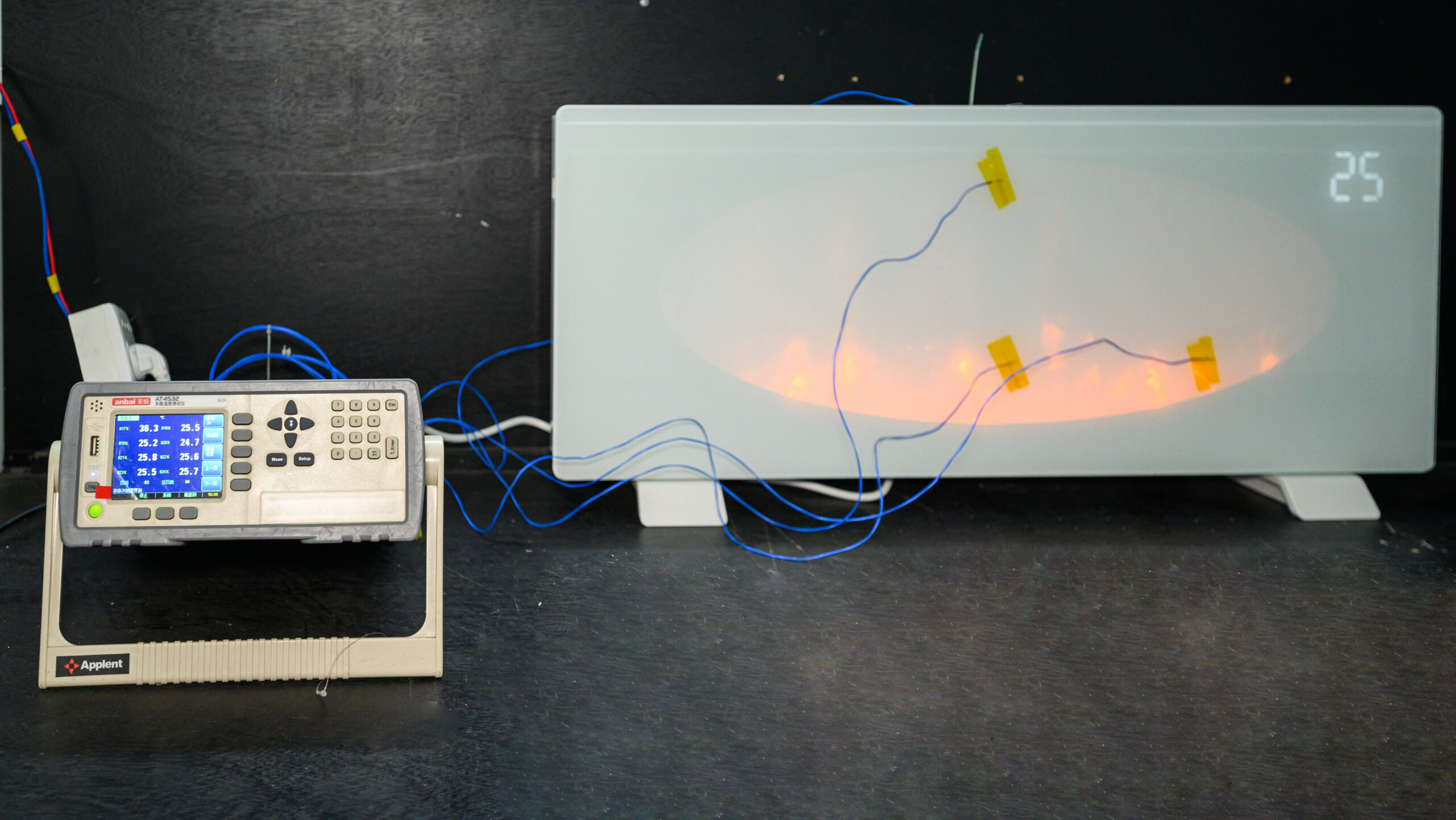
A vida útil do aquecedor é influenciada pelas condições físicas de uso, fatores ambientais, e estabilidade elétrica.
Intensidade de uso e carga operacional
A operação frequente e os longos ciclos de aquecimento aumentam gradualmente o estresse nos componentes internos, especialmente em modos de aquecimento de alta potência.
- Operação Contínua: Aumenta o estresse térmico nos elementos de aquecimento.
- Alto uso de energia: Configurações altas constantes aceleram o envelhecimento dos componentes.
- Ciclismo liga-desliga: A comutação frequente cria estresse elétrico de longo prazo.
Condições Ambientais e de Colocação
O ambiente circundante desempenha um papel importante na durabilidade do produto.
O fluxo de ar insuficiente pode reter o calor dentro da unidade e aumentar o risco de superaquecimento. Ao mesmo tempo, o acúmulo de poeira reduz a eficiência do aquecimento e pode bloquear as vias de ventilação. Em ambientes úmidos, a umidade também pode afetar a estabilidade elétrica a longo prazo.
Estabilidade Elétrica e Qualidade de Energia
A entrada de energia estável é essencial para operação a longo prazo.
- Flutuação de tensão: Causa estresse nos circuitos internos.
- Risco de sobrecarga: Circuitos fracos levam a desempenho instável.
- Picos de energia: Picos repentinos podem danificar componentes permanentemente.
Sinais de desgaste e declínio de desempenho
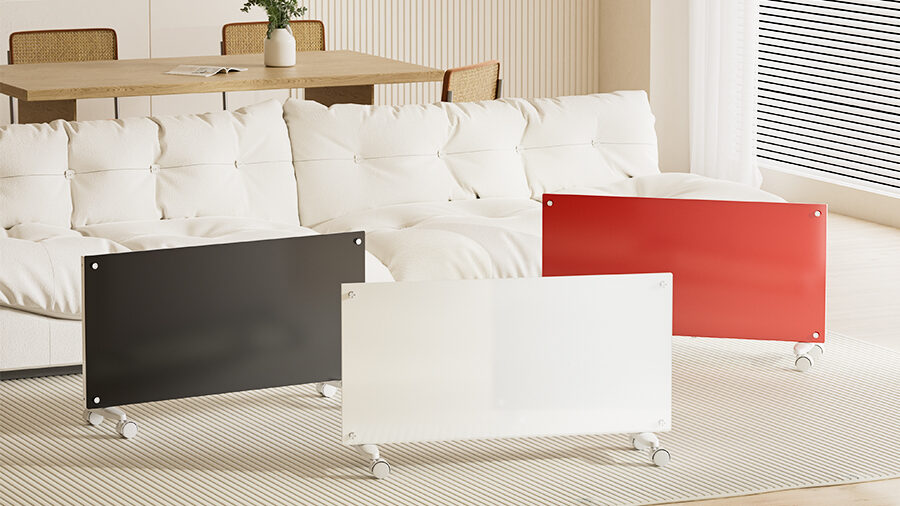
A maioria dos aquecedores apresenta declínio gradual de desempenho antes da falha. Reconhecer os primeiros sinais ajuda a prevenir riscos de segurança e avarias inesperadas.
Mudanças no desempenho de aquecimento
Um dos primeiros sinais de envelhecimento é o declínio do desempenho de aquecimento. O aquecedor pode demorar mais para aquecer, produzir calor desigual, ou gerar uma produção de calor mais fraca do que antes.
Mudanças de ruído e odor
- Ruído incomum: Ventilador ou peças internas desgastadas.
- Cheiro de queimado: Acúmulo de poeira ou superaquecimento de componentes.
- Aumento de vibração: Desequilíbrio mecânico ao longo do tempo.
Aumento do consumo de energia
- Maior uso de eletricidade: A mesma produção requer mais energia.
- Maior tempo de operação: O aquecedor funciona com mais frequência.
- Eficiência Reduzida: A produção de calor por kWh diminui.
Dicas de manutenção para prolongar a vida útil
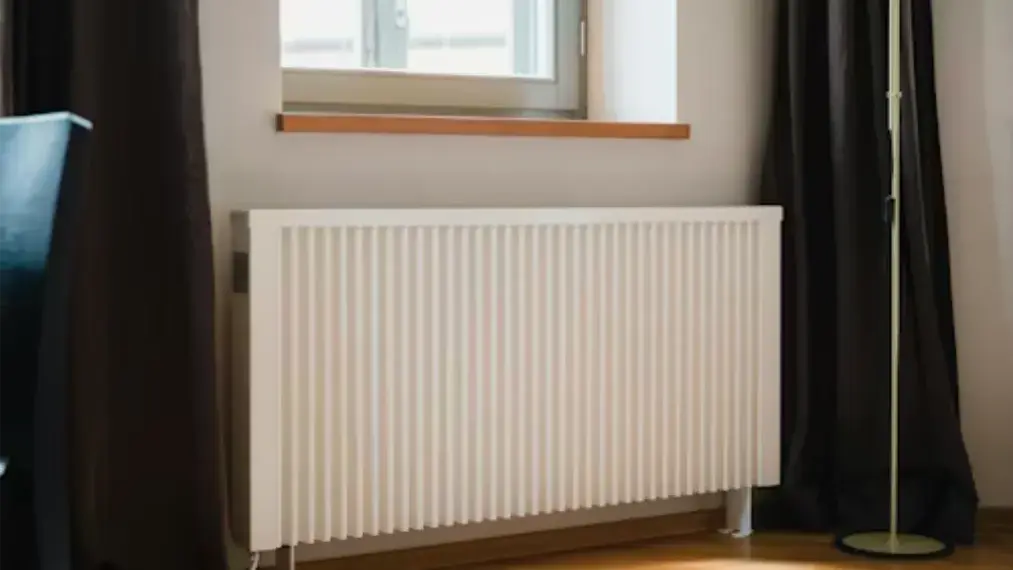
A manutenção adequada ajuda a melhorar segurança, eficiência, e durabilidade a longo prazo.
Limpeza e manutenção do fluxo de ar
O acúmulo de poeira é uma das causas mais comuns de superaquecimento e desempenho instável.
- Remoção de poeira: Evita o bloqueio do fluxo de ar e o superaquecimento.
- Limpeza de ventilação: Mantém a circulação de calor estável.
- Limpeza de superfícies: Mantém as peças externas em boas condições.
A limpeza regular também ajuda a manter um desempenho de aquecimento mais consistente durante o uso sazonal intenso.
Práticas seguras de operação diária
Os hábitos de operação diários têm um impacto direto na vida útil do aquecedor e no desempenho de segurança.
- Evite sobrecarga: Fique dentro da capacidade nominal.
- Colocação estável: Mantenha em superfícies planas e ventiladas.
- Uso controlado: Evite operações longas e contínuas desnecessárias.
Armazenamento e cuidados sazonais
O armazenamento adequado fora de temporada ajuda a proteger os componentes internos contra danos ambientais.
- Armazenamento a seco: Previne problemas relacionados à umidade.
- Proteção de Cabo: Evita flexões ou danos por pressão.
- Verificação sazonal: Teste o aquecedor antes de reutilizá-lo a cada temporada.
Guia de decisão para reparar ou substituir
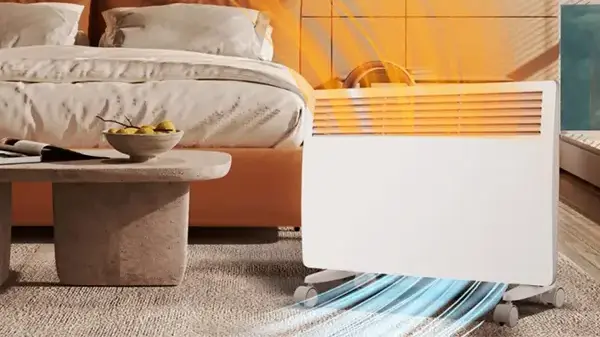
Quando os problemas de desempenho se tornarem perceptíveis, o próximo passo é avaliar se o reparo ainda é prático ou se a substituição oferece melhor valor e segurança a longo prazo.
Fatores de viabilidade de reparo
As decisões de reparo devem ser baseadas na praticidade de longo prazo e não na conveniência de curto prazo. Em muitos casos, o reparo ainda é razoável para unidades mais novas com pequenos problemas de desempenho, enquanto aquecedores mais antigos podem não fornecer mais valor estável a longo prazo após o reparo.
- Custo de reparo: Altas despesas de reparo podem exceder o valor de reposição.
- Disponibilidade de componentes: Unidades mais antigas podem não ter peças sobressalentes.
- Gravidade dos danos: Problemas menores geralmente são mais fáceis de reparar.
Considerações de segurança e eficiência
A segurança deve sempre ser priorizada em relação à economia de custos no curto prazo.
Superaquecimento frequente, comportamento de aquecimento instável, e o declínio da eficiência muitas vezes indicam que o aquecedor está se aproximando do fim de seu ciclo de vida operacional confiável. Unidades mais antigas também têm maior probabilidade de sofrer falhas repetidas ao longo do tempo.
Opções de substituição recomendadas
Diferentes tipos de aquecedores são adequados para diferentes necessidades de aquecimento doméstico.
- Uso de quartos pequenos: Cerâmica compacta ou aquecedores de ventilador.
- Aquecimento de longa duração: Aquecedores a óleo para aquecimento estável.
- Necessidades de aquecimento rápido: Aquecedores infravermelhos para entrega rápida de calor.
Principais conclusões e percepções práticas
A vida útil de um aquecedor elétrico doméstico depende muito de tipo de aquecedor, hábitos de uso, e ambiente operacional. Embora as classificações do fabricante forneçam uma referência geral, o desempenho no mundo real geralmente é afetado por fatores como exposição à poeira, estabilidade de potência, e intensidade operacional diária.
A manutenção regular e hábitos de uso adequados podem prolongar significativamente a vida útil e melhorar a estabilidade do aquecimento. Quando o declínio do desempenho começa a afetar a segurança ou a eficiência, a substituição costuma ser uma solução mais prática a longo prazo do que reparos repetidos.
Perguntas frequentes
Com que frequência devo limpar um aquecedor elétrico doméstico?
Recomenda-se limpar um aquecedor elétrico doméstico a cada poucas semanas durante épocas de uso intenso.. A limpeza regular ajuda a prevenir o acúmulo de poeira, manter a eficiência do fluxo de ar, e reduzir os riscos de superaquecimento.
Qual é a maneira mais segura de usar um aquecedor diariamente?
A abordagem mais segura é evitar operação contínua de alta potência, mantenha o aquecedor em uma superfície estável, e garantir ventilação adequada para evitar superaquecimento.
Qual a melhor forma de guardar um aquecedor fora da temporada?
Os aquecedores devem ser armazenados em local seco, ambiente livre de poeira, com cabos devidamente protegidos. As verificações sazonais antes da reutilização ajudam a garantir uma operação segura no próximo ciclo de aquecimento.