>

How to Build a Commercial Air Cooler Distribution Business

How to Build a Commercial Air Cooler Distribution Business

목차

목차

Commercial air cooler distribution business success depends on more than sourcing products at low cost. Many distributors struggle with low margins, poor supplier selection, and unstable demand because they lack a structured business model. Without the right approach, even growing markets can lead to cash flow pressure and inconsistent profitability.

This guide shows how to build a profitable commercial air cooler distribution business by selecting the right sales model, evaluating manufacturers, controlling pricing and inventory, and developing scalable operations. It helps distributors, wholesalers, and HVAC importers reduce risk, improve margins, and build a long-term sustainable business.

Understand the Commercial Air Cooler Market Opportunity

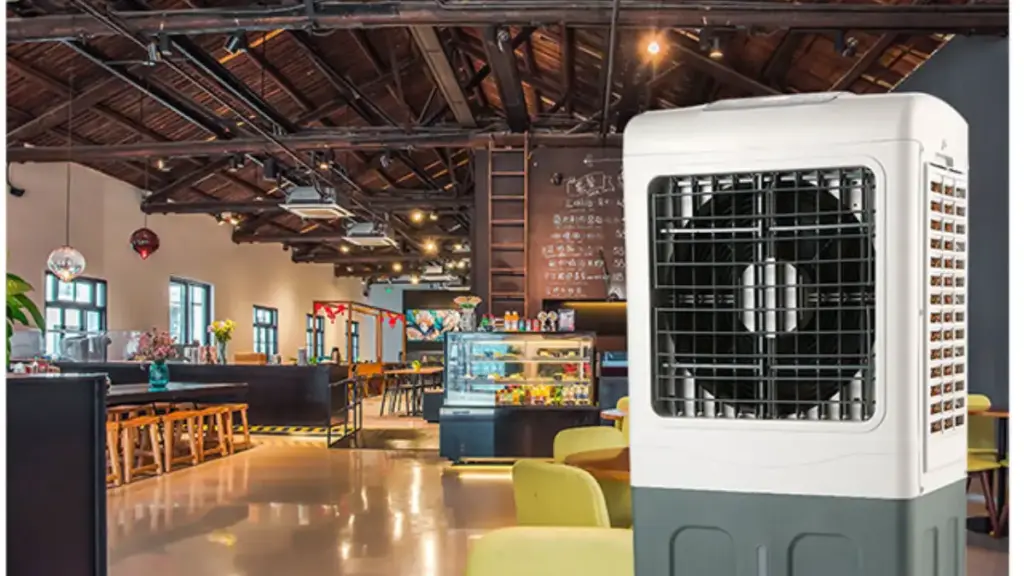
commercial air cooler in mall (1)

Commercial air cooler distribution business success starts with identifying where real demand exists and how different industries adopt cooling solutions under cost and environmental pressure.

Market Growth Trends and Demand Drivers

Commercial air cooler demand is shaped by long-term economic and industrial changes rather than short-term seasonal conditions. Understanding these drivers helps distributors identify stable, high-volume opportunities.

  • 에너지 효율성: Lower electricity consumption reduces operational costs, making air coolers attractive for 대규모 상업공간 with continuous usage.
  • Rising electricity costs: High energy prices force factories and warehouses to replace or reduce traditional air conditioning usage.
  • Sustainability initiatives: Evaporative cooling avoids refrigerants, helping companies meet environmental and compliance requirements.
  • Industrial expansion: Manufacturing growth in emerging markets increases demand for scalable cooling solutions in large facilities.

These factors make the market more resilient, especially in regions where energy costs directly impact production efficiency and profitability.

High-Potential Customer Segments and Applications

Different industries adopt commercial air coolers for different operational reasons. Identifying these differences helps distributors avoid generic selling and focus on higher conversion opportunities.

  • 창고: Cooling focuses on worker comfort in large, semi-open areas where full HVAC systems are too expensive.
  • Manufacturing facilities: Equipment heat and production density create constant demand for localized cooling zones.
  • Agriculture: Temperature control directly affects yield quality in greenhouses and livestock environments.
  • 환대: Outdoor dining and event spaces require flexible and visible cooling performance.
  • 소매: Targeted cooling improves customer comfort without modifying full building infrastructure.

Industrial buyers prioritize durability and energy savings, while service industries value comfort experience and system flexibility, creating different sales strategies for each segment.

Serving these diverse customer segments requires products that can adapt to different environments, cooling capacities, 및 운영상 필요. Learn more about Yika’s capabilities as a 중국의 상업용 공기 냉각기 제조업체 and how we support distributors with a wide range of commercial cooling solutions.

Regional Opportunities and Climate Considerations

Climate conditions significantly influence product performance and market acceptance. Successful distributors align product positioning with environmental suitability instead of applying a uniform strategy.

  • Hot and dry regions: Low humidity allows evaporative cooling systems to perform at maximum efficiency and customer satisfaction levels.
  • Emerging economies: Infrastructure limitations and cost sensitivity accelerate adoption of low-cost cooling alternatives.
  • Climate suitability: High humidity areas reduce cooling efficiency, requiring hybrid positioning or alternative applications such as ventilation support.

Distribution success is often higher in inland industrial zones, where temperature is high but humidity remains moderate, creating ideal operating conditions for air coolers.

좀 더 자세한 설명을 위해 습한 기후가 증발 냉각기에 미치는 영향, 우리는 그것을 별도의 기사에서 다루었습니다.

Choose the Right Air Cooler Distribution Model

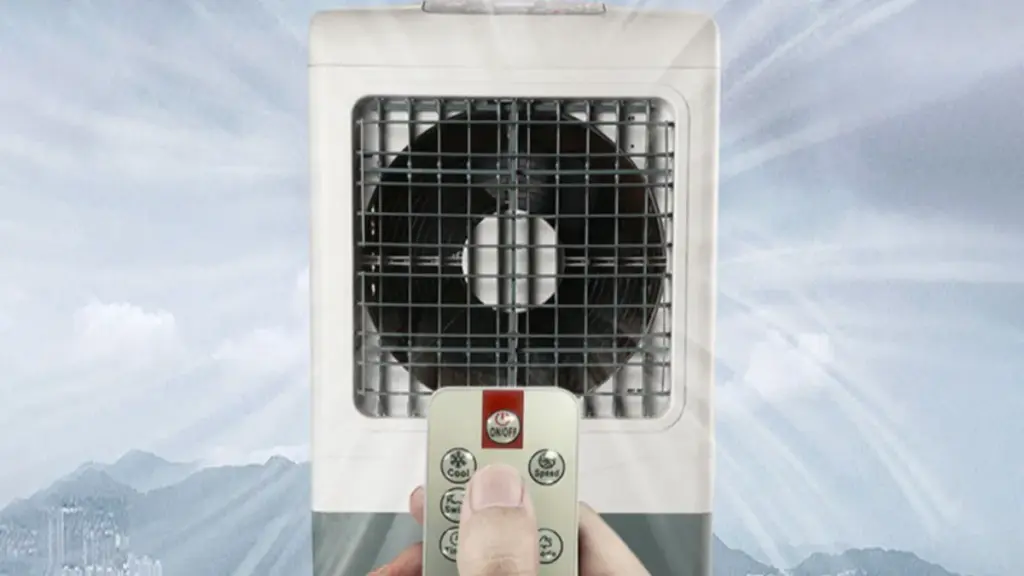
상업용 공기 냉각기 제어.jpg

Selecting a distribution model directly influences capital efficiency, risk exposure, and long-term profitability. Each model works under different commercial conditions, so the right choice depends on how a business balances growth speed and operational control.

Comparing Trading, Wholesale, and Project-Based Distribution

Different distribution models require different levels of investment, operational capability, and customer engagement. Understanding their strengths and limitations helps distributors choose a structure that aligns with their business goals and available resources.

Distribution Model Comparison

Distribution Model Capital Requirement Profit Margin Sales Cycle Key Advantage Main Risk
Trading 낮은 Low–Medium Short Fast market entry Weak pricing control
Wholesale Medium–High 중간 중간 Stable repeat orders Inventory pressure
Project-Based Low–Medium 높은 Long High-value contracts Long sales cycle

Many distributors use a combination of these models rather than relying on a single channel. A hybrid approach can balance short-term cash flow with long-term profitability. 예를 들어, trading supports quick market entry, wholesale creates stable sales volume, and project-based sales provide access to higher-margin commercial opportunities. The right mix depends on your available resources, customer base, and growth objectives.

Evaluating Organizational Capabilities and Market Resources

A distribution model only works when it matches internal capability. Strong market demand cannot compensate for weak execution capacity.

  • Sales capability: Determines how effectively the business manages quotations, negotiations, and long B2B cycles.
  • Technical expertise: Supports accurate product selection and system sizing in commercial environments.
  • Market access: Reflects existing connections with dealers, contractors, or industrial buyers.
  • Customer relationships: Improves repeat orders and reduces acquisition cost.

Different models stress different capabilities. Project-based sales require stronger technical support, while wholesale relies more on operational efficiency and inventory discipline.

Selecting the Best Model for Your Business Stage

Distribution strategy should evolve with business maturity rather than remain fixed. Each growth stage requires a different balance of risk and capital.

  • Startup stage: Trading model allows low-risk entry and fast validation of product demand.
  • Growth stage: Wholesale model improves supply stability and strengthens dealer networks.
  • Scale stage: Project-based or hybrid models maximize margins and build long-term market positioning.

Choosing too advanced a model early often leads to cash flow stress and slows sustainable expansion.

Source Certified, Factory-Direct Air Coolers

Leverage our 200,000 unit monthly capacity for your private-label or wholesale needs. Our fully certified and tested products ensure market-ready quality and reliability for your brand.

OEM 모델 살펴보기 →

CTA 이미지

Find a Reliable Air Cooler Manufacturer

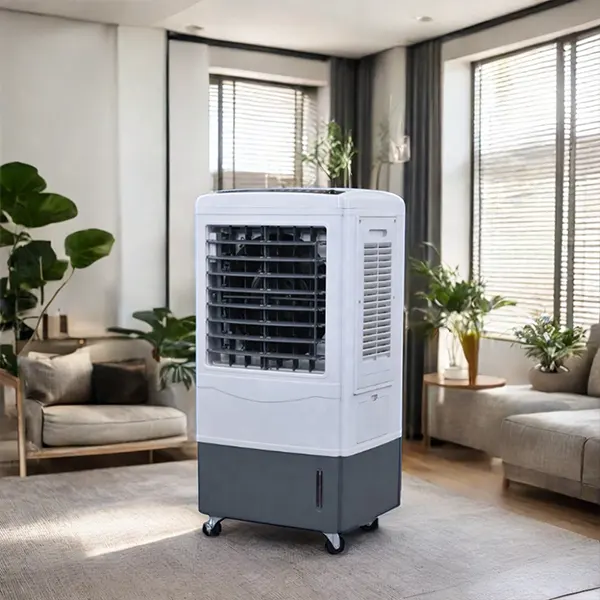
2 공기 냉각기 흰색 배경

Choosing the right manufacturer determines long-term product stability, customer satisfaction, and supply chain reliability. A weak supplier often creates hidden risks that only appear after scaling the business.

Manufacturer Evaluation Overview

Evaluation Area Key Criteria Business Impact
Quality Management System ISO 9001 certification, production control, traceability systems, and quality inspection procedures Supports consistent product quality and reduces long-term warranty and defect risks
Product Compliance & 기술지원 CE, ETL, UL certifications, performance testing, and engineering assistance Improves market access, regulatory compliance, and project execution capability
Commercial Terms & Supply Reliability 모크, lead time, warranty policies, and spare parts availability Protects cash flow, ensures stable supply, and strengthens after-sales support

A reliable manufacturer is not only a supplier but a long-term operational partner. Supply stability and system control often matter more than small price differences.

Build a Profitable Pricing and Inventory Strategy

공기 냉각기 소개

Effective distribution profitability depends on how pricing decisions and inventory planning work together. A structured approach ensures stable margins while keeping stock aligned with real market demand.

Develop a Pricing Structure That Protects Margins

Pricing must follow a clear system to avoid uncontrolled discounting and margin erosion in competitive markets.

A structured pricing model helps distributors differentiate customers and control profitability across different sales channels.

  • Customer segmentation: Different pricing levels for dealers, contractors, and direct buyers to reflect service value and order size.
  • Tier pricing: Structured product positioning across entry, mid-range, and premium levels to match different budgets.
  • Margin control: Defined minimum profit thresholds that prevent pricing decisions from becoming reactive or inconsistent.

A controlled pricing structure helps distributors maintain profitability even when market competition intensifies.

Align Inventory Planning with Market Demand

Inventory management should focus on balancing demand stability with capital efficiency, especially in seasonal or project-driven markets.

  • Demand forecasting: Uses seasonal trends and project cycles to estimate future demand more accurately.
  • Safety stock: Provides buffer inventory to prevent shortages during peak sales periods.
  • Inventory turnover: Measures how efficiently stock moves and helps identify slow-moving products early.

Strong inventory planning reduces cash flow pressure and ensures distributors can respond quickly to market fluctuations without overstocking.

Expand Profitability Beyond Product Sales

Long-term profitability in distribution is not limited to product margins. Successful distributors build additional value streams around product lifecycle support.

Accessories such as cooling pads and filters create repeat purchase opportunities after the initial sale. Consumables generate recurring demand, while service packages like installation and maintenance improve customer retention. Extended warranties and service agreements further stabilize cash flow and reduce reliance on one-time equipment sales.

These revenue streams significantly increase customer lifetime value and strengthen long-term business resilience in competitive markets.

Plan Logistics, After-Sales Service, and Risk Control

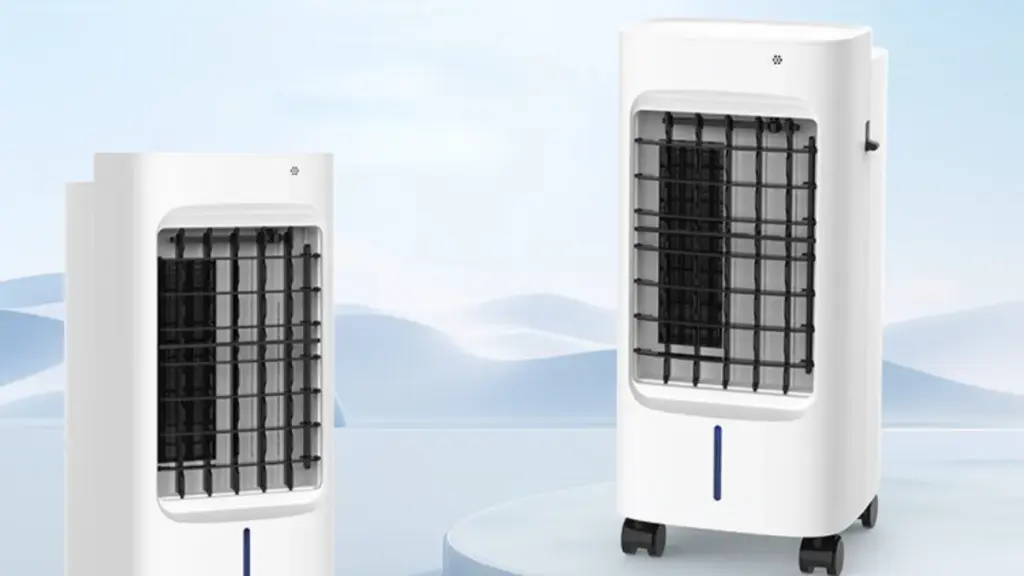
상업용 애플리케이션의 JC369 공기 냉각기

As distribution volume grows, operational execution becomes just as important as product selection. Efficient logistics, reliable service, and proactive risk management help distributors protect margins while supporting long-term business growth.

Distribution Capability Key Focus Business Impact
Logistics Network Management Warehousing, transportation coordination, and delivery planning Improves delivery efficiency, order fulfillment, and customer satisfaction
After-Sales Service Management Warranty handling, spare parts fulfillment, and service response standards Strengthens customer retention and builds long-term trust
Operational Risk Control Supply continuity, inventory planning, and financial risk management Protects profitability and supports stable business growth

Long-term success depends on operational consistency. Distributors that combine reliable delivery, responsive customer support, and effective risk control are better positioned to scale sustainably and maintain a competitive advantage in the market.

Effective after-sales support is not only about warranty handling, but also about helping customers solve common operational issues through proper maintenance knowledge. Learn more in 공기 냉각기 유지 관리: 일반적인 문제 해결.

Grow Your Business with OEM Branding and Product Customization

아르 자형&라 토론

As competition increases, distributors must create differentiation beyond price. OEM branding and product customization help improve margins, strengthen customer loyalty, and build long-term business value.

Why OEM Branding Delivers Higher Margins

Selling identical products often leads to direct price competition. By introducing a private-label product line, distributors can reduce direct comparisons and position their products based on value rather than price alone.

A branded product portfolio also strengthens customer retention. 시간이 지남에 따라, distributors gain greater pricing flexibility and improve profitability by building recognition around their own brand instead of promoting the manufacturer’s name.

Customization Options That Differentiate Your Products

Many manufacturers offer OEM and ODM services that allow distributors to adapt products for specific markets and customer requirements.

OEM Customization Option Business Benefit
Logo and Product Branding Strengthens brand recognition and increases market visibility
Custom Packaging Design Supports premium positioning and improves brand presentation
Product Specifications Aligns product performance with local market and application requirements
Control Features and Functions Creates differentiation through customized user experience and functionality

Building Long-Term Brand Equity in Your Market

While higher margins are important, the biggest advantage of OEM branding is the ability to build a recognizable market presence. Strong brands increase customer trust, improve dealer loyalty, and create long-term business value.

As brand awareness grows, distributors become less dependent on price competition and better positioned for sustainable growth.

Evaluating certifications, testing procedures, and supply stability is only part of the selection process. Buyers should also examine how a manufacturer controls quality from raw materials to final inspection. For a closer look at Yika’s quality management approach, read Yika는 어떻게 공기 냉각기와 전기 히터의 최고 품질을 보장합니까??

자주 묻는 질문

What is the typical profit margin for a commercial air cooler distributor in 2026?

For a commercial air cooler distributor, the typical gross profit margin ranges from 15% 에게 25%. A healthy net profit margin is generally between 8% 그리고 12%, with high-performing distributors potentially reaching 12% 에게 15%. These figures align with benchmarks for industrial and HVAC equipment distribution.

How much initial investment is required to start an air cooler distribution business?

Starting a small-scale, local air cooler distribution business typically requires an initial investment of about ₹1–₹3 lakhs. This capital primarily covers initial inventory, basic storage, local logistics, and marketing. A slightly larger operation involving imported parts may require an investment of ₹5–₹10 lakhs.

What are the biggest risks in the air cooler distribution business?

Key risks include highly seasonal demand tied to weather, intense price competition, and inventory obsolescence if stock isn’t sold by the end of the season. Other significant risks are managing working capital due to credit extended to retailers, potential product quality failures, and health concerns related to microbial growth if units are not properly maintained by end-users.

How should I evaluate a manufacturer for a long-term distribution partnership?

Focus on four main areas: strategic fit (their products align with your market), commercial viability (pricing allows for sustainable margins), supply chain reliability (consistent lead times and product availability), and quality control (certified products with low failure rates). A strong partnership also depends on clear communication and a shared commitment to growth.

Do I need local certifications to sell air coolers in different countries?

예, you almost always need to comply with local regulations. 예를 들어, the European Union requires CE marking for electrical safety and EMC. 인도에서는, products may need safety testing and Bureau of Energy Efficiency (BEE) labeling. The U.S. has Department of Energy (DOE) standards for certain cooler types and market expectations for safety marks like UL or ETL. As a distributor, you must ensure every product meets the specific requirements of its destination market.

최종 생각

Building a successful commercial air cooler distribution business requires more than sourcing products at competitive prices. Sustainable growth comes from combining the right market strategy, reliable supply partners, efficient operations, and long-term customer value.

As demand for energy-efficient cooling continues to grow, choosing the right manufacturing partner can create a lasting competitive advantage. 둥근 supports distributors with reliable commercial air coolers, OEM branding solutions, and stable supply capabilities. 우리 팀에 문의하세요 to explore the right products and partnership opportunities for your market.

공유하다:

메시지를 보내주세요

문의하기