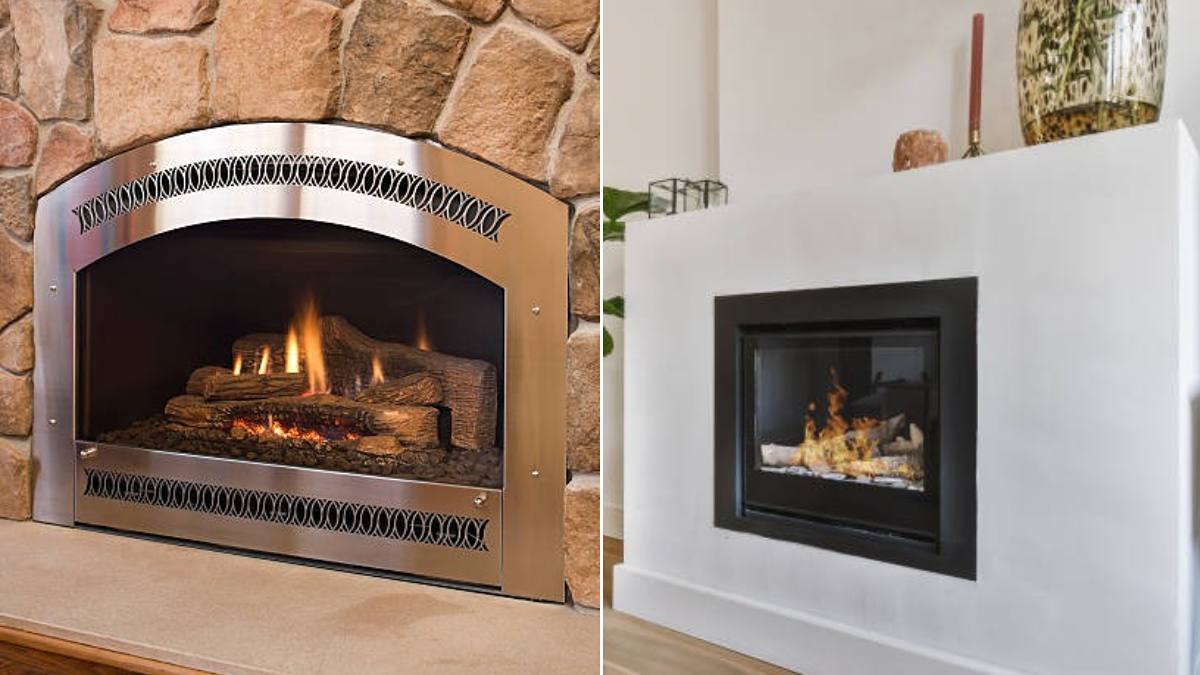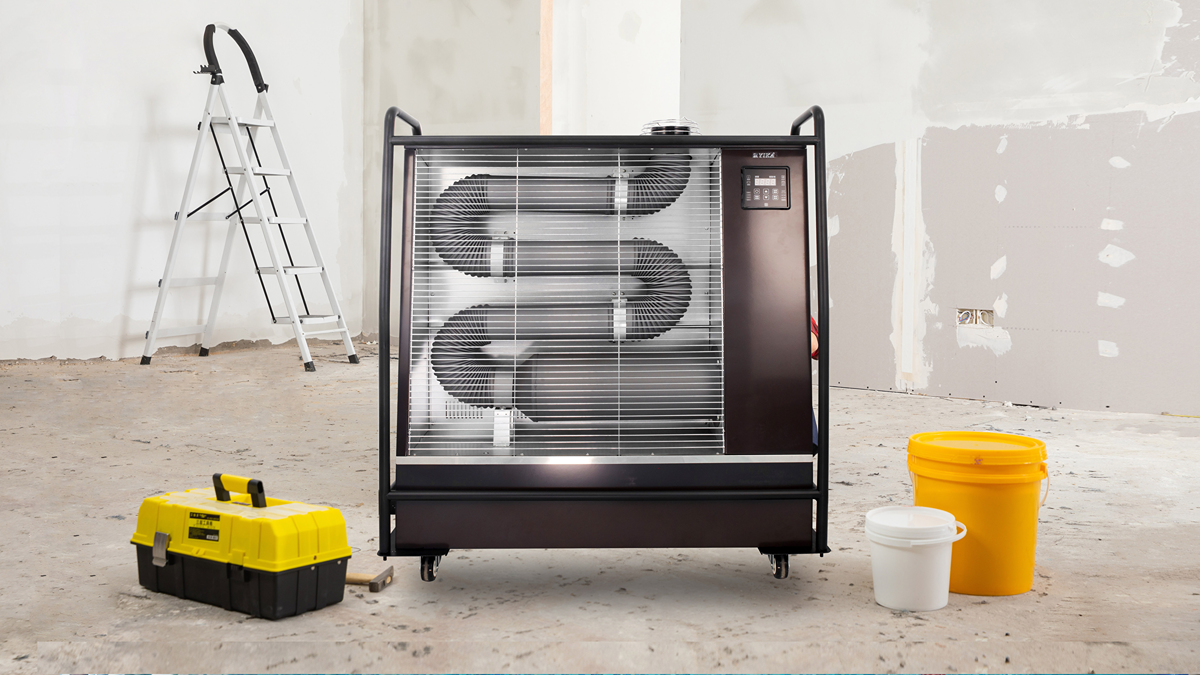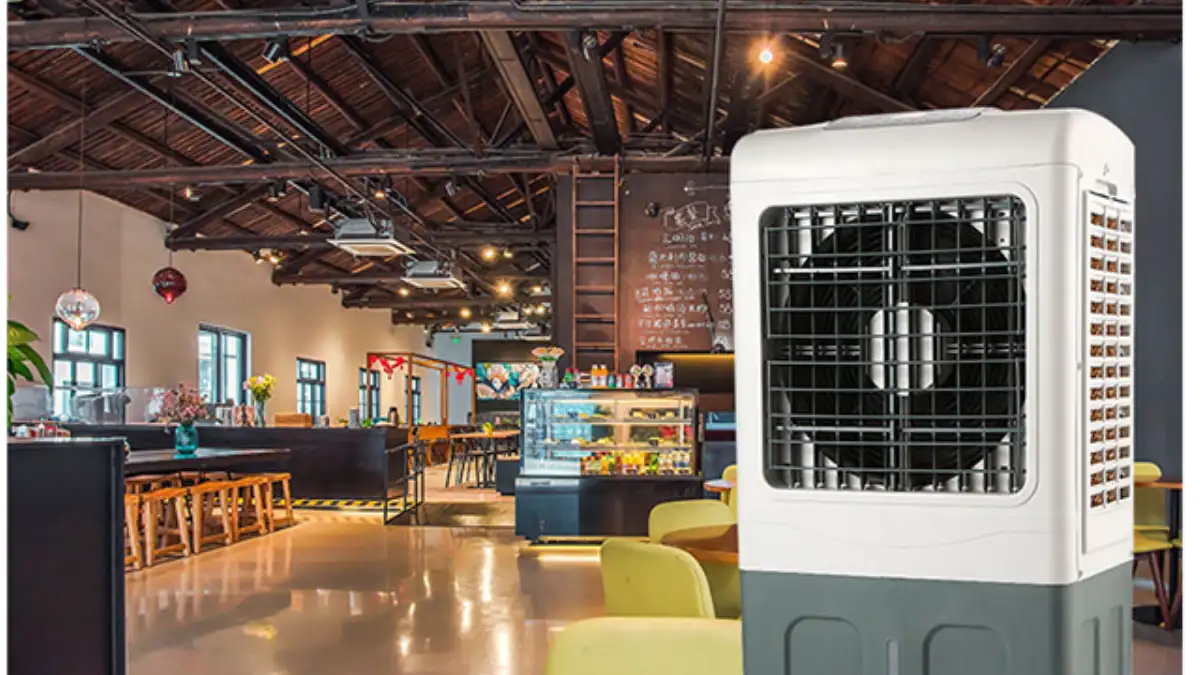
Different heating applications require different ways to deliver and distribute heat, making infrared vs convection heaters an important comparison for electric heater buyers. Factors such as heating coverage, operating time, energy use, installation space, and indoor or outdoor conditions can all affect which technology fits a specific project.
This guide compares the heating performance, operating characteristics, installation requirements, and typical applications of both technologies. It provides distributors, project suppliers, and businesses with practical information to evaluate electric heating solutions based on their actual market and application requirements.
Poin Penting
- Pemanas inframerah transfer heat through infrared radiation, providing direct warmth to people, objects, dan permukaan. They are well suited to targeted heating, outdoor areas, bengkel, and spaces where quick heat delivery is needed.
- Convection heaters warm the surrounding air and distribute heat through natural or assisted air circulation. They are commonly used for bedrooms, kantor, living spaces, and other enclosed indoor areas.
- Localized heating can benefit from infrared technology because energy is directed toward specific areas instead of warming the entire air volume.
- Indoor temperature control is a key advantage of convection heating, making it suitable for enclosed spaces that require consistent room comfort.
- Infrared vs convection heaters should be evaluated based on heating coverage, operating patterns, room conditions, installation requirements, and application needs.
Pemanas Inframerah vs Konveksi: Quick Comparison
Both infrared and convection heaters are popular electric heating solutions, but their heating methods create different advantages.
| Fitur | Pemanas Inframerah | Convection Heaters |
|---|---|---|
| Metode pemanasan | Uses infrared radiation to transfer heat directly to people, objects, dan permukaan | Uses convection heating to warm and circulate surrounding air |
| Heat distribution | Provides direct and targeted heating for specific areas | Provides more even heat distribution throughout an enclosed room |
| Warm-up speed | Delivers noticeable warmth quickly after operation | Requires more time to gradually increase room temperature |
| Best applications | Outdoor areas, Teras, bengkel, and targeted heating zones | Kamar tidur, kantor, ruang tamu, and enclosed indoor spaces |
| Energy use | Can be efficient for localized or intermittent heating | Suitable for maintaining temperature in continuously heated rooms |
| Comfort experience | Creates direct warmth similar to sunlight | Creates balanced room comfort through air circulation |
| Installation options | Available in portable, dipasang di dinding, ceiling, and outdoor models | Available in portable, dipasang di dinding, and fixed indoor models |
Infrared and convection heaters are designed for different heating environments rather than serving the same purpose. The ideal solution depends on factors such as heating coverage, operating duration, room conditions, and application requirements. Evaluating these factors helps buyers identify the electric heating technology that best matches their project needs.
What Are Infrared Heaters?
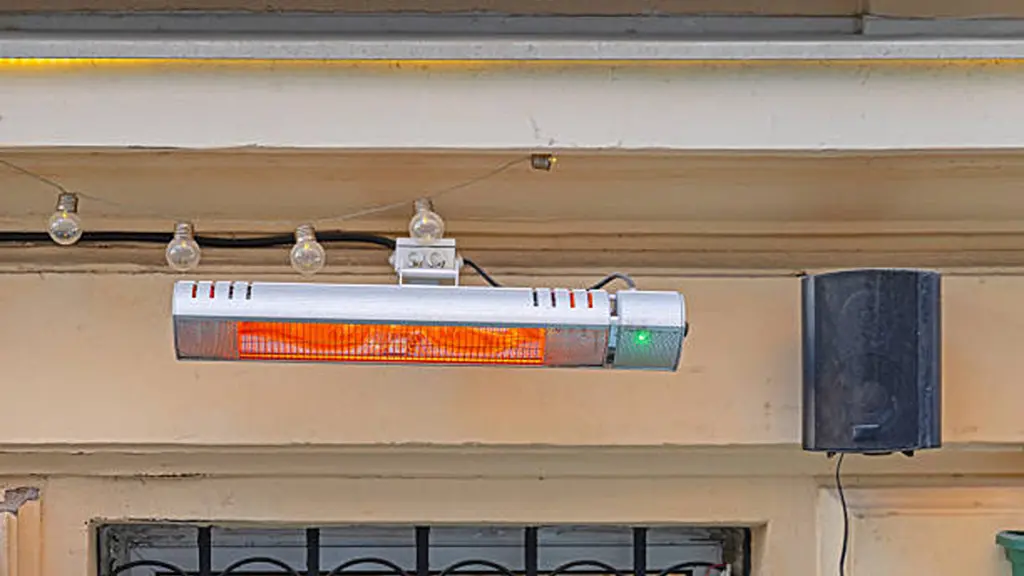
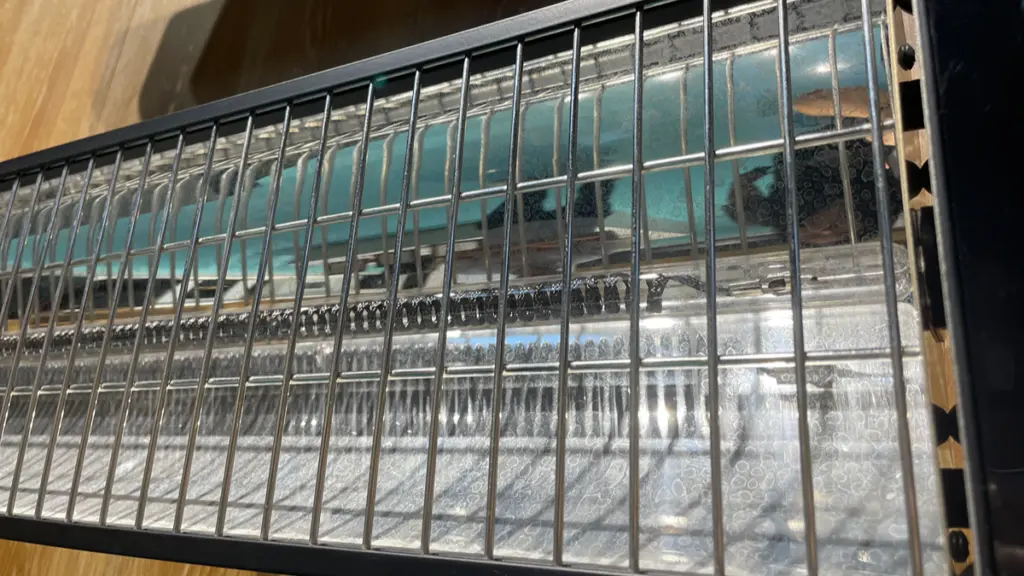
Pemanas inframerah are electric heating devices that transfer heat through infrared radiation. Instead of mainly warming the surrounding air, they directly heat people, objects, and surfaces within the heating area.
When an infrared heater operates, the heating element produces infrared waves that travel through the space and create direct warmth. This heating method allows infrared heaters to provide fast and targeted heating, making them suitable for applications such as outdoor areas, bengkel, ruang komersial, and specific heating zones.
Main Characteristics of Infrared Heaters
Direct Radiant Heating
Infrared heaters use radiant heat transfer rather than relying mainly on air circulation. This allows users to feel warmth quickly after the heater starts operating, especially in open or large spaces where traditional air heating may be less effective.
Flexible Installation Options
Infrared heaters are available in various designs, termasuk:
- Portable infrared heaters
- Infrared wall heaters
- Electric infrared patio heaters
- Industrial infrared heaters
These options allow suppliers to provide heating solutions for different environments, from residential spaces to commercial and industrial applications.
Benefits of Infrared Heaters
Infrared heaters provide several advantages for targeted heating applications:
- Fast warmth delivery: Heat is transferred directly to people and objects without waiting for the entire room temperature to rise.
- Efficient zone heating: Energy can be focused on specific areas instead of heating unused space.
- Comfortable operation: Radiant heat creates a direct and natural feeling of warmth with minimal air movement.
For open areas, outdoor projects, or applications requiring quick heating, infrared technology can provide an effective solution.
What Are Convection Heaters?
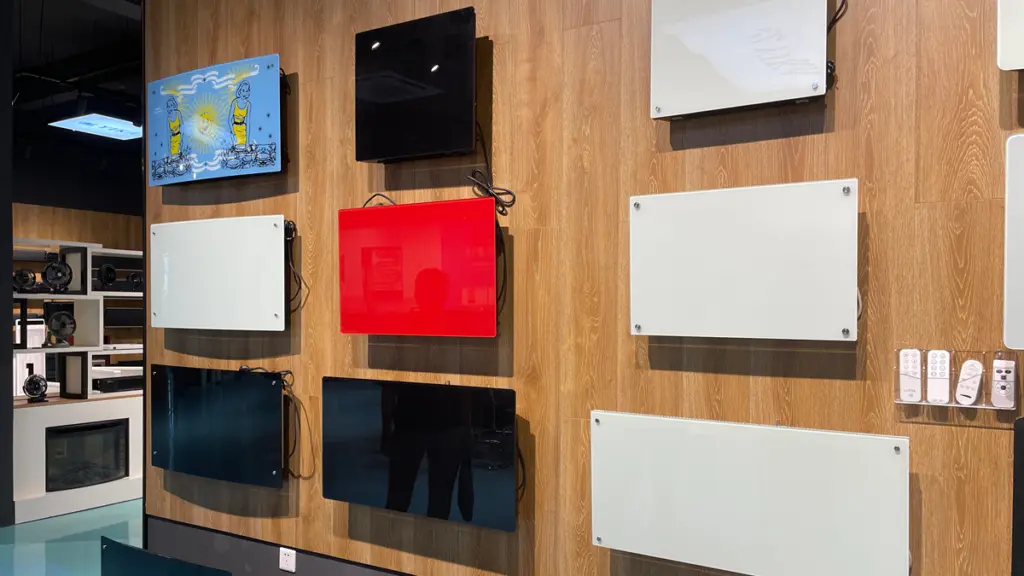
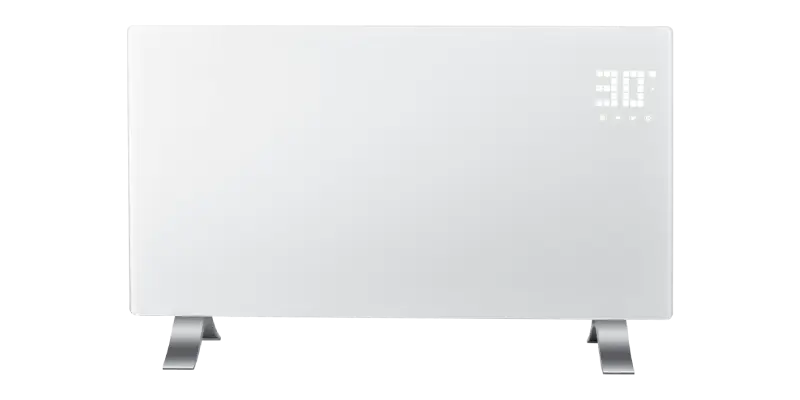
Convection heaters are electric heating devices that warm the surrounding air and distribute heat through natural or assisted air circulation. The heater increases air temperature gradually as warm air rises and cooler air moves toward the heating element.
This convection heating method makes these heaters suitable for enclosed spaces where maintaining a stable room temperature is important, such as homes, kantor, hotel, and commercial buildings.
Main Characteristics of Convection Heaters
Pemanasan Seluruh Ruangan
Unlike infrared heaters that provide targeted warmth, convection heaters focus on increasing the temperature of the surrounding air. This allows heat to spread more evenly throughout an enclosed room.
Common types include:
- Convection space heaters
- Convection room heaters
- Electric convection heaters
- Wall mounted convection heaters
Quiet and Continuous Operation
Many convection heaters operate with low noise because they rely on natural air circulation. This makes them suitable for spaces where comfortable long-term heating is required.
Benefits of Convection Heaters
Convection heaters are widely used for indoor heating because they can provide consistent room comfort.
Manfaat utama meliputi:
- Stable temperature control: Suitable for maintaining a comfortable environment over extended periods.
- Whole-room heating performance: Effective for bedrooms, kantor, living spaces, and other enclosed areas.
- Multiple installation options: Available in portable and fixed designs for different applications.
For projects that require continuous indoor heating, convection heaters provide a practical and reliable solution.
Custom Infrared & Convection Heating Solutions For Global Markets
Infrared Heaters vs Convection Heaters: Perbedaan Utama
Infrared and convection heaters serve different heating purposes, and their performance varies depending on space conditions, operating patterns, and application requirements. Comparing these factors helps buyers evaluate the most suitable electric heating solution.
Heating Space and Coverage
Heating requirements vary depending on whether a project needs targeted warmth or consistent room temperature. Infrared and convection heaters provide different coverage patterns based on how heat is delivered.
Infrared heaters direct heat toward specific areas, rakyat, and objects, making them suitable for open spaces, outdoor applications, and targeted heating zones. Misalnya, infrared patio heaters are commonly used in restaurants and hospitality areas where warmth is needed for customer seating areas.
Convection heaters warm and circulate the surrounding air, making them more suitable for enclosed spaces where maintaining a stable indoor temperature is the main priority.
| Application Need | Recommended Heating Type |
|---|---|
| Outdoor patios or open areas | Pemanas inframerah |
| Targeted heating for specific zones | Pemanas inframerah |
| Bedrooms or office spaces | Convection heaters |
| Long-term indoor temperature control | Convection heaters |
Usage Pattern and Heating Speed
Heating duration and response speed affect how each heater performs in different applications. Infrared and convection technologies provide different advantages depending on whether users need quick warmth or continuous heating.
Infrared heaters deliver fast heat to specific areas, making them suitable for outdoor spaces, bengkel, and temporary heating needs. Convection heaters take longer to warm a room but support stable temperature control for extended indoor use.
- Short-term heating: Infrared heaters provide quick warmth for targeted areas.
- Continuous heating: Convection heaters support longer indoor heating periods.
Air Quality and Comfort
Heating comfort depends on both temperature control and how heat moves through the space. Different heating methods create different user experiences.
Infrared heaters create direct warmth with limited air movement, which can be suitable for environments where reducing air circulation is important. Convection heaters distribute heat through air circulation, helping maintain a more balanced room temperature.
- Infrared heating: Direct warmth with minimal air movement.
- Convection heating: Even heat distribution through air circulation.
Energy Efficiency and Operating Cost
Energy performance depends on application conditions rather than heater type alone. Both infrared and convection heaters can provide efficient operation when used in suitable environments.
Infrared heaters are effective for targeted heating because they focus energy on specific areas. Convection heaters are suitable for enclosed spaces where maintaining room temperature over longer periods is required.
Key factors affecting operating costs include:
- Ukuran kamar: Larger spaces usually require higher heating capacity.
- Insulation quality: Better insulation reduces heat loss.
- Durasi pengoperasian: Longer usage affects total energy consumption.
Anda mungkin tertarik Bagaimana Pemanas Listrik Komersial Mengurangi Biaya Operasional
Instalasi dan Pemeliharaan
Installation options vary depending on heater design, ruang yang tersedia, and project requirements.
Infrared heaters are available in portable, dipasang di dinding, ceiling-mounted, and outdoor models, making them suitable for flexible commercial and outdoor applications.
Convection heaters are commonly used for indoor installations, including portable and wall-mounted designs. Both technologies require regular cleaning and basic electrical checks to maintain reliable operation.
For commercial projects, working with experienced electric heater manufacturers helps ensure suitable product configuration and long-term performance.
You can learn Cara Membersihkan Pemanas Listrik Anda untuk Performa Lebih Baik in this article.
Comfort and Application
Different applications require different heating approaches based on space conditions and user expectations.
- Outdoor and commercial spaces: Infrared heaters are commonly used for patios, Restoran, bengkel, and targeted heating zones.
- Indoor living and working spaces: Convection heaters are widely used for homes, kantor, hotel, and enclosed commercial areas.
Yika provides customized OEM and ODM heating solutions for rumah tangga, komersial, Dan industrial applications, helping global partners develop electric heating products based on specific project requirements.
How to Choose Between Infrared and Convection Heaters
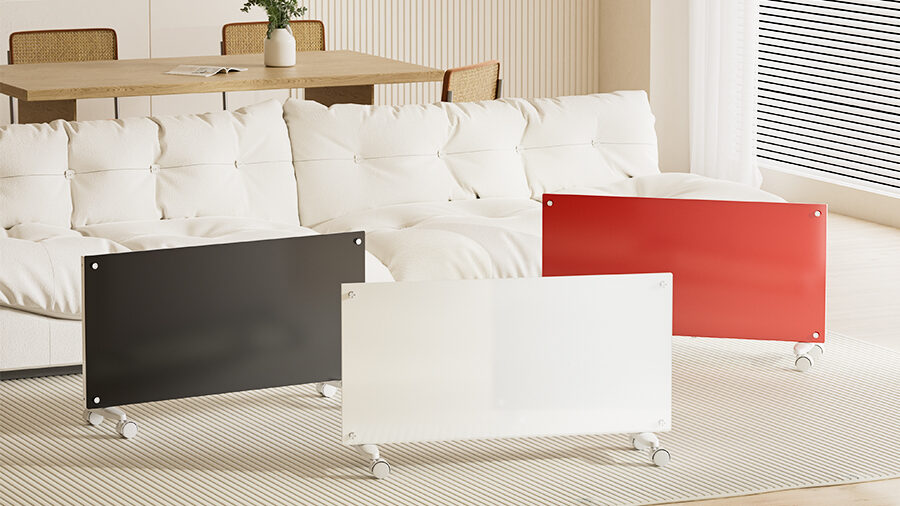
Selecting a suitable electric heating solution requires more than comparing heater types. Factors such as application environment, heating duration, and performance expectations all influence the most suitable technology.
Choose Based on Heating Space and Purpose
The application environment plays an important role in determining whether infrared or convection heating fits a project.
Infrared heaters are suitable for open spaces, outdoor areas, and targeted heating zones because they deliver direct warmth where it is needed. Convection heaters are better suited for enclosed rooms where maintaining a stable indoor temperature is the main requirement.
Key factors to evaluate include:
- Heating location: Indoor and outdoor environments require different heating solutions.
- Heating coverage: Targeted heating and whole-room heating require different approaches.
- Durasi pengoperasian: Short-term and continuous heating needs may require different heater types.
Consider Energy Use and Operating Cost
Energy performance depends on application conditions, operating time, and heating requirements rather than heater technology alone.
Infrared heaters can perform efficiently for localized heating because they focus energy on specific areas instead of warming unused space. This makes them suitable for outdoor zones, bengkel, and commercial areas with specific heating targets.
Convection heaters are suitable for enclosed spaces that require longer operating periods and stable temperature maintenance through air circulation.
When evaluating operating costs, buyers should consider:
- Room conditions: Insulation and room size influence heat retention.
- Usage duration: Longer operation affects total energy consumption.
- Heating requirements: Coverage area and temperature targets influence system performance.
Match the Heater With Your Application
Different applications have different heating requirements, from household comfort to large-scale industrial environments. Matching the heater type with the project scenario helps improve heating performance, installation efficiency, and user experience.
| Aplikasi | Suitable Heating Solution | Recommended Heater Type |
|---|---|---|
| Household spaces | Kamar tidur, kamar mandi, Teras, and living areas requiring comfortable daily heating | Convection heaters and infrared heaters |
| Commercial spaces | Restoran, kantor, hotel, and hospitality areas | Infrared heaters for targeted warmth and convection heaters for indoor comfort |
| Industrial environments | Pabrik, gudang, and large working areas | Industrial infrared heaters and high-capacity heating solutions |
Kesimpulan
Infrared and convection heaters offer different advantages for different heating environments. The comparison of infrared vs convection heaters shows that infrared technology works well for targeted warmth and open spaces, while convection heating is suitable for maintaining comfortable temperatures in enclosed areas.
Bulat provides customized OEM and ODM electric heating solutions for household, komersial, dan aplikasi industri. From infrared heaters to convection heating products, we help global partners develop reliable heating solutions based on project requirements, market needs, and application conditions.
Pertanyaan yang Sering Diajukan
Which is better convection or infrared heaters?
Neither convection nor infrared heaters is better for every application. Infrared heaters are suitable for targeted heating, outdoor areas, bengkel, and spaces requiring quick warmth. Convection heaters are better suited for enclosed rooms where maintaining a stable temperature is the main requirement. The suitable solution depends on heating space, operating conditions, and application needs.
Which heater type is better for large rooms or open spaces?
The suitable heater type depends on the space structure and heating requirements. Infrared heaters are often effective for large open areas where direct heat is needed for specific zones, such as workshops, gudang, and outdoor commercial spaces. Convection heaters are generally more suitable for enclosed rooms where the goal is to increase and maintain overall air temperature.
Can infrared and convection heaters be customized for different applications?
Ya. Electric heater manufacturers can customize products based on application requirements, including heating capacity, installation method, product design, control functions, and market standards. OEM and ODM solutions allow distributors and project suppliers to develop infrared or convection heating products for household, komersial, dan aplikasi industri.
What factors affect the energy consumption of electric heaters?
Energy consumption depends on more than the heater type. Important factors include room size, insulation performance, operating hours, target temperature, and heating coverage. Infrared heaters may reduce unnecessary energy use in targeted heating applications, while convection heaters can provide efficient performance when maintaining temperature in enclosed spaces for extended periods.
Do infrared heaters use a lot of electricity?
Infrared heaters do not necessarily use more electricity than other electric heating technologies. Their energy consumption depends on heater power, operating time, heating area, and usage conditions. Because infrared heaters provide direct heat to specific areas, they can be an energy-efficient option for localized heating applications where warming the entire space is unnecessary.