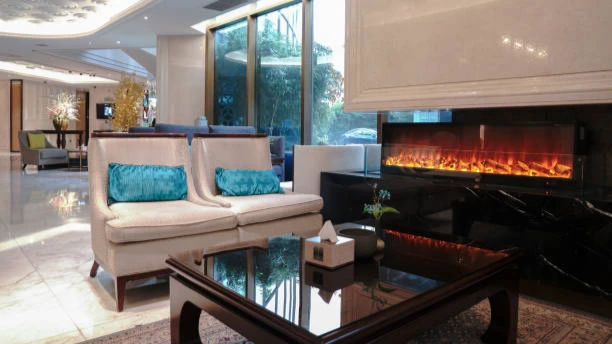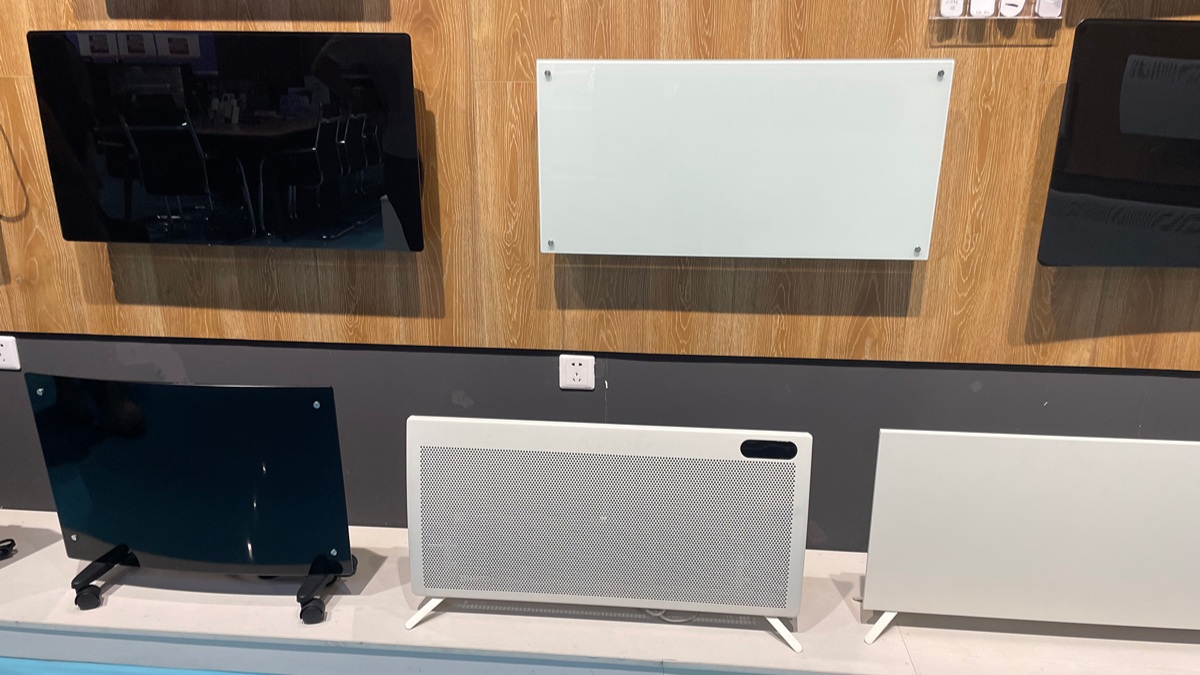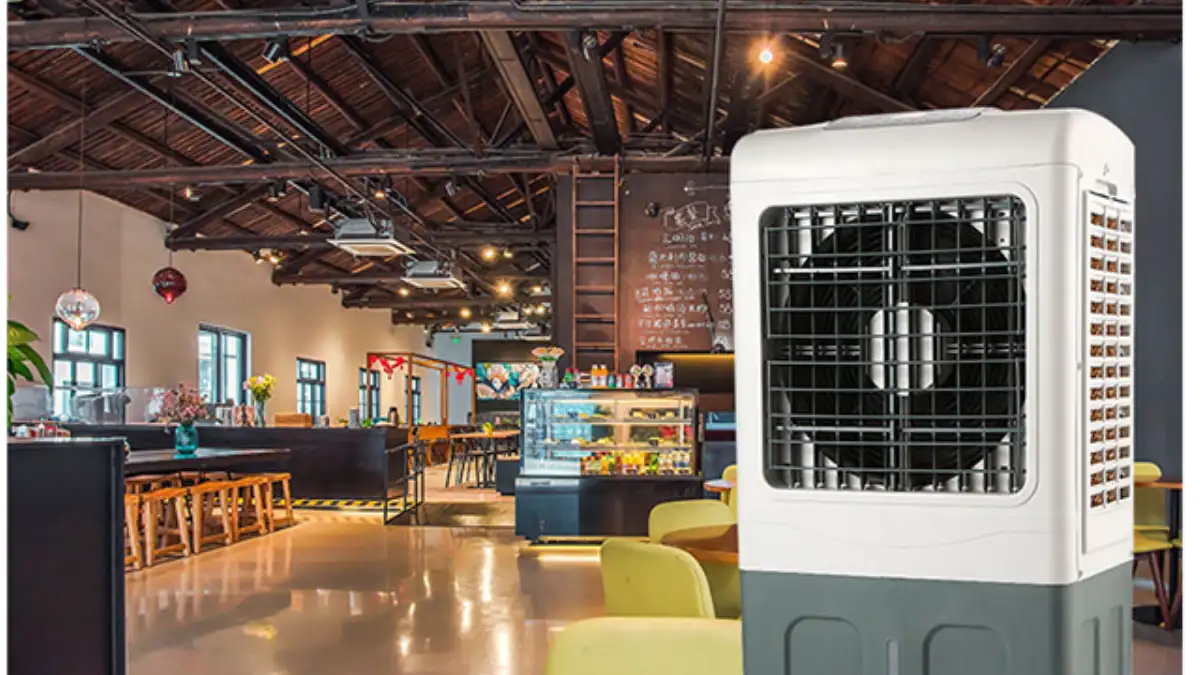
Другой виды электрообогревателей работать по-разному в реальных условиях отопления. Обогреватель, который хорошо работает для постоянного обогрева помещения, может не подойти для рабочего места, где требуется быстрое нагревание., целенаправленное тепло. Различия в распределении тепла, скорость нагрева, установка, шум, и время работы может повлиять на комфорт, использование энергии, и общая производительность продукта.
Для дистрибьюторов, коммерческие покупатели, и OEM-клиенты, Ключевым моментом является соответствие типа нагревателя области применения, а не судить о продуктах только по мощности.. Это руководство поможет вам определить разные виды обогревателей, понять, где каждый тип работает лучше всего, и избежать распространенных несоответствий при выборе обогревателей для жилых помещений., коммерческий, или промышленного использования.
Каковы основные типы электрических обогревателей?
Электрические обогреватели различаются по мощности нагрева и конструкции., поэтому каждый тип подходит для разных размеров комнат, потребности в комфорте, условия установки, и операционная среда.
Электрические обогреватели можно объединить в несколько виды электрообогревателей в зависимости от того, как они передают тепло, как они установлены, и где они используются. К основным типам относятся:
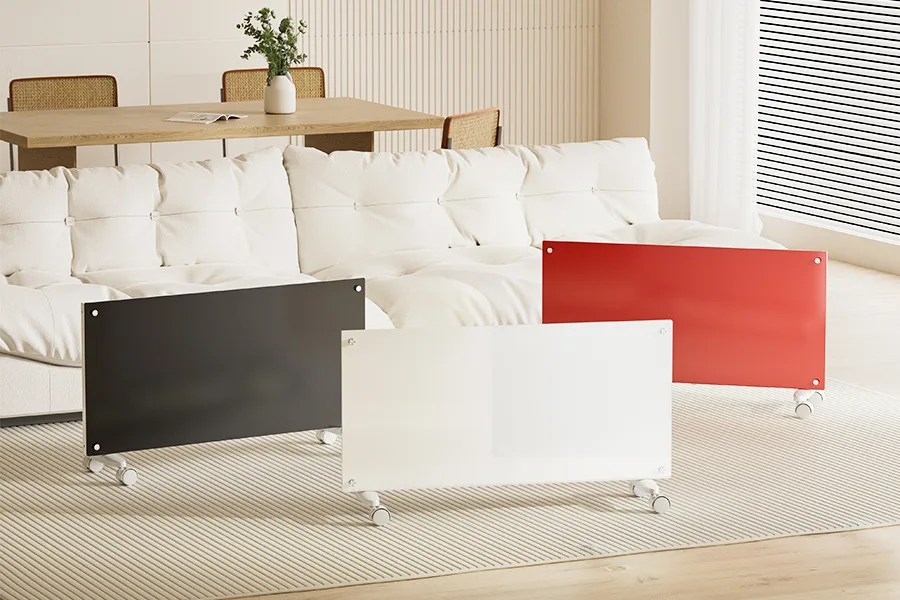
- Конвекционные обогреватели – Нагревайте окружающий воздух за счет естественной циркуляции воздуха и обеспечивайте относительно равномерный нагрев помещения..
- Инфракрасные обогреватели – Используйте лучистое тепло, чтобы согреть людей., объекты, и поверхности непосредственно, что делает их пригодными для целевого обогрева.
- Тепловентиляторы – Используйте вентилятор для перемещения нагретого воздуха по помещению и обеспечения быстрого распределения тепла..
- Лучистые и галогенные обогреватели – Обеспечивает прямое лучистое тепло с быстрым откликом, часто для локального нагрева.
- Керамические и PTC-нагреватели – Используйте керамические нагревательные элементы или технологию PTC., обычно встречается в компактных и вентиляторных обогревателях..
- Многофункциональные электрообогреватели – Комбинируйте режимы нагрева или дополнительные функции, такие как контроль температуры., таймеры, или обогрев с помощью вентилятора.
- Переносные и настенные обогреватели – Опишите установку и размещение, а не отдельную технологию отопления.. Конвекционный обогреватель, инфракрасный обогреватель, или другая модель может быть выполнена как портативный или настенный блок.
- Коммерческие и промышленные электрообогреватели – Предназначены для больших помещений., более длительные периоды эксплуатации, более высокие требования к теплу, или более требовательная рабочая среда.
Эти категории могут пересекаться. Например, а настенный обогреватель возможно использование технологии конвекции, в то время как керамический обогреватель также может быть тепловентилятором. Метод нагрева, технология нагревателя, тип установки, и предполагаемое применение поэтому следует рассматривать вместе.
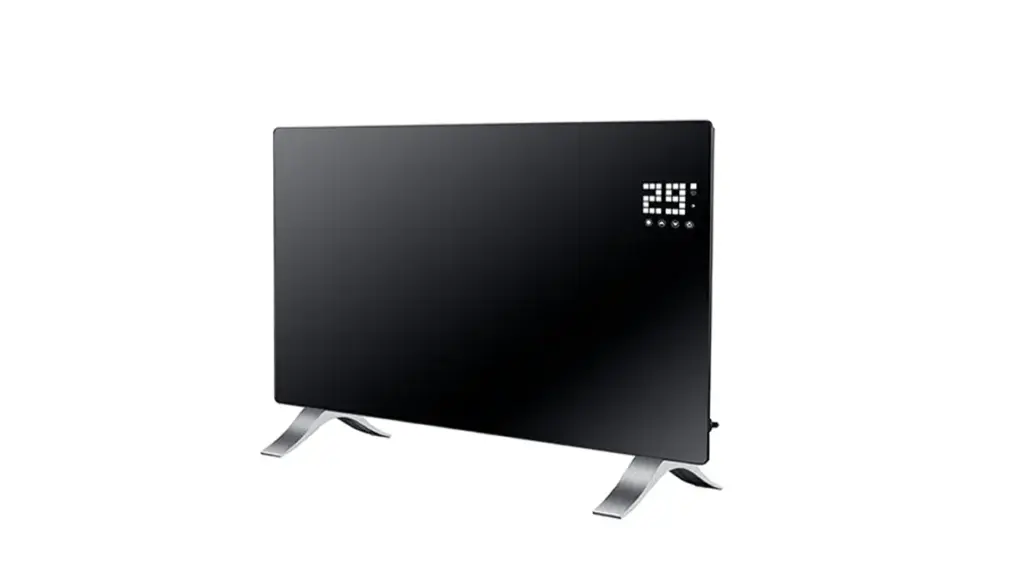
Конвекционные обогреватели для равномерного и непрерывного обогрева помещения
Конвекционное отопление подходит для закрытых помещений, которым требуется стабильное тепло с течением времени., особенно когда важна тихая работа и относительно равномерное распределение температуры.
Принцип работы
А конвекционный обогреватель нагревает воздух вокруг нагревательного элемента. Холодный воздух поступает в обогреватель, становится теплее, и поднимается в комнату, создание естественной циркуляции воздуха без вентилятора.
Плюсы конвекционных обогревателей
- Равномерный и стабильный нагрев: Естественная циркуляция воздуха помогает распределять тепло по закрытому помещению и поддерживать относительно стабильную температуру..
- Тихая работа: Без вентилятора, конвекционные обогреватели производят очень мало шума при работе и не создают сильный воздушный поток.
- Гибкая установка: Отдельно стоящие и настенные конструкции могут адаптироваться к разной планировке помещения, обеспечивая при этом различные требования к пространству и установке..
Минусы конвекционных обогревателей
- Более медленная реакция на нагрев: Естественная циркуляция воздуха требует времени для повышения общей температуры в помещении., поэтому обогреватель может не обеспечить немедленное тепло после запуска..
- Производительность зависит от условий помещения: Плохая изоляция, высокие потолки, частый воздухообмен, и значительные потери тепла могут снизить эффективность отопления..
- Менее подходит для целевого нагрева.: Конвекционное отопление лучше подходит для непрерывного обогрева помещений, чем для помещений, где требуется быстрое или сильно локализованное тепло..
Приложения
Конвекционные обогреватели особенно подходят для закрытых помещений, требующих тишины., постоянный нагрев:
- Жилые помещения: Спальни, гостиные, и другие закрытые помещения, где пользователям необходимо стабильное тепло в течение длительного периода времени..
- Офисы и конференц-залы: Тихая работа помогает поддерживать комфорт без увеличения шума вентилятора или сильного воздушного потока..
- Отели и номера: Отдельно стоящие и настенные конструкции можно адаптировать к различным планировкам помещений и требованиям к установке..
- Небольшие торговые и коммерческие помещения: Конвекционное отопление может помочь поддерживать комфортную температуру в помещении в рабочее время..
- Другие закрытые помещения: Помещения со стабильной посещаемостью и относительно низким воздухообменом могут получить выгоду от непрерывного обогрева помещения..
Для производителей и дистрибьюторов, конвекционные обогреватели также могут поддерживать различные конфигурации продуктов.. Номинальная мощность, термостаты, таймеры, элементы управления, варианты монтажа, внешний дизайн может быть адаптирован в соответствии с требованиями различных рынков и областей применения..
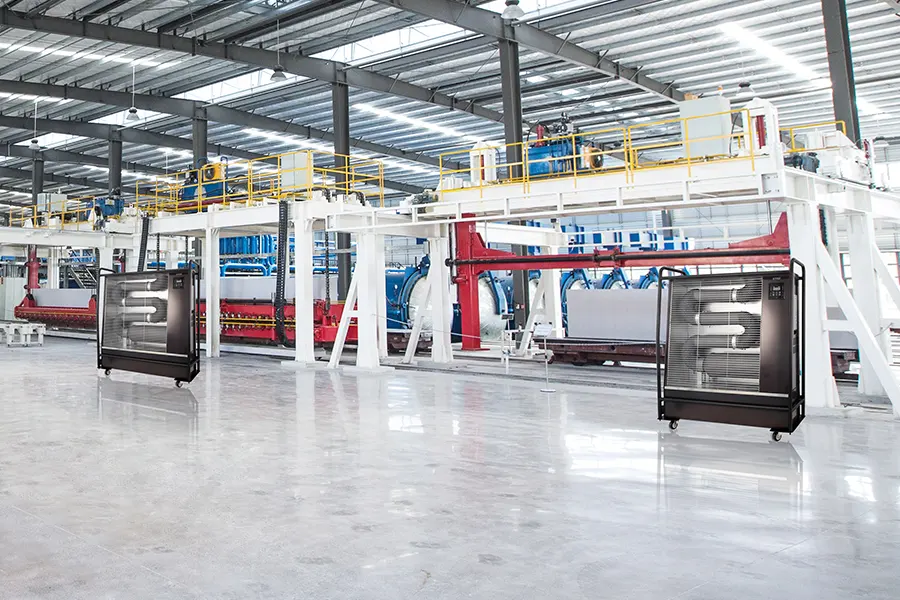
Максимизируйте производительность с помощью надежного промышленного отопления
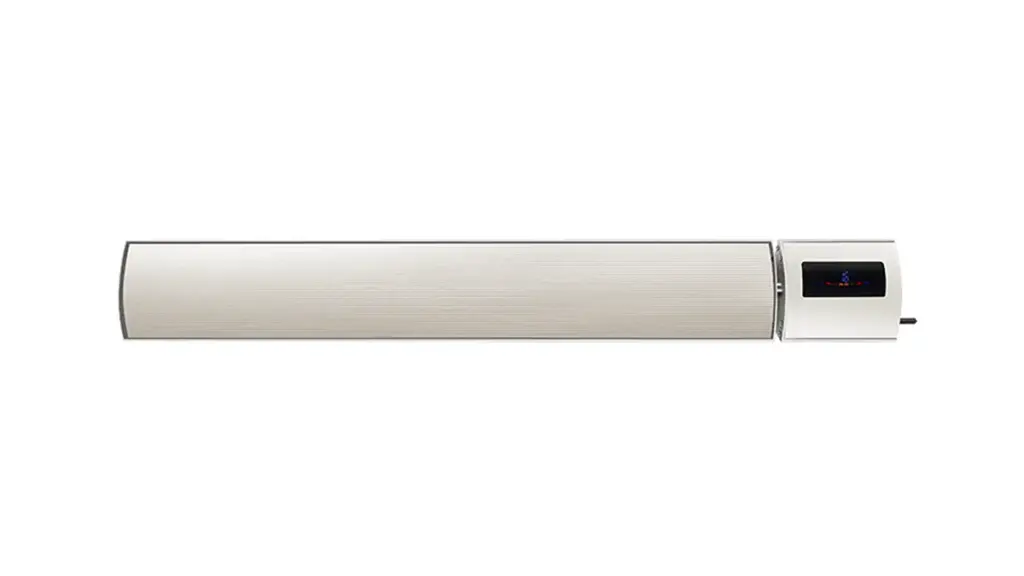
Инфракрасные обогреватели для прямого и целенаправленного обогрева
Инфракрасное отопление хорошо работает, когда пользователям нужно быстро, локализованное тепло, особенно в помещениях, где не требуется обогрев всего объема воздуха.
Принцип работы
Ан электрический инфракрасный обогреватель использует лучистую энергию для передачи тепла непосредственно людям, объекты, полы, стены, или другие поверхности в пределах его эффективного радиуса действия. В отличие от конвекционного отопления, он не полагается главным образом на нагрев и циркуляцию окружающего воздуха.
Плюсы инфракрасных обогревателей
- Быстрое ощущение тепла: Инфракрасное отопление может быстро нагреть людей и поверхности после того, как обогреватель начнет работать..
- Целенаправленное отопление: Тепло может быть направлено на определенные области., помогает обеспечить комфорт, не нагревая все пространство до одинаковой температуры.
- Тихая работа: Инфракрасные обогреватели не требуют вентилятора., поэтому они производят очень мало шума при работе и создают минимальное движение воздуха..
- Подходит для сложных помещений: Лучистое отопление может оставаться эффективным там, где высокие потолки., движение воздуха, или частичная открытость делают традиционное воздушное отопление менее эффективным.
Минусы инфракрасных обогревателей
- Ограниченное покрытие: Области за пределами эффективного диапазона излучения могут получать меньше прямого тепла., что делает инфракрасное отопление менее подходящим для равномерного обогрева всего помещения.
- Размещение влияет на производительность: Направление нагрева, высота установки, расстояние, и положение пользователей или предметов может существенно влиять на эффект нагрева..
- Менее подходит для больших закрытых помещений.: Несколько блоков или тщательное расположение могут потребоваться, когда приложение требует более широкого и более равномерного распределения тепла..
Приложения
Инфракрасные обогреватели лучше всего подходят для тех случаев, когда отопление должно доходить до конкретных людей., рабочие зоны, или занятые зоны, а не все пространство:
- Целенаправленное отопление жилых помещений: Гостиные, балконы, и специальные зоны отдыха, где пользователям необходимо прямое тепло.
- Рабочие места и отдельные рабочие зоны: Офисы, семинары, и другие помещения, где локальное отопление может повысить комфорт без обогрева всей площади..
- Рестораны и гостиничные помещения: Обеденные зоны, зоны приема, и крытые открытые площадки, где необходимо прямое тепло для гостей или персонала.
- Полуоткрытые помещения: Крытые террасы, патио, балконы, и другие частично открытые помещения, где нагрев окружающего воздуха может быть менее эффективным..
- Коммерческие и общественные помещения: Зоны ожидания, входы, и другие оккупированные зоны, где быстро, локальный нагрев предпочтителен.
Для производителей и дистрибьюторов, Инфракрасные обогреватели также могут быть разработаны с различной номинальной мощностью., нагревательные элементы, способы крепления, элементы управления, и конструкции корпуса в соответствии с конкретными требованиями рынка и применения.
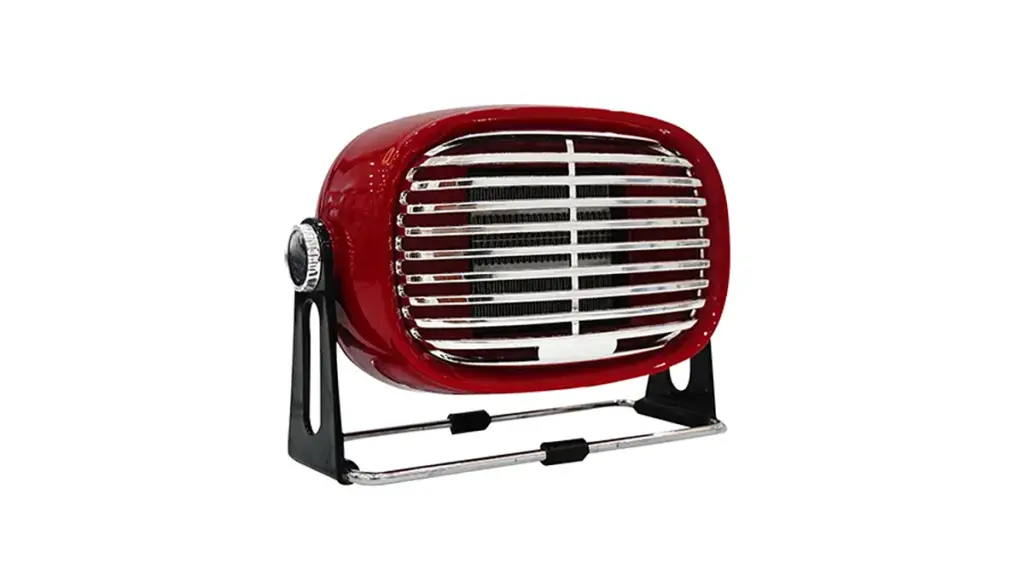
Тепловентиляторы для быстрого нагрева и циркуляции воздуха
Тепловентиляторы полезны, когда в помещении требуется быстрая реакция температуры., особенно на небольших площадях, где быстрая циркуляция теплого воздуха важнее бесшумной работы.
Принцип работы
А тепловентилятор сочетает в себе электрический нагревательный элемент и вентилятор. Нагревательный элемент нагревает воздух., в то время как вентилятор выталкивает нагретый воздух в окружающее пространство для более быстрого распределения тепла.
Плюсы тепловентиляторов
- Быстрая реакция на нагрев: Принудительная циркуляция воздуха быстро распределяет теплый воздух., помогает повысить воспринимаемую температуру вскоре после запуска.
- Компактный и портативный дизайн: Многие тепловентиляторы легко перемещать между комнатами или размещать рядом с местами, нуждающимися в дополнительном обогреве..
- Регулируемый нагрев и воздушный поток: Некоторые модели имеют несколько режимов нагрева., скорость вентилятора, термостатический контроль, или регулируемое направление воздушного потока для более гибкой работы.
Минусы тепловентиляторов
- Рабочий шум: Встроенный вентилятор создает больше шума, чем конвекционные или инфракрасные обогреватели., которые могут быть менее подходящими для чувствительных к шуму сред.
- Непрерывный поток воздуха: Движущийся теплый воздух может вызывать дискомфорт, когда он дует прямо на тело., особенно при длительном использовании.
- Ограниченная производительность всей комнаты в больших помещениях: Небольшие тепловентиляторы могут с трудом обеспечить равномерный обогрев в больших помещениях или помещениях со значительными потерями тепла..
Приложения
Тепловентиляторы особенно подходят для небольших помещений или помещений, где требуется быстрый дополнительный обогрев.:
- Спальни и ванные комнаты: Компактный обогрев может обеспечить быстрое тепло в течение коротких периодов использования..
- Небольшие офисы и рабочие зоны: Тепловентиляторы могут обеспечить дополнительное обогрев отдельных помещений или жилых зон..
- Небольшие торговые и коммерческие помещения: Подходит для локального нагрева, где пользователям необходимо быстрое реагирование на изменение температуры..
- Временное или дополнительное отопление: Полезно, когда требуется дополнительное тепло вместе с существующей системой отопления..
- Другие небольшие закрытые помещения: Подходит для помещений, где быстрая циркуляция теплого воздуха важнее полной бесшумной работы..
Для производителей и дистрибьюторов, Тепловентиляторы также могут быть разработаны с разными уровнями мощности., скорость вентилятора, элементы управления, нагревательные элементы, проекты жилья, и функции безопасности для удовлетворения конкретных требований рынка.
Конвекция против. Инфракрасный против. Тепловентиляторы: Ключевые различия
Три типа нагревателей различаются по принципу нагрева., скорость реакции, распределение тепла, расход воздуха, шум, покрытие, установка, расходы, и типичная мощность нагрева.
| Коэффициент сравнения | Конвекционный обогреватель | Инфракрасный обогреватель | Тепловентилятор |
|---|---|---|---|
| Принцип нагрева | Естественная конвекция | Лучистое тепло | Принудительная конвекция |
| Реакция нагрева | Умеренный | Очень быстро ощущается тепло | Быстрый |
| Распределение тепла | Относительно даже | Целенаправленный и направленный | Быстрый воздушный поток |
| Движение воздуха | Естественное движение воздуха | Минимальный | Сильный принудительный поток воздуха |
| Уровень шума | Очень низкий | Очень низкий | От умеренного до высокого |
| Отопление | Отопление всей комнаты | Локальная зона нагрева | Малые и средние площади |
| Варианты установки | Отдельно стоящий или настенный | Стена, потолок, или отдельно стоящий | В основном портативный |
| Типичная стоимость | От низкого до умеренного | От умеренного до высокого | От низкого до умеренного |
| Основное ограничение | Медленный нагрев | Ограниченное прямое покрытие | Шум и воздушный поток |
Другие типы электрических обогревателей, которые вы должны знать
За пределами конвекции, инфракрасный, и тепловентиляторы, в других типах электронагревателей используются другие нагревательные элементы или сочетаются несколько функций для удовлетворения конкретных требований к дизайну и применению..
Лучистые и галогенные обогреватели
Лучистые обогреватели передают тепло непосредственно за счет электромагнитного излучения, а не нагревают в первую очередь окружающий воздух.. Галогенные обогреватели используют галогенные нагревательные элементы для быстрого получения лучистого тепла и часто предназначены для направленного или локализованного нагрева..
Эти обогреватели подходят для жилых помещений., балконы, патио, рестораны, и другие помещения, где пользователям необходимо прямое тепло с быстрой реакцией на нагрев..
Керамические и PTC-нагреватели
Керамика и PTC обычно описывают нагревательный элемент или технология нагрева, а не полностью отдельная конструкция нагревателя. Эти нагревательные элементы обеспечить быструю передачу тепла, в то время как элементы PTC увеличивают электрическое сопротивление при повышении их температуры..
Эти технологии обычно используются в компактных и вентиляторных обогревателях.. Нагревательные элементы PTC могут поддерживать стабильный контроль температуры и интегрироваться с функциями безопасности, такими как защита от перегрева и автоматическое отключение..
Многофункциональные электрические обогреватели
Многофункциональные электрообогреватели комбинируйте нагрев с дополнительными режимами работы или функциями, ориентированными на пользователя. В зависимости от дизайна, устройство может включать регулируемые уровни нагрева, термостатический контроль, таймеры, обогрев с вентилятором, или другие функции.
Для дистрибьюторов и OEM-покупателей, эти конструкции могут обеспечить большую гибкость и дифференциацию продукта на разных рынках., ценовые категории, и требования к приложению.
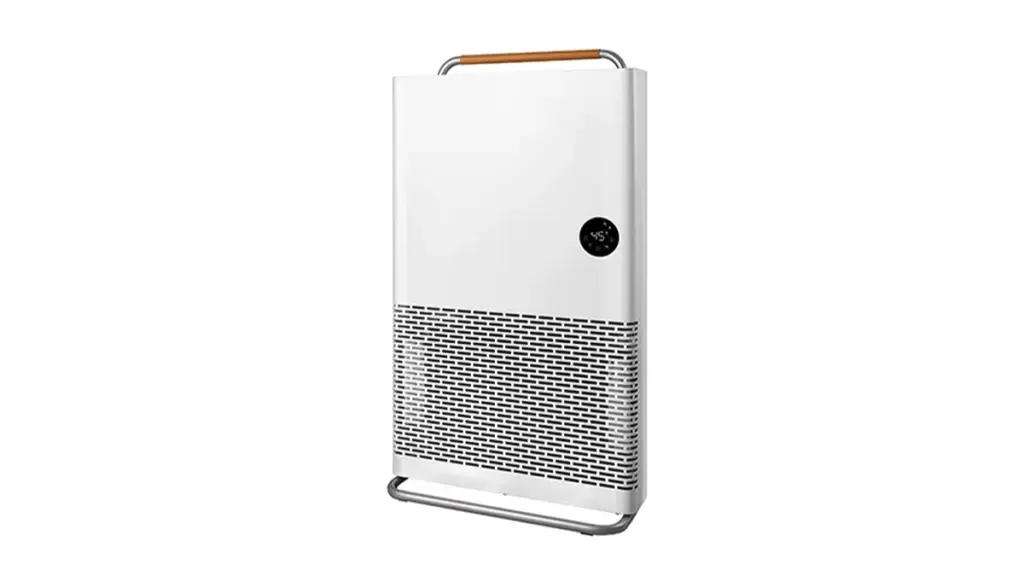
Как выбрать правильный тип электрического обогревателя
Правильный тип электронагревателя зависит от потребности в отоплении., космические условия, метод установки, и операционная среда. Покупатели должны оценить следующие факторы, прежде чем подтверждать спецификацию продукта или источника..
1. Площадь обогрева и тепловая мощность
Начните с размера и характеристик помещения.. Более просторные номера, высокие потолки, плохая изоляция, часто открываемые двери, и высокая утечка воздуха может увеличить потери тепла и потребовать большей тепловой мощности..
Простой расчет ватт на квадратный метр может не дать точного результата.. Климат, изоляция, высота комнаты, окна, воздухообмен, желаемая температура в помещении может повлиять на требуемую теплопроизводительность..
2. Скорость нагрева и схема нагрева
Подумайте, нужен ли приложению постепенный обогрев всего помещения., быстрый разогрев, или целенаправленное тепло. Метод обогрева должен соответствовать тому, как и где пользователям необходимо тепло..
- Конвекционный обогреватель: Подходит для устойчивого и относительно равномерного обогрева помещения..
- Инфракрасный обогреватель: Подходит для целевого и направленного нагрева..
- Тепловентилятор: Подходит для быстрого нагрева и принудительной циркуляции воздуха..
- Многофункциональный обогреватель: Подходит для применений, требующих различных режимов нагрева или рабочих функций..
3. Установка и доступное пространство
Установка влияет как на производительность продукта, так и на его практическое использование.. Портативные модели обеспечивают большую гибкость., в то время как настенный обогреватель может сэкономить место на полу и поддерживать фиксированное положение нагрева.
Проверьте доступную площадь стен и пола., источник питания, требования к монтажу, свободное пространство вокруг обогревателя, и предполагаемое положение установки перед подтверждением конструкции продукта.
4. Шум, Комфорт и время работы
Шум становится более важным, когда обогреватель работает в спальне в течение многих часов., офисы, отели, и другие тихие места. Тепловентиляторы создают воздушный поток и механический шум., в то время как конвекционные и инфракрасные обогреватели обычно обеспечивают более тихую работу.
Для продолжительных периодов эксплуатации, также учитывайте температурную стабильность, комфорт воздушного потока, контроль термостата, функции таймера, и общее энергопотребление.
5. Безопасность, Контроль и сертификация
Требования безопасности зависят как от конструкции продукта, так и от целевого рынка.. Общие функции включают защиту от перегрева., защита от опрокидывания, термостатический контроль, таймеры, и автоматическое отключение.
Для международного распространения, покупатели должны подтвердить электрические требования и применимые стандарты безопасности перед производством.. Напряжение, частота, конфигурация разъема, маркировка, тестирование, и документация о соответствии должны соответствовать целевому рынку..
Типы электронагревателей для коммерческого и промышленного применения
Коммерческое и промышленное отопление требует правильного баланса тепловой мощности., покрытие, установка, операционная среда, элементы управления, и безопасность. Наиболее подходящий тип обогревателя зависит от помещения и схемы обогрева..
Коммерческие электрические обогреватели для офисов и общественных помещений
Для коммерческих помещений, таких как офисы, отели, розничные магазины, рестораны, и школы, покупатели должны рассмотреть:
- Отопление: Отопление всего помещения или целевое отопление отдельных помещений..
- Уровень шума: Важно для офисов, отели, классы, и другие тихие места.
- Установка: Портативный, настенный, или потолочный вариант в зависимости от доступного пространства.
- Время работы: Более длительные периоды эксплуатации требуют надежного контроля температуры и функций безопасности..
- Внешний вид и управление: Дизайн продукта, термостаты, таймеры, и удобное управление могут повлиять на пригодность коммерческого электронагревателя..
Конвекционные обогреватели как правило, подходят для закрытых коммерческих помещений, требующих постоянного и относительно равномерного обогрева., пока инфракрасные обогреватели хорошо работают для целевого обогрева в ресторанах, приемные, террасы, и подобные помещения. Тепловентиляторы подходят для небольших помещений, требующих быстрого обогрева..
Промышленные электрические обогреватели для больших или требовательных площадей
Для складов, семинары, заводы, гаражи, производственные площади, и другие требовательные среды, покупатели должны сосредоточиться на:
- Тепловая мощность и покрытие: Большие помещения и высокие теплопотери могут потребовать более мощного отопления..
- Операционная среда: Пыль, вентиляция, влажность, высокие потолки, и частое открывание двери могут повлиять на выбор обогревателя.
- Требования к установке: Фиксированная установка на стене или потолке может обеспечить лучшее покрытие в больших помещениях..
- Время работы и долговечность: Длительные периоды эксплуатации требуют надежных компонентов, элементы управления, и защита безопасности.
- Контроль и безопасность: Термостатический контроль, защита от перегрева, автоматическое отключение, и другие функции безопасности могут быть важны.
Для большинства больших закрытых помещений, промышленные обогреватели с использованием конвекции или принудительного воздушного отопления может обеспечить широкое распределение тепла. Инфракрасные обогреватели больше подходят, когда применение требует прямого нагрева определенных рабочих зон, люди, или оборудования, а не нагревать весь объем воздуха.
Для OEM и оптовых покупателей, окончательный тип нагревателя должен соответствовать фактическому применению, условия установки, требуемая мощность, и требования целевого рынка, а не просто выбор модели максимальной мощности.
Заключительные мысли
Другой виды электрообогревателей удовлетворять различные потребности в отоплении. Конвекционные обогреватели обеспечивают стабильное отопление помещения., инфракрасные обогреватели обеспечивают целенаправленное тепло, и тепловентиляторы обеспечивают быстрый нагрев за счет принудительного потока воздуха. Другие технологии, такой как сияющий, галоген, керамический, ПТК, и многофункциональные конструкции, предложить дополнительные возможности для конкретных приложений.
Для коммерческих и промышленных покупателей, правильный выбор зависит от тепловой мощности, покрытие отопления, установка, условия эксплуатации, безопасность, сертификация, и конфигурация продукта. Круглый обеспечивает Решения для электрического отопления OEM/ODM для разных рынков и приложений, поддержка настройки продукта и массового производства. Свяжитесь с Yika, чтобы обсудить правильную конфигурацию обогревателя, соответствующую вашим требованиям..
Часто задаваемые вопросы
Какие существуют основные виды электрообогревателей?
Главный виды электрообогревателей включить конвекционные обогреватели, инфракрасные обогреватели, тепловентиляторы, лучистые и галогенные обогреватели, керамические и PTC нагреватели, и многофункциональные электрообогреватели. Эти типы различаются главным образом способом передачи тепла., как быстро они согревают, и где они работают лучше всего.
Какой тип электрообогревателя лучше для большой комнаты?
Лучший обогреватель зависит от размера комнаты, потеря тепла, высота потолка, изоляция, и требуемая схема нагрева. Для больших закрытых помещений, достаточно мощный конвекционный или приточный обогреватель может обеспечить более широкое распределение тепла.. Инфракрасные обогреватели работают лучше, когда целью является обогрев определенных помещений, а не всей комнаты..
Чем отличается конвекционный обогреватель от инфракрасного обогревателя?
Конвекционный обогреватель в основном нагревает и циркулирует окружающий воздух., что делает его пригодным для постоянного обогрева помещения. Инфракрасный обогреватель передает лучистое тепло непосредственно людям и объектам., что делает его более подходящим для целевого или направленного нагрева.
Керамические обогреватели — это то же самое, что тепловентиляторы?
Не совсем. Керамика обычно относится к нагревательному элементу или керамической технологии PTC., тогда как тепловентилятор описывает продукт, в котором используется вентилятор для распределения нагретого воздуха.. Таким образом, керамический обогреватель может использовать вентилятор и работать как обогреватель с принудительной конвекцией..
Какой электрический обогреватель лучше для коммерческих помещений?
Право коммерческий электрический обогреватель зависит от площади и потребности в отоплении. Конвекционные обогреватели подходят для закрытых помещений, где требуется постоянный фоновый обогрев., в то время как инфракрасные обогреватели хорошо подходят для целевого обогрева таких помещений, как рестораны., зоны приема, и полуоткрытые помещения. Тепловентиляторы подходят для небольших помещений, требующих быстрого обогрева..
Какой тип электрообогревателя подойдет для промышленных помещений?
Ан промышленный обогреватель должно соответствовать размеру помещения, потеря тепла, высота потолка, операционная среда, и необходимое отопление. Конвекционные или принудительные обогреватели подходят для больших закрытых помещений, где требуется широкое распределение тепла., в то время как инфракрасные обогреватели могут обеспечить целевой обогрев определенных рабочих зон..