Скопление пыли внутри электронагревателей является одной из наиболее частых причин снижения эффективности обогрева., более высокое энергопотребление, и неожиданные риски перегрева. Многие пользователи замечают, что их обогреватель со временем становится слабее., но не знаете, как правильно его очистить, не повредив внутренние детали и не повлияв на безопасность..
В этом руководстве представлены практические пошаговые инструкции по очистке электронагревателя., включая безопасную подготовку, внешняя уборка, уход за вентиляционными отверстиями, и контролируемое внутреннее удаление пыли. В нем также объясняется, чего следует избегать во время очистки и как составить простую процедуру технического обслуживания, которая повысит эффективность., уменьшает потери энергии, и продлевает срок службы обогревателя.
Подготовка к безопасности перед очисткой
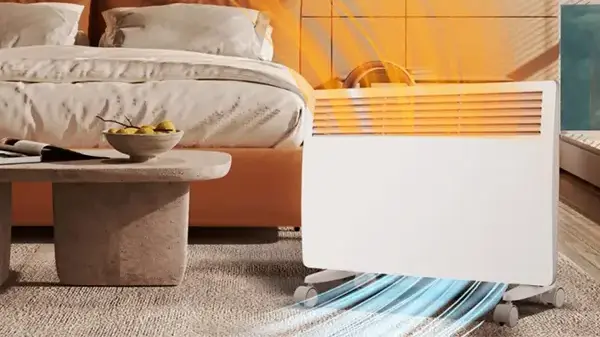
Перед чисткой электронагревателя, безопасность должна быть полностью обеспечена, поскольку устройство сочетает в себе тепловые и электрические компоненты.. Неправильное обращение может привести к поражению электрическим током., ожоги, или внутренние повреждения. Правильная подготовка помогает снизить риски и обеспечивает стабильную работу по техническому обслуживанию..
Всегда отключайте обогреватель перед запуском. Даже после выключения, внутренние компоненты могут оставаться горячими или сохранять остаточный электрический заряд., поэтому дайте устройству полностью остыть, прежде чем прикасаться к нему.
Перед очисткой создайте безопасную рабочую среду.. Держите обогреватель на ровном месте., устойчивая поверхность для предотвращения опрокидывания. Работайте в сухом и хорошо проветриваемом помещении., и избегайте влажных помещений, таких как ванные комнаты., где влага может увеличить риск поражения электрическим током и снизить безопасность.
Для базовой защиты и подготовки к очистке., простых инструментов достаточно:
- Ткань из микрофибры: Удаляет пыль, не царапая поверхность.
- Мягкая кисть: Безопасно очищает вентиляционные отверстия и углы
- Пылесос с насадкой-щеткой: Помогает эффективно удалять пыль.
- Перчатки (необязательный): Обеспечивает дополнительную защиту рук во время чистки.
Избегайте острых инструментов и чрезмерной силы., так как они могут повредить поверхностное покрытие или внутреннюю структуру.
Очистка и осмотр наружной поверхности
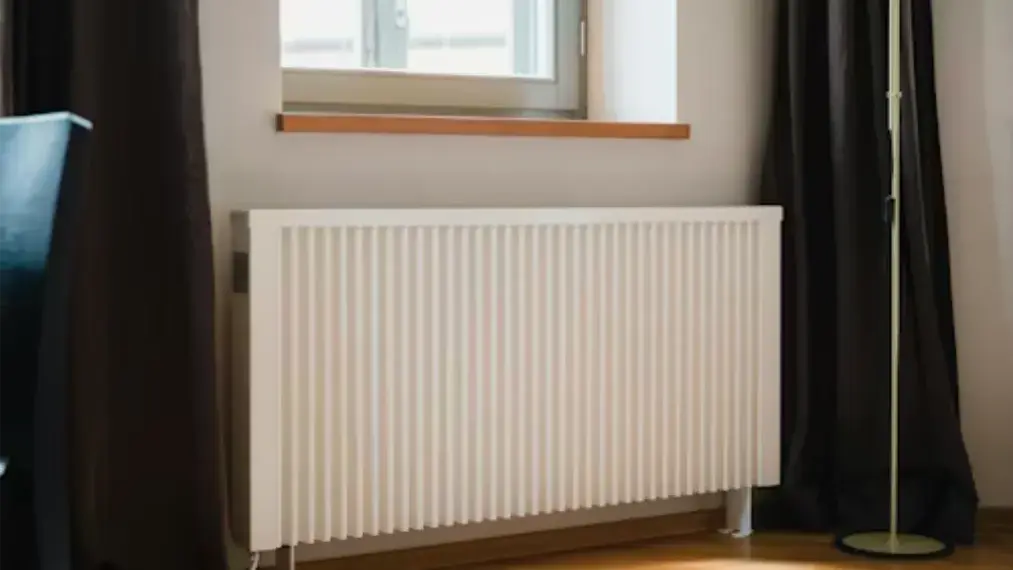
Внешняя поверхность — это первый слой ухода и самая простая в очистке часть электронагревателя.. Правильная очистка не только улучшает внешний вид, но также предотвращает попадание пыли во внутренние компоненты и помогает выявить ранние признаки износа или повреждения..
Шаг 1: Удалить пыль с поверхности
Для начала отключите обогреватель и убедитесь, что он полностью остыл.. Затем используйте сухую ткань из микрофибры, чтобы аккуратно протереть внешнюю оболочку.. Это удаляет пыль, не царапая поверхность..
Для светлых пятен, слегка смочите ткань мягким моющим средством. Избегайте замачивания ткани, и всегда тщательно контролируйте уровень влажности, особенно возле панелей управления.
Шаг 2: Защитите материал поверхности
Во время уборки, избегайте использования абразивных тканей, грубые губки, или сильные химические чистящие средства. Эти материалы могут повредить защитные покрытия и со временем ослабить корпус..
Также, избегайте попадания воды непосредственно на нагреватель. Избыточная влага может попасть в небольшие зазоры вокруг кнопок или вентиляционных отверстий и повлиять на внутренние компоненты..
Шаг 3: Осмотрите внешнее состояние
После очистки, потратьте несколько секунд, чтобы внимательно осмотреть поверхность. Сосредоточиться на:
- трещины на корпусе
- изменение цвета возле мест обогрева
- незакрепленные или нестабильные детали
Эти признаки могут указывать на перегрев или длительную нагрузку на материал.. Раннее обнаружение помогает предотвратить непредвиденные проблемы с производительностью..
Электрические обогреватели премиум-класса для оптового успеха
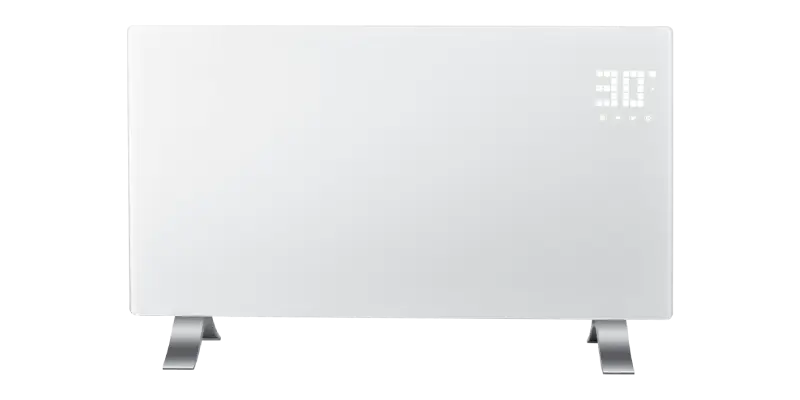
Очистка вентиляционных отверстий для повышения эффективности отопления
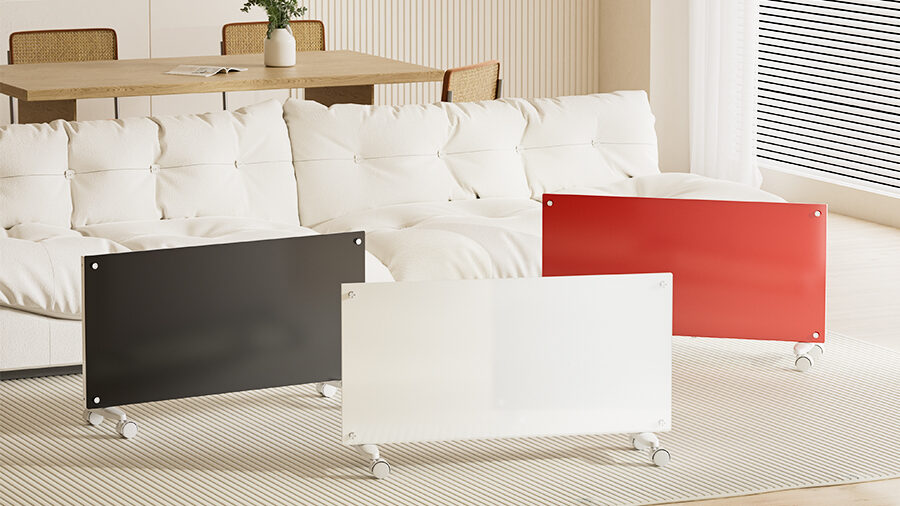
Вентиляционные отверстия напрямую влияют на эффективность обогрева., поэтому процедуры очистки электронагревателей должны осуществляться контролируемым и поэтапным подходом, а не простым протиранием поверхности..
Шаг 1: Проверьте состояние воздушного потока
Проверьте впускные и выпускные отверстия на наличие видимых скоплений пыли или засоров.. Слабый поток воздуха или неравномерный нагрев обычно указывают на внутреннее ограничение..
Шаг 2: Удалить пыль с поверхности
Используйте мягкую щетку или пылесос с насадкой-щеткой, чтобы аккуратно очистить вентиляционные отверстия.. Сосредоточьтесь на удалении пыли, не заталкивая ее глубже в систему..
Шаг 3: Очистите более глубокие наросты
Если пыль попадает в узкие щели, используйте сжатый воздух короткими порциями для вытеснения частиц. Соблюдайте безопасное расстояние, чтобы не повредить внутренние компоненты..
Шаг 4: Обеспечьте восстановление воздушного потока
После очистки, убедитесь, что воздух плавно проходит через оба вентиляционных отверстия. Обогреватель должен работать без необычного шума или сигналов о перегреве..
Шаг 5: Предотвратите будущую блокировку
Оставляйте вокруг обогревателя расстояние не менее 30–50 см и не размещайте его возле стен или штор.. Легкая очистка поверхностей вокруг помогает уменьшить регулярное скопление пыли..
Внутренняя очистка от пыли и ограничения безопасности
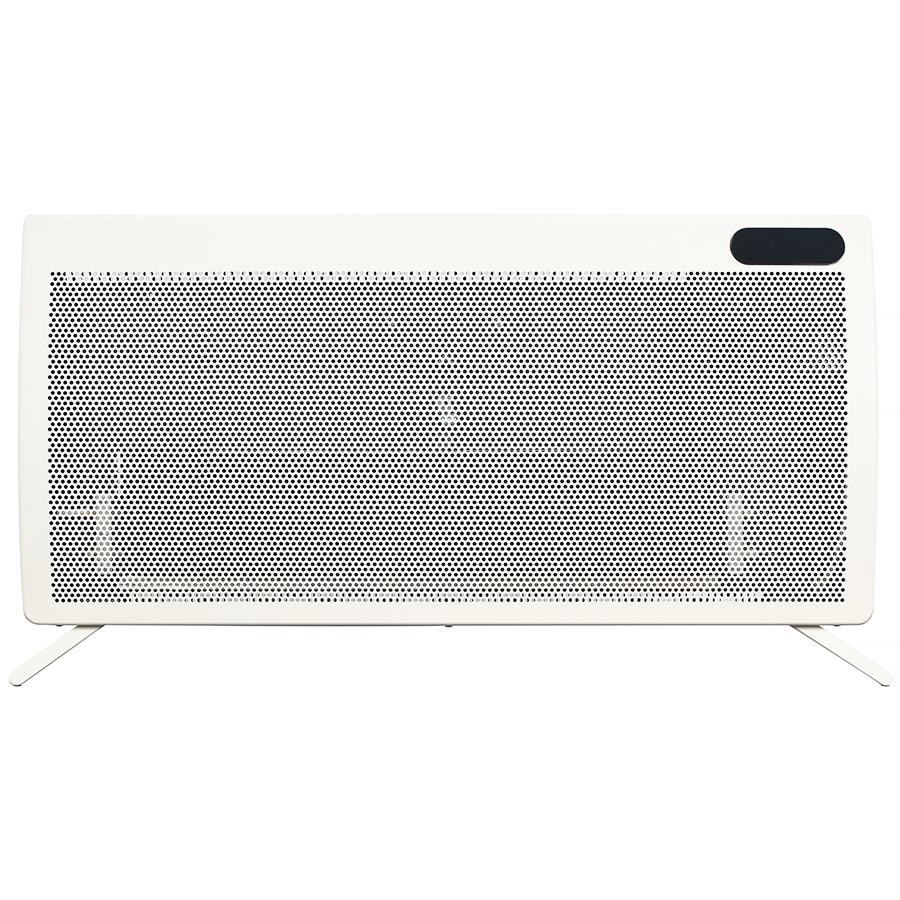
Очистка от пыли внутри — это деликатный процесс технического обслуживания при чистке электронагревателей.. В большинстве современных электронагревателей, внутренние компоненты предназначены для уменьшения доступа пользователя, особенно в закрытых системах. Из-за этого, Внутренняя очистка должна быть ограничена и выполняться только при необходимости..
Шаг 1: Проверьте, нужна ли внутренняя очистка
Не открывайте обогреватель сразу. Первый, оценить внешние условия производительности. Внутренняя очистка необходима только тогда, когда вы заметите:
- уменьшение потока воздуха даже после чистки вентиляционных отверстий
- необычный шум во время работы
- видимые скопления пыли, которые невозможно удалить снаружи
Если ни один из этих признаков не появляется, внешней очистки обычно достаточно.
Шаг 2: Удалите легкую внутреннюю пыль (Если дизайн позволяет)
Если конструкция обогревателя обеспечивает безопасный доступ, используйте воздух низкого давления или мягкую щетку, чтобы удалить пыль внутри. Работайте медленно и избегайте применения силы..
Никогда не используйте воду, влажные тряпки, или чистящие жидкости внутри устройства. Влага может повредить электрические компоненты и создать серьезную угрозу безопасности..
Также, избегайте прямого прикосновения к нагревательным элементам или частям проводки.
Шаг 3: Соблюдайте ограничения герметичной конструкции
Некоторые обогреватели, особенно маслонаполненные или полностью герметичные модели, не предназначены для внутреннего обслуживания.
Не пытайтесь открыть или разобрать эти устройства.. Это может:
- повредить уплотняющую структуру
- снизить эффективность отопления
- создавать риски, связанные с электричеством или давлением
Для этих моделей, техническое обслуживание должно оставаться полностью внешним.
Распространенные ошибки и риски при уборке
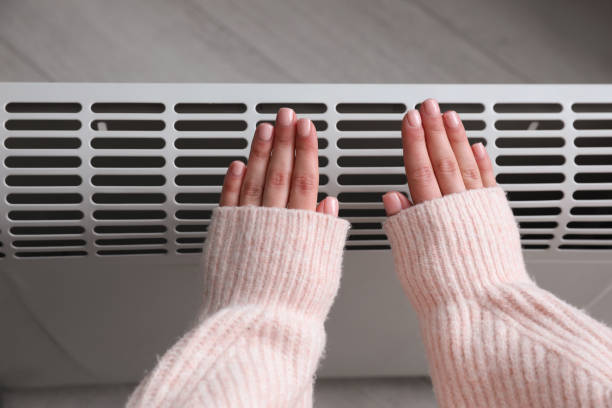
Неправильная очистка электронагревателей не только снижает эффективность нагрева, но и может сократить общий срок службы нагревателя и создать предотвратимые угрозы безопасности.. Большинство проблем возникает из-за небезопасного обращения., неправильные чистящие средства, или игнорирование ограничений воздушного потока и конструкции. Осознание этих рисков помогает поддерживать стабильную производительность и безопасную повседневную работу..
Неправильные методы очистки
Распространенной ошибкой является чистка обогревателя, когда он еще подключен к сети или не полностью остыл.. Это может привести к поражению электрическим током., ожоги, или внутреннее напряжение компонента. Другая частая проблема — использование чрезмерного количества воды или чистящих средств на жидкой основе.. Влага может попасть в вентиляционные зазоры или внутренние контуры., вызывая электрические повреждения и снижая долгосрочную надежность.
Неправильное управление вентиляцией и воздушным потоком
Вентиляционные отверстия играют прямую роль в эффективности обогрева., поэтому они должны оставаться полностью прозрачными после каждого процесса очистки.. Если пыль снова накапливается или поток воздуха частично заблокирован, обогреватель будет работать при более высокой нагрузке, что увеличивает потребление энергии и внутреннюю температуру. Пользователям также следует избегать открытия герметичных конструкций или принудительной разборки., поскольку эти компоненты не предназначены для доступа для технического обслуживания и могут утратить безопасность в случае повреждения..
Риски химического и материального ущерба
Использование сильных химических веществ, чистящие средства на спиртовой основе, или абразивные инструменты могут необратимо повредить поверхность нагревателя.. Эти материалы могут ослабить пластиковые корпуса., снять защитные покрытия, или со временем ухудшите изоляционные характеристики. Для защиты устройства, всегда используйте мягкие чистящие растворы и мягкие, неабразивные инструменты, соответствующие структуре материала.
Частота очистки и планирование технического обслуживания
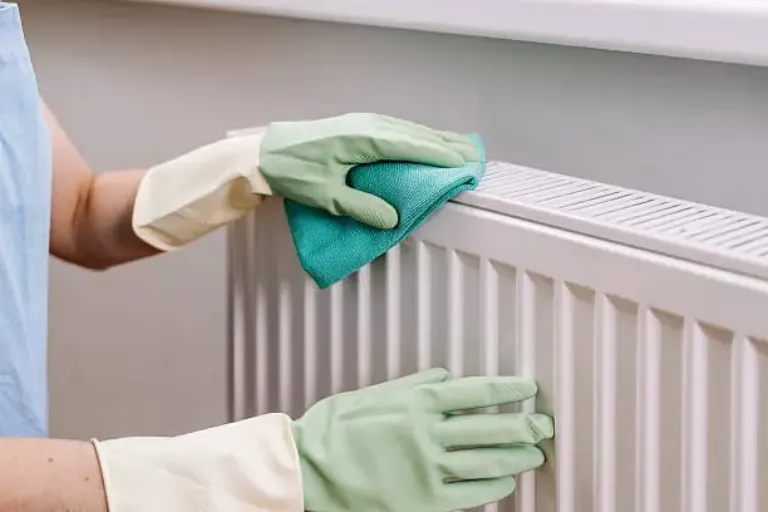
Частота чистки электронагревателя не фиксирована.. Это зависит от интенсивности использования и условий окружающей среды.. Этот раздел помогает пользователям понять, как составить практичный график технического обслуживания для обеспечения долгосрочной работы обогревателя..
Рекомендуемая частота чистки в зависимости от уровня использования
Различные уровни использования напрямую влияют на то, как часто внутри обогревателя скапливается пыль.. Более интенсивное использование требует более частого обслуживания для поддержания стабильной работы..
| Среда использования | Рекомендуемая частота чистки |
|---|---|
| Легкое жилое использование | Каждые 1–2 месяца |
| Интенсивное сезонное использование. | Каждые 2–4 недели |
| Пыльная или промышленная среда | Еженедельная легкая уборка |
Факторы окружающей среды, влияющие на частоту чистки
Условия окружающей среды также влияют на скорость накопления пыли.. Эти факторы следует учитывать при корректировке графика уборки..
- Качество воздуха: Плохое качество воздуха увеличивает накопление пыли и снижает эффективность воздушного потока..
- Уровень влажности: Высокая влажность приводит к тому, что пыль легче прилипает к поверхностям и вентиляционным отверстиям..
- Состояние вентиляции: Плохая вентиляция ускоряет общее скопление пыли внутри и вокруг обогревателя..
Эти факторы помогают уточнить график уборки, а не менять сам метод уборки..
Рекомендации по сезонному техническому обслуживанию
Сезонное техническое обслуживание не следует рассматривать как отдельную процедуру., но как продолжение внешности, вентиляционное отверстие, и внутренняя чистка. Он объединяет ежедневную практику очистки с долговременной работой обогревателя и общим срок службы и обслуживание планирование.
До начала отопительного сезона, пользователи должны выполнить полную внешнюю очистку и очистку вентиляционных отверстий, чтобы обеспечить стабильный поток воздуха с первого использования.. Это помогает снизить нагрузку на внутренние компоненты при запуске и обеспечивает постоянную эффективность нагрева во время пиковой эксплуатации.. В то же время, Быстрая проверка безопасности корпуса и вентиляционных отверстий может помочь выявить ранний износ до того, как обогреватель будет введен в постоянную эксплуатацию..
После окончания отопительного сезона, рекомендуется более полная очистка. Сюда входит удаление скопившейся пыли снаружи и вентиляционных отверстий., и обеспечение хранения устройства в сухом, среда без пыли. Правильное послесезонное обслуживание снижает долгосрочное воздействие пыли на внутренние конструкции., что напрямую способствует увеличению срока службы продукта и более стабильной работе в следующем цикле..
Связывая сезонную уборку с регулярными этапами технического обслуживания., пользователи могут лучше контролировать долгосрочную эффективность, уменьшить ненужный износ, и продлить общий срок службы обогревателя..
Часто задаваемые вопросы
Какие обогреватели требуют меньше обслуживания?
Нагреватели с герметичной конструкцией требуют меньшего обслуживания, поскольку пыль не может легко проникнуть во внутренние компоненты.. Маслонаполненные обогреватели являются наиболее простыми в обслуживании, поскольку имеют полностью закрытую конструкцию.. Керамические и инфракрасные обогреватели также требуют менее частой чистки по сравнению с тепловентиляторами., которые активно втягивают больше пыли за счет циркуляции воздушного потока.
Можно ли почистить обогреватель вообще не разбирая его?
Да, большинство электронагревателей можно безопасно чистить, не разбирая их.. Регулярное техническое обслуживание направлено на внешнюю очистку., например, протирание поверхности и удаление пыли из вентиляционных отверстий.. Внутренняя разборка необходима только в редких случаях, когда производительность падает, а конструкция изделия специально обеспечивает безопасный внутренний доступ..
Достаточно ли внешней очистки для длительного использования??
Для большинства жилых и коммерческих помещений, внешней очистки достаточно для поддержания стабильной работы. Регулярная протирка поверхностей и очистка вентиляционных отверстий помогают сохранить эффективность воздушного потока и снизить риск перегрева.. Однако, в пыльных или высокоинтенсивных рабочих условиях, время от времени может потребоваться более глубокое техническое обслуживание в зависимости от условий использования..
Требуют ли разные типы обогревателей разную частоту технического обслуживания??
Да, Частота технического обслуживания зависит от типа и конструкции нагревателя.. Тепловентиляторы обычно требуют более частой чистки из-за активной циркуляции воздуха.. Маслонаполненные обогреватели требуют минимального обслуживания благодаря своей герметичной конструкции.. Керамические и инфракрасные обогреватели занимают промежуточное положение., в зависимости от того, как часто и где они используются.
Какой метод очистки электронагревателей самый безопасный при ежедневном использовании??
Самый безопасный метод – внешняя чистка без разборки.. Перед чисткой всегда отключайте обогреватель от сети и ждите, пока он полностью остынет.. Используйте сухую ткань из микрофибры для поверхностей и мягкую щетку или пылесос с насадкой-щеткой для вентиляционных отверстий.. Избегайте попадания воды в устройство и никогда не используйте абразивные инструменты или сильные химические чистящие средства..
Заключительные мысли
Регулярная чистка играет важную роль в поддержании эффективности электронагревателей., безопасный, и стабилен при длительном использовании. Это помогает поддерживать правильный поток воздуха, сократить ненужное потребление энергии, и продлить общий срок службы оборудования.
Для долгосрочной надежности и простоты обслуживания., выбор хорошо структурированных продуктов отопления может иметь существенное значение. Круглый обеспечивает решения для электрического отопления разработан с удобным доступом для обслуживания и стабильной производительностью, поддержка потребностей в отоплении как жилых, так и коммерческих помещений.