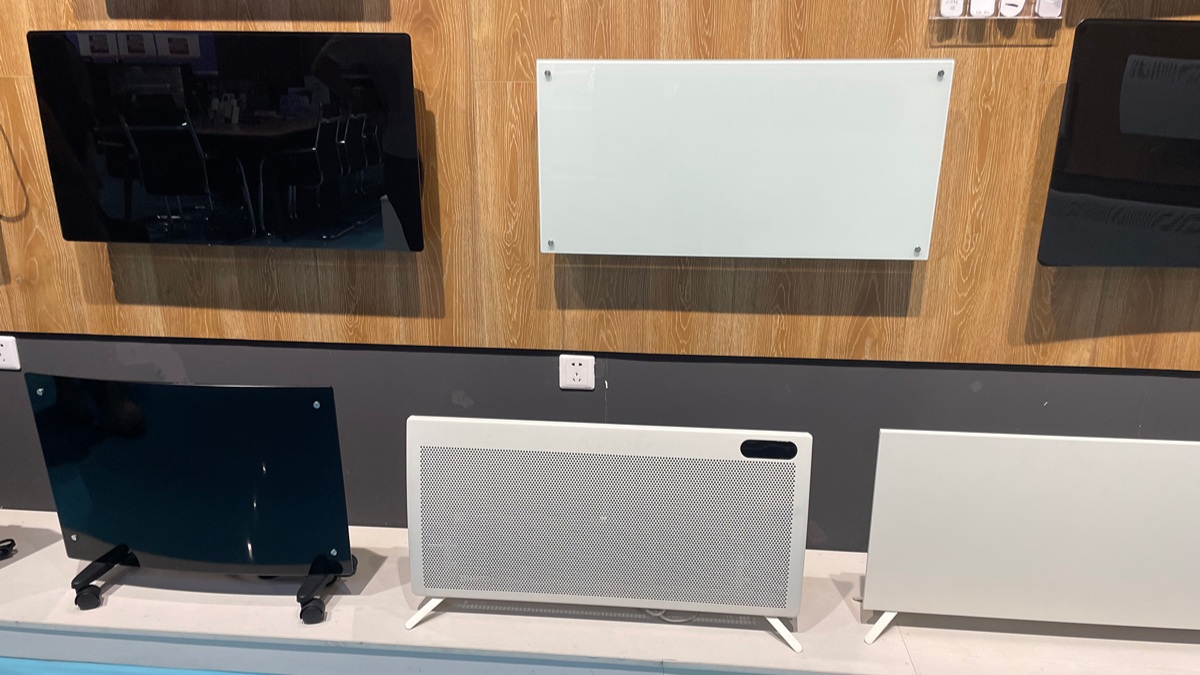
Finding a reliable electric fireplace manufacturer is an important step for importers, distributeurs, and brands sourcing heating products for their markets. With many suppliers offering similar electric fireplace models, choosing the right partner requires careful evaluation of manufacturing capability, qualité du produit, options de personnalisation, and long-term cooperation potential.
This guide explains how to evaluate an electric fireplace supplier before cooperation, covering factory capabilities, OEM/ODM services, certifications, systèmes de contrôle de qualité, and after-sales support. It will help businesses identify a reliable manufacturer that can provide high quality electric fireplace solutions and support their market growth.
Why Choosing the Right Electric Fireplace Manufacturer Matters
Electric fireplaces combine heating systems, electrical components, control functions, and design features, which means product quality depends heavily on the manufacturer’s engineering capability and production standards. A professional electric fireplace manufacturer should not only provide finished products but also ensure stable heating performance, reliable safety features, and consistent product quality.
For importers and distributors, working with an inexperienced supplier may result in common electric fireplace problems, such as unstable heating output, electrical failures, inconsistent flame effects, or difficulties with replacement parts. These issues can increase warranty costs and affect customer satisfaction in the target market.
A reliable manufacturer can help businesses develop high quality electric fireplace solutions based on different market needs. Whether customers require wall mount electric fireplace models, freestanding electric fireplace units, or customized products, an experienced supplier should provide suitable designs, quality control support, and flexible OEM solutions.
Understand Your Electric Fireplace Application Requirements Before Supplier Selection
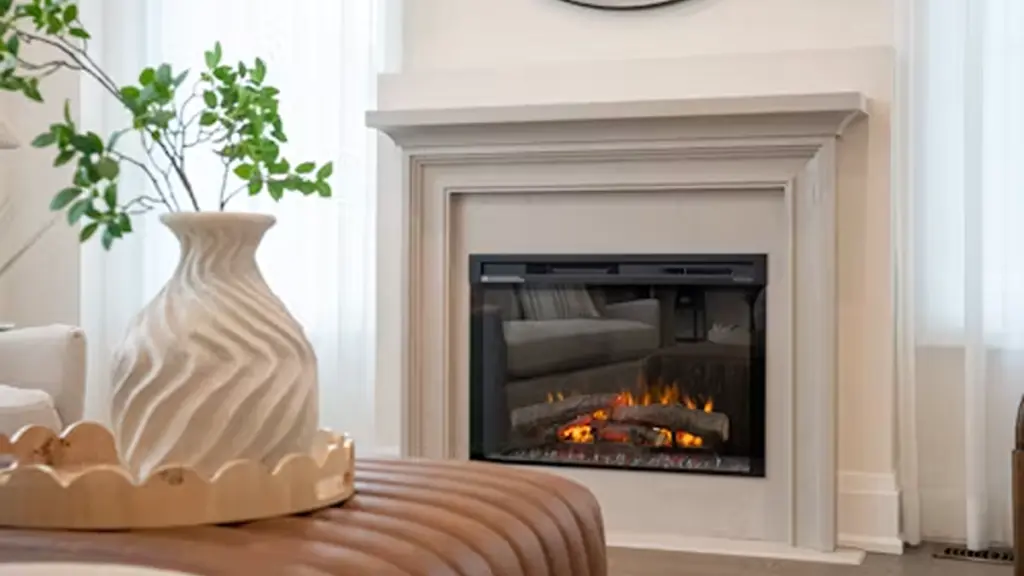
Before comparing manufacturers, buyers should have a clear understanding of how the foyer électrique will be used and what product features the market requires. This helps suppliers recommend suitable models and avoid mismatches during cooperation.
Key factors to consider include:
- Application scenarios: Residential heating, espaces industriels, espaces commerciaux, hôtels, appartements, and decorative projects. Different applications may require different heating capacities, installation methods, and product designs.
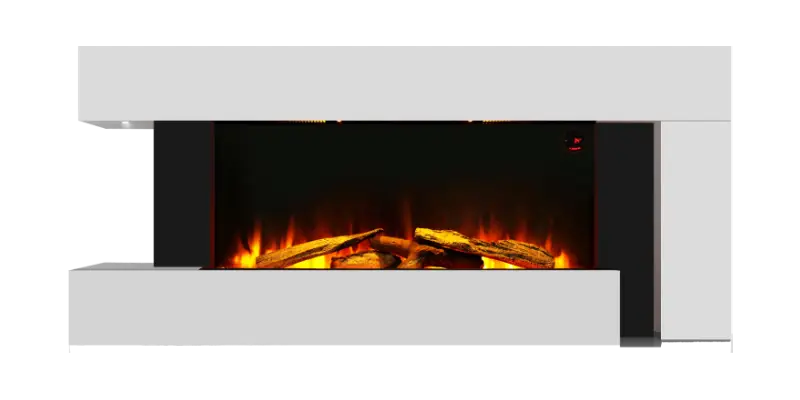
- Product type and installation method: Electric fireplaces are available in various formats, including wall mount electric fireplace models, freestanding electric fireplace units, and electric fireplace inserts. Buyers should choose suitable types based on installation space, target customers, and market demand.
- Heating requirements: Buyers should evaluate heating area, power range, temperature control functions, efficacité énergétique, and usage conditions to ensure the selected products meet customer expectations.
- Design and customization needs: Product style, effet de flamme, taille, materials, and branding requirements are important for distributors and brands developing a modern electric fireplace product line or custom electric fireplace solutions.
- Market compliance: Confirm required safety standards, certifications, and regulations for the target region before placing orders to avoid import and sales issues.
Par exemple, a furniture retailer may focus on modern electric fireplace designs and appearance, while a heating product distributor may prioritize stable supply, product variety, and long-term OEM cooperation. Understanding these differences allows buyers to select manufacturers with the right production capability and customization experience.
A clear product strategy also helps manufacturers provide more accurate recommendations, including suitable models, technical solutions, and production plans. Buyers can learn more about different product types in our Complete Overview of Electric Fireplaces guide.
Factory vs Trading Company: Which Supplier Is Better for Electric Fireplace Sourcing?
When sourcing electric fireplaces, buyers need to decide whether to work with an electric fireplace manufacturer or a trading company. The right choice depends on order volume, customization needs, product categories, et les objectifs commerciaux à long terme.
Trading companies can simplify sourcing by providing access to multiple suppliers, while direct cooperation with a manufacturer is often more suitable for businesses requiring custom electric fireplace solutions, stable production, and better control over product quality and development.
Working Directly with an Electric Fireplace Manufacturer
- OEM/ODM customization support: Develop custom electric fireplaces with specific designs, fonctions, branding, and packaging requirements.
- Better production control: Communicate directly with the factory team to understand manufacturing processes, production schedules, and quality standards.
- Product development capability: Receive technical support for improving heating performance, product functions, and market-specific requirements.
- Consistent quality management: Work with manufacturers that have established inspection procedures and production standards.
- More flexible supply planning: Coordinate production capacity, lead times, and future order growth more efficiently.
- Direct technical support: Get professional guidance on product selection, exigences d'installation, and troubleshooting.
Working with a Trading Company
- Broader product selection: Access different products from multiple manufacturers through one supplier.
- Simplified communication: Reduce the need to manage relationships with several factories.
- Flexible sourcing options: Suitable for buyers handling multiple product categories or smaller purchasing projects.
- Lower sourcing barriers: A practical choice for companies with limited import experience or without dedicated sourcing teams.
For businesses focused on building a long-term electric fireplace product line, direct cooperation with a reliable manufacturer often provides advantages in customization, contrôle de qualité, and supply stability. Cependant, buyers should still verify the supplier’s actual factory capabilities, production experience, and ability to support future business growth.
Partner with a Reliable Electric Fireplace Manufacturer
Verify Manufacturer Qualifications and Certification Requirements
Before starting cooperation, buyers should verify whether an fabricant de cheminée électrique has the production capability, compliance documents, and industry experience required for long-term supply.
Check Manufacturer Background and Production Experience
A reliable supplier should have proven manufacturing experience, export capability, and technical knowledge of electric heating products. Buyers should review the manufacturer’s company history, factory facilities, international market experience, and technical development capability before making a decision.
For electric fireplaces, manufacturing experience is especially important because product performance depends on multiple factors, including electrical safety, heating efficiency, component reliability, et durabilité à long terme. A professional manufacturer should have clear production processes, systèmes de gestion de la qualité, and the ability to provide technical support for different market requirements.
Confirm Product Certifications and Compliance
Electric fireplaces must meet different safety standards depending on the target market. Before placing orders, buyers should confirm that the manufacturer can provide valid certifications matching the product models and local regulations.
| Market | Common Certifications |
|---|---|
| Europe | CE, RoHS, ERP, UKCA |
| North America | ETL, UL |
| Australie | MÉTÉO |
| Japon / South Korea | EPS / KC |
Certification verification helps buyers reduce compliance risks and avoid problems during import, distribution, and sales. Buyers should also confirm whether certifications are up to date and whether they apply to the specific products being purchased.
How to Verify Manufacturer Credentials Remotely
For international buyers, factory visits may not always be practical. Remote verification provides an efficient way to evaluate whether a supplier’s claimed capabilities match their actual manufacturing conditions.
Buyers can review the manufacturer’s website, factory videos, production photos, quality inspection records, certifications, and product documents. Direct communication is also important because technical responses, customization experience, and problem-solving ability often reflect the supplier’s actual manufacturing knowledge.
A professional manufacturer should provide consistent information across its website, samples, documents, and communication. While remote verification cannot fully replace factory audits, it helps buyers reduce sourcing risks before establishing long-term cooperation.

Evaluate Manufacturing Capability and Customization Options
A manufacturer’s production strength and customization ability determine whether they can support stable supply, market-specific products, and long-term business growth.
Evaluate Production Capacity and Lead Time
Production capacity directly affects order fulfillment and supply stability. A supplier may offer competitive prices, but insufficient production resources can result in delivery delays, inconsistent supply, and difficulties during peak seasons.
When evaluating an electric fireplace manufacturer, buyers should focus on several key factors:
- Production capacity and ability to handle increasing order volumes
- Manufacturing resources, including production lines, équipement, and technical workforce
- Lead time management and realistic delivery schedules
- Ability to maintain supply during seasonal demand periods
Electric heating products usually experience higher demand before winter. Experienced manufacturers should have clear production planning and provide realistic delivery timelines.
Before cooperation, buyers should also confirm order-related details such as MOQ requirements, standard production time, and future expansion capability.
Assess OEM and ODM Capabilities
For brands and distributors, customization capability helps create products that better match local market preferences and improve product differentiation.
An experienced electric fireplace manufacturer with OEM capabilities should support different levels of customization, from product appearance and branding to functional improvements and new product development.
| Customization Area | Examples |
|---|---|
| Conception de produits | Apparence, structure, materials, and product functions |
| Branding | Logo, labels, and brand elements |
| Conditionnement | Custom boxes, manuals, and marketing materials |
| Product Features | Télécommande, heating settings, smart functions |
| New Product Development | Developing models based on market requirements |
Before starting an OEM or ODM project, buyers should discuss customization scope, development timeline, MOQ requirements, and potential development costs with the manufacturer.
Manufacturers with strong ODM capabilities and R.&D experience can help businesses develop practical custom electric fireplace solutions while reducing product development risks. This is especially important because electric fireplace improvements often involve heating performance, dispositifs de sécurité, electronic components, and user experience.
Check Quality Control and After-Sales Support
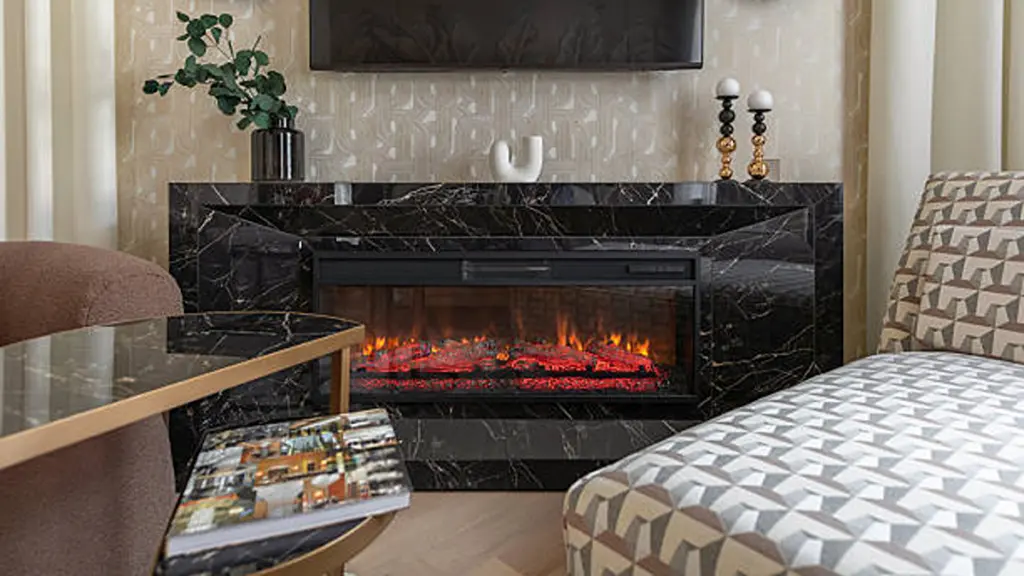
Electric fireplace quality depends on strict production control, safety testing, et un service après-vente fiable. Evaluating these factors helps buyers reduce product risks before placing bulk orders.
Evaluate the Manufacturer’s Quality Control System
A reliable fabricant de cheminée électrique should have quality checks throughout the production process, from incoming materials to finished products. UN complete QC system helps reduce defects and maintain consistent product performance.
Key quality control steps usually include:
- Material inspection: Checking components and raw materials before production
- Production inspection: Monitoring manufacturing processes during assembly
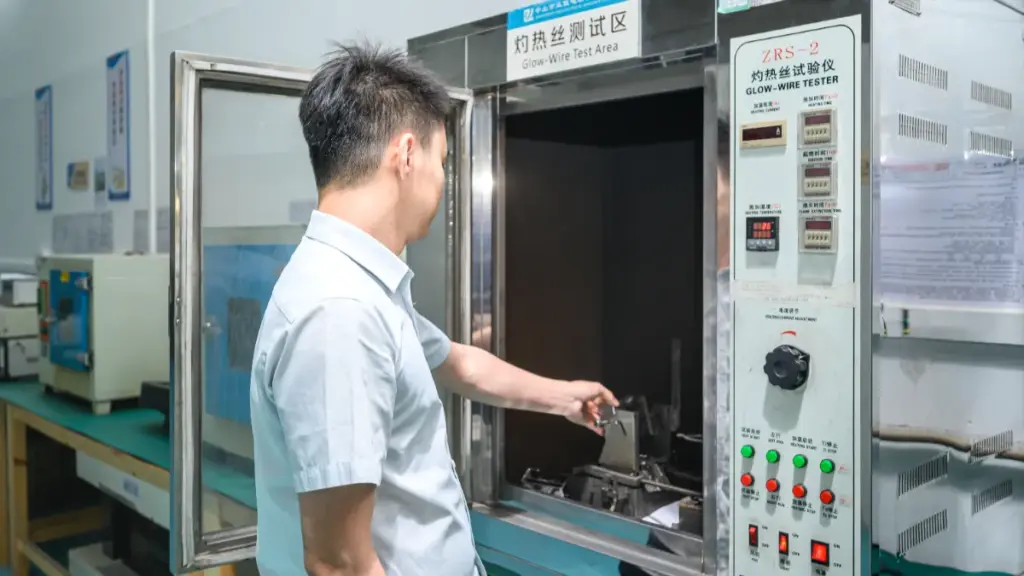
- Safety testing: Verifying electrical safety and heating performance
- Function testing: Ensuring product features work correctly
- Final inspection: Checking finished products before shipment
- Packaging inspection: Confirming products are protected during transportation
For large-volume projects, buyers can consider factory audits or request supporting documents before placing orders. These may include factory videos, production records, testing reports, and pre-production samples. A professional manufacturer should be able to explain how quality issues are identified, controlled, and resolved.
Understand After-Sales Service and Support
After-sales support is especially important for heating products because distributors and brands may need technical assistance after delivery and during customer use. Before cooperation, buyers should understand the manufacturer’s warranty policy, disponibilité des pièces de rechange, response process, and technical support capability.
A reliable supplier should support customers beyond product delivery by providing installation guidance, troubleshooting assistance, product information, and solutions for potential issues. This helps distributors improve customer service and reduce after-sales pressure.
Manufacturers with strong industry experience can also provide product guidance, such as explaining the differences between gas and electric fireplaces et wall-mounted and insert electric fireplaces. This knowledge helps businesses recommend suitable products based on different applications.
How Yika Supports Global Electric Fireplace Projects
With more than 15 years of experience in electric heating manufacturing, Rond supports global distributors, retailers, and brands with reliable electric fireplace solutions.
En tant qu'expérimenté fabricant de cheminée électrique, Yika provides OEM/ODM services, production support, and quality management to help customers develop heating products that meet different market requirements.
Yika’s capabilities include:
- Electric fireplace manufacturing: Experience in producing electric heating products for international markets with stable production processes.
- OEM and ODM customization: Support for custom electric fireplace projects, including product design, fonctions, branding, et emballage.
- Quality control and testing: Inspection procedures covering incoming materials, production processes, performances du produit, and final shipment checks.
- Market compliance support: Assistance with certification requirements and product standards for different regions.
- Technical support: Product guidance and engineering support throughout development and cooperation.
From product development and sample confirmation to mass production, Yika works with partners to provide customized electric fireplace solutions based on their market needs.
For businesses searching for a reliable fabricant de cheminée électrique, Yika combines manufacturing experience, customization capability, and quality management to support long-term cooperation.

Pensées finales
Finding the right fabricant de cheminée électrique is not only about product pricing but also about evaluating production capability, customization experience, contrôle de qualité, and long-term support. A reliable manufacturing partner can help businesses reduce sourcing risks and build competitive heating product lines.
With more than 15 years of experience in electric heating manufacturing, Yika provides OEM/ODM services and customized electric fireplace solutions for global distributors, retailers, and brands. Contact Yika to discuss your project requirements and develop a reliable heating solution for your market.
FAQs About Choosing an Electric Fireplace Manufacturer
How do I choose a reliable electric fireplace manufacturer?
A reliable electric fireplace manufacturer should have proven production experience, proper certifications, stable manufacturing capability, and strong quality control systems. Buyers should evaluate the supplier’s factory background, product compliance, customization ability, export experience, and after-sales support before starting long-term cooperation.
What certifications are required for electric fireplaces?
Certification requirements depend on the target market. Common certifications for electric fireplaces include CE, RoHS, ERP, and UKCA for European markets, ETL or UL for North America, SAA for Australia, and PSE or KC for some Asian markets. Buyers should confirm that certifications match the specific product models and local import requirements.
Should I work directly with an electric fireplace factory?
Working directly with an electric fireplace factory can provide better control over product quality, customization, communication, and production planning. This approach is usually suitable for distributors, retailers, and brands that need stable supply, OEM support, and long-term cooperation. Cependant, buyers should still verify the factory’s actual manufacturing capability before placing orders.
What customization options are available for electric fireplaces?
Electric fireplace manufacturers can provide different customization options based on market requirements. Common options include fireplace appearance, taille, couleurs, effets de flamme, decorative elements, heating functions, méthodes de contrôle, installation styles, accessories, et emballage. OEM and ODM services allow brands and distributors to develop products that better match local customer preferences and market needs.
What should I check before importing electric fireplaces?
Before importing electric fireplaces, buyers should confirm product certifications, voltage requirements, product specifications, packaging standards, shipping requirements, and supplier support capabilities. It is also important to review samples, testing reports, and production information to ensure the products meet market expectations before placing bulk orders.